How we make this list: we compare pricing pages, product documentation and public user reviews. Ratings come from G2, Capterra or Trustpilot, with the date we checked them.
Key takeaways
- MyFitnessPal leads on food database size, with millions of foods and the fastest barcode scanning for packaged items.
- Cronometer leads on nutrient detail, tracking vitamins, minerals, and macros with verified database entries.
- Yazio and Lifesum lead on guided plans and clean design for users who want structure without complexity.
- FatSecret and MyNetDiary suit budget users who want solid free tracking with community and recipe features.
- Nutritionix Track and MacroFactor suit data-focused users who want flexible targets and coaching-style adjustments.
- Health note: calorie tracking is general information only, not medical advice, and tracking can feed disordered eating for some people. If tracking becomes obsessive, causes guilt around every meal, or leads to extreme restriction, stop and talk to a clinician or dietitian.
Quick comparison
| Tool | Best for | Starting price | Free plan |
|---|
 MyFitnessPal | Largest food database | Free app | Free plan |
 Cronometer | Nutrient detail | Free app | Free plan |
 Yazio | Guided plans | Free app | Free plan |
 Lifesum | Clean guided tracking | Free app | Free plan |
 FatSecret | Free community tracking | Free app | Free plan |
 MyNetDiary | Diabetes-friendly tracking | Free app | Free plan |
 Nutritionix Track | Flexible food logging | Free app | Free plan |
 MacroFactor | Coaching-style targets | See website | Free trial |
Is your product missing or out of date?
We review this list regularly. Vendors can request a listing, send updated pricing or ask about featured placement.
The best free calorie tracker apps
Calorie trackers help users understand what they eat by logging foods, showing totals against a daily target, and revealing patterns over weeks. The best free apps cover the core job well: fast logging, a large food database, barcode scanning, and basic trends, while paid tiers add deeper analysis and coaching. The eight apps below cover those needs, and the right pick depends on whether you want the biggest database, the deepest nutrition data, or the simplest daily habit.
How we chose
We started from the calorie tracker apps people actually use in 2026, drawing on app store rankings, nutrition guides, and vendor feature pages. We favored apps with large verified food databases, barcode scanning, and usable free tiers, and we excluded apps whose free tier hides basic logging behind a paywall. We also deliberately did not list one well-known app whose brand name contains a character this article format forbids, since the format rules ban that character everywhere, including brand names. Prices vary by billing period, so where a figure is not confirmed on a vendor page, we use "See website" and flag the gap. This article is general information only and is not medical advice.
Buying guide
Start with logging speed. The tracker you actually use daily beats a more powerful app you abandon, so test barcode scanning, recent foods, and recipe saving in the first week. If logging a home-cooked meal takes five minutes, the app will fail you no matter how good its database is.
Next, check database quality for the foods you eat most. US packaged foods are well covered everywhere, while international foods, restaurant dishes, and homemade recipes vary widely. Cronometer's verified entries suit users who care about micronutrients, while MyFitnessPal's size suits users who eat many packaged foods.
Then check the free tier honestly. Most free tiers cover logging and basic trends, while paid tiers add macro targets by meal, fasting timers, and deeper analysis. Decide whether those extras matter before paying, since many users track successfully on free tiers for years.
Finally, set targets carefully and revisit them. App calorie targets are estimates from height, weight, age, and activity, not medical prescriptions, and they should be reviewed with a clinician or dietitian if you have health conditions, are pregnant, or are under 18. Revisit targets as weight and activity change, rather than following an old number blindly.
One more consideration matters for long-term use: data export. If you switch apps or stop tracking, your history should travel with you. Check whether the app exports data in a usable format, since a history trapped in one app is lost work, and long-term trends are the most valuable part of tracking.
Common mistakes to avoid
The most common mistake is treating the daily target as a strict pass-or-fail test. One day over target does not ruin progress, and weekly averages matter more than any single day. Users who chase perfect days often quit after a bad week, while users who watch trends stay consistent.
The second mistake is logging only good days. Skipping bad days makes the data useless and hides the patterns that actually help, such as weekend overeating or late-night snacking. Log honestly, including restaurant meals and drinks, or the tracker cannot help you. The third mistake is ignoring protein, fiber, and micronutrients while chasing calories alone: two days at the same calories can feel very different depending on food quality, which is why Cronometer-style nutrient detail helps many users.
Frequently asked questions
Are free calorie tracker apps accurate?
Food databases are estimates, and accuracy varies by entry: verified and branded entries are closer, while user-entered and restaurant entries vary more. Weighing food with a kitchen scale improves accuracy more than any app choice.
Which app has the largest food database?
MyFitnessPal leads on database size, with millions of foods including packaged and restaurant items. Cronometer leads on verified accuracy, with a smaller but more carefully checked database.
Do I need a paid plan to track calories?
No. All apps on this list cover basic calorie logging on free tiers. Paid plans add macro planning, deeper analysis, fasting tools, and coaching features that help some users but are not required for basic tracking.
Can calorie tracking cause disordered eating?
For some people, yes. If tracking causes anxiety, guilt, or extreme restriction, or if you have a history of eating disorders, tracking may do more harm than good. Stop tracking and talk to a clinician or dietitian, and consider support resources in your country.
How do I set a safe calorie target?
App targets are starting estimates, not medical advice. Discuss targets with a clinician or registered dietitian if you have health conditions, take medication, are pregnant, or are under 18, and avoid extreme deficits that promise rapid loss.
Sources
- Vendor feature and pricing pages for MyFitnessPal, Cronometer, Yazio, Lifesum, FatSecret, MyNetDiary, Nutritionix Track, and MacroFactor
- Third-party 2026 comparisons of calorie tracker apps
- Nutrition guidance on food logging accuracy and safe targets
Starting priceFree app
Free planFree plan
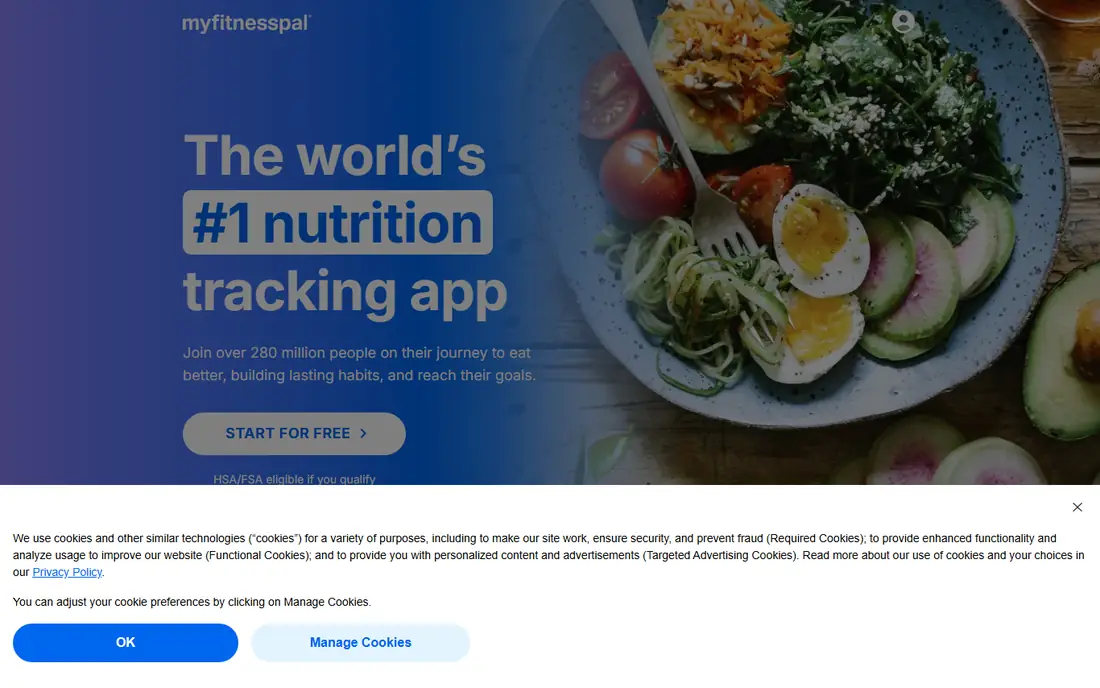
MyFitnessPal remains the default calorie tracker because its food database is the largest available, covering packaged foods, restaurant items, and recipes from many countries. Barcode scanning is fast and reliable, recent foods and meal saving speed up repeat logging, and the community adds recipes and support that new users find helpful.
The free tier shows ads, some database entries are user-entered and inaccurate, and macro targets by meal need a premium plan. MyFitnessPal suits users who want the biggest database and fastest logging, and who eat many packaged or restaurant foods.
What we like- Largest food database
- Fastest barcode scanning
- Huge community and recipes
Watch out for- Free tier shows ads
- Some database entries are user-entered and inaccurate
- Premium needed for meal macros
Starting priceFree app
Free planFree plan
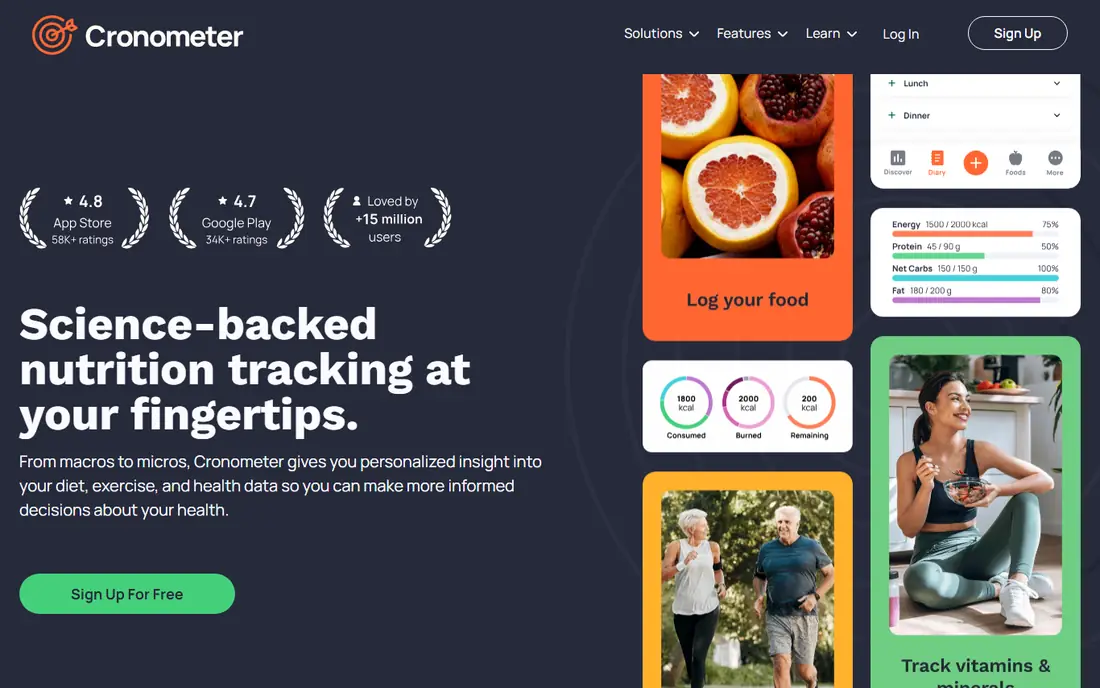
Cronometer is the detail pick, tracking not just calories and macros but vitamins, minerals, amino acids, and other nutrients from a verified database. That depth suits users who care about nutrient quality, not just calorie totals, and its barcode scanning and recipe tools cover daily logging well.
The database is smaller than MyFitnessPal, some features such as custom charts need the Gold plan, and nutrient detail takes learning for new users. Cronometer suits health-focused users who want accurate, verified nutrition data and who value micronutrients alongside calories.
What we like- Verified nutrient database
- Tracks vitamins and minerals
- Clean interface
Watch out for- Database is smaller than MyFitnessPal
- Some features need Gold plan
- Learning curve for nutrients
Starting priceFree app
Free planFree plan
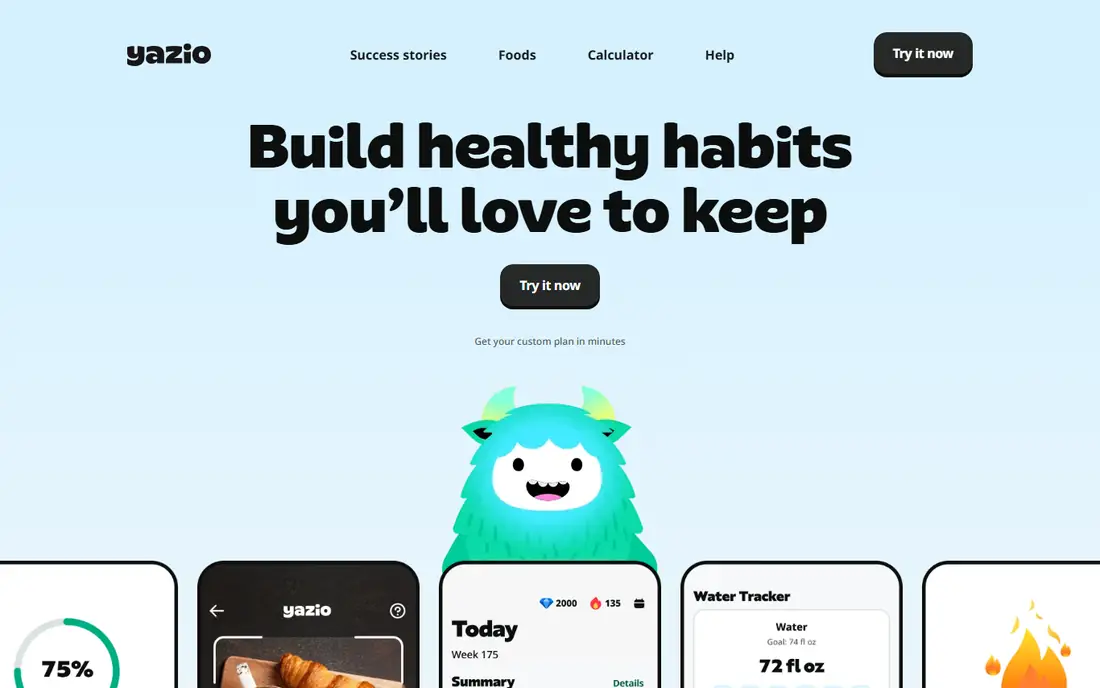
Yazio combines calorie tracking with guided plans for fasting, low-carb, and other approaches, wrapped in a clean design that suits users who want structure. Its recipe library and meal plans help users who struggle to plan meals, and the free tier covers basic logging well.
Full plans need a Pro subscription, some features are paywalled, and the database is smaller than MyFitnessPal. Yazio suits users who want guided plans and a clean interface, and who will use fasting or diet plans alongside tracking.
What we like- Guided fasting and diet plans
- Clean design
- Good recipe library
Watch out for- Free tier limits plans
- Some features need Pro
- Database is smaller than MyFitnessPal
Starting priceFree app
Free planFree plan
Lifesum offers clean, guided calorie tracking with programs for weight loss, muscle gain, and healthy habits, plus habit tracking that covers water, exercise, and sleep alongside food. Its design is among the most polished in the category, which helps daily adherence.
The free tier is limited compared with MyFitnessPal, full programs need a premium plan, and database depth varies by region. Lifesum suits design-conscious users who want guided programs and habit tracking in one polished app.
What we like- Clean design
- Guided programs
- Good habit tracking
Watch out for- Free tier is limited
- Premium needed for full plans
- Database varies by region
Starting priceFree app
Free planFree plan
FatSecret offers solid free tracking with a community that runs challenges, shares recipes, and supports new users, which helps motivation. Its food diary, barcode scanning, and exercise logging cover the core job without a paywall blocking basic use.
The interface feels dated, premium features are thinner than rivals, and database accuracy varies by entry. FatSecret suits budget users who want free tracking plus community support, and who value challenges and shared recipes.
What we like- Solid free tracking
- Community challenges
- Recipe and food diary sharing
Watch out for- Interface feels dated
- Premium features are thinner
- Database accuracy varies
Starting priceFree app
Free planFree plan
MyNetDiary stands out for diabetes-friendly tracking, with detailed carbohydrate counts, glycemic data, and reports that suit users managing blood sugar alongside calories. Its database emphasizes verified entries, and its reports help users spot patterns in carbs and glucose-relevant foods.
The interface is functional rather than pretty, full analysis needs a premium plan, and the community is smaller than MyFitnessPal. MyNetDiary suits users tracking carbs for diabetes or metabolic health, and anyone who wants verified data with strong reports.
What we like- Strong diabetes and carb tracking
- Verified database
- Good reports
Watch out for- Interface is functional rather than pretty
- Premium needed for full analysis
- Smaller community
Starting priceFree app
Free planFree plan
Nutritionix Track lets users log foods in natural language, typing phrases such as two eggs and toast, which the app converts to nutrition data from its large database. That flexibility speeds up logging for users who dislike searching item by item, and its API powers many other nutrition apps.
The interface is simpler than Lifesum or Yazio, coaching features are thin, and advanced tools need a premium plan. Nutritionix Track suits users who want fast, flexible logging with natural language input and who value database breadth.
What we like- Natural language logging
- Large database
- Flexible targets
Watch out for- Interface is simpler
- Coaching features are thin
- Premium for advanced tools
Starting priceSee website
Free planFree trial
MacroFactor takes a coaching approach: it estimates energy expenditure from your logged intake and weight trend, then adjusts calorie and macro targets weekly. That adaptive system suits experienced trackers who want targets that respond to real data rather than static formulas.
There is no lasting free tier beyond a trial, the learning curve is steeper than simple trackers, and beginners may find the adaptive system confusing at first. MacroFactor suits experienced users who track consistently and want data-driven target adjustments.
What we like- Adaptive calorie targets
- Coaching-style adjustments
- Strong expenditure tracking
Watch out for- No lasting free tier
- Learning curve
- Best for experienced trackers
Is your product missing or out of date?
We review this list regularly. Vendors can request a listing, send updated pricing or ask about featured placement.

Shihab Mia · Founder, Rankite
Shihab has 5+ years in B2B and SaaS SEO. He writes Rankite's software buying guides from pricing pages, documentation and public user reviews. More about Shihab.