How we make this list: we compare pricing pages, product documentation and public user reviews. Ratings come from G2, Capterra or Trustpilot, with the date we checked them.
Key takeaways
- MyFitnessPal leads on food database size, with the largest library of foods, brands, and restaurant items.
- Cronometer leads on nutrient detail, tracking vitamins, minerals, and macros with verified data.
- Yazio and Lifesum lead on friendly design, with meal plans and visual progress that suit beginners.
- MyNetDiary and FatSecret lead on value, with strong free tiers and community support.
- Nutritionix Track and MacroFactor lead on accuracy and coaching, with verified databases and adaptive targets.
- Health note: food diaries are general information only, not medical advice, and tracking can feed disordered eating. If logging becomes obsessive, stressful, or tied to guilt and restriction, stop tracking and seek help from a healthcare professional or an eating disorder support service.
Quick comparison
Is your product missing or out of date?
We review this list regularly. Vendors can request a listing, send updated pricing or ask about featured placement.
The best food diary app
A food diary app turns eating into visible data: what you ate, how much, and how it fits your goals, whether weight management, muscle building, or simply awareness. The eight apps below cover large databases, nutrient detail, meal plans, and adaptive coaching, and the right pick depends on how much detail you want, how much you will log daily, and whether you need a gentle approach or a precise one.
How we chose
We started from the food diary apps people actually use in 2026, drawing on vendor pages, nutrition guides, and app store rankings. We favored apps with barcode scanning, large food databases, and macro tracking, and we excluded apps with thin databases or no free tier for testing. Prices vary by subscription, so where a figure is not confirmed on a vendor page, we use "See website" and flag the gap. This article is general information only and is not medical advice.
Buying guide
Start with your goal and logging tolerance. If you want the easiest logging, pick MyFitnessPal or FatSecret with their huge databases and barcode scanners. If you want nutrient depth, pick Cronometer. If you want coaching that adjusts targets as you progress, pick MacroFactor. Be honest about tolerance: an app you log in for three weeks beats a precise app you abandon after three days.
Next, check database quality for the foods you actually eat. Large databases include user-entered items with errors, while verified databases such as Cronometer and Nutritionix are cleaner but smaller. Test your five most common meals in each app before committing, since database fit matters more than feature lists.
Then consider approach and tone. Some apps emphasize calorie restriction aggressively, which can harm users with disordered eating history, while others emphasize balance, habits, and gentle goals. If tracking ever feels stressful, obsessive, or guilt-driven, pause logging and talk with a healthcare professional. Food diaries should inform, not control, your relationship with food.
Finally, check extras that matter daily: recipe import, restaurant items, wearable sync, and export. Recipe builders save time for home cooks, restaurant databases help frequent diners, and wearable sync connects food with activity. Pick the app whose extras match your life, not the app with the longest feature list.
One more practical point: accuracy has limits. Portion estimates, restaurant items, and packaged foods all carry error, so treat logged numbers as estimates, not exact science. Weighing food improves accuracy for those who want it, while visual estimates suit casual users who accept wider error. Either way, trends over weeks matter more than any single day.
Common mistakes to avoid
The most common mistake is chasing perfect accuracy. Weighing every gram and logging every bite burns out most users within weeks, while consistent rough logging gives useful trends. Aim for good enough, not perfect, and skip logging on days when it adds stress.
The second mistake is ignoring hunger and health signals for the sake of a target. Targets are estimates based on averages, and illness, activity, and stress change needs daily. If a target leaves you exhausted, hungry, or unwell, adjust it or talk with a professional rather than forcing compliance. The third mistake is using a diary to justify restriction cycles: severe under-eating followed by overeating harms health and mood, and a diary should never become a tool for punishment.
Frequently asked questions
Which food diary app is best for beginners?
MyFitnessPal leads for beginners with its huge database and easy barcode scanning, while Yazio and Lifesum offer friendlier designs with meal plans. Try the free tier of each for a week and keep the one you actually open daily.
Are food diary apps accurate?
They are estimates, not exact measurements. Verified databases such as Cronometer are cleaner, while large user databases contain errors. Weighing food improves accuracy, but trends over weeks matter more than single-day precision.
Can food tracking cause disordered eating?
Yes, for some people tracking can feed obsessive thoughts, guilt, and restriction. If logging becomes stressful or compulsive, stop tracking and seek help from a healthcare professional or an eating disorder support service.
Do I need a premium subscription?
Free tiers cover core logging on most apps here, including barcode scanning and macro tracking. Premium adds recipe import, detailed nutrients, meal plans, and ad removal, which suit committed users.
Which app tracks vitamins and minerals best?
Cronometer leads on vitamin and mineral tracking with verified data and detailed reports. Nutritionix Track also offers strong nutrient detail, while most other apps focus mainly on calories and macros.
Sources
- Vendor pages for MyFitnessPal, Cronometer, Yazio, Lifesum, MyNetDiary, FatSecret, Nutritionix Track, and MacroFactor
- Third-party 2026 comparisons of food diary and nutrition apps
- Nutrition guides on logging accuracy, database quality, and healthy tracking habits
Starting priceFree app
Free planFree plan
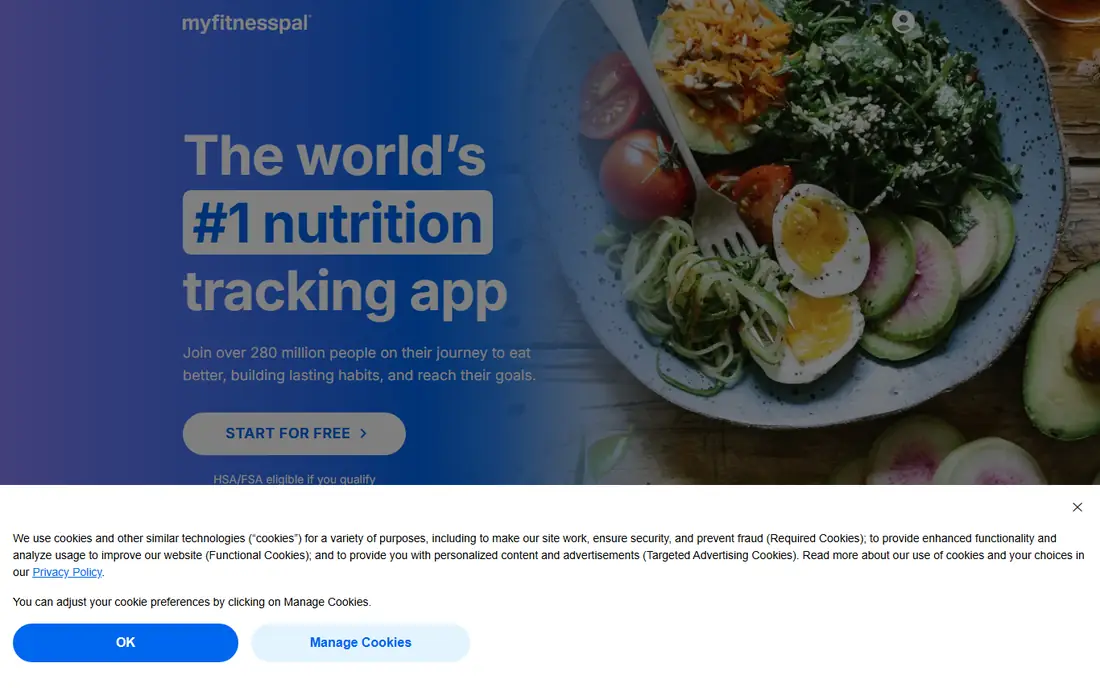
MyFitnessPal is the largest food diary app, with a massive database of foods, brands, and restaurant items plus barcode scanning that makes logging fast. Its size means almost any food appears in search, and wearable sync connects food with activity data.
Premium is needed for full features such as detailed nutrients and ad removal, user-entered items contain errors, and the free tier shows ads. MyFitnessPal suits users who want the easiest logging with the largest database and who will verify entries when accuracy matters.
What we like- Largest food database
- Barcode scanning
- Wearable sync
Watch out for- Premium needed for full features
- User entries contain errors
- Ads on free tier
Starting priceFree app
Free planFree plan
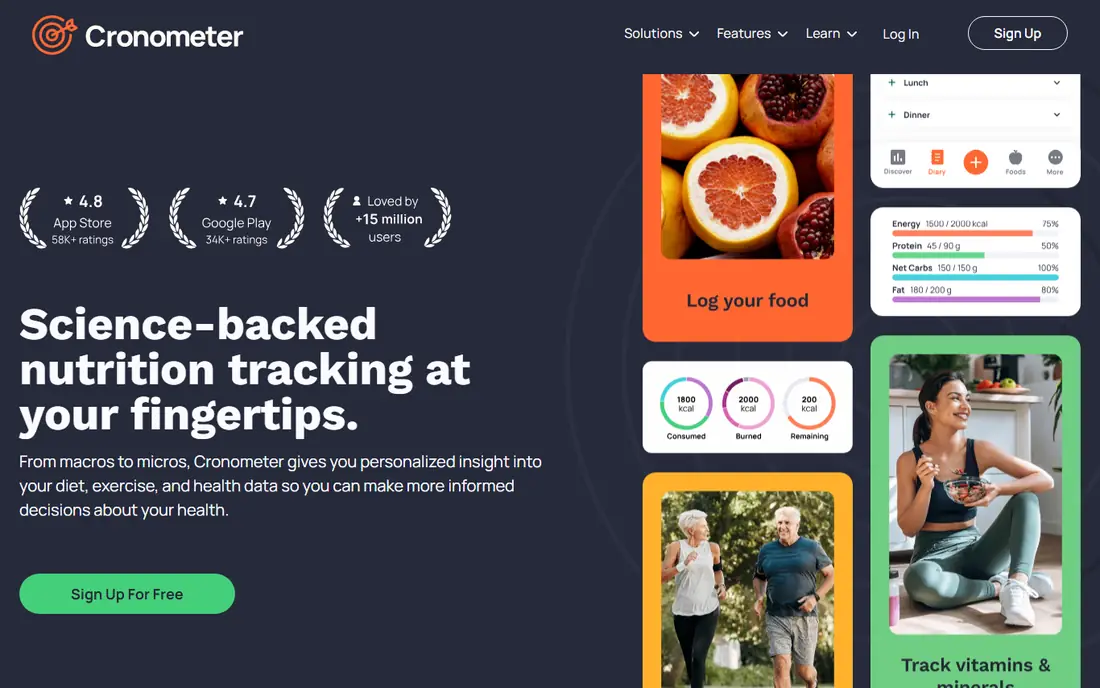
Cronometer is the nutrient detail leader, tracking vitamins, minerals, amino acids, and macros with verified data from official sources rather than user entries. Its clean reports show exactly where nutrients come from, which suits users with specific health goals or deficiencies to monitor.
The database is smaller than MyFitnessPal, full reports need a premium plan, and meal plan guidance is thinner. Cronometer suits users who want precise nutrient tracking and who value data quality over database size.
What we like- Verified nutrient data
- Vitamin and mineral tracking
- Clean interface
Watch out for- Database is smaller
- Premium for full reports
- Less meal plan guidance
Starting priceFree app
Free planFree plan
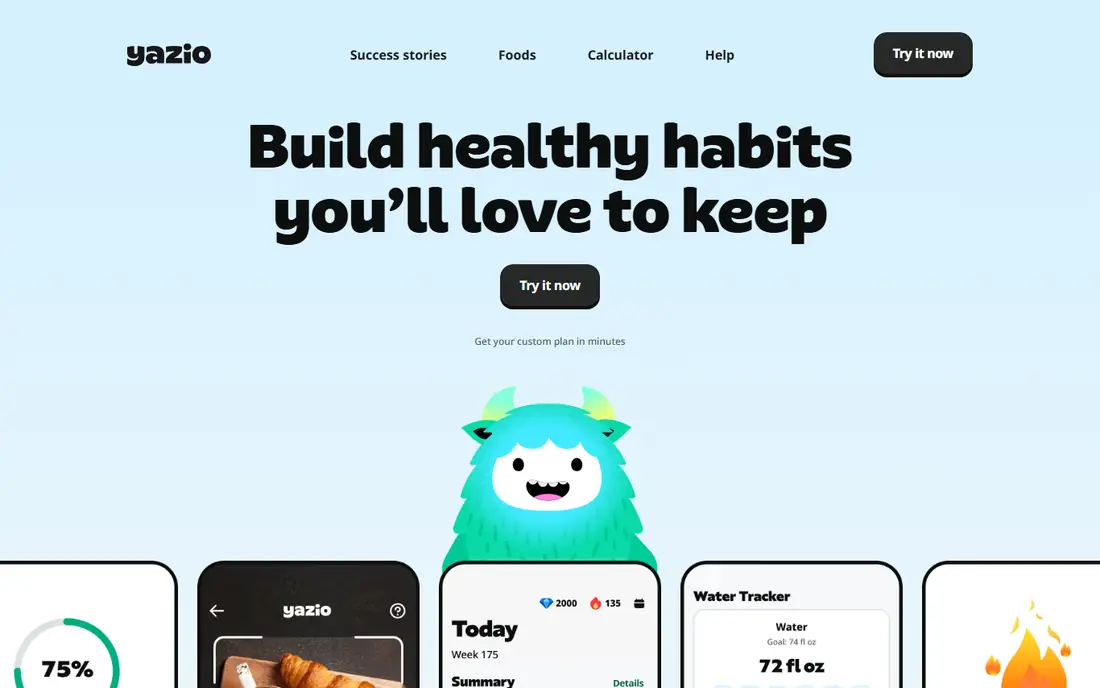
Yazio pairs a friendly design with meal plans, recipes, and a fasting tracker, making it approachable for beginners who want guidance alongside logging. Its visual progress charts show weight, measurements, and habits in a way that feels encouraging rather than clinical.
Meal plans need a premium plan, database errors exist as with other large apps, and the free tier shows ads. Yazio suits beginners who want a friendly app with meal plans and who prefer guidance over raw data.
What we like- Friendly design
- Meal plans and recipes
- Fasting tracker included
Watch out for- Premium needed for meal plans
- Database errors exist
- Ads on free tier
Starting priceFree app
Free planFree plan
Lifesum focuses on meal plans and diet programs, with a friendly interface, life score feedback on food quality, and plans for goals such as weight loss, muscle gain, and balanced eating. Its plan structure suits users who want food ideas, not just a blank log.
Plans need a premium subscription, the calorie focus can feel restrictive for some users, and database gaps appear for niche foods. Lifesum suits users who want meal plans and diet guidance in a friendly app, with attention to keeping the approach balanced.
What we like- Meal plans and diets
- Friendly interface
- Life score feedback
Watch out for- Premium needed for plans
- Calorie focus can feel restrictive
- Database gaps
Starting priceFree app
Free planFree plan
MyNetDiary offers a strong free tier with detailed nutrient reports, diabetes tracking options, and a clean logging flow that punches above its price. Its diabetes features, including carb tracking and blood sugar logs, suit users managing blood sugar alongside food.
The interface looks dated compared with Yazio, the community is smaller, and full features need a premium plan. MyNetDiary suits value seekers and users who want diabetes-friendly tracking without paying for a premium app.
What we like- Strong free tier
- Detailed nutrient reports
- Diabetes tracking options
Watch out for- Interface is dated
- Community is smaller
- Premium for full features
Starting priceFree app
Free planFree plan
FatSecret is a free-first food diary with barcode scanning, community support, and a food database that covers common foods well, all at no cost for core logging. Its community forums and challenges add motivation for users who like social support.
The interface is basic, premium features are thin compared with rivals, and database errors exist. FatSecret suits budget users who want free logging with community support and who accept a simpler interface.
What we like- Free core logging
- Community support
- Barcode scanning
Watch out for- Interface is basic
- Premium features are thin
- Database errors exist
Starting priceFree app
Free planFree plan
Nutritionix Track stands out for verified restaurant and brand data, built from its nutrition database business, plus natural language logging where users type "two eggs and toast" and the app parses it. That parsing speeds logging for users who dislike searching item by item.
The community is smaller, full history needs a premium plan, and meal plan content is thinner than Lifesum or Yazio. Nutritionix Track suits users who eat out often and want verified restaurant data with fast natural language logging.
What we like- Verified restaurant and brand data
- Natural language logging
- API depth
Watch out for- Smaller community
- Premium for full history
- Less meal plan content
Starting priceSee website
Free planFree trial
MacroFactor is the adaptive coaching leader, adjusting calorie and macro targets weekly based on logged intake and weight trends, with expenditure tracking that estimates maintenance from real data. Its science-based design suits users who want targets that respond to progress rather than fixed numbers.
There is no free tier beyond a trial, the interface is data-heavy, and beginners may feel overwhelmed by its detail. MacroFactor suits committed users, including athletes and lifters, who want adaptive targets and will log consistently.
What we like- Adaptive calorie and macro targets
- Expenditure tracking
- Science-based design
Watch out for- No free tier beyond trial
- Interface is data-heavy
- Beginners may feel overwhelmed
Is your product missing or out of date?
We review this list regularly. Vendors can request a listing, send updated pricing or ask about featured placement.

Shihab Mia · Founder, Rankite
Shihab has 5+ years in B2B and SaaS SEO. He writes Rankite's software buying guides from pricing pages, documentation and public user reviews. More about Shihab.
 MyFitnessPal
 Cronometer
 Yazio
 Lifesum
 MyNetDiary
 FatSecret
 Nutritionix Track
 MacroFactor