How we make this list: we compare pricing pages, product documentation and public user reviews. Ratings come from G2, Capterra or Trustpilot, with the date we checked them.
Key takeaways
- Only CrowdStrike, SentinelOne, and Microsoft publish clear per-endpoint or per-user prices here, while the rest are quote-only.
- CrowdStrike Falcon starts at $59.99 per device per year, SentinelOne Singularity starts at $69.99 per endpoint per year, and Microsoft Defender for Endpoint Plan 2 starts at $5.20 per user per month.
- Microsoft Defender XDR is the lowest-cost credible option for teams already on Microsoft 365, because much of the licensing may already be paid.
- Palo Alto, Trend Micro, Sophos, Cynet, and Cisco fit best when you already run that vendor's network, email, or endpoint tools.
- XDR earns its price only when it links endpoint, identity, email, and cloud signals into one incident, so teams with endpoints alone may need EDR first.
- This guide compares software features and prices only. It is not security advice for a specific organization, and regulated teams should get a qualified security review before changing controls.
Quick comparison
Is your product missing or out of date?
We review this list regularly. Vendors can request a listing, send updated pricing or ask about featured placement.
The best extended detection response software

#1CrowdStrike Falcon
Best for: Cloud-native XDR with managed options4.7/5 on
G2 (585 reviews, checked Oct 2026)
Visit crowdstrike.com
Starting price$59.99 per device/year (billed annually)
Free planFree trial (15 days)
CrowdStrike Falcon is the reference platform many teams compare against. The cloud-native agent is light on endpoints, and the platform links signals across endpoints, identity, and cloud workloads so analysts investigate one incident instead of several separate alerts. Threat intelligence is a real strength, not just a marketing line, because it shapes detection and hunting.
Pricing starts with Falcon Go at $59.99 per device per year, while Pro costs $99.99 and Enterprise costs $184.99, with the fuller XDR and hunting features on Enterprise. Falcon Complete, the managed option, costs more and suits teams without a full SOC. Choose Falcon when you want one vendor from prevention to response and you can fund the tier that actually includes XDR.
What we like- Lightweight cloud-native agent with strong threat intelligence
- Links endpoint, identity, and cloud signals through Threat Graph
- Falcon Complete adds a managed SOC option
Watch out for- Higher tiers rise steeply in price
- Full XDR value needs the Enterprise tier or higher

#2SentinelOne Singularity
Best for: Autonomous response and rollback4.7/5 on
G2 (213 reviews, checked Oct 2026)
Visit sentinelone.com
Starting price$69.99 per endpoint/year
Free planNo
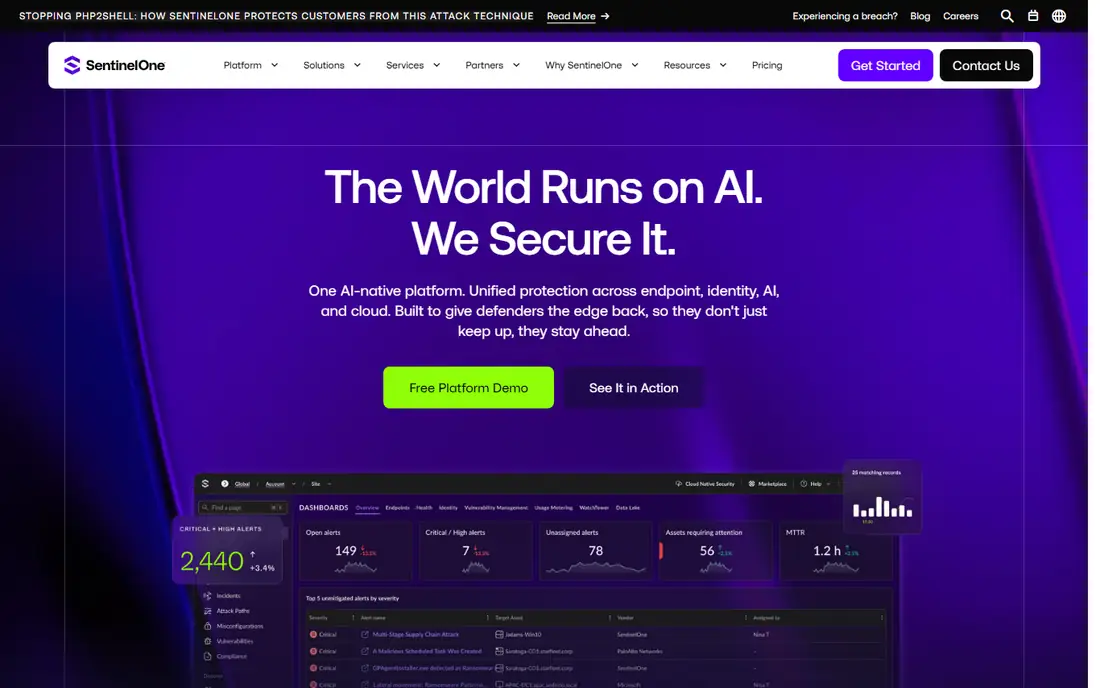
SentinelOne Singularity stands out for autonomous response. Its on-device AI can detect and stop threats without waiting for a cloud verdict, which helps laptops that work offline or on poor connections. When ransomware encrypts files, the rollback feature can restore them without a full backup restore, which shortens recovery time.
Core, at $69.99 per endpoint per year, covers prevention and basic detection, while Control, at $79.99, adds device and firewall control, and Complete, at $179.99, adds full EDR and XDR, rollback, and AI assistance. That tier gap matters: buyers who price Core and expect full XDR will be disappointed. Pick SentinelOne when autonomous response and offline protection matter more than the lowest entry price.
What we like- On-device AI works even when offline
- One-click ransomware rollback restores encrypted files
- Storyline gives a clear forensic timeline
Watch out for- No free plan, only trials and demos through sales
- Full XDR features need the Complete tier at $179.99 per endpoint per year

#3Microsoft Defender XDR
Best for: Microsoft 365 environments4.5/5 on
G2 (288 reviews, checked Oct 2026)
Visit microsoft.com
Starting price$5.20 per user/month
Free planFree trial (30 days)
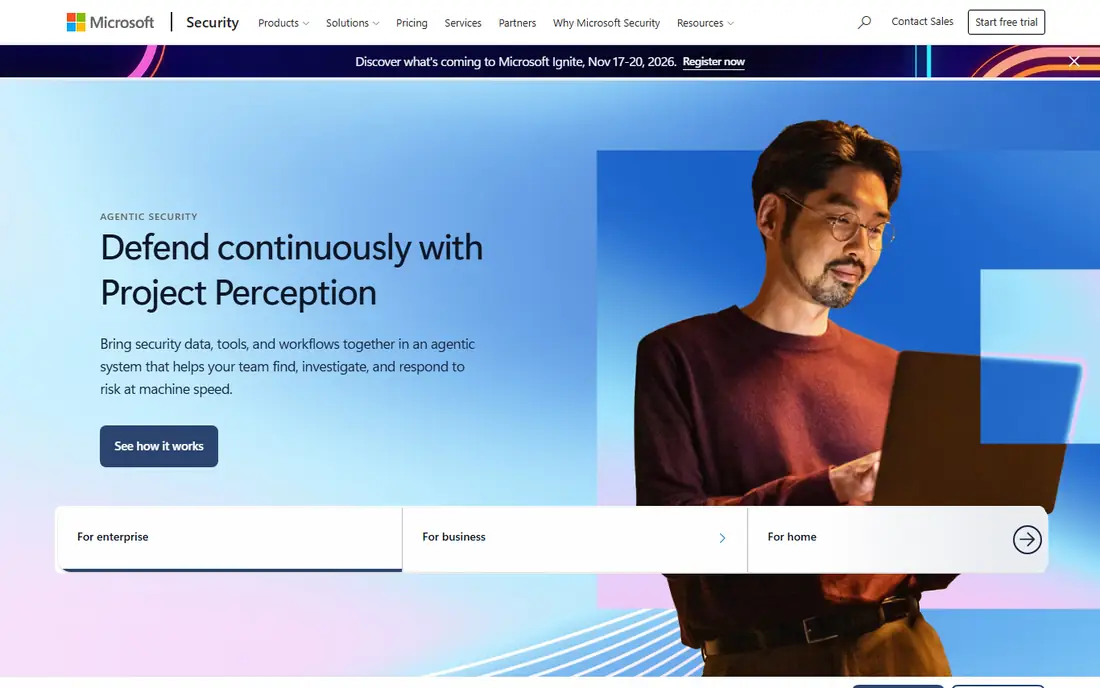
Microsoft Defender XDR fits teams that already live in Microsoft 365. Defender for Endpoint Plan 2, at $5.20 per user per month standalone, provides full endpoint detection and response, while Plan 1, at $3.00, covers basic protection only. Many teams already have Defender through Microsoft 365 Business Premium or E5, which makes the extra cost close to zero.
The platform links endpoint, email, identity, and cloud app signals in the Microsoft 365 Defender portal, and automated investigation can contain devices and remediate threats without waiting for an analyst. The catch is scope: teams with many Mac, Linux, or non-Microsoft tools still get coverage, but the smoothest experience stays inside Microsoft. Start here if you run Microsoft 365, and compare the other vendors only if Defender leaves a clear gap.
What we like- Deep integration with Windows, Microsoft 365, Entra ID, and Office apps
- Automated investigation and remediation reduces manual triage
- Often already licensed through Microsoft 365 bundles
Watch out for- Deepest value is on Windows and Microsoft 365
- Standalone pricing is confusing across bundles and add-ons
Starting priceSee website
Free planFree trial (30 days)
Palo Alto Cortex XDR is built for teams that already trust Palo Alto for network security. It pulls endpoint, network, and cloud data together, correlates alerts into incidents, and gives analysts tools to trace an attack across systems. That cross-domain view is the core promise of XDR, and it works best when the data sources already come from the same vendor family.
Pricing is quote-only, which makes early comparison harder. A team that buys Cortex XDR without Palo Alto firewalls or cloud tools may pay for integration work that a Palo Alto shop gets almost for free. Choose Cortex XDR when your network and cloud already run on Palo Alto, and run a proof of concept on your own incident data before you sign a multi-year deal.
What we like- Links network, endpoint, and cloud signals in one console
- Strong analytics and investigation tools
- Fits teams already using Palo Alto firewalls
Watch out for- No public list price, so budgeting needs a quote
- Best value appears only with other Palo Alto products

#5Trend Micro Vision One
Best for: Broad multi-layer protection4.7/5 on
G2 (251 reviews, checked Oct 2026)
Visit trendmicro.com
Starting priceSee website
Free planFree trial (30 days)
Trend Micro Vision One suits a team that needs protection across many layers without buying a separate tool for each one. It links endpoint, email, server, network, and cloud signals, scores risk, and gives analysts a single place to investigate. That breadth helps mid-sized teams that lack a large SOC but still face phishing, malware, and cloud misconfigurations.
The downside is opacity on price and complexity in the console. Small teams should test whether they can actually run the investigations Vision One surfaces, or whether they need a managed service on top. Pick Vision One when you want broad layer coverage from one vendor and you have staff to work its console, not just to install its agent.
What we like- Covers endpoint, email, network, and cloud layers
- Central console with risk scoring and investigation views
- Strong fit for teams with mixed environments
Watch out for- No public list price
- Console depth can overwhelm small teams

#6Sophos Intercept X with XDR
Best for: SMBs on the Sophos stack3.9/5 on
G2 (35 reviews, checked Oct 2026)
Visit sophos.com
Starting priceSee website
Free planFree trial (30 days)
Sophos Intercept X with XDR is a practical choice for small and mid-sized businesses that already use Sophos. It pairs endpoint protection, including anti-ransomware and exploit prevention, with XDR correlation across endpoint, firewall, email, and cloud sources. The console is more approachable than some enterprise platforms, which helps a lean IT team.
Pricing is quote-only, so get a written quote for your endpoint count and term before comparing it with published CrowdStrike or SentinelOne prices. Teams without Sophos firewalls still get endpoint XDR, but they miss some cross-domain signals. Choose Sophos when your team is small, your Sophos footprint is already in place, and you want a managed option without hiring analysts.
What we like- Combines endpoint protection with XDR correlation
- Good fit for small and mid-sized teams
- Managed detection and response option for lean teams
Watch out for- No public list price
- Full value depends on Sophos firewall and email tools for some signals

#7Cynet
Best for: Lean teams wanting XDR plus MDR4.7/5 on
G2 (261 reviews, checked Oct 2026)
Visit cynet.com
Starting priceSee website
Free planFree trial
Cynet is built for the team that knows it needs XDR but cannot staff a SOC. It combines extended detection across endpoints, networks, and users with a managed detection and response service that watches and responds around the clock. That pairing is the main reason lean teams shortlist Cynet, because buying XDR alone still leaves nights and weekends uncovered.
The trade-off is vendor size and price transparency. Cynet publishes no list price, so budgeting needs a quote, and its ecosystem is smaller than the largest vendors. Run a trial on your real endpoints, test the MDR response time, and check how Cynet handles your existing firewall and identity tools. Pick Cynet when managed coverage matters more than brand size.
What we like- XDR plus built-in 24/7 managed detection and response
- Single console for endpoint, network, and user signals
- Designed for teams without a full SOC
Watch out for- No public list price
- Smaller vendor footprint than CrowdStrike or Microsoft

#8Cisco XDR
Best for: Cisco security suite customers4.7/5 on
G2 (3 reviews, checked Oct 2026)
Visit cisco.com
Starting priceSee website
Free planFree trial (30 days)
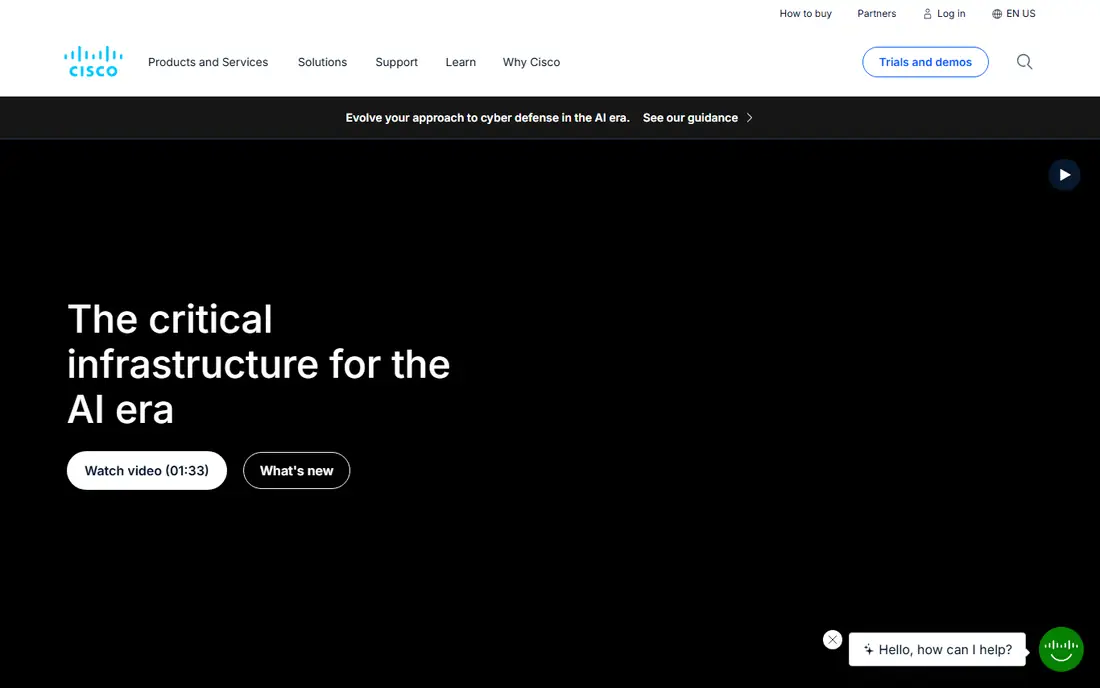
Cisco XDR fits organizations that already run Cisco networking and security products. It correlates signals from Cisco Secure tools and selected third-party sources, giving analysts a view that starts with network context and extends to endpoints and cloud. For a Cisco shop, that network-first view can reveal attacks that endpoint-only tools miss.
As with other enterprise XDR tools here, pricing is quote-only, and the value drops if you run few Cisco security products. A team that buys Cisco XDR as a standalone endpoint tool will pay enterprise prices for a partial fit. Choose Cisco XDR when your network, firewall, and email security already come from Cisco, and you want one investigation console across them.
What we like- Links Cisco Secure products plus third-party sources
- Strong network visibility from Cisco infrastructure
- Investigation and response tools in one console
Watch out for- No public list price
- Best value appears only with a broad Cisco security footprint
How we chose
We compared vendor pricing pages, product documentation, and public reviews on G2, Capterra, and Reddit, and we checked each tool for true cross-domain correlation, not just endpoint detection with a new name. We favored a mix of published-price vendors and quote-only enterprise vendors, because that mix reflects how buyers actually shop in this category. Prices shown are current public list prices, and where a vendor publishes no list price, we wrote See website instead of inventing a figure.
How to run an XDR shortlist that holds up
Match the tool to the stack you already own
Your existing stack should decide the first shortlist. Microsoft 365 teams start with Defender, Palo Alto teams start with Cortex, Cisco teams start with Cisco XDR, and Sophos teams start with Intercept X. A best-of-breed tool can still win, but it must beat the stack-native option on detection, response time, and total cost, not just on a demo.
Test on your own incidents, not vendor demos
Run a proof of concept with real endpoints, real email, and real identity data, and measure time to detect, time to contain, and analyst effort per incident. Check offline behavior, rollback, and managed response, and ask what happens when the cloud console is unreachable. A vendor demo shows the best path; your own data shows the normal path.
Price the full term, including MDR and retention
Get written quotes for your endpoint count, term length, data retention, and any managed service, because multi-year discounts and renewal rises change the total. Ask what tier actually includes XDR, what counts as an endpoint, and what happens to data at the end of the contract. The cheapest entry tier rarely includes the full XDR feature set.
Frequently asked questions
What is the difference between EDR and XDR?
EDR focuses on endpoints: laptops, servers, and workstations. XDR extends that view to email, identity, network, and cloud signals, then links them into one incident. If you only have endpoints, EDR may be enough. If attacks cross email and identity before reaching an endpoint, XDR adds real value.
Do I need XDR if I already have antivirus?
Antivirus blocks known malware, while XDR detects, investigates, and responds to attacks that get past prevention. Most teams need both layers: prevention to stop common threats, and detection with response for the attacks that slip through. XDR does not replace patching, firewalls, or access controls.
Why do most XDR vendors hide their prices?
XDR pricing depends on endpoint count, data sources, retention, term length, and managed services, so vendors quote per deal. That makes comparison harder, but it also means negotiation matters. Get competing quotes for the same endpoint count and term, and ask for the renewal price in writing.
Is Microsoft Defender XDR enough for a small business?
For a Microsoft 365 small business, Defender often is enough, especially when it is already included in a bundle. It covers endpoint detection, email, and identity signals in one portal. A small team should add managed response only if no one can watch alerts outside business hours.
How long does XDR deployment take?
Agent deployment can take days for a small estate and weeks for a large one, but tuning, data connections, and response playbooks take longer. Plan extra time for identity and email integration, because those signals decide whether XDR links incidents or just adds another console. A phased rollout, starting with endpoints, reduces risk.
Should a lean team buy XDR or MDR?
A lean team often needs both: XDR for the technology and MDR for the people watching it. Cynet, Falcon Complete, and Sophos MDR bundle both parts, while other vendors sell MDR as an add-on. If no one on your team can respond at night, a managed service matters more than a small feature gap between XDR platforms.
Sources we checked (8)
- https://crowdstrike.com/pricing
- https://sentinelone.com
- https://microsoft.com/security/pricing
- https://paloaltonetworks.com/cortex
- https://trendmicro.com
- https://sophos.com
- https://cynet.com
- https://cisco.com
Is your product missing or out of date?
We review this list regularly. Vendors can request a listing, send updated pricing or ask about featured placement.

Shihab Mia · Founder, Rankite
Shihab has 5+ years in B2B and SaaS SEO. He writes Rankite's software buying guides from pricing pages, documentation and public user reviews. More about Shihab.
 Palo Alto Cortex XDR