How we make this list: we compare pricing pages, product documentation and public user reviews. Rankite is independent; if a vendor ever pays for a featured spot, that listing is clearly labeled Partner.
Key takeaways
- Shopify and BigCommerce offer nonprofit pricing and the scale for serious nonprofit stores.
- WooCommerce gives nonprofits full control on WordPress with no platform fees.
- Bonfire lets nonprofits sell merch with zero inventory through fundraising campaigns.
- Givebutter and GoFundMe Pro, formerly Classy, combine fundraising with commerce features.
- Wix, Squarespace and Ecwid suit small nonprofits that need a simple store alongside their site.
Nonprofits sell online for fundraising: merch, event tickets, donations-as-products and cause commerce. The best platforms offer nonprofit discounts, donation integrations and low fees. These nine cover full ecommerce plus fundraising commerce.
Quick comparison
| Tool | Best for | Starting price | Free plan |
|---|
 Shopify Shopify | Serious nonprofit stores | See website | Free trial |
 WooCommerce WooCommerce | WordPress nonprofits | Free | Yes |
 BigCommerce BigCommerce | Scaling nonprofit commerce | See website | Free trial |
 Bonfire Bonfire | Merch fundraising, no inventory | Free | Yes |
 Givebutter Givebutter | Fundraising with commerce | Free | Yes |
 GoFundMe Pro GoFundMe Pro | Nonprofit fundraising platform | See website | No |
 Wix Wix | Simple nonprofit stores | See website | Free trial |
 Squarespace Squarespace | Beautiful nonprofit sites with shop | See website | Free trial |
 Ecwid Ecwid | Add-a-store simplicity | See website | Yes |
Is your product missing or out of date?
We review this list regularly. Vendors can request a listing, send updated pricing or ask about featured placement.
Starting priceSee website
Free planFree trial

Shopify offers nonprofit pricing plans and a massive ecosystem: donation apps, fundraising integrations and everything a real store needs. Nonprofits selling merch at volume get enterprise-grade commerce.
Costs add up with apps and fees. For nonprofits where commerce is a real revenue line, the investment pays.
Shopify nonprofits should apply for the nonprofit pricing and use the donate-now apps rather than hacking product pages. The abandoned cart recovery works for donation pages too. Keep the theme simple and mission-focused.
What we like- Nonprofit pricing available
- Huge app ecosystem
- Donation apps
Watch out for- Monthly cost plus transaction fees
- Overkill for tiny shops
Starting priceFree
Free planYes
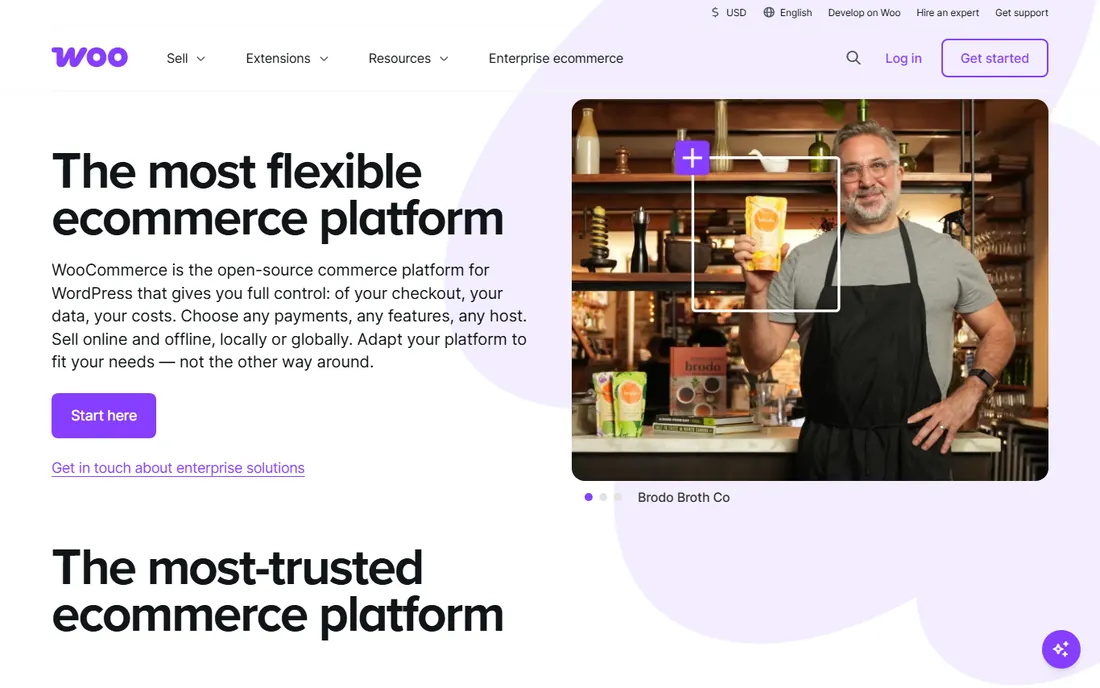
WooCommerce turns any WordPress site into a store free, with donation and fundraising plugins everywhere. Nonprofits keep full control and avoid platform fees beyond payment processing.
You own the maintenance. WordPress-based nonprofits that want commerce without subscriptions should start here.
WooCommerce nonprofits should budget for hosting and maintenance honestly; free software has real running costs. The GiveWP plugin handles donations properly alongside the store. Keep plugins minimal to reduce security exposure.
What we like- Free core
- Full ownership
- Donation plugins abundant
Watch out for- You manage hosting and updates
- Setup effort
Starting priceSee website
Free planFree trial
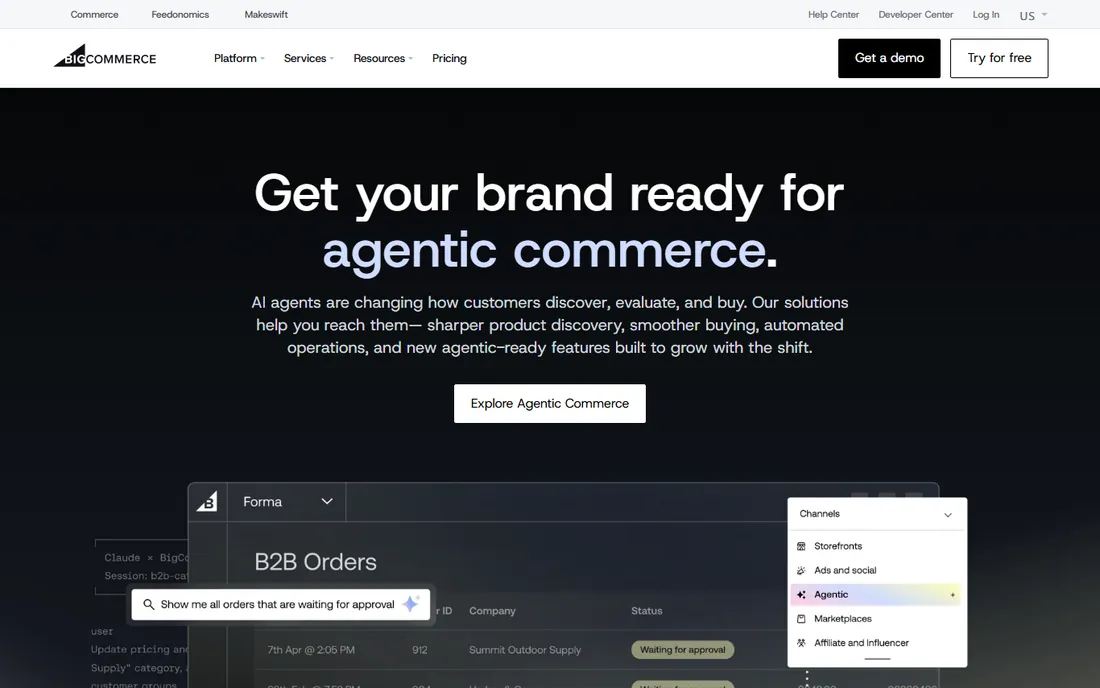
BigCommerce packs enterprise commerce features, multi-channel selling and strong SEO, with options for nonprofits. Growing nonprofit retailers get room to scale.
Small gift shops may find it heavy. For nonprofits outgrowing basic stores, it is a strong step up.
BigCommerce nonprofits should negotiate the nonprofit terms directly; the published pricing is not the final word. The no-transaction-fee model helps high-volume merchandise sales. Use the API for custom donation flows.
What we like- Powerful built-in features
- Nonprofit options
- No transaction fees on many plans
Watch out for- Complexity for small shops
- Pricing for growth
Starting priceFree
Free planYes
Bonfire lets nonprofits design merch, launch a campaign, and collect profit per item sold with no inventory. It is fundraising through t-shirts, hoodies and more, purpose-built for causes.
You are limited to their product catalog. For campaign-based merch fundraising, the zero-risk model is ideal.
Bonfire users should design campaigns around stories, not just graphics; the emotional connection drives sales. Launch with an email list ready, since campaigns need initial momentum. The zero-platform-fee model is genuinely generous.
What we like- Zero inventory or upfront cost
- Built for cause campaigns
- Easy launch
Watch out for- Product range limited to merch
- Margins per item modest
Starting priceFree
Free planYes
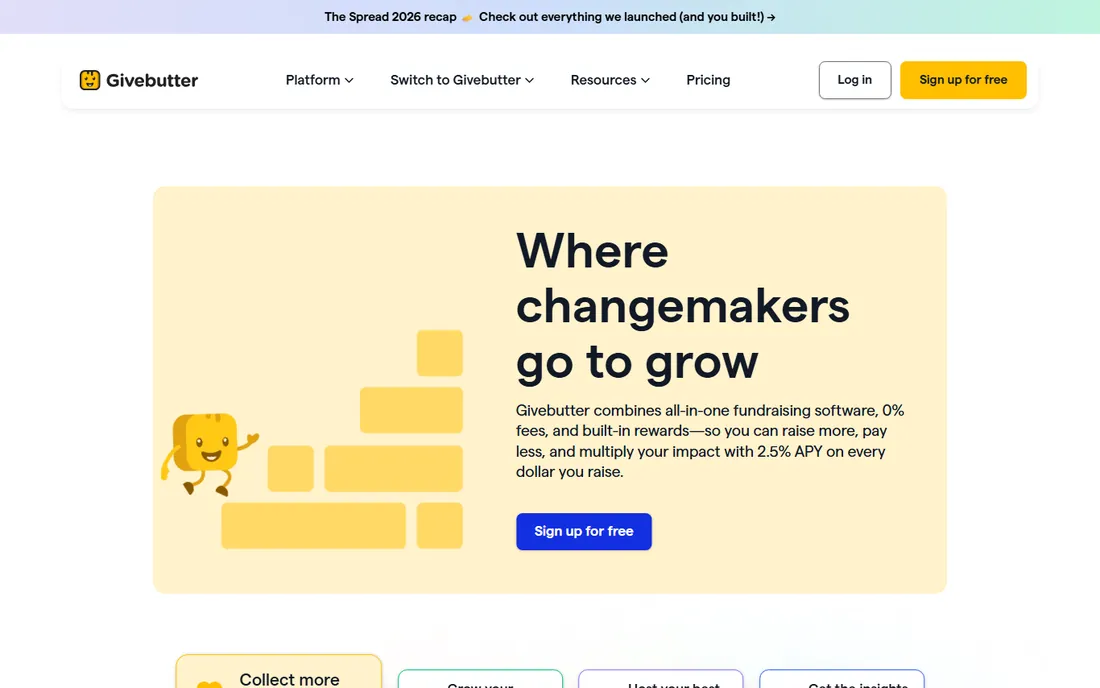
Givebutter is a free nonprofit fundraising platform with auctions, event ticketing, donation pages and basic commerce. The modern interface delights donors and organizers alike.
It is fundraising-first, not a full store. Nonprofits centering donations with some merch get an excellent free platform.
Givebutter nonprofits should consolidate fundraising pages onto the platform to simplify donor management. The free pricing means trying costs nothing. Use the CRM features to build donor relationships, not just collect donations.
What we like- Free fundraising platform
- Auctions, ticketing and donation forms
- Modern UX
Watch out for- Commerce features lighter than full stores
- Tip-based model
Starting priceSee website
Free planNo
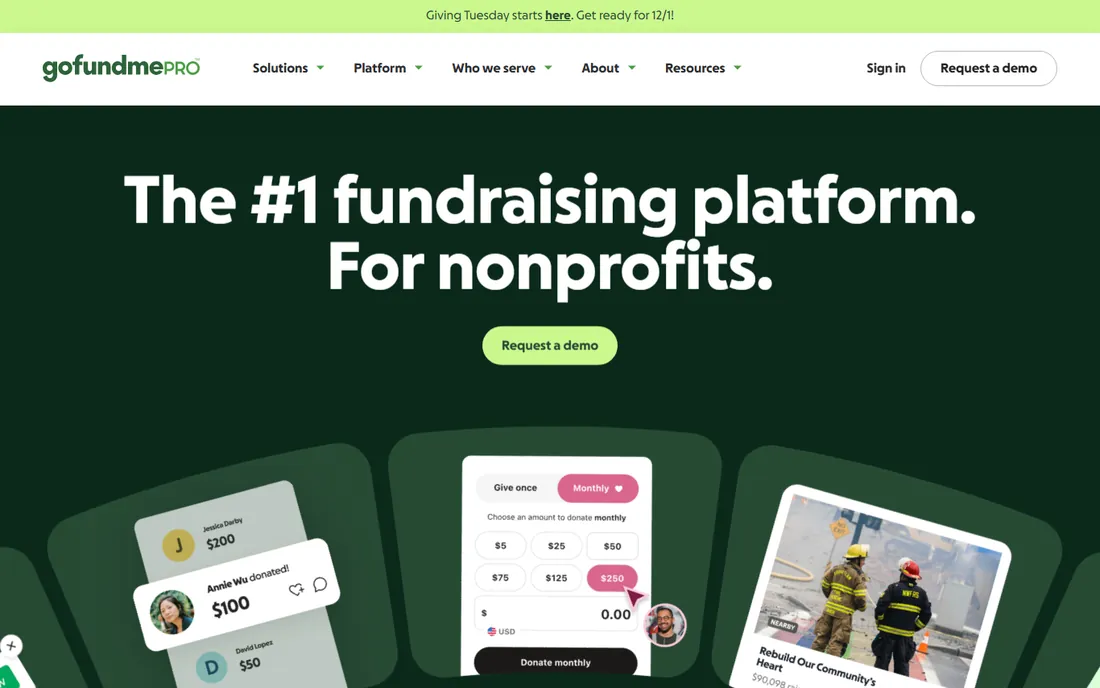
GoFundMe Pro, formerly Classy before its acquisition by GoFundMe, is the enterprise nonprofit fundraising platform: peer-to-peer campaigns, events and donor management at scale. Larger nonprofits run serious programs on it.
Pricing targets larger organizations. For nonprofits where fundraising operations matter more than a storefront, it leads.
GoFundMe Pro organizations should use the full fundraising suite, not just donation pages; events and peer-to-peer multiply results. The Classy heritage shows in the feature depth. Train the team on the reporting to prove ROI.
What we like- Enterprise fundraising suite
- Peer-to-peer and events
- Trusted brand
Watch out for- Enterprise pricing
- Commerce is secondary to fundraising
Starting priceSee website
Free planFree trial
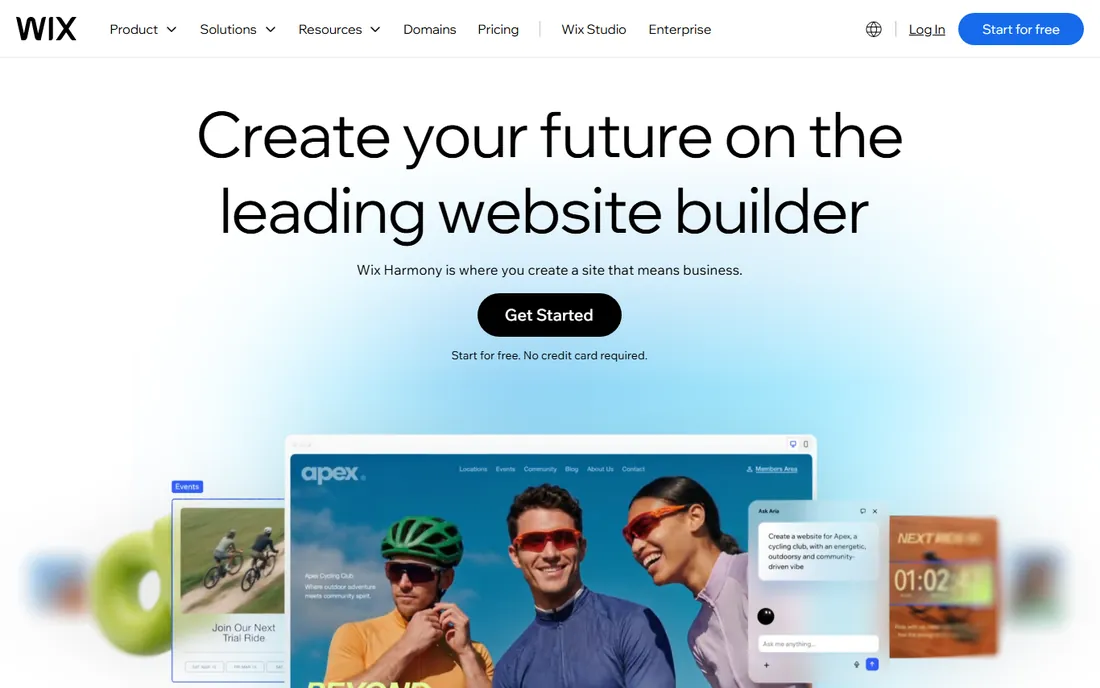
Wix gives small nonprofits a website and store in one easy builder, with nonprofit discounts available. Donation buttons and simple product sales cover basic needs.
Serious commerce outgrows it. For small nonprofits wanting one simple platform, it works.
Wix nonprofits should pick a template and customize lightly; the designs work best unmodified. The donation features cover basic needs without plugins. Keep the site focused on the mission story.
What we like- Easy drag-and-drop
- Nonprofit pricing
- Site plus store in one
Watch out for- Ecommerce depth thinner
- Transaction fees
Starting priceSee website
Free planFree trial
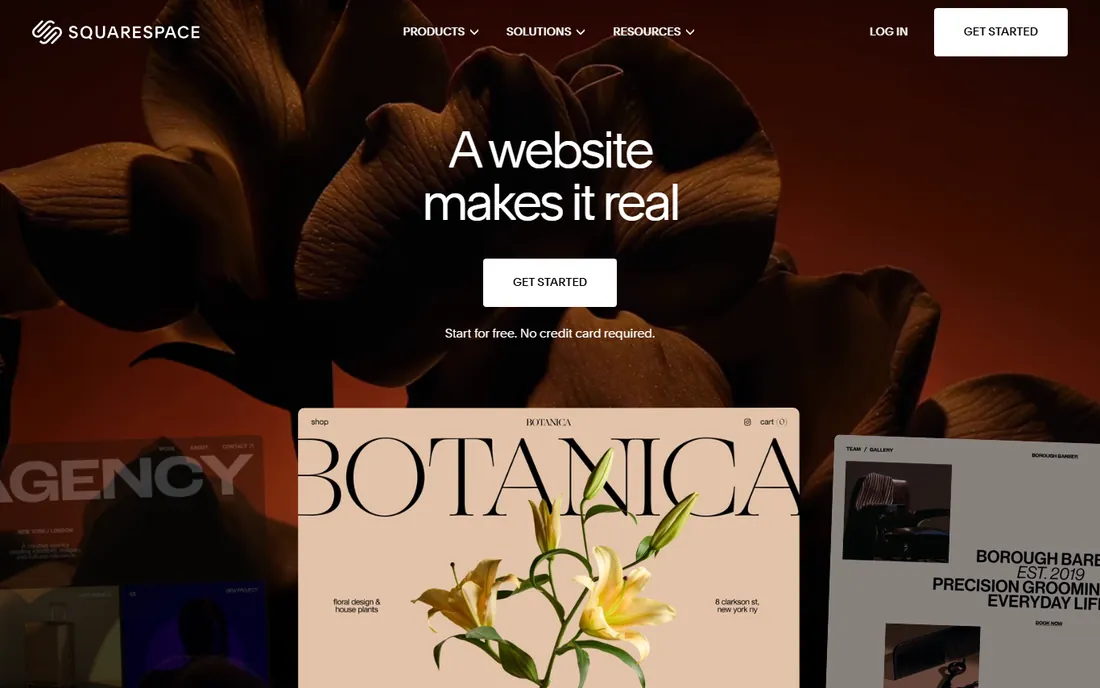
Squarespace's beautiful templates include donation blocks and simple commerce, suiting nonprofits where design matters. The all-in-one simplicity appeals to small teams.
Advanced commerce needs more. Design-conscious nonprofits with modest selling get elegance affordably.
Squarespace nonprofits should use the built-in donation blocks rather than third-party workarounds. The visual quality helps smaller organizations look established. Connect email marketing early for donor nurturing.
What we like- Beautiful templates
- Donation blocks
- Simple commerce
Watch out for- Ecommerce features basic
- Less nonprofit-specific
Starting priceSee website
Free planYes
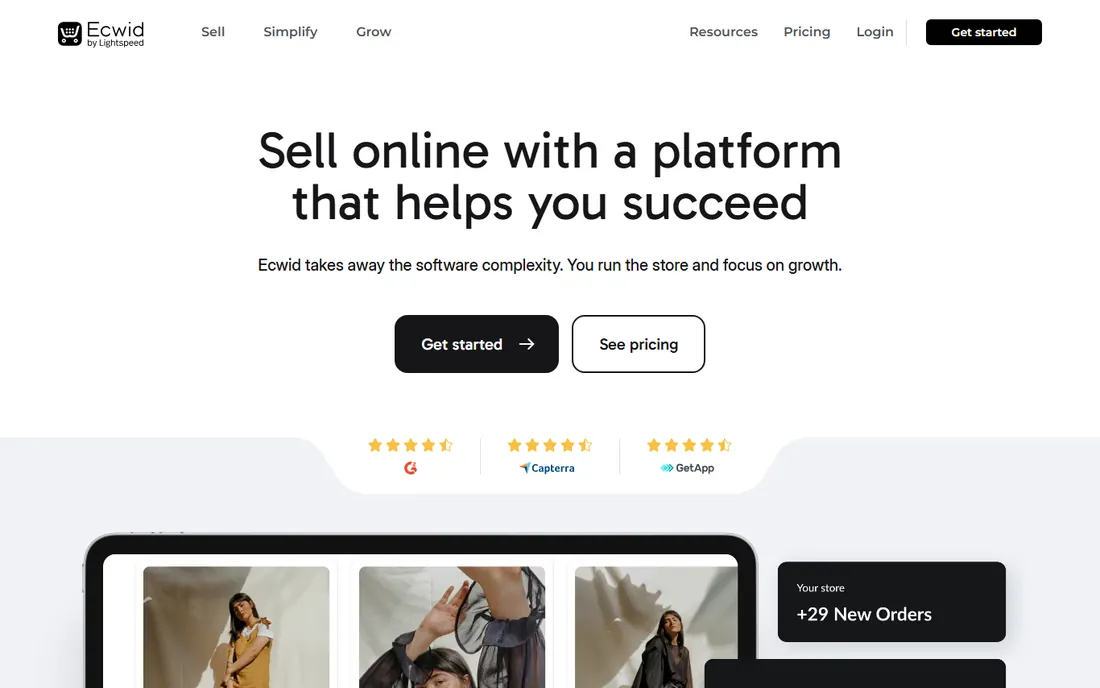
Ecwid adds a store to any existing nonprofit website with a free plan covering basic selling. Organizations that will not rebuild their site get commerce fast.
Customization is limited. For adding simple selling to an existing site free, it is the pragmatic choice.
Ecwid nonprofits should embed the store into the existing website rather than rebuilding; the widget approach saves months. The free tier tests the concept before committing. Sync inventory carefully if selling physical goods.
What we like- Free plan
- Embeds in any website
- Quick setup
Watch out for- Design control limited
- Advanced features paid
How we chose
We verified each vendor's homepage and current branding, noting Classy's transition to GoFundMe Pro. We kept platforms nonprofits actually use for commerce and fundraising commerce, weighing nonprofit pricing, donation support and ease. Free plan status comes from vendor sites.
What to get right before you buy
Ask about nonprofit pricing. Shopify, Wix and others discount for registered nonprofits; always ask before paying list price.
Separate donations from commerce. Donation platforms and stores solve different problems; many nonprofits need both, integrated.
Check the fee stack. Platform fees plus payment processing plus app costs determine real margins; model a typical month.
Frequently asked questions
Do ecommerce platforms offer nonprofit discounts?
Yes. Shopify, Wix and others offer nonprofit pricing; payment processors like Stripe and PayPal also discount for nonprofits.
What is the cheapest way for a nonprofit to sell merch?
Bonfire with zero upfront cost, or WooCommerce on your existing WordPress site. Both avoid platform subscriptions.
Can nonprofits accept donations through Shopify?
Yes, via donation apps and integrations. Dedicated fundraising platforms handle donations more elegantly, but Shopify works.
What happened to Classy?
Classy was acquired by GoFundMe and now operates as GoFundMe Pro at pro.gofundme.com.
Should my nonprofit use a store or a fundraising platform?
Use a fundraising platform for donations, campaigns and events; add a store for ongoing merch sales. Many nonprofits run both.
How do taxes work for nonprofit sales?
Unrelated business income rules vary; consult a nonprofit accountant. Platform choice does not change tax obligations.
Nonprofit ecommerce: donations plus merchandise done right
Nonprofit online stores serve two masters: fundraising and mission. The donation flow deserves priority treatment: one-click amounts, monthly giving options and minimal form fields. Every extra field costs donations. Test the donation experience on mobile personally, since most donors give from phones.
Merchandise should advance the mission, not just raise money. Branded apparel turns supporters into walking advertisements; the margin matters less than the visibility. Price merchandise for accessibility rather than maximum profit, and tell the story of what each purchase supports. Donors buy meaning, not products.
Keep the accounting clean from the start. Merchandise revenue, donations and program income have different tax and reporting implications. Your platform should tag revenue types clearly, and your bookkeeper should reconcile them separately. Year-end reporting gets painful when income types are mixed.
Also, mind the fee stack. Platform fees, payment processing and app subscriptions each take a cut; calculate the true cost per donated dollar annually. Free platforms with tips models can cost more than flat-fee alternatives at scale. Negotiate nonprofit rates everywhere; most vendors offer them.
Finally, integrate fundraising with communications. Post-purchase emails, donor welcome sequences and campaign updates turn one-time buyers into recurring supporters. The platforms on this list connect to email tools; the nonprofits that use those connections raise more. Ecommerce is a donor acquisition channel, so treat it as one.
Tax receipts and compliance for nonprofit stores
Nonprofit ecommerce creates tax obligations that need attention. Start with donation receipts: donors need proper acknowledgment for tax purposes, including the organization name, donation amount and date, and a statement about goods or services received. Automate compliant receipts from day one.
Merchandise sales differ from donations legally. Buyers of t-shirts are customers, not donors, and the tax treatment follows. Keep the accounting strictly separated: donation revenue and merchandise revenue tracked independently. Year-end reporting depends on this separation.
Watch for unrelated business income tax. Regular merchandise sales can trigger UBIT obligations if the activity is not substantially related to the mission. Occasional fundraising sales usually qualify for exceptions, but ongoing commercial operations need review. Consult a nonprofit tax advisor as sales grow.
Sales tax applies to merchandise in most states regardless of nonprofit status. The exemption many nonprofits hold covers purchases, not sales. Register where required and collect properly; the platforms on this list support tax calculation.
Finally, state charitable solicitation registration still applies to online fundraising. Selling nationally can trigger registration requirements in multiple states. The compliance burden grows with reach, so factor it into expansion plans.
Choosing product suppliers ethically
Nonprofit merchandise carries reputational weight, so supplier choice matters. Start with labor standards: fair wages, safe conditions and no child labor. Ask suppliers directly; reputable ones answer readily. Certifications like Fair Trade provide verification.
Consider environmental impact alongside cost. Organic cotton, recycled materials and minimal packaging align merchandise with mission values. Supporters notice the alignment, or the lack of it. A cause selling exploitative products invites criticism.
Buy from mission-aligned suppliers when possible. Social enterprises and fellow nonprofits as vendors multiply the impact of every dollar. The story of who made the products becomes part of the fundraising narrative.
Balance ethics with economics honestly. Ethical sourcing costs more, which means lower margins or higher prices. Model both and choose deliberately. Many supporters pay premium prices happily when they understand the reasons.
Finally, visit or video-call key suppliers periodically. Relationships beat paperwork for accountability. Long-term supplier partnerships improve quality and terms over time. The supply chain is part of the mission story, so manage it as one.
Sources we checked (9)
- https://www.shopify.com/
- https://woocommerce.com/
- https://www.bigcommerce.com/
- https://www.bonfire.com/
- https://givebutter.com/
- https://pro.gofundme.com/
- https://www.wix.com/
- https://www.squarespace.com/
- https://www.ecwid.com/
Is your product missing or out of date?
We review this list regularly. Vendors can request a listing, send updated pricing or ask about featured placement.

Shihab Mia · Founder, Rankite
Shihab has spent more than a decade helping SaaS and e-commerce brands grow through search. He writes Rankite's software buying guides from pricing pages, documentation and public user reviews. More about Shihab.