How we make this list: we compare pricing pages, product documentation and public user reviews. Rankite is independent; if a vendor ever pays for a featured spot, that listing is clearly labeled Partner.
Key takeaways
- Serato DJ Pro is free and remains the turntablist and hip-hop standard, with the deepest DVS and battle-mixer support.
- Club DJs should learn rekordbox (free, Core $9.99/month): it is the Pioneer DJ ecosystem language that CDJs speak.
- VirtualDJ ($19/month or $299 one-time) is the most flexible all-rounder, with unmatched controller support and video mixing.
- Budget pick: Mixxx is free and open source and covers real gigs; Traktor Pro 4 ($149 one-time) is the one-time-purchase pro option.
Quick comparison
| Tool | Best for | Starting price | Free plan |
|---|
 Serato DJ Pro Serato DJ Pro | Turntablists, hip-hop and open-format DJs | Free | Yes |
 rekordbox rekordbox | Club DJs on Pioneer DJ gear | Free (Core plan $9.99/month) | Yes |
 VirtualDJ VirtualDJ | Mobile DJs wanting maximum flexibility | $19/month or $299 one-time (Pro) | Yes (non-professional use) |
 Traktor Pro 4 Traktor Pro 4 | Techno and house DJs who want deep control | $149 one-time | Free trial |
 djay Pro djay Pro | iPad and casual DJs, streaming-first sets | $49.99/year | Free tier |
 Engine DJ Engine DJ | Denon DJ hardware owners | Free | Yes |
 Mixxx Mixxx | DJs who want free, open-source software | Free | Yes |
 Cross DJ Cross DJ | Beginners wanting a simple paid app | $49.99 one-time | Free trial |
Is your product missing or out of date?
We review this list regularly. Vendors can request a listing, send updated pricing or ask about featured placement.
The best DJ software
Blunt opinion: the software matters less than the hardware it talks to. A DJ app is a controller translator with a good library manager attached. Pick the one that natively supports your controller or the club standard you will actually play on, then learn it deeply. These eight are the ones worth considering.
#1
Serato DJ Pro
Best for: Turntablists, hip-hop and open-format DJs
Visit serato.com
Starting priceFree
Free planYes
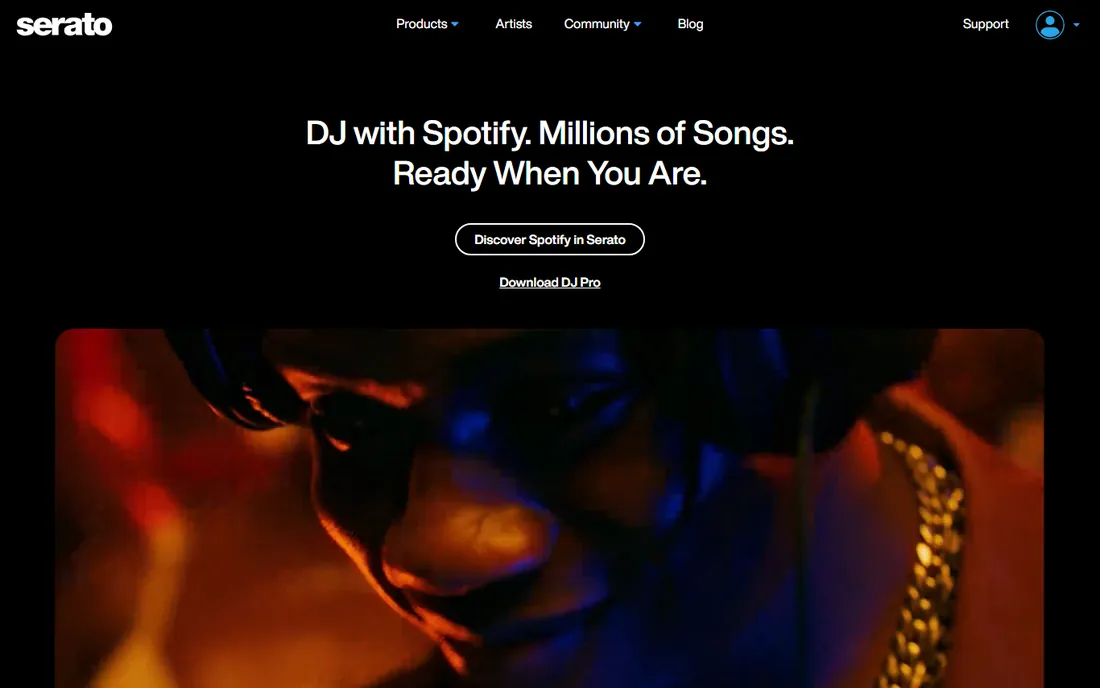
Serato DJ Pro became free and stayed the standard for a certain kind of DJ. Turntablists, battle DJs and open-format club DJs run it because the DVS tracking is the tightest in the business and the hardware support list is enormous: Rane, Pioneer DJ, Numark and Denon mixers all enable it natively. Stems separation, Flip and Pitch 'n Time expansions arrive through the Suite subscription, but the core mixing app costs nothing.
The honest catch is the library. Serato's crate management is serviceable but dated next to rekordbox, and smart playlists and tagging take manual effort. If your gigs are club CDJs, you will still export to rekordbox. For controller and DVS DJs who mix rather than manage, Serato remains the default answer.
What we like- Free full version with no feature gates on core mixing
- Best-in-class DVS for turntables and CDJs
- Huge hardware support across mixers and controllers
Watch out for- Library management is weaker than rekordbox
- Stems and expansion packs cost extra through the Suite subscription
Starting priceFree (Core plan $9.99/month)
Free planYes
rekordbox is two products: a free preparation tool and a performance app, and the free tier is genuinely usable. Club DJs prepare USBs at home with beat grids, cue points and playlists, then plug into any CDJ setup in the world. The library tools (related tracks, intelligent playlists, My Tag) are the best here for managing 10,000-track collections. Paid Core and Creative plans add DVS, video mixing and cloud sync.
The catch is the ecosystem gravity. rekordbox is at its best with Pioneer DJ hardware, and some features feel deliberately gated to push you toward paid plans or Pioneer controllers. Non-Pioneer controller support exists but trails VirtualDJ's. If you play clubs, learn it regardless of what you mix on at home; the CDJs are not negotiable.
What we like- Native language of Pioneer DJ CDJs and controllers: prepare at home, play anywhere
- Excellent library management with related tracks and tagging
- Free tier covers real preparation and performance
Watch out for- Paid plans gate features like DVS, video and cloud library sync
- Performance mode shines brightest inside the Pioneer ecosystem
Starting price$19/month or $299 one-time (Pro)
Free planYes (non-professional use)
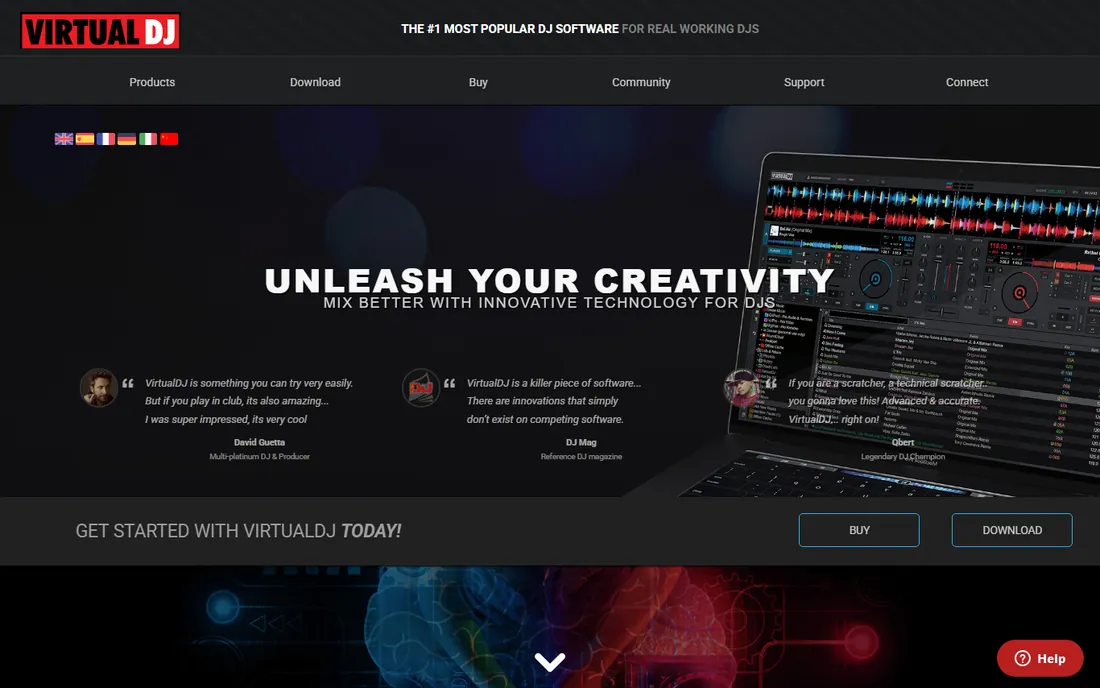
VirtualDJ is the Swiss army knife. It talks to virtually every controller ever made, mixes video, runs karaoke, and integrates streaming services for requests. Mobile and wedding DJs love it because one app handles the ceremony playlist, the video montage and the dance floor. The free version is fully functional for non-professional use, which makes it the best way to learn DJing at zero cost.
The honest catch is the look and the price. The interface packs everything on screen at once, and the $299 one-time Pro license (or $19/month) is the priciest option here. Working club DJs sometimes dismiss it as a mobile-DJ tool, which is unfair but real. If flexibility across weird gigs is your life, nothing else covers as much ground.
What we like- Supports more controllers than everything else combined
- Video mixing, karaoke and streaming integrations built in
- Free for home use with no time limit
Watch out for- The interface looks busy and dated
- The pro license costs more than most competitors' one-time prices
Starting price$149 one-time
Free planFree trial
Traktor Pro 4 is the thinking DJ's tool. The remix decks, stem separation and effects chains reward DJs who build sets rather than play tracks, and the MIDI mapping is the most flexible here: any controller becomes anything. Native Instruments sells it once for $149, and version 4 modernized the stems and added flexible beat grids. The sync engine is famously tight, which matters when you layer four decks.
The catch is the ecosystem. Fewer controllers ship with Traktor mappings, and fewer clubs have it installed, so you bring your own setup everywhere. The learning curve is real: Traktor assumes you want control and gives you all of it at once. For techno, house and creative mixing, it is the connoisseur's pick. For plug-and-play club gigs, it is extra work.
What we like- One-time purchase with no subscription
- Deep remix decks, stems and effects for creative mixing
- Rock-solid sync engine and flexible MIDI mapping
Watch out for- Smaller hardware ecosystem than Serato or rekordbox
- The interface and workflow assume you will learn it properly
Starting price$49.99/year
Free planFree tier
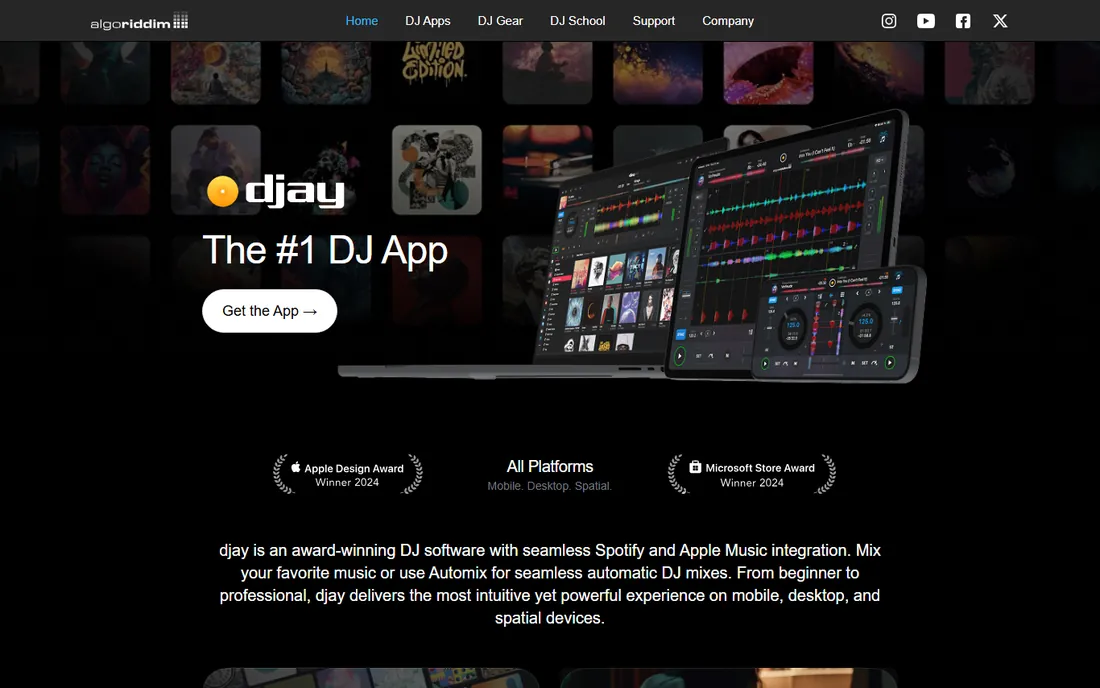
djay Pro is the DJ app for everyone else. The iPad interface is genuinely delightful: multitouch waveforms, intuitive cueing and a layout that makes sense in minutes. Streaming integration means your library is effectively infinite, and the automix features cover background-music gigs respectably. At $49.99 per year it is the cheapest paid path to real DJing.
The honest catch is the ceiling. Working DJs will miss Serato's DVS depth, rekordbox's club compatibility and Traktor's mapping flexibility. Hardware support covers the popular controllers but not the long tail. Buy djay for parties, practice and casual gigs on a tablet. Buy something else when the gigs get serious.
What we like- Best touch interface in the category, designed for iPad
- Streaming service integration for huge on-demand libraries
- Automix and AI features for casual gigs
Watch out for- Subscription-only with fewer pro features than Serato or rekordbox
- Hardware support is narrower
Starting priceFree
Free planYes
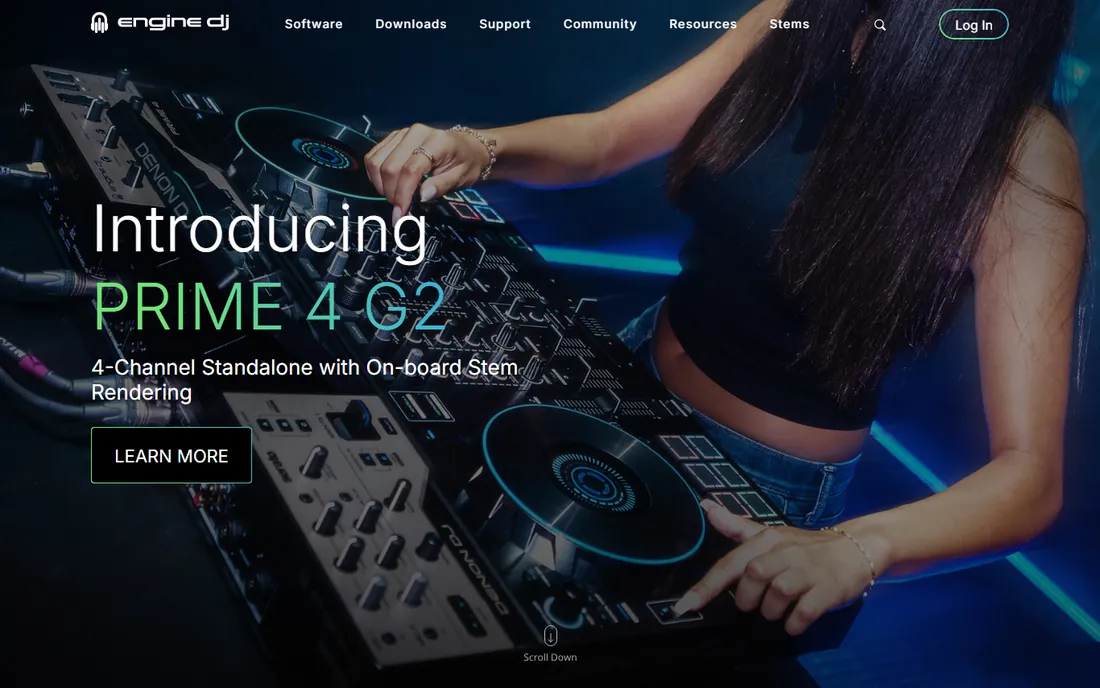
Engine DJ is Denon's answer to rekordbox, and it is free. Prepare your library on the desktop app, export to USB, and play on Prime series players with no laptop on stage. The software handles beat grids, cues and playlists competently, and Denon keeps adding features. For Prime hardware owners, it is not a choice; it is the workflow.
The catch is obvious: without Denon hardware, Engine DJ has no reason to exist. The community is a fraction of Serato's or rekordbox's, so troubleshooting means forums, not YouTube. If you bought into the Prime ecosystem, this is your free, capable companion. Everyone else can skip it.
What we like- Free desktop and OS software for the Denon DJ ecosystem
- Prepares libraries for standalone Prime players with no laptop needed
- Regular feature updates
Watch out for- Only useful with Denon DJ hardware
- Smaller community and fewer tutorials than the big three
Starting priceFree
Free planYes
Mixxx is the open-source DJ app that refuses to die, and it is better than its price suggests. Four decks, DVS support, controller mappings for dozens of devices, key detection and broadcasting all ship free, on every desktop OS including Linux. Development is steady and community-driven. For beginners, students and Linux users, it is a real gigging tool at zero cost.
The honest catch is polish. The interface is utilitarian, stems and video mixing are absent, and the controller mapping process can be fiddly. You get community support, not a help desk. But as a free starting point that can actually play a party, Mixxx has no equal. Learn here, spend later.
What we like- Completely free with no tiers, ads or upsells
- Supports a wide range of controllers and DVS
- Runs on Windows, Mac and Linux
Watch out for- The interface is functional rather than polished
- Fewer advanced features (stems, video) than paid rivals
Starting price$49.99 one-time
Free planFree trial
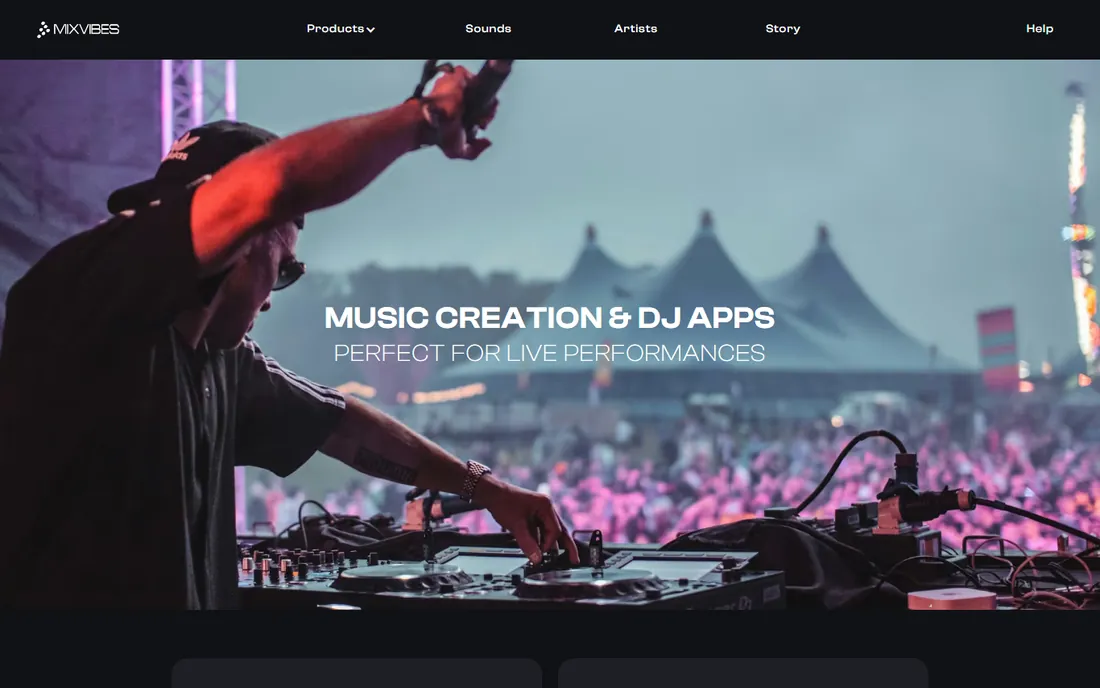
Cross DJ is the quiet beginner pick. The interface shows two decks, a mixer and your library with nothing else competing for attention, and the sync, looping and effects cover everything a first-year DJ needs. At $49.99 one-time, it is cheaper than a year of most subscriptions and never bills again.
The catch is the ceiling and the community. Advanced features are thin, the controller support list is short, and tutorials are scarce compared to Serato or rekordbox. Most users graduate within a year or two. As a low-cost on-ramp with no subscription, though, it does exactly what it promises.
What we like- Clean, simple interface that beginners learn fast
- One-time price with no subscription
- Solid sync, loops and effects for the basics
Watch out for- Smallest ecosystem here: fewer controllers, fewer tutorials, fewer updates
- Advanced DJs will outgrow it quickly
Matching software to your gigs
Club DJs: learn rekordbox, because the CDJs run it and the booth is not the place to argue. Turntablists and open-format DJs: Serato DJ Pro, free and battle-tested. Mobile and wedding DJs: VirtualDJ, because one app doing music, video and karaoke beats three apps. Bedroom producers exploring DJing: Traktor Pro 4 for depth, djay Pro for fun, Mixxx for free.
The hardware question decides more than the feature list. Check the native support list for your controller before falling in love with an app: "MIDI mappable" is not the same as a tested, supported mapping with screens and jog wheel displays working. Serato and rekordbox publish hardware compatibility lists; start there.
Streaming, stems and the modern DJ
Every app here now separates stems (vocals, drums, instruments) in real time, which changed DJing more than any controller. Acapella blends, instrumental transitions and live mashups are standard technique now, and the quality gap between apps is small. What differs is whether stems are included or paid: Serato gates them behind the Suite, rekordbox includes basics with paid tiers, VirtualDJ bundles them in Pro.
Streaming integration is the other shift. djay Pro and VirtualDJ pull tracks from streaming services for requests and discovery, which is magic for mobile gigs and useless in clubs with no Wi-Fi. Note the fine print: streamed tracks usually cannot be recorded, and offline lockers have limits. For paid gigs, own your core library as files; stream the requests.
How we chose
We started with the searches DJs actually run: DJ software, Serato vs rekordbox, free DJ software and Traktor alternative. For each candidate we checked the vendor's own pricing page, confirmed the product is current and maintained, and compared controller support, DVS, library management and price model against public reviews and practitioner discussion on Reddit and DJ forums. Where a price could not be verified on the vendor's page, we wrote "See website" rather than guessing.
Frequently asked questions
What is the best free DJ software?
Serato DJ Pro and Mixxx. Serato is free with pro-grade DVS and hardware support; Mixxx is free and open source with no tiers at all. rekordbox's free tier is excellent for preparation. Start with Serato if you have a supported controller, Mixxx if you want zero strings attached.
Do I need a controller to start DJing?
No. Every app here works with keyboard and mouse, and djay Pro on an iPad is genuinely playable by touch. A controller makes it physical and fun, and entry-level controllers from Pioneer DJ, Numark and Hercules cost less than most software licenses used to. Learn the software first, then buy the controller it supports best.
Serato vs rekordbox: which should I learn?
Learn both basics, but prioritize by gig. Club gigs run on Pioneer CDJs, so rekordbox preparation is mandatory. Controller, DVS and turntable gigs favor Serato. Most working DJs maintain libraries in both: prepare in rekordbox for clubs, perform in Serato at home and on supported rigs.
Can I DJ with Spotify or Apple Music?
Not directly anymore: Spotify ended DJ app integrations years ago, and Apple Music does not license to DJ software. djay Pro and VirtualDJ integrate with other streaming services (TIDAL, SoundCloud, Beatport) for DJ use. For reliable gigs, keep your essential tracks as owned files.
What laptop specs do I need for DJ software?
Modest by modern standards: any recent laptop with 8GB of RAM runs Serato, rekordbox, Traktor and VirtualDJ. Stems separation and video mixing benefit from more CPU. The bigger requirement is USB ports and a stable OS: disable auto-updates before gigs, whatever you run.
Is Traktor still relevant in 2026?
Yes, for its audience. Traktor Pro 4's one-time $149 price, deep MIDI mapping and creative deck features keep it alive among techno and house DJs. It is not the club standard and never will be again, but as a creative instrument it has no direct replacement.
Sources we checked (8)
- https://serato.com/dj/pro
- https://rekordbox.com/en/plan/
- https://www.virtualdj.com/buy/index.html
- https://www.native-instruments.com/en/products/traktor/dj-software/traktor-pro-4/
- https://www.algoriddim.com
- https://www.enginedj.com
- https://mixxx.org
- https://www.mixvibes.com
Is your product missing or out of date?
We review this list regularly. Vendors can request a listing, send updated pricing or ask about featured placement.

Shihab Mia · Founder, Rankite
Shihab has spent more than a decade helping SaaS and e-commerce brands grow through search. He writes Rankite's software buying guides from pricing pages, documentation and public user reviews. More about Shihab.