How we make this list: we compare pricing pages, product documentation and public user reviews. Rankite is independent; if a vendor ever pays for a featured spot, that listing is clearly labeled Partner.
Key takeaways
- Workiva is the market leader for connected financial and ESG reporting.
- DFIN ActiveDisclosure and Certent serve SEC filers with different workflow styles.
- Toppan Merrill Bridge suits filers working across US GAAP and IFRS/ESEF.
- Prophix One, Lucanet, and IRIS CARBON cover disclosure within broader finance platforms.
- CoreFiling is the specialist for XBRL and digital regulatory reporting.
What disclosure management software does
Disclosure management software takes companies from raw financial data to filed regulatory reports: drafting 10-Ks and annual reports, tagging numbers in XBRL or Inline XBRL, collaborating on narratives, and submitting to regulators like the SEC or under ESEF rules in Europe.
The "last mile of reporting" is the problem it solves. ERP systems produce the numbers, but turning them into compliant, consistent disclosures across filings, presentations, and sustainability reports requires controlled collaboration, version history, and audit trails that Word and Excel cannot provide.
Pricing is quote-based and scaled on filing complexity and users. Demos are the standard path; trials are rare. Note that ParsePort was acquired by Workiva, so it no longer appears as a standalone option.
Starting priceSee website
Free planNo, demo available
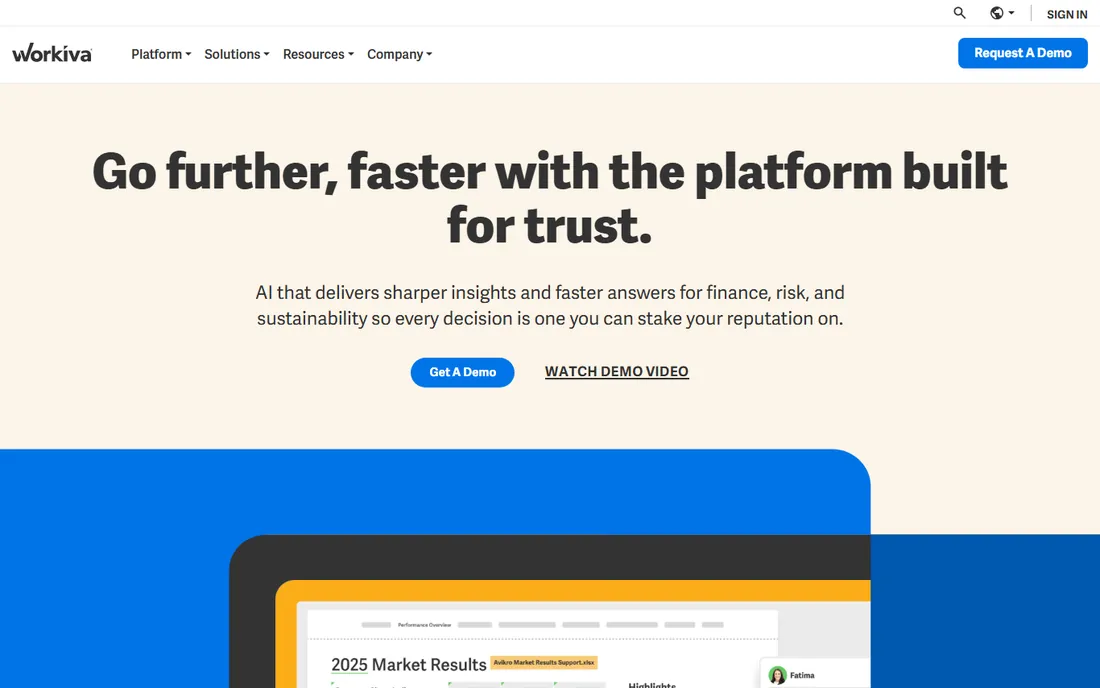
Workiva's cloud platform connects financial data to every report it feeds: SEC filings, annual reports, ESG disclosures, and board presentations all draw from the same linked numbers. Change a figure once and it updates everywhere, which is the core value.
SEC coverage spans 10-K, 10-Q, 8-K, proxy, and more, with Inline XBRL tagging and direct EDGAR filing. The platform's scale, serving most of the Fortune 1000, means deep regulatory expertise baked in.
Pricing is enterprise-grade and implementations need planning. For large or complex filers, the connected approach is the industry standard.
What we like- Market leader with huge customer base
- Connected data across filings
- Strong ESG and GRC extensions
- Dependable XBRL and iXBRL
Watch out for- Enterprise pricing
- Implementation takes time
- Can be more than small filers need
Starting priceSee website
Free planNo, demo available
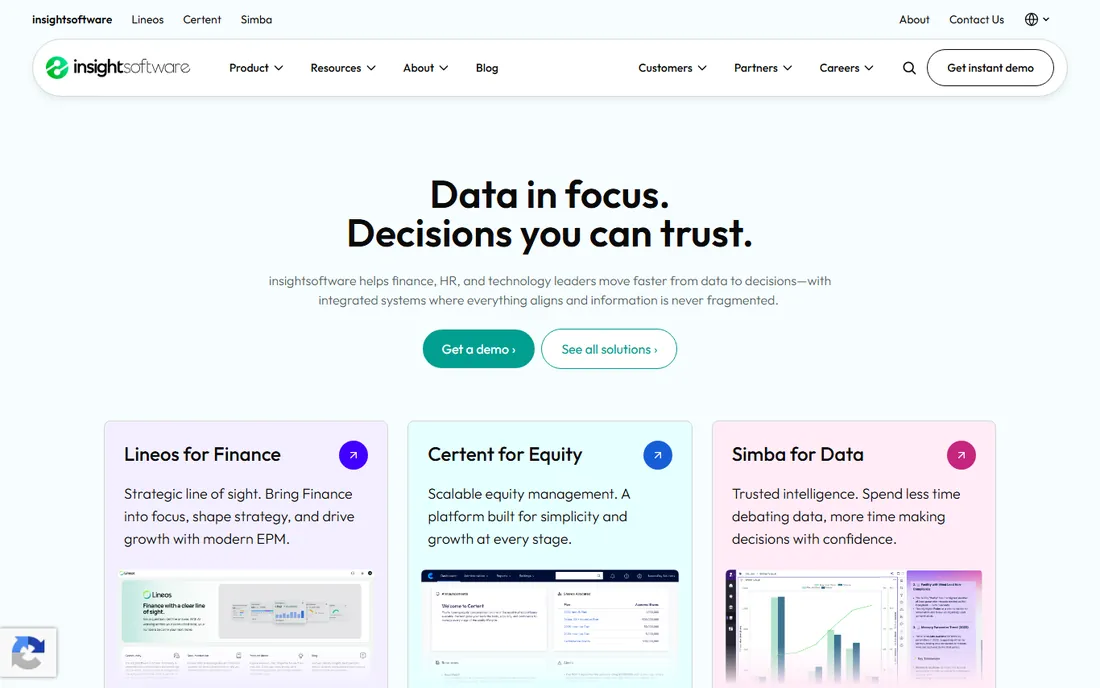
Certent, now part of insightsoftware, lets finance teams draft disclosures in the Word and Excel they know while the platform handles versioning, XBRL tagging, and filing behind the scenes. That Office-native approach shortens adoption for traditional teams.
XBRL certification covers SEC and ESEF requirements, and the equity management heritage means cap table and disclosure data can live together. Document formatting capabilities are strong for narrative-heavy reports.
It lacks Workiva's connected-reporting breadth, but for teams that want disclosure without replatforming their workflow, Certent is a solid choice.
What we like- Deep Microsoft Office integration
- XBRL-certified
- Supports ESEF
- Good for equity and disclosure together
Watch out for- Interface less modern than Workiva
- Pricing is quote-based
- Smaller ecosystem
Starting priceSee website
Free planNo, demo available
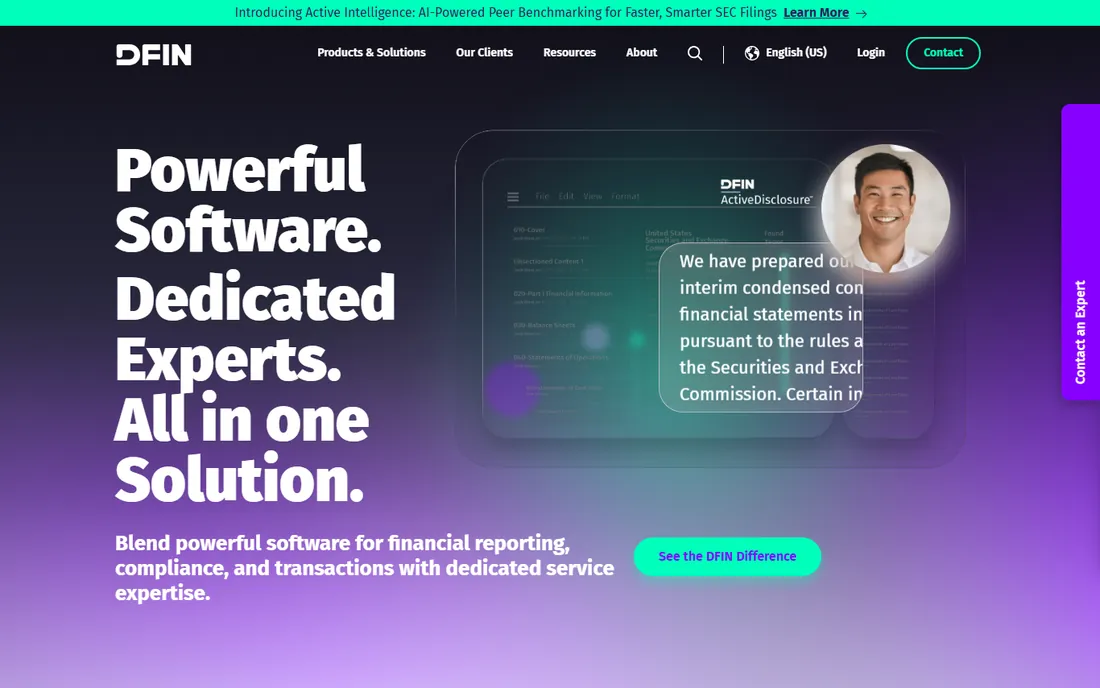
ActiveDisclosure from DFIN combines software with the company's deep capital-markets expertise. The platform handles drafting, iXBRL tagging, and EDGAR filing, backed by support teams that know SEC filings intimately.
Usage-based pricing suits filers with uneven filing calendars, and the IPO-specific workflows help first-time filers navigate the process. Expert review services can be bundled when internal expertise is thin.
It is more filing-focused than platform-focused. For SEC reporting with a safety net of experts, that focus is the appeal.
What we like- Strong SEC filing expertise
- 24/7 expert support
- Usage-based pricing options
- Good for IPO and complex filings
Watch out for- Narrower than full reporting platforms
- Interface utilitarian
- Pricing varies by filing
Starting priceSee website
Free planNo, demo available
Toppan Merrill's Bridge platform serves companies filing in multiple regimes, handling SEC requirements alongside IFRS and ESEF with equal competence. Multinationals that file in the US and Europe get one workflow for both.
The company's filing services heritage means expert support is available when filings get complicated. iXBRL tagging and validation are built in.
The product feels more services-led than software-led compared to Workiva. For cross-border filers who value expertise, it is a strong option.
What we like- Strong for both SEC and ESEF filings
- Capital-markets expertise
- Good for multinational filers
- Reliable filing services
Watch out for- Software less central than services
- Pricing is quote-based
- Interface dated

#5
Prophix One
Best for: Mid-market teams combining disclosure with planning
Visit prophix.com
Starting priceSee website
Free planNo, demo available
Prophix One includes disclosure management inside its financial performance platform, which suits mid-market companies that want planning, close, and reporting from one vendor. Disclosure workflows benefit from sharing data with the planning models the same team maintains.
For companies with straightforward filing requirements, the integrated approach avoids buying a dedicated disclosure tool. Implementation is lighter than the enterprise specialists.
Complex SEC filers will still want Workiva, DFIN, or Certent. For everyone else, Prophix covers the need within a broader finance suite.
What we like- Disclosure within a broader finance platform
- Good for mid-market
- Planning and reporting connected
- Reasonable implementation
Watch out for- Disclosure depth trails specialists
- Best for simpler filing needs
- Pricing is quote-based

#6
Lucanet
Best for: European groups needing consolidation plus disclosure
Visit lucanet.com
Starting priceSee website
Free planNo, demo available
Lucanet built its reputation on financial consolidation for European groups and extended into disclosure management, including ESEF reporting and ESG disclosures. CFOs who consolidate in Lucanet get disclosure from the same data without rekeying.
The platform suits multinational groups reporting under IFRS with European filing obligations. ESG modules address the growing sustainability disclosure burden.
US SEC filers should compare carefully with domestic specialists. For European-centered reporting, Lucanet is a natural fit.
What we like- Strong consolidation heritage
- Good ESEF support
- Covers ESG reporting
- Popular with European CFOs
Watch out for- Less known in the US
- SEC depth trails US specialists
- Pricing is quote-based
Starting priceSee website
Free planNo, demo available

IRIS CARBON focuses on collaborative disclosure with strong XBRL capabilities across jurisdictions. Companies filing in multiple countries get consistent tagging and validation in one platform.
The collaborative drafting, review workflows, and audit trails cover the governance regulators expect. Pricing is positioned accessibly for the category.
As a smaller vendor, reference customers in your jurisdiction matter. For multi-country XBRL filing, the specialization shows.
What we like- Strong multi-jurisdiction XBRL
- Good for ESEF and global filings
- Collaborative drafting
- Reasonable pricing
Watch out for- Smaller vendor
- US market presence limited
- Ecosystem smaller
Starting priceSee website
Free planNo, demo available
CoreFiling specializes in digital regulatory reporting and XBRL software, serving filers and regulators with tools built specifically for structured data reporting. ESEF filers in Europe are a core market.
The validation and taxonomy tools are excellent for teams that need precision in their tagged data. The focused product does one thing well rather than many things adequately.
Companies wanting full narrative collaboration may need more. For XBRL-centric disclosure work, CoreFiling is the specialist pick.
What we like- Deep XBRL expertise
- Strong for ESEF
- Good validation tools
- Focused product
Watch out for- Narrower than full disclosure suites
- Smaller company
- Services ecosystem limited
Quick comparison
| Tool | Best for | Starting price | Free plan |
|---|
 Workiva Workiva | Large filers wanting connected reporting | See website | No, demo available |
 Certent (insightsoftware) Certent (insightsoftware) | SEC filers wanting Office-integrated workflows | See website | No, demo available |
 DFIN ActiveDisclosure DFIN ActiveDisclosure | Filers wanting expert-supported SEC reporting | See website | No, demo available |
 Toppan Merrill Bridge Toppan Merrill Bridge | Filers working across US GAAP and IFRS/ESEF | See website | No, demo available |
| Prophix One | Mid-market teams combining disclosure with planning | See website | No, demo available |
| Lucanet | European groups needing consolidation plus disclosure | See website | No, demo available |
 IRIS CARBON IRIS CARBON | Global filers needing multi-jurisdiction XBRL | See website | No, demo available |
 CoreFiling CoreFiling | Teams wanting XBRL specialist software | See website | No, demo available |
Is your product missing or out of date?
We review this list regularly. Vendors can request a listing, send updated pricing or ask about featured placement.
How we chose
We selected platforms with real disclosure management products and filers producing regulated reports on them. We looked for XBRL and Inline XBRL support, collaborative drafting, and filing connectivity.
We covered SEC, ESEF, and multi-jurisdiction needs because buyers file in different regimes. We noted the ParsePort acquisition so buyers are not evaluating a product that no longer exists standalone. Vendor claims were checked against product documentation.
How to choose disclosure management software
Start with your filing regime. SEC-focused filers should compare Workiva, DFIN, and Certent. ESEF and IFRS filers should add Toppan Merrill, Lucanet, IRIS CARBON, and CoreFiling. Multi-regime filers need to see both demonstrated in one demo.
Involve the people who draft, review, and tag, because workflow fit decides adoption. And ask about peak-season support: filing deadlines do not move, and the quality of expert help during crunch time separates good vendors from bad ones.
Disclosure pitfalls to avoid
The most dangerous pitfall is leaving the platform decision until filing season. Implementations need months, and a rushed rollout before a 10-K deadline guarantees errors under pressure. Start the evaluation at least two quarters before you need to file on the new system, and run a parallel filing to validate everything.
Second, underestimating the XBRL tagging effort. Tagging looks automatic until your disclosures include custom extensions, complex tables, and narrative disclosures that resist standard taxonomies. Budget real tagging expertise, whether in-house or through the vendor, and validate early with the regulator's own tools.
Third, letting too many people edit without workflow control. Disclosure documents with twenty editors and no check-in discipline produce version chaos at the worst moment. Use the platform's workflow features strictly: drafting, review, and approval stages with clear owners. The software enforces what email never could.
Fourth, ignoring the last-mile data connections. Manually retyping numbers from the ERP into the disclosure tool defeats the purpose and introduces errors. Invest in the integrations that link source systems to disclosures, and reconcile automatically. Linked data is the entire value proposition.
Finally, treating ESG disclosures as an afterthought. Sustainability reporting now carries the same expectations for controls and audit trails as financial filings. Choose a platform that handles both from the start, or face a second implementation when regulations tighten.
Frequently asked questions
What is XBRL and why does it matter?
XBRL is a structured data standard that tags each number in a filing so regulators and analysts can process it automatically. Most major jurisdictions require it, and disclosure software generates the tags.
How much does disclosure management software cost?
Mid-market platforms typically start in the tens of thousands per year. Enterprise deployments run into six figures depending on filing complexity and users. Usage-based options exist for uneven filing calendars.
Can we keep drafting in Word and Excel?
Yes, with tools like Certent that integrate natively. Even cloud-first platforms import Office documents. The key is that versioning, linking, and tagging happen in the controlled platform, not in email attachments.
What is the difference between XBRL and Inline XBRL?
Inline XBRL embeds the structured tags inside a human-readable HTML document, so one file serves both readers and machines. The SEC requires iXBRL for most filings; ESEF uses it too.
Do we need this for ESG reporting?
Increasingly yes. Sustainability disclosures face the same demands for controlled data, audit trails, and structured formats as financial filings, and several platforms above cover both.
How do we handle last-minute disclosure changes?
With process, not heroics. Freeze the document at a defined cutoff, route every late change through a formal approval with materiality review, and re-validate XBRL tags after each change since edits can break tagging. Keep a change log that auditors can follow, and designate one person with authority to say no to non-material edits during the freeze. The platforms above support blackout workflows and comparison reports precisely for this. Teams that improvise under deadline pressure make the errors that restatements are made of.
Sources we checked (0)
Is your product missing or out of date?
We review this list regularly. Vendors can request a listing, send updated pricing or ask about featured placement.

Shihab Mia · Founder, Rankite
Shihab has spent more than a decade helping SaaS and e-commerce brands grow through search. He writes Rankite's software buying guides from pricing pages, documentation and public user reviews. More about Shihab.