How we make this list: we compare pricing pages, product documentation and public user reviews. Rankite is independent; if a vendor ever pays for a featured spot, that listing is clearly labeled Partner.
Key takeaways
- Vitrium and Locklizard lead document DRM for publishers and enterprises protecting PDFs and Office files.
- Digify suits teams that need simple, affordable document protection with tracking.
- DoveRunner, EZDRM and BuyDRM handle video DRM for streaming platforms and content owners.
- Seclore and Fasoo provide data-centric security that protects files wherever they travel.
- FileOpen fits enterprises needing DRM inside existing document workflows.
Quick comparison
| Tool | Best for | Starting price | Free plan |
|---|
 Vitrium Vitrium | Document DRM for publishers | See website | No |
 Digify Digify | Simple document protection | See website | Free trial |
 Locklizard Locklizard | Strict PDF copy protection | See website | No |
 FileOpen FileOpen | Enterprise document DRM | See website | No |
 DoveRunner DoveRunner | Video DRM for streaming | See website | No |
 EZDRM EZDRM | Cloud video DRM service | See website | No |
 BuyDRM BuyDRM | Multi-DRM video protection | See website | No |
 Seclore Seclore | Data-centric file security | See website | No |
 Fasoo Fasoo | Enterprise data protection platform | See website | No |
Is your product missing or out of date?
We review this list regularly. Vendors can request a listing, send updated pricing or ask about featured placement.
The best digital rights management software
Starting priceSee website
Free planNo
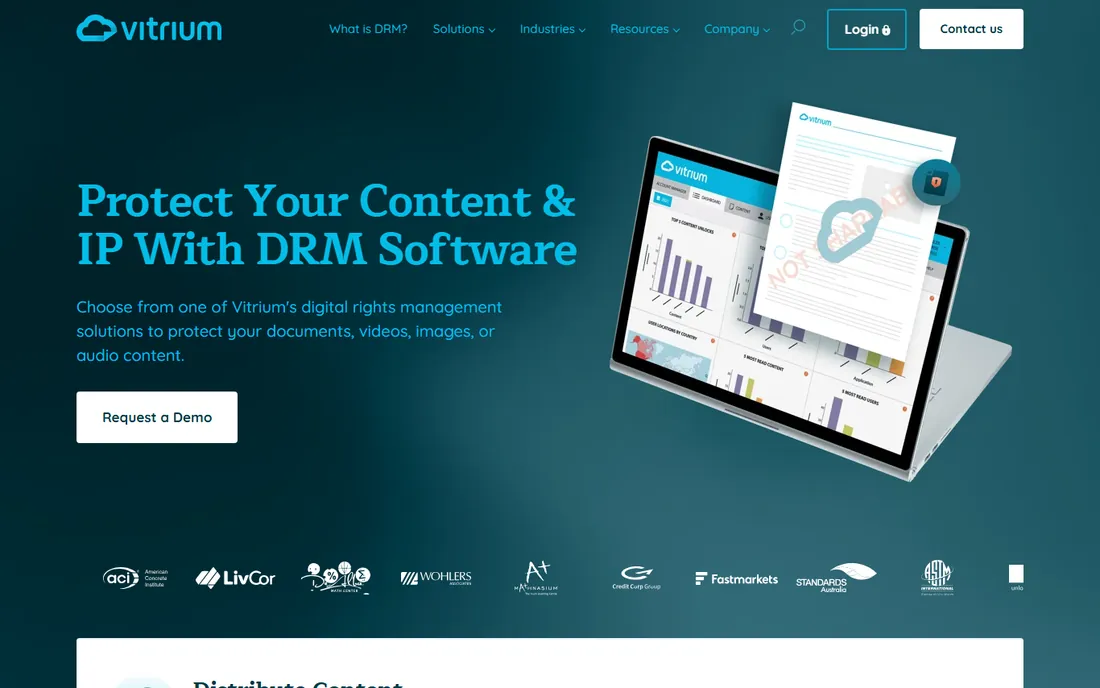
Vitrium protects the documents publishers sell: ebooks, course materials, reports and manuals. Permissions control who opens what, for how long, on how many devices, with printing and copying restricted. Analytics show how readers actually use the content, which informs pricing and product decisions.
Video DRM is not the strength; pair with a video DRM tool for courses with video. Pricing is quote-based. Publishers, training companies and research firms protecting document revenue should put Vitrium first on the list.
What we like- Purpose-built for publishers and training companies
- Granular permissions and expiry
- Good analytics on document use
Watch out for- Pricing not published
- Document-focused, not video
Starting priceSee website
Free planFree trial
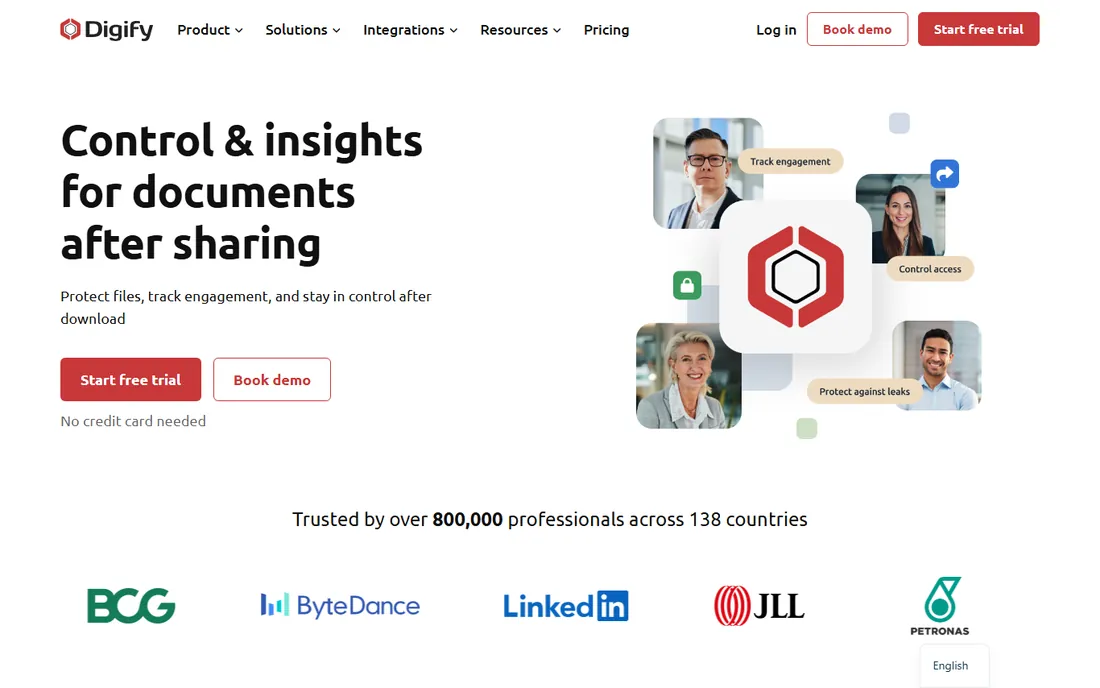
Digify is document protection without the enterprise project. Upload a file, set permissions, share a secure link, and track who opened it. Self-destructing documents and screenshot discouragement cover the common cases. Teams adopt it in an afternoon, and a free trial makes evaluation easy.
Large publishers needing complex licensing models will outgrow it. Pricing is not published but positions affordably. For businesses that need to stop casual forwarding of sensitive documents, Digify is the pragmatic choice.
What we like- Easiest DRM to deploy
- Document tracking and self-destruct
- Affordable positioning
Watch out for- Less granular than Vitrium or Locklizard
- Not built for large publishing operations
Starting priceSee website
Free planNo
Locklizard takes the hardest line on document protection. Its PDF DRM prevents copying, printing, screen grabs and sharing with a strictness competitors do not match, and it does so without passwords or plugins for the reader. Organizations protecting high-value documents accept the tradeoffs.
Those tradeoffs are real: legitimate users sometimes chafe at the restrictions. Pricing is not published. When the cost of a leak exceeds the cost of user friction, government agencies, publishers and enterprises choose Locklizard.
What we like- Strongest copy prevention for PDFs
- No plugins or passwords needed
- US government-grade approach
Watch out for- Strict controls can frustrate legitimate users
- Pricing not published
Starting priceSee website
Free planNo
FileOpen embeds DRM into the document workflows enterprises already run. Rather than a separate portal, protection applies inside existing repositories, viewers and processes. Large organizations with established document management get protection without changing how people work.
This is enterprise software sold through enterprise channels, with quoted pricing to match. Small teams should look at Digify or Vitrium. Enterprises wanting DRM as infrastructure rather than an application will find FileOpen fits.
What we like- DRM that plugs into existing document systems
- Strong enterprise integrations
- Long track record
Watch out for- Enterprise sales process
- Less suited to small teams
Starting priceSee website
Free planNo
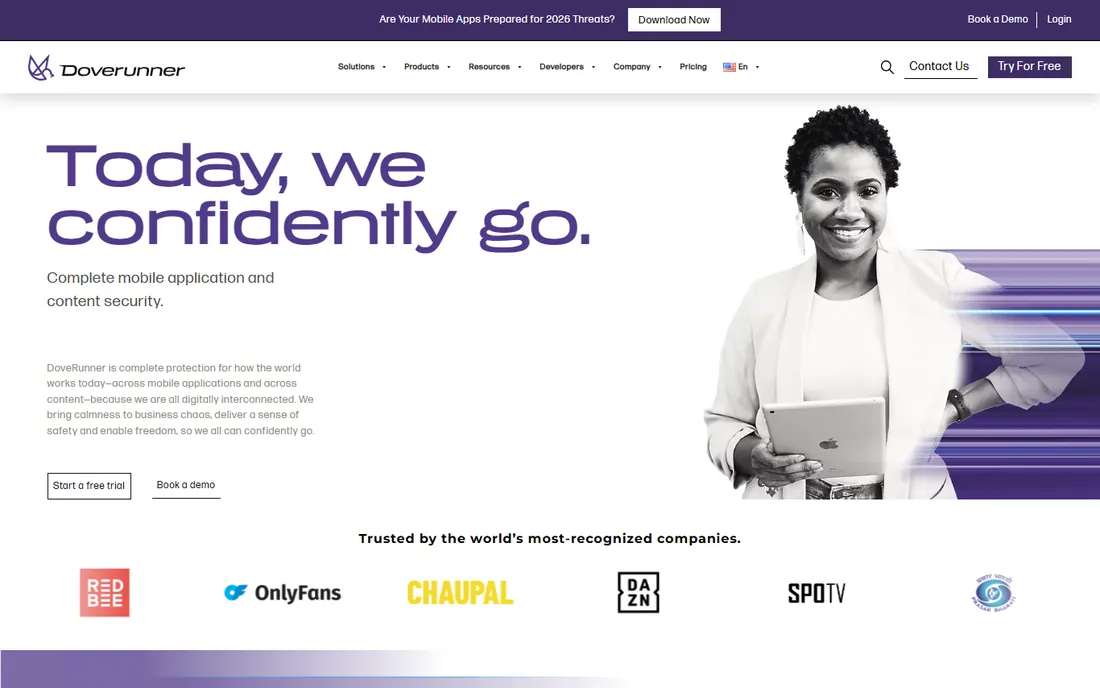
DoveRunner, formerly PallyCon, provides multi-DRM protection for video streaming services. Content gets encrypted once and plays across devices with the appropriate DRM: Widevine for Android and Chrome, FairPlay for Apple, PlayReady for Microsoft. Streaming platforms and content owners get studio-grade protection as a cloud service.
It protects video, not documents. Pricing is not published. OTT services, e-learning platforms with video libraries and enterprises streaming sensitive video should evaluate DoveRunner against EZDRM and BuyDRM.
What we like- Multi-DRM for video streaming (Widevine, FairPlay, PlayReady)
- Cloud-based
- Formerly PallyCon with proven scale
Watch out for- Video-only
- Pricing not published
Starting priceSee website
Free planNo
EZDRM sells DRM as a straightforward cloud API: send your video, get protected streams back. Mid-size streaming services and e-learning platforms integrate quickly without building DRM expertise in-house. The simplicity is the product.
Complex studio requirements may need DoveRunner or BuyDRM depth. Pricing is not published. For teams that want video protection working this month rather than this quarter, EZDRM's service model is appealing.
What we like- DRM as a simple cloud service
- Fast integration
- Good for mid-size streaming operations
Watch out for- Less full-featured than DoveRunner for complex needs
- Pricing not published
Starting priceSee website
Free planNo
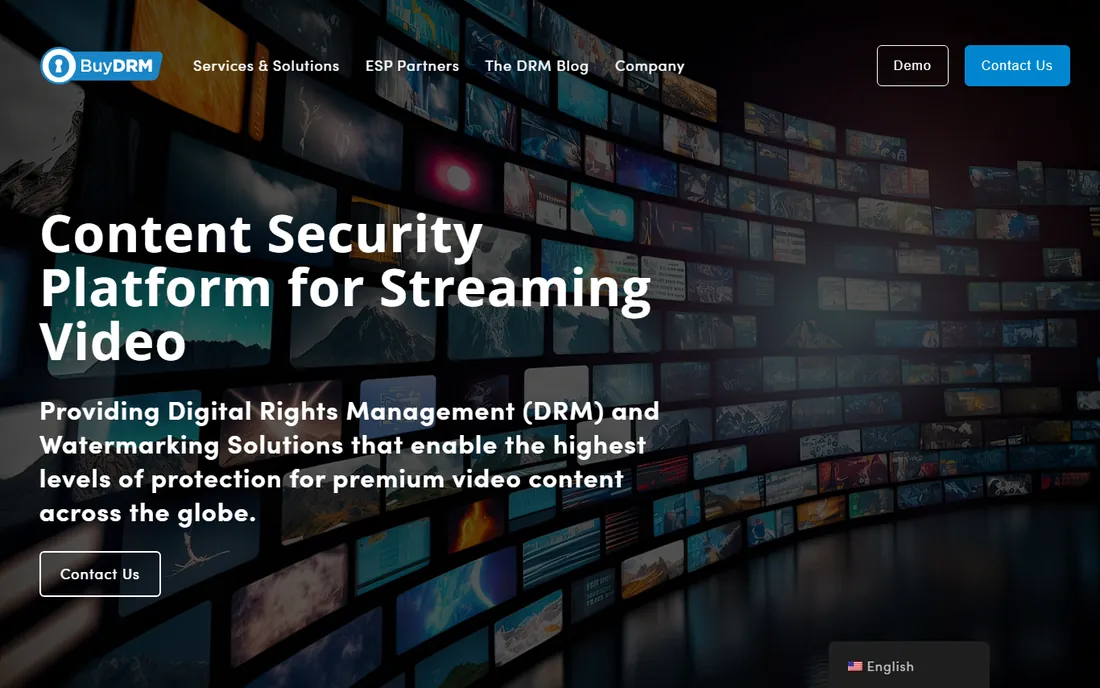
BuyDRM has protected premium video for years, with the studio relationships and compliance certifications large content owners require. Multi-DRM packaging, license delivery and analytics cover the professional streaming workflow. The track record matters in an industry where a DRM failure is a business crisis.
Smaller operations may find the enterprise orientation heavy. Pricing is quoted. Large content owners, broadcasters and studios should include BuyDRM in any serious DRM evaluation.
What we like- Long-standing multi-DRM provider
- Studio-approved workflows
- Good for large content owners
Watch out for- Enterprise-oriented
- Pricing not published
Starting priceSee website
Free planNo
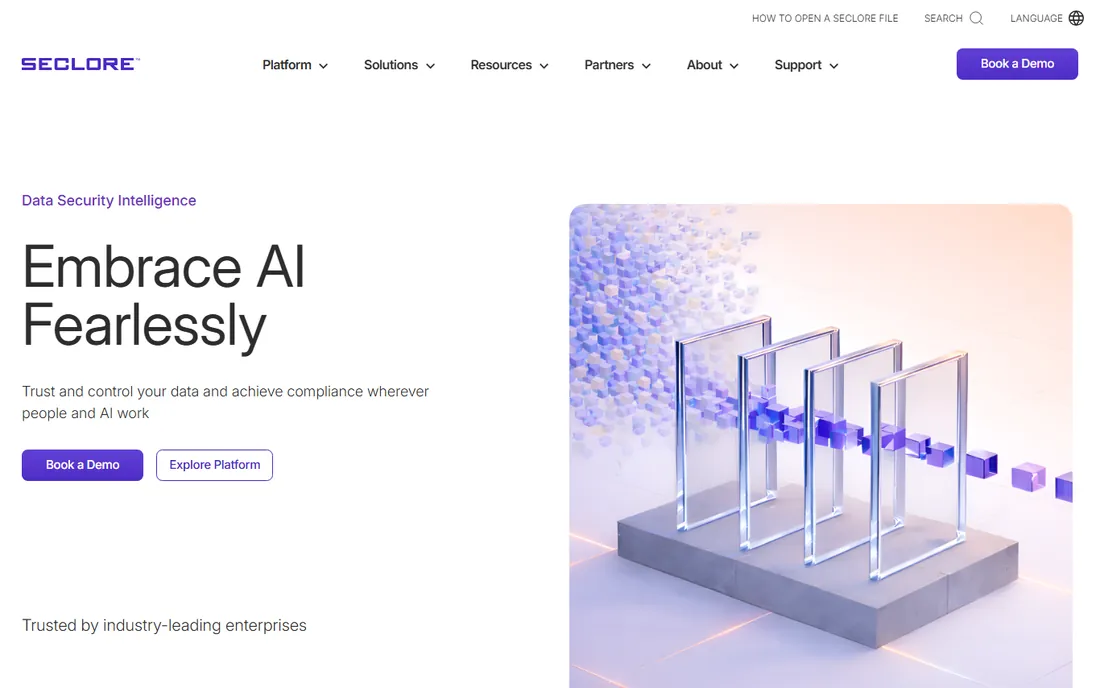
Seclore takes data-centric security seriously: protection is embedded in the file itself, so policies follow documents wherever they go, inside or outside the company. Permissions can change after distribution, and access can be revoked remotely. Large enterprises with serious data leakage concerns adopt it broadly.
This is enterprise software with enterprise deployment: quoted pricing, rollout planning and user training. Pricing is not published. Organizations where documents constantly leave the perimeter, through partners, contractors and email, get the most from Seclore's model.
What we like- Protection travels with the file everywhere
- Granular usage policies
- Strong enterprise adoption
Watch out for- Enterprise pricing and deployment
- Needs organization-wide rollout for full value
Starting priceSee website
Free planNo
Fasoo offers data protection as part of a broader security platform: DRM, data loss prevention, and document security with AI-enhanced classification. Manufacturing and financial enterprises with complex data flows use it as infrastructure. The platform approach covers more than point DRM tools.
Breadth means complexity in evaluation and deployment. Pricing is not published. Enterprises wanting a strategic data security platform rather than a single DRM product should evaluate Fasoo alongside Seclore.
What we like- Broad data security platform beyond DRM
- Strong in manufacturing and finance
- AI-enhanced features
Watch out for- Platform breadth adds complexity
- Pricing not published
How we chose
We evaluated digital rights management software actively sold in 2026, covering document DRM, video DRM and data-centric security. Research covered vendor sites and documentation, security practitioner reviews, and industry coverage. We weighted protection strength, ease of deployment, user experience impact, platform coverage and fit for different content types. Prices come from vendor pages where published.
Document DRM versus video DRM versus data-centric security: pick your battle
DRM is three different problems. Document DRM (Vitrium, Locklizard, Digify, FileOpen) protects PDFs and Office files from copying and redistribution. Video DRM (DoveRunner, EZDRM, BuyDRM) encrypts streams so only authorized players decrypt them. Data-centric security (Seclore, Fasoo) embeds policy in files so protection follows data anywhere.
Buying the wrong category wastes the budget. A publisher needs document DRM; a streaming service needs video DRM; an enterprise worried about email leaks needs data-centric security. Define what you are protecting and where it travels before talking to vendors. Sketch the content lifecycle on paper first: creation, distribution, consumption, archive. The gaps in that sketch tell you which category to buy.
Frequently asked questions
What is the best digital rights management software?
For documents, Vitrium leads for publishers and Locklizard for maximum copy prevention, with Digify as the simple option. For video streaming, DoveRunner, EZDRM and BuyDRM are the specialists. Enterprises protecting data everywhere should evaluate Seclore and Fasoo.
What is DRM software?
Digital rights management software controls how digital content is used after distribution: who can open it, for how long, whether it can be copied or printed, and on which devices. It protects revenue for publishers and confidentiality for enterprises.
How much does DRM software cost?
Almost no vendor publishes pricing. Document DRM typically runs from hundreds per month for small deployments to five figures annually for publishers. Video DRM is usually usage-based on streams or licenses. Enterprise data-centric platforms are quote-priced. Expect a sales process everywhere.
Can DRM be bypassed?
Determined attackers can bypass most DRM eventually; DRM raises the cost and difficulty of piracy rather than eliminating it. For business purposes, good DRM stops casual copying and sharing, which covers the vast majority of revenue leakage. Match the protection strength to the actual threat. A training company losing sales to shared PDFs needs different protection than a studio releasing a blockbuster film. Revisit the threat model annually, since the content mix and the piracy situation both change. What worked for PDFs last year may not cover the video library you launched this year. Schedule the review alongside your annual security assessment so it actually happens.
Do I need DRM for online courses?
If you sell course materials, document DRM (Vitrium, Digify) prevents students from redistributing PDFs, and video DRM (DoveRunner, EZDRM) protects the video library. Many course creators start with platform-native protection and add dedicated DRM when piracy becomes measurable. Track refund rates and piracy reports; when either rises, the DRM investment pays for itself.
What is the difference between DRM and data loss prevention?
DRM controls how authorized recipients use content after distribution. Data loss prevention (DLP) stops unauthorized data from leaving the organization in the first place. They complement each other: DLP guards the perimeter, DRM protects content that legitimately leaves it. Seclore and Fasoo blur the line by combining both approaches.
The user experience tax
Every DRM system taxes legitimate users: extra logins, device limits, blocked printing, apps to install. Too much friction and customers complain or churn; too little and protection is theater. The right balance depends on the content's value and the audience's tolerance.
Pilot with real users before committing. Measure support tickets, completion rates and complaints during the trial, not just protection features. Digify and Vitrium tend toward lighter friction; Locklizard toward maximum protection. Choose the strictness your business can afford, in both senses.
Watermarking: the DRM complement
Consider watermarking alongside or instead of DRM. Visible or forensic watermarks identify the source of a leak without restricting legitimate use, which avoids the user experience tax entirely. Video services use forensic watermarking to trace piracy; document publishers use personalized watermarks with the buyer's name.
Watermarking deters differently than DRM: it does not prevent copying, but it makes the copier identifiable, which deters most commercial piracy. Many publishers combine light DRM with watermarking for the best balance. Ask vendors whether watermarking is included or a separate product, and test how the marks survive format conversion.
Sources we checked (9)
- https://www.vitrium.com
- https://digify.com
- https://www.locklizard.com
- https://www.fileopen.com
- https://doverunner.com
- https://www.ezdrm.com
- https://buydrm.com
- https://www.seclore.com
- https://www.fasoo.ai
Is your product missing or out of date?
We review this list regularly. Vendors can request a listing, send updated pricing or ask about featured placement.

Shihab Mia · Founder, Rankite
Shihab has spent more than a decade helping SaaS and e-commerce brands grow through search. He writes Rankite's software buying guides from pricing pages, documentation and public user reviews. More about Shihab.