How we make this list: we compare pricing pages, product documentation and public user reviews. Ratings come from G2, Capterra or Trustpilot, with the date we checked them.
Key takeaways
- Consolidation hides three different products: a nonprofit debt management plan repays everything at reduced interest, settlement negotiates balances down for a fee, and a loan replaces debts with one new debt.
- Nonprofit counsellors such as Money Management International and GreenPath charge small state capped monthly fees and usually protect your credit far better than settlement.
- Settlement firms charge 15 to 25 percent of enrolled debt, your credit takes a heavy hit while accounts sit unpaid, and forgiven debt over 600 dollars can be taxed as income.
- Federal rules ban up front fees for debt relief sold by phone, so any company asking for money before it settles anything is breaking the pattern of every firm here.
Quick comparison
Is your product missing or out of date?
We review this list regularly. Vendors can request a listing, send updated pricing or ask about featured placement.
The best consolidation companies
Starting price$0 per month
Free planNo
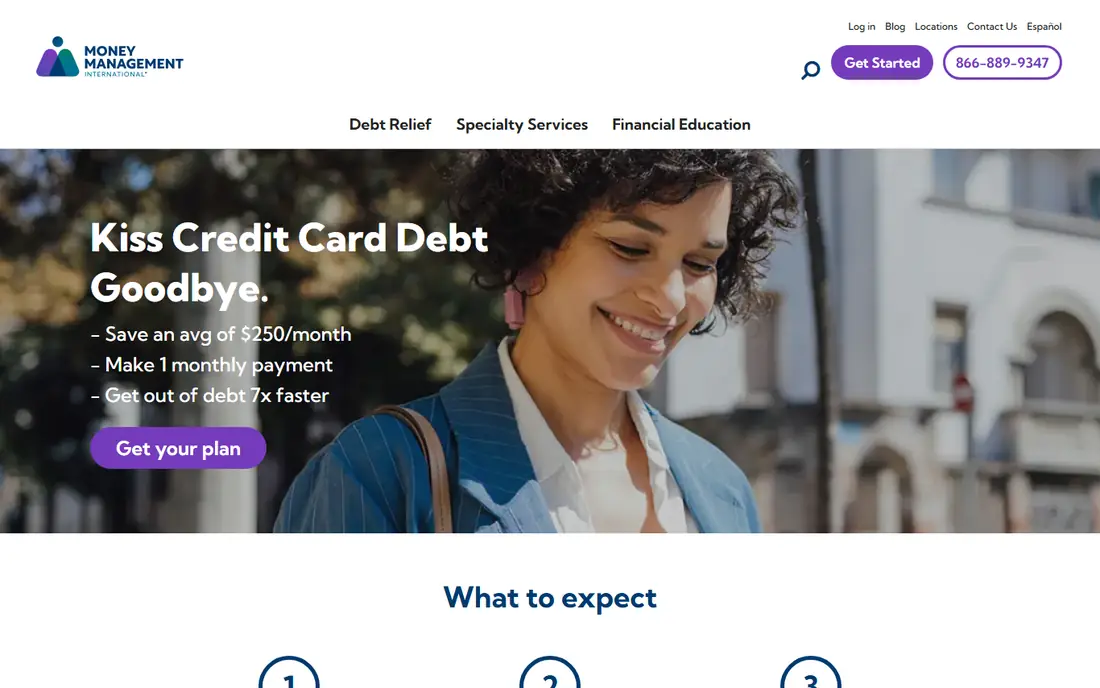
What we like- Money Management International is the largest member agency of the National Foundation for Credit Counseling, and your first counselling session is free, lasts about 45 minutes, and ends with a written budget and a plan quote. Its debt management plans carry monthly fees capped by state law, commonly 0 to 50 dollars, and waived in hardship cases. Because a DMP repays balances in full at reduced interest, the credit effect is usually mild and often improves as payments land on time.
Watch out for- A management plan only covers unsecured debts such as credit cards, and enrolled cards must usually be closed, which some people cannot accept. You must be able to fund a steady monthly payment for three to five years, so it cannot help if income has collapsed. MMI does not settle debts for less than the balance, so the total repaid is higher than a successful settlement, just spread safely.
Starting priceSee website
Free planNo
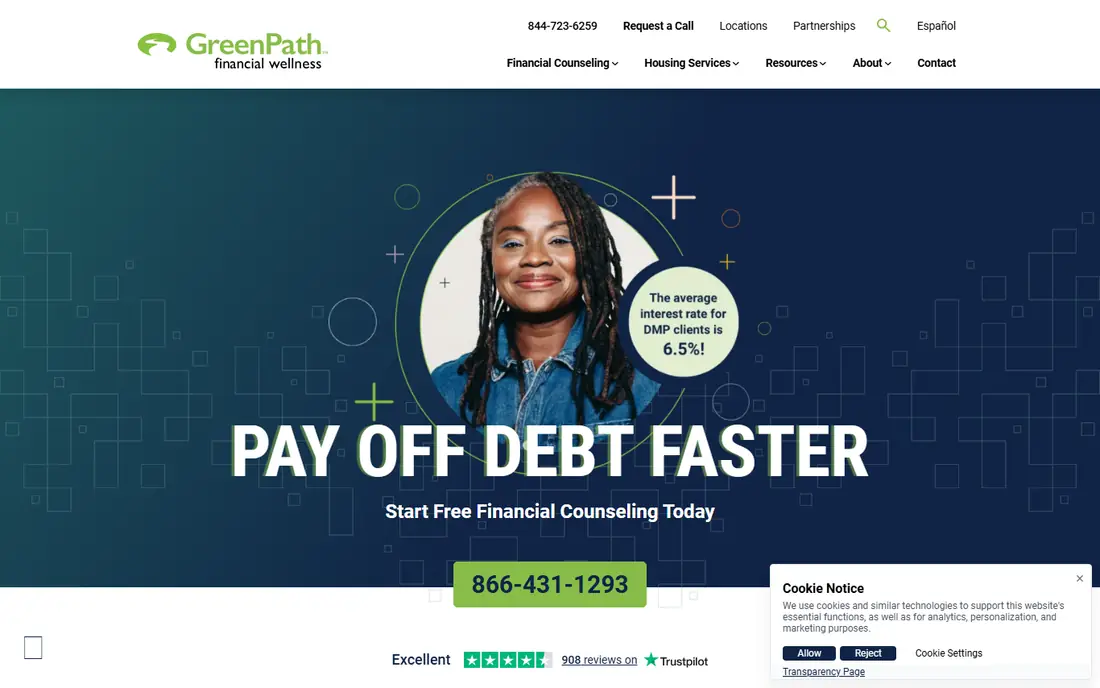
What we like- GreenPath is a long established NFCC nonprofit offering free initial counselling and debt management plans with monthly fees in the same small state capped range as its peers, commonly reported around 25 to 50 dollars. Counsellors review your whole budget before recommending a plan, and GreenPath also covers student loan and housing counselling, which helps households whose debt problem is wider than cards. Its education first posture means it will tell some callers not to enrol at all.
Watch out for- Like every DMP, it requires full repayment and card closure, and it runs three to five years. Availability and exact fees vary by state, which is why this guide lists see website for its starting price. If you truly cannot repay balances in full, a plan will fail mid way, and GreenPath will say so rather than fix it.
Starting priceSee website
Free planNo
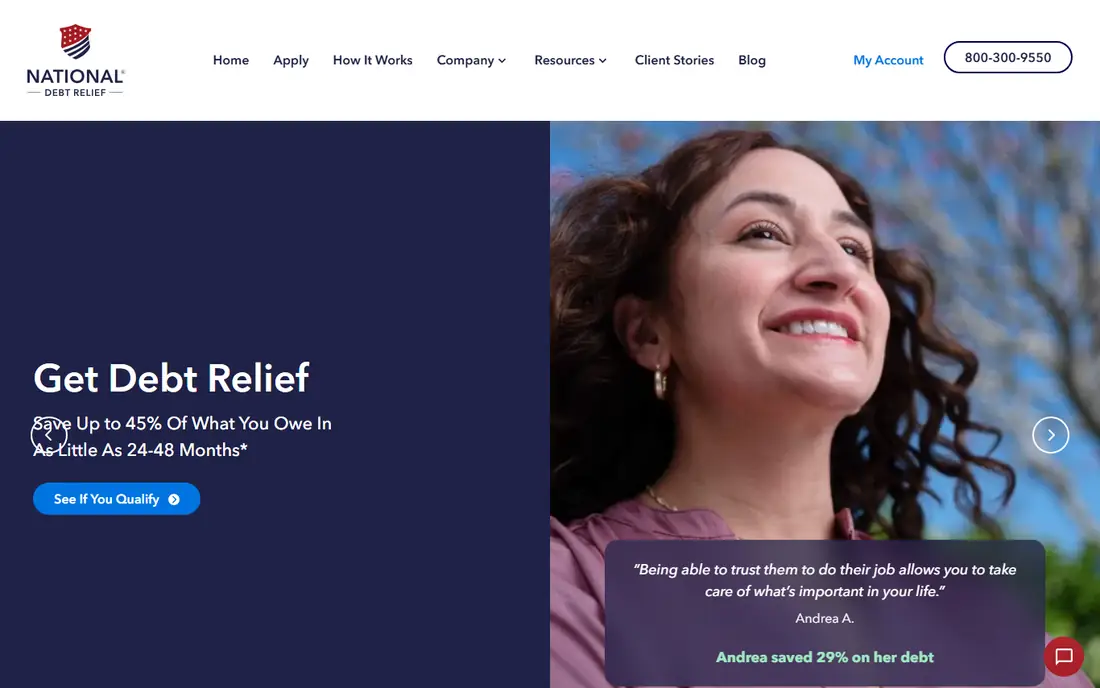
What we like- National Debt Relief is the best known settlement firm, with a 7,500 dollar minimum enrolled debt, fees of 15 to 25 percent of enrolled debt charged only after a settlement is approved and a first payment made, and typical completion around 34 months for clients who finish. It holds an A+ BBB rating and publishes its process plainly, including the credit damage settlement causes. There is also a small account fee, reported at a 9 dollar setup and 9.85 dollars monthly, which it should disclose in your quote.
Watch out for- Settlement means missed payments and a credit score drop of 100 points or more before things improve, and many clients do not complete the full programme. Fees at the top of the range plus tax on forgiven debt can erase much of the headline saving. It would not disclose completion rates to one major reviewer, so ask directly what share of clients finish and what the average client actually pays in total.
Starting priceSee website
Free planNo
What we like- Freedom Debt Relief, now part of Achieve, has operated since 2002 and reports more than a million customers, with a 7,500 dollar minimum and the same FTC shaped fee pattern of 15 to 25 percent of enrolled debt after settlement. Its dashboard and mobile tracking are among the best in settlement, which matters across a two to four year programme. It co founded the industry's main trade association and publishes realistic timelines of 24 to 48 months.
Watch out for- A 2017 CFPB enforcement action over fees and disclosures is part of this company's history, and current applicants should weigh it. The settlement process carries the same credit damage, lawsuit exposure, and tax issues as every firm in this section. Programme completion is not guaranteed, and dropping out leaves you with damaged credit and partially settled debts.
Starting priceSee website
Free planNo
What we like- Accredited Debt Relief requires 10,000 dollars of enrolled debt and charges the standard 15 to 25 percent settlement fee, but reviewers note it will also point suitable callers toward consolidation loans or management plans instead of forcing settlement on everyone. That screening matters, because settlement sold to someone who could have repaid on a DMP is the industry's worst habit. Consultation is free and no fee is charged up front.
Watch out for- It operates in fewer states than the two giants above, around 30 or more, so availability may rule it out. The core product is still settlement, with the same credit, tax, and completion risks. As a lead driven business, expect a sales conversation after the free consultation rather than neutral counselling.
Starting priceSee website
Free planNo
What we like- Pacific Debt Relief has run settlement programmes since the early 2000s and sets a 10,000 dollar minimum with fees of 15 to 25 percent of enrolled debt, charged after settlements under the federal rule. It assigns clients a dedicated team rather than a call centre queue, which long programmes benefit from. Its smaller scale compared with National and Freedom suits clients who want a less industrial process.
Watch out for- State coverage is narrower, at roughly 29 states in current comparisons. All settlement risks apply, and smaller scale means fewer published outcome statistics to judge. Pricing beyond the standard fee band is quote specific, so get the full fee schedule in writing.
Starting priceSee website
Free planNo
What we like- ClearOne Advantage is a Baltimore based settlement firm with a 10,000 dollar minimum and fees reported at 18 to 25 percent of enrolled debt. It emphasises a single point of contact and custom programme pacing, and it has operated for well over a decade in a market full of short lived brands. Like the other settlement firms here, it charges nothing up front under the federal fee rule.
Watch out for- Its fee band starts higher than the 15 percent floor at bigger rivals, so compare total cost on your exact debt load. Coverage and volume are smaller than the national leaders. The standard settlement warnings apply in full: credit damage during the programme, possible creditor lawsuits, and tax on forgiven amounts.
Starting priceSee website
Free planNo
What we like- InCharge is an NFCC nonprofit counsellor offering debt management plans with state capped fees in the same modest range as MMI and GreenPath, plus a large library of free financial education. It is a sensible first call for people whose spending pattern, not just their balances, needs work, and its counsellors can also walk through bankruptcy information for callers where no plan is realistic. First counselling is free and carries no obligation.
Watch out for- InCharge is smaller and less widely reviewed than MMI, and its DMP carries the same rules: full repayment, closed cards, three to five years. Exact fees vary by state and are confirmed at enrolment, hence see website here. It cannot reduce balances, so callers who need settlement will be referred onward rather than served directly.
How we chose
We separated this list by product first, because comparing a nonprofit management plan with a settlement programme on one scale misleads readers. Within each type we compared fees against the FTC shaped norms, minimum debt levels, state coverage, trading history, and honesty about credit and tax consequences. We favoured firms that charge nothing up front and that publish or clearly report their fee bands. We excluded consolidation loan lenders, since a loan is a credit product judged on APR and approval rather than programme quality, and we excluded any firm whose model depends on fees before results.
How to choose the right consolidation company
Start with one question: can you repay your full balances within five years if the interest rate drops? If yes, the nonprofit route is almost always the better deal for your credit and your wallet, so call Money Management International, GreenPath, or InCharge first; the session is free and the counsellor has no product quota. If no, and your debts are at least 7,500 to 10,000 dollars of unsecured balances, settlement becomes a real option, and you should compare National Debt Relief, Freedom Debt Relief, and Accredited Debt Relief on total cost, not on advertised savings percentages.
Whichever route you take, get three things in writing before you enrol: the full fee schedule including account fees, the realistic monthly payment and programme length, and what happens if you drop out. Confirm that no fee is collected before a settlement is reached if you choose settlement, since federal rules ban advance fees for phone sold debt relief. Ask about tax on forgiven debt and whether creditors in your state commonly sue during programmes. Finally, be honest with yourself about the cause: consolidation of any kind fails when new card spending replaces the old balances, so close the loop on spending first. This guide is general information only, not financial advice, and a local nonprofit counsellor or a bankruptcy attorney can advise on your exact position.
Frequently asked questions
What is the difference between debt management and debt settlement?
A debt management plan repays everything you owe, usually at a reduced interest rate arranged by a nonprofit counsellor, over three to five years, for a small monthly fee. Debt settlement negotiates to pay less than the full balance: you stop paying creditors, a for profit firm settles debts one by one, and it charges 15 to 25 percent of the enrolled debt. Management usually protects credit far better; settlement aims to reduce the total repaid at the cost of heavy credit damage.
Are consolidation companies allowed to charge up front fees?
For debt relief sold and marketed by phone, federal rules say no fee can be charged until the company has actually settled, reduced, or changed the terms of at least one of your debts, and you have approved it and made a payment. Nonprofit counsellors charge small regulated monthly fees for management plans under state rules. Any company demanding a large fee before doing anything is a red flag.
Will I owe tax on forgiven debt?
Often, yes. When a creditor forgives 600 dollars or more of debt, it generally reports the amount to the IRS on Form 1099-C, and the forgiven sum counts as taxable income unless an exclusion, such as insolvency, applies to you. Settlement firms rarely highlight this, so price the tax bill into any savings estimate and take advice on your position.
How badly does settlement hurt credit?
Significantly. Programmes require missed payments while funds build up, and reviewers report score drops of 100 to 200 points, alongside late fees and possible lawsuits from creditors who refuse to wait. Scores can recover after completion, but the damage lasts years. A nonprofit management plan, by contrast, usually has a mild or even positive effect over time because payments arrive in full and on time.
When is bankruptcy a better answer than consolidation?
When you cannot fund even a management plan payment, when debts include types these programmes cannot touch, or when creditors are already suing. A free session with an NFCC counsellor or a bankruptcy attorney will map this honestly, and both nonprofit counsellors above provide bankruptcy information without selling you a programme. Consolidation companies are not the right place to make that judgement alone.
Sources we checked (0)
Is your product missing or out of date?
We review this list regularly. Vendors can request a listing, send updated pricing or ask about featured placement.

Shihab Mia · Founder, Rankite
Shihab has 5+ years in B2B and SaaS SEO. He writes Rankite's software buying guides from pricing pages, documentation and public user reviews. More about Shihab.
 GreenPath Financial Wellness
 National Debt Relief
 Freedom Debt Relief
 Accredited Debt Relief
 Pacific Debt Relief
 ClearOne Advantage
 InCharge Debt Solutions