How we make this list: we compare pricing pages, product documentation and public user reviews. Ratings come from G2, Capterra or Trustpilot, with the date we checked them.
Key takeaways
- This article reads the topic as starting a career, and compares employers with strong early career training and internal moves.
- Technology firms offer scale and product learning, while consulting firms offer client variety and structured skill building.
- Consumer goods and established technology firms suit beginners who want formal training and a clear first role.
- Ask about mentorship, rotation, manager quality, and the path after the first role, because those shape a first job most.
- No pay or headcount figures are given here, because those vary by role and location, and a single number would mislead a beginner.
Quick comparison
| Tool | Best for | Starting price | Free plan |
|---|
 Google | Technology careers at scale | See website | No |
 Microsoft | Software and cloud careers | See website | No |
 Amazon | Operations and technology breadth | See website | No |
 Apple | Product and design careers | See website | No |
 Deloitte | Consulting and professional services | See website | No |
 Accenture | Technology consulting variety | See website | No |
 Procter and Gamble | Brand and operations training | See website | No |
 IBM | Enterprise technology and consulting | See website | No |
Is your product missing or out of date?
We review this list regularly. Vendors can request a listing, send updated pricing or ask about featured placement.
The best companies to start your career
Starting priceSee website
Free planNo
Google suits beginners who want to learn technology inside a large, product focused company. Early roles span software engineering, product management, data, design, sales, and operations, and internal learning resources are extensive. A new joiner can learn how large products are built, tested, and shipped, which is a skill set that stays useful even if they later move to a smaller company.
The honest catch is scope. In a company of this size, a first role can be a small part of a large system, and it takes effort to see the whole picture. Beginners should ask about team size, mentorship, project ownership, and how often people move between teams. Those answers show whether a role will teach broadly or only deeply in one narrow area.
What we like- Broad product and engineering work
- Strong learning resources
- Many internal teams to explore
Watch out for- Large scale can make early roles narrow
- Competition for teams and projects is high
#2Microsoft
Best for: Software and cloud careers4.6/5 on
G2 (11 reviews, checked Oct 2026)
Visit microsoft.com
Starting priceSee website
Free planNo
Microsoft suits beginners drawn to software, cloud computing, and workplace technology. The company covers operating systems, productivity software, cloud services, gaming, and enterprise tools, so a first career can branch in many directions. Early career programs, mentorship, and internal training help new staff learn both technical skills and how a large technology business works.
The trade off is variation between groups. A team building a consumer app, a team building cloud infrastructure, and a team in consulting services will feel quite different. Candidates should ask about the specific product area, the first year of work, and how managers support growth. A strong team inside a large firm often matters more than the company name on a resume.
What we like- Wide software, cloud, and AI work
- Structured early career programs
- Many locations and teams
Watch out for- Experience varies by product group
- Large firm processes can slow early projects
Starting priceSee website
Free planNo

Amazon suits beginners who want breadth and speed. The company covers retail, cloud computing through Amazon Web Services, devices, logistics, advertising, and entertainment, among other areas. That range means a beginner can start in operations, engineering, product, or business roles and later move to a different part of the company. Ownership is often given early, which accelerates learning for people who like responsibility.
The catch is pace. Amazon teams are known for high standards and close measurement, and that suits some beginners but overwhelms others. Before accepting, ask about team workload, on call duties where relevant, manager style, and how success is measured in the first year. A realistic picture of the team beats a general impression of the brand.
What we like- Huge range of roles from engineering to operations
- Fast pace and clear ownership
- Many locations
Watch out for- Pace and workload vary sharply by team
- Some roles are highly metrics driven
Starting priceSee website
Free planNo
Apple suits beginners who care deeply about products and craft. Hardware, software, design, operations, and retail roles all sit inside a company known for close attention to detail. New staff learn how products move from idea to manufacture to customer, and that end to end view is valuable even for people who later work elsewhere in technology.
The limit is visibility. Apple is known for secrecy between teams, so a beginner may learn one area deeply without seeing neighbouring work. Candidates should ask about mentorship, cross team learning, and what a first year project typically looks like. People who enjoy deep focus and high standards tend to thrive; people who want broad exposure from day one may prefer a more open consulting or generalist path.
What we like- Strong product, design, and engineering culture
- Attention to detail in hardware and software
- Respected brand
Watch out for- Secrecy can limit early visibility across teams
- Roles are competitive and often specialised
Starting priceSee website
Free planNo

Deloitte suits beginners who want to learn business by working with many clients. The firm covers audit, tax, consulting, risk, and financial advisory work, so early staff can see different industries, problems, and team styles in a short time. Formal training, professional qualifications support, and a structured progression path give beginners a clear sense of what comes next.
The honest catch is project life. Client deadlines, travel, and busy periods vary, and a good manager makes a large difference to the experience. Candidates should ask about typical project length, travel expectations, study support, and how staffing decisions are made. Those practical answers matter more than any general claim about consulting careers.
What we like- Client variety across industries
- Formal training and professional development
- Clear progression structure
Watch out for- Client work can mean travel and variable hours
- Experience depends heavily on project and manager
Starting priceSee website
Free planNo
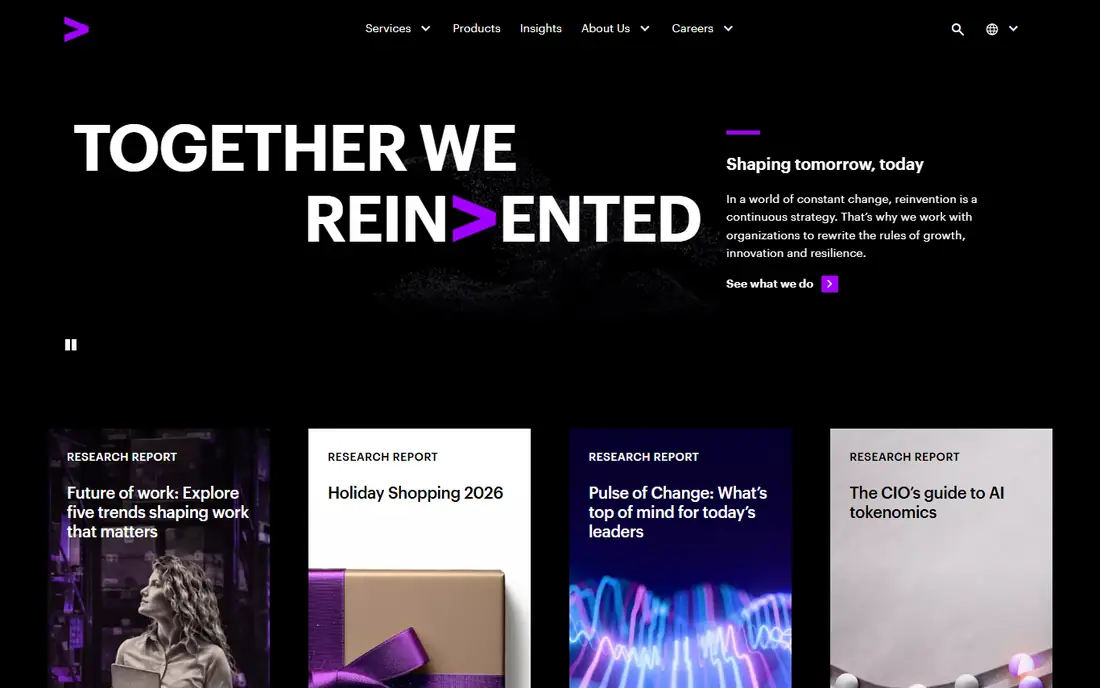
Accenture suits beginners who want technology work with client variety. Staff work on cloud, data, AI, software, and business transformation projects for clients in many industries, which builds a broad skill set quickly. Training for new joiners, global teams, and internal mobility give beginners several directions after a first project.
The trade off is stability of routine. Project based work means teams, clients, and locations can change, and that suits people who enjoy variety but not everyone. Candidates should ask how long projects typically last, how much choice staff have in staffing, and what support exists between projects. A clear answer on those points helps a beginner judge whether consulting variety is a benefit or a strain.
What we like- Broad technology and consulting work
- Global clients and teams
- Strong training for new joiners
Watch out for- Project based work can feel unsettled
- Role quality varies by client and practice
#7
Procter and Gamble
Best for: Brand and operations training
Visit us.pg.com
Starting priceSee website
Free planNo
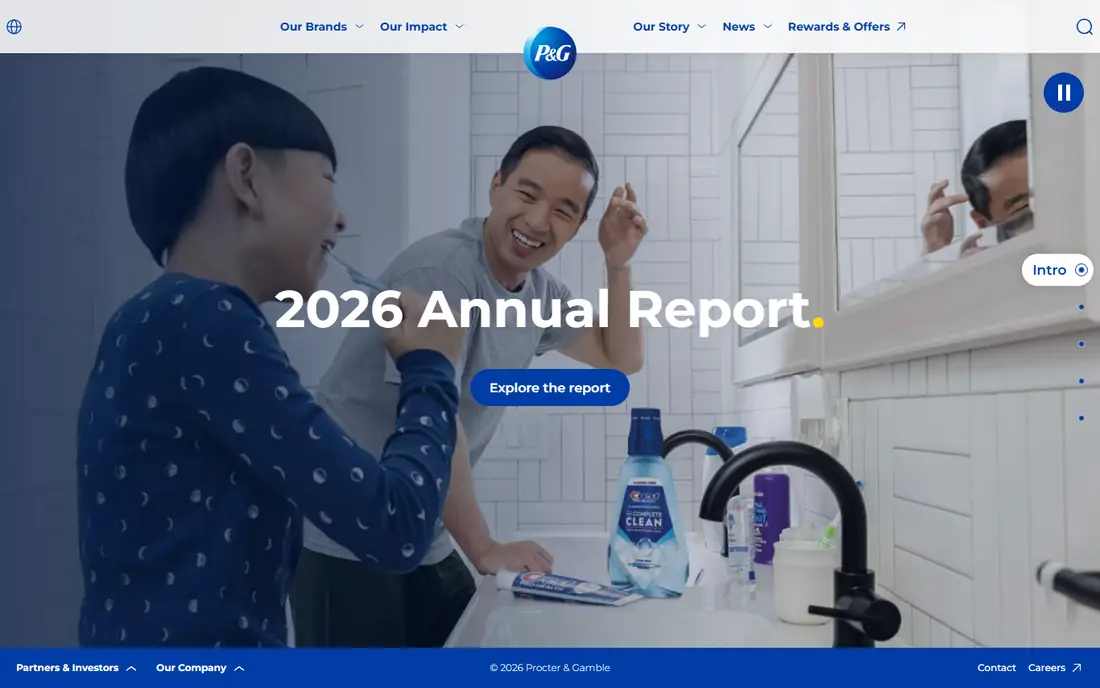
Procter and Gamble suits beginners who want formal training in brand management, sales, supply chain, or product development. The company is known for giving early responsibility, such as owning a brand project or a part of an operation, with manager coaching alongside it. That combination of responsibility and training builds commercial judgement that transfers to other consumer and business roles.
The limit is industry focus. A career spent entirely in consumer goods will teach brand and operations deeply, but less about banking, technology consulting, or media. Candidates who already like consumer products will see that as a strength. Candidates still exploring industries may prefer a consulting firm that exposes them to many sectors before they specialise.
What we like- Structured brand management and operations training
- Responsibility given early
- Strong manager development
Watch out for- Consumer goods focus narrows industry exposure
- Locations may be limited for some functions
#8
IBM
Best for: Enterprise technology and consulting
Visit ibm.com
Starting priceSee website
Free planNo
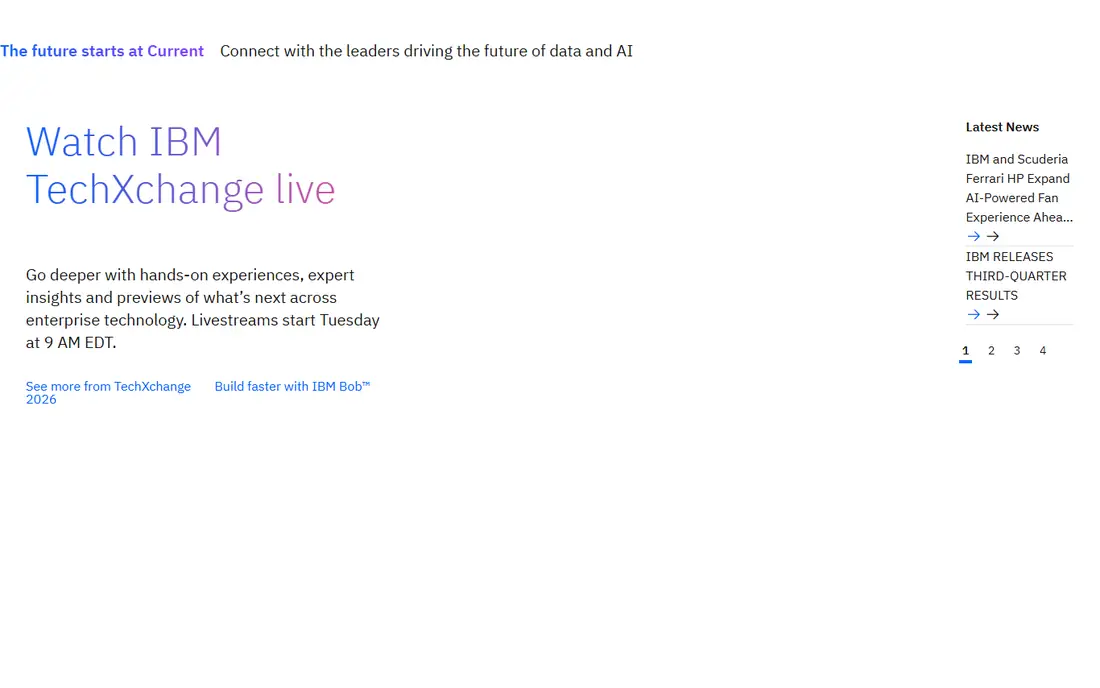
IBM suits beginners who want enterprise technology: software, cloud, data, AI, and consulting for large organisations. The company combines a technology business with a large consulting arm, so early staff can move between product, engineering, and client work. Training, certifications, and mentorship support a beginner who wants to build technical depth with business context.
The catch is pace and variation. IBM is a large, established firm, and some teams move more slowly than a startup or a fast growing product company. Candidates should ask about the specific business unit, the technology stack, and the first year of projects. A team working on current cloud and AI work will feel very different from a team maintaining older systems, so team level research is essential.
What we like- Enterprise software, cloud, and consulting work
- Long history of training technologists
- Global client base
Watch out for- Large, established firm processes can feel slow
- Experience varies by business unit
How we chose
We compared company career pages, public information about early career programs, and each firm's official homepage, which we opened to confirm it belongs to that employer. We favoured employers with structured training for beginners, a range of early roles, and internal mobility, rather than firms known only for senior hiring. We did not invent pay, headcount, or ranking figures, because those vary by role and location and would not help a beginner compare fairly.
Starting well in a first job
A good first employer teaches you how to work, not only how to do one task. Look for a manager who gives feedback, colleagues who share knowledge, and work that stretches you without leaving you unsupported. In interviews, ask what a new joiner learns in the first six months, who mentors them, and what a successful first year looks like. Listen for concrete examples, not slogans.
Choosing between depth and breadth
Depth suits beginners who already know their field, such as software engineering or brand management, and want to master it. Breadth suits beginners who are still exploring, and consulting or a large technology firm may teach more in two years. Neither choice is permanent. A deep first role can broaden later, and a broad first role can narrow later, so choose the learning style that fits you now.
What to check before you sign
Check location, work pattern, travel, training time, study support, and the path to the next role. Ask to speak with someone who joined recently, and ask what surprised them about the job. Also check total benefits and leave, not only headline pay. A first job that supports learning and health will usually beat a slightly higher paid role with weak support.
Frequently asked questions
What does this article mean by best companies to start?
It means best companies to start a career at, for beginners who want training, mentorship, and a clear first role. The original topic wording is short and open to interpretation, so this article states its reading plainly: it compares employers for career starters, not companies to found or products to buy.
Is a large company always better for a first job?
No. Large companies offer training, scale, and internal moves, but small companies often offer broader responsibility and faster learning. The right choice depends on whether you want structure and specialisation or variety and hands on ownership in your first two years.
Do I need a specific degree to start at these companies?
Requirements differ by role. Engineering roles usually need relevant technical study or equivalent skills, consulting roles often accept many degree subjects, and brand or operations roles value commercial awareness and teamwork. Check each posting, because one company hires for many different backgrounds.
How important is the manager in a first job?
Very important. A good manager gives clear feedback, protects learning time, and opens up new work as you grow. In interviews, ask how often you would meet your manager, how feedback works, and what recent joiners went on to do. Those answers predict much of the first year.
Should I prioritise pay or learning in a first role?
Learning usually pays more over a career, because skills, reputation, and internal moves compound. That does not mean ignoring pay or benefits. Compare total rewards and growth together, and be wary of a role that pays well but teaches little and offers no path forward.
How long should I stay in a first job?
There is no fixed rule. Many people stay two to three years to learn, build results, and earn a move, while others stay longer when growth continues. Stay while you are learning and progressing, and consider a move when growth stalls and internal options have been explored.
Sources we checked (8)
- https://www.google.com
- https://www.microsoft.com
- https://www.amazon.com
- https://www.apple.com
- https://www.deloitte.com
- https://www.accenture.com
- https://us.pg.com
- https://www.ibm.com
Is your product missing or out of date?
We review this list regularly. Vendors can request a listing, send updated pricing or ask about featured placement.

Shihab Mia · Founder, Rankite
Shihab has 5+ years in B2B and SaaS SEO. He writes Rankite's software buying guides from pricing pages, documentation and public user reviews. More about Shihab.