How we make this list: we compare pricing pages, product documentation and public user reviews. Ratings come from G2, Capterra or Trustpilot, with the date we checked them.
Key takeaways
- Talent intelligence platforms turn skills, hiring, and workforce data into matching, planning, and mobility decisions.
- Enterprise suites suit large employers with complex HR systems, while sourcing tools suit teams that need new candidates fast.
- Most enterprise pricing is quote-based, so buyers should compare scope, integrations, and implementation time, not just a headline rate.
- SeekOut is the clearest self-serve entry point in this list, while Eightfold and Beamery suit large-scale workforce programs.
Quick comparison
| Tool | Best for | Starting price | Free plan |
|---|
 Eightfold AI | Enterprise talent lifecycle | See website | No |
 Beamery | Workforce planning and talent CRM | See website | No |
 Phenom | Candidate experience and hiring | See website | No |
 SeekOut | AI sourcing at scale | $149 per month | Free trial (14 days) |
 Gloat | Internal mobility and skills | See website | No |
 Fuel50 | Career growth and internal talent | See website | No |
 TechWolf | Skills data from work systems | See website | No |
 Draup | Talent market intelligence | See website | No |
 Juicebox | AI sourcing for recruiters | See website | No |
Is your product missing or out of date?
We review this list regularly. Vendors can request a listing, send updated pricing or ask about featured placement.
#1Eightfold AI
Best for: Enterprise talent lifecycle4.2/5 on
G2 (226 reviews, checked Oct 2026)
Visit eightfold.ai
Starting priceSee website
Free planNo
Eightfold AI is built for large employers that want one talent intelligence layer across hiring, internal moves, and workforce planning. Its matching engine uses skills and career data to suggest candidates for open roles and employees for new opportunities. Recruiters get ranked shortlists, managers get internal mobility options, and HR leaders get planning views based on skill supply and demand.
The commitment is real. Eightfold does not publish pricing, and implementations can take months, with integration into applicant tracking and HR systems. That makes it a poor fit for a team hiring a handful of roles a year. For employers with thousands of staff and a skills-based hiring program, the depth across the full talent lifecycle is the main draw.
What we like- Deep skills matching across hiring and internal mobility
- Workforce planning tools
- Broad HR system integrations
Watch out for- Enterprise pricing with a long implementation
- Too heavy for small teams
#2Beamery
Best for: Workforce planning and talent CRM4.1/5 on
G2 (158 reviews, checked Oct 2026)
Visit beamery.com
Starting priceSee website
Free planNo
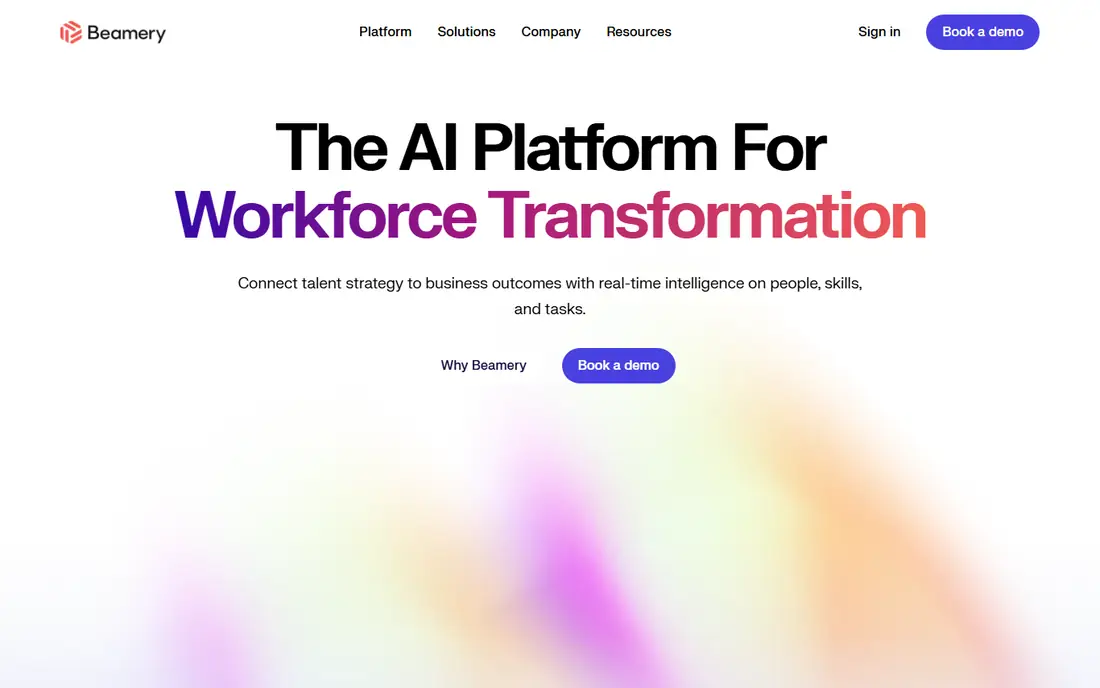
Beamery combines a talent CRM with skills and workforce intelligence. Recruiters can build pipelines, run campaigns, and nurture candidates over time, while HR leaders model workforce scenarios and skill gaps. Its agentic AI consultant, Ray, helps analyze job, task, and skill frameworks and suggest updates, with guardrails for review.
Beamery is not an applicant tracking system, so buyers still need a system of record for hiring. Pricing is quote-based, and the platform is aimed at large enterprises. Teams that already run Workday or SAP SuccessFactors and want a talent layer on top will get the most value. Smaller teams should look at sourcing tools with self-serve plans first.
What we like- Talent CRM plus skills intelligence
- Workforce scenario modeling
- Certified Workday and SAP integrations
Watch out for- No public pricing or free trial
- Enterprise focus
#3Phenom
Best for: Candidate experience and hiring4.3/5 on
G2 (436 reviews, checked Oct 2026)
Visit phenom.com
Starting priceSee website
Free planNo

Phenom covers much of the hiring journey, from career sites and candidate attraction to CRM, screening, and scheduling. Its AI tools match candidates to roles, personalize career site content, and automate routine recruiter tasks. That breadth helps large hiring teams that want a consistent candidate experience across many roles and regions.
The scope also means setup matters. Phenom works best when teams define hiring workflows, integrations, and data rules early. Pricing is custom, so buyers should ask which modules are included and how many recruiter seats, career sites, and integrations the quote covers. For high-volume hiring, the automation and candidate experience gains can justify the enterprise cost.
What we like- Career sites, CRM, and hiring automation in one system
- AI matching and chatbot tools
- Strong enterprise integrations
Watch out for- Pricing is quote-based
- Broad scope needs careful setup
#4SeekOut
Best for: AI sourcing at scale4.5/5 on
G2 (797 reviews, checked Oct 2026)
Visit seekout.com
Starting price$149 per month
Free planFree trial (14 days)
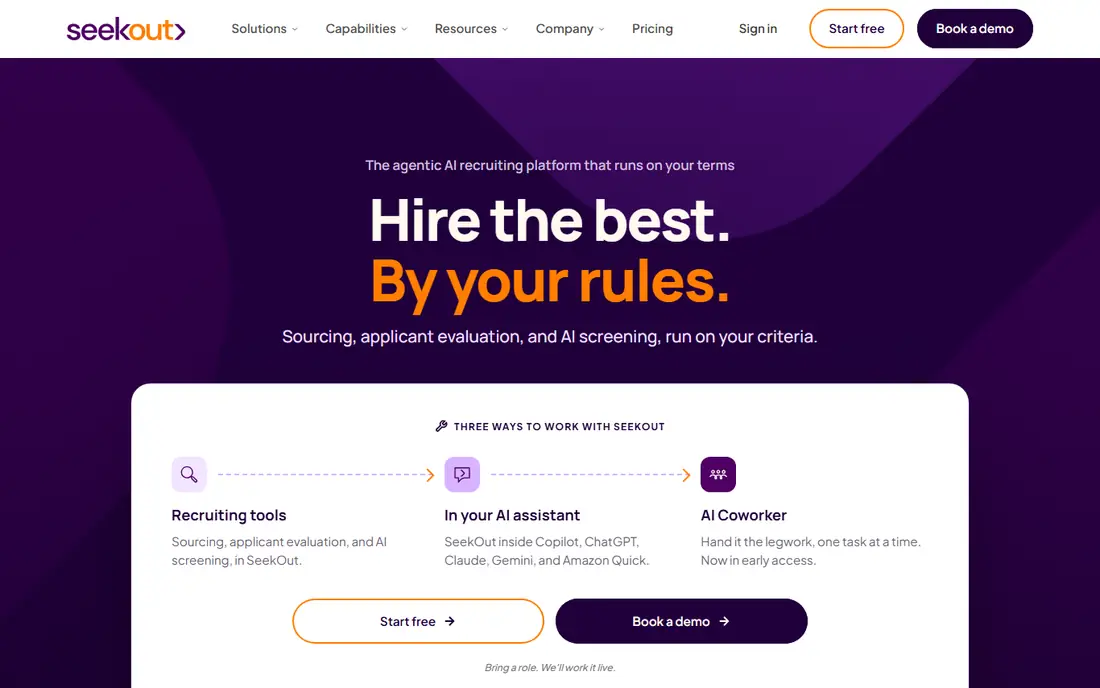
SeekOut is the most accessible entry point in this list for recruiters who need new candidates. Its Recruit Core plan costs $149 per month billed annually, or $179 billed monthly, and includes three seats, unlimited search, 500 contact credits, and 1,000 exports per month. Filters cover skills, experience, diversity signals, and niche indicators such as publications and patents.
The catch is the jump to higher tiers. Features such as ATS rediscovery, advanced filters, and full recruiting funnel tools sit in custom-priced plans. Teams should test SeekOut on their hardest roles during the 14-day trial and track credit use closely. For mainstream roles, a cheaper sourcing tool may suffice, but for technical and scientific hiring, SeekOut search depth is a real advantage.
What we like- Search across more than a billion profiles
- Deep filters for technical and niche roles
- Clear self-serve entry plan
Watch out for- Higher tiers are custom priced
- Contact credits need monitoring
#5Gloat
Best for: Internal mobility and skills4.4/5 on
G2 (34 reviews, checked Oct 2026)
Visit gloat.com
Starting priceSee website
Free planNo
Gloat helps companies fill roles and projects from inside before hiring outside. Employees build skills profiles, see open roles, gigs, and mentorship options, and managers find internal candidates with matching skills. That approach can cut time to fill, improve retention, and surface talent that a normal job posting would miss.
Gloat works best when HR data is clean and managers support internal moves. Without that support, employees may see opportunities they cannot actually take. Pricing is custom, so buyers should ask about implementation, integrations, and how skills data is kept current. For large employers focused on retention and redeployment, Gloat is a strong internal mobility choice.
What we like- Internal talent marketplace
- Skills-based matching for projects and roles
- Workforce agility tools
Watch out for- Pricing is quote-based
- Needs clean HR data to work well
Starting priceSee website
Free planNo
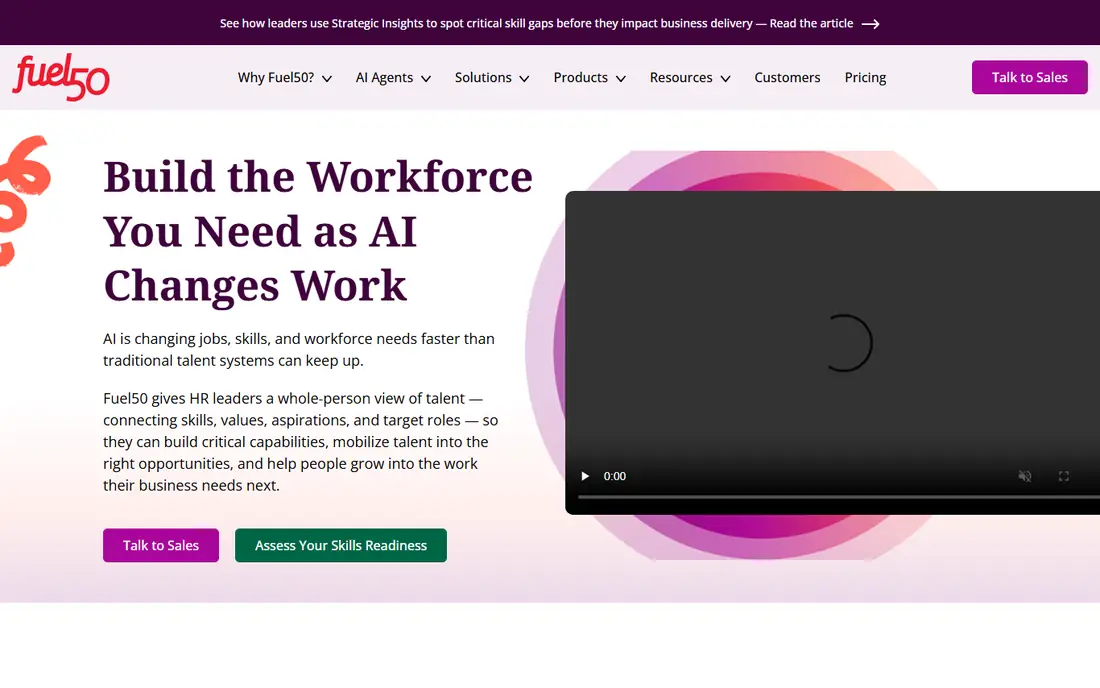
Fuel50 focuses on the employee side of talent intelligence: career paths, skills, development, and internal opportunities. Employees can explore future roles, see skill gaps, and plan learning, while managers and HR teams see where internal talent can grow. That focus helps retention, because staff can see a path forward without leaving the company.
Fuel50 is not a sourcing or applicant tracking tool, so hiring teams will still need other systems for external recruiting. Pricing is custom, and value depends on adoption by employees and managers. Companies that want to pair external hiring intelligence with a clear internal growth story should shortlist Fuel50 alongside a mobility or talent suite.
What we like- Career pathing and development tools
- Skills insights for employees and managers
- Talent mobility focus
Watch out for- Pricing is quote-based
- Narrower hiring scope than full talent suites
Starting priceSee website
Free planNo
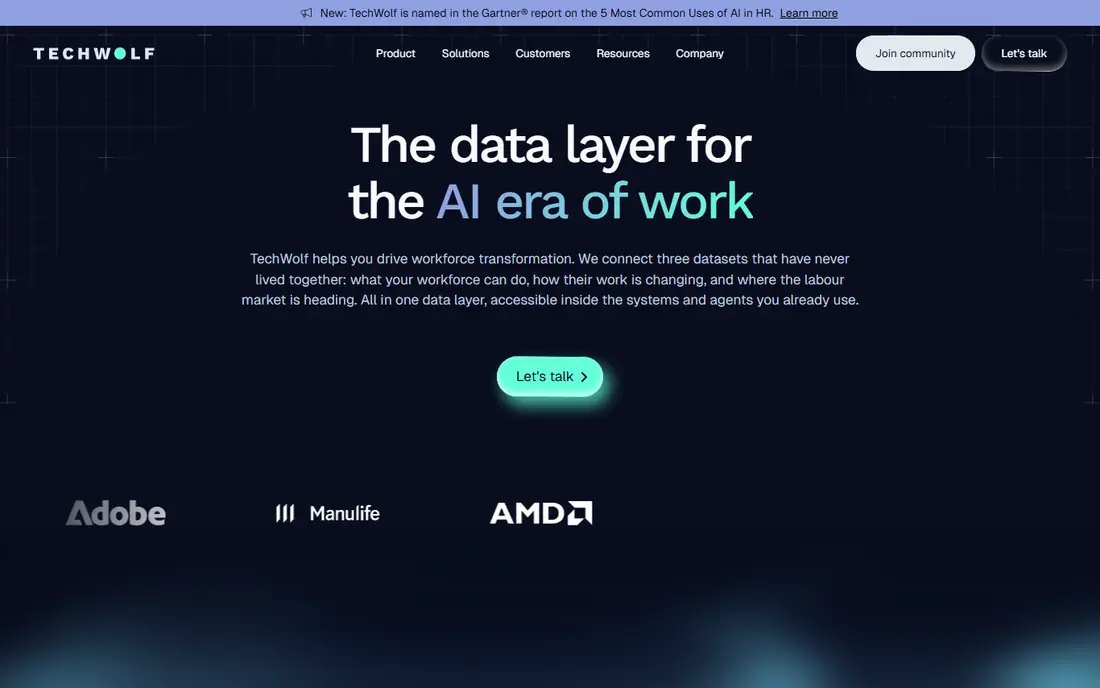
TechWolf builds a skills picture from the systems where work actually happens, rather than relying only on resumes or self-reported profiles. It connects to HR, project, and collaboration tools to infer skills and keep them current. HR leaders can then use that data for hiring, mobility, learning, and workforce planning with fresher evidence than a yearly skills survey.
The key question is accuracy and trust. Inferred skills need human review, especially for sensitive decisions such as promotion or redeployment. Buyers should test TechWolf on a pilot group, check how skills are explained, and confirm data privacy controls. For companies with messy or outdated skills data, TechWolf offers a practical way to rebuild it from real work.
What we like- Infers skills from real work data
- Integrates with HR and work tools
- Supports skills-based decisions
Watch out for- Pricing is quote-based
- Skills inference needs review for accuracy
#8Draup
Best for: Talent market intelligence4.6/5 on
G2 (28 reviews, checked Oct 2026)
Visit draup.com
Starting priceSee website
Free planNo
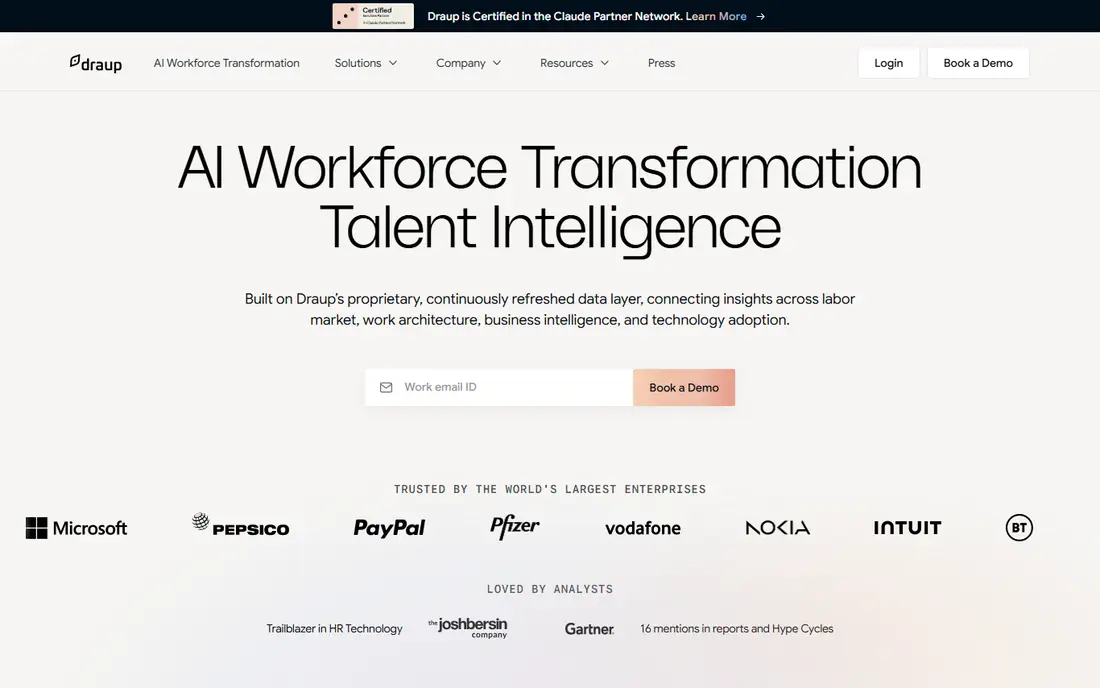
Draup provides talent intelligence for strategic decisions: where to hire, what skills are available, how roles are changing, and which locations offer the right talent. Recruiters and workforce planners use it to compare markets, plan hiring hubs, and design reskilling programs. It also supports sales teams that target companies by talent signals.
Draup is less suited as a daily sourcing tool for individual recruiters. Its strength is planning and market analysis, not pipeline management. Pricing is custom, so buyers should define the questions they need answered, such as location strategy or skill availability, and confirm data coverage for their roles and regions before purchase.
What we like- Talent and market data for hiring strategy
- Location and reskilling insights
- Sales and recruiting use cases
Watch out for- Pricing is quote-based
- More market intelligence than day-to-day recruiting
Starting priceSee website
Free planNo
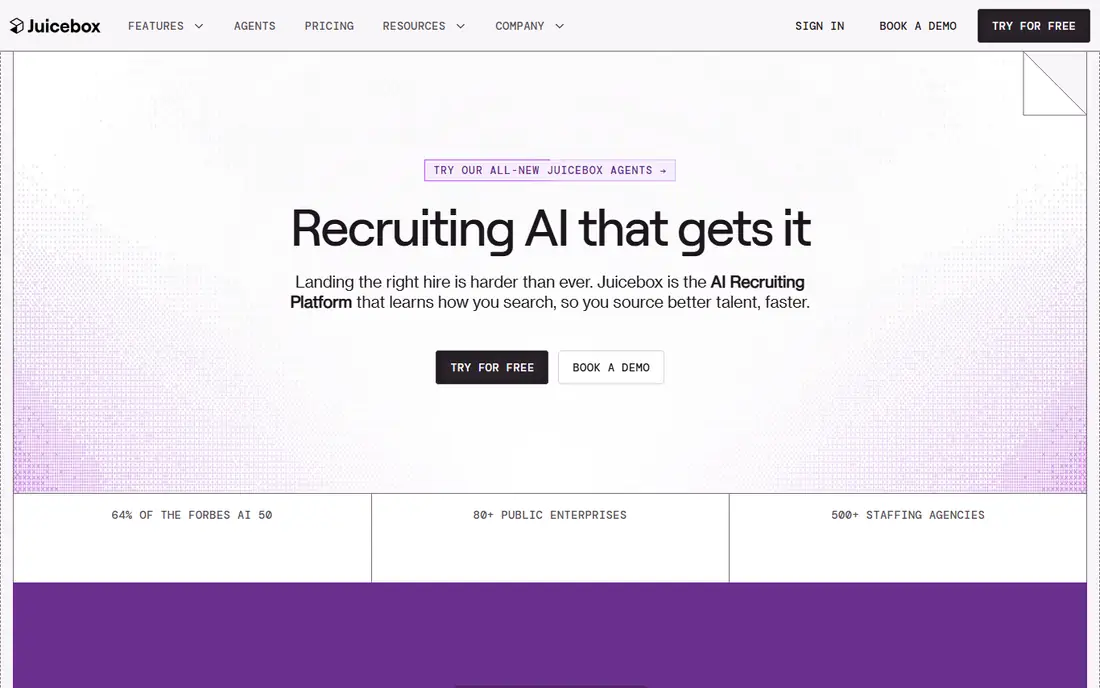
Juicebox is an AI sourcing platform for teams that need net-new candidates, not just better matching of existing applicants. Recruiters can search in plain language, run autonomous sourcing agents, and reach candidates with contact data and outreach tools. It layers over applicant tracking and HR systems, so it can sit alongside a suite such as Eightfold.
Juicebox does not replace a talent intelligence suite for internal mobility or workforce planning. Its value is at the top of the funnel, where pipeline quality decides hiring speed. Buyers should test it on their hardest roles, compare contact accuracy with SeekOut, and confirm pricing by seat and volume before committing.
What we like- Natural-language sourcing search
- Autonomous sourcing agents
- Contact data and outreach tools
Watch out for- Pricing is not published as a simple rate card
- Sourcing focus, not full talent suite
How we chose
We reviewed pricing pages, product documentation, and public reviews on G2, Capterra, and Reddit, alongside features, integrations, and company-size fit. Tools qualified when they use AI to match, source, plan, or analyze talent, not just store resumes or post jobs. Where vendors do not publish prices, we wrote See website rather than inventing a figure.
How to choose for your team size
Talent intelligence is a broad label, and the right tool depends on whether your main gap is sourcing, internal mobility, or workforce planning.
If you need candidates now
Start with a sourcing tool such as SeekOut or Juicebox. Test search quality on five hard roles, track contact accuracy and reply rates, and compare credit or seat costs. A sourcing pilot gives a clear answer in weeks, while a suite implementation takes months.
If you need to keep and move staff
Look at Eightfold, Gloat, or Fuel50, and check how each handles skills data, manager approval, and HR system integration. Run a pilot with one department, and measure internal fill rate and employee engagement before rolling out company-wide. Clean HR data and manager support matter more than any single feature.
If you need market and planning data
Use Draup or TechWolf for location, skills, and workforce questions. Define the decisions first, such as where to open a hub or which skills to build, then check data coverage for those roles. A planning tool should answer a named business question, not just produce dashboards.
Frequently asked questions
What is talent intelligence?
Talent intelligence is the use of AI and data to understand skills, candidates, employees, and labor markets. It helps teams match people to roles, plan hiring, support internal moves, and decide where to find or build skills.
How is talent intelligence different from an applicant tracking system?
An applicant tracking system manages job postings and hiring workflows. A talent intelligence platform adds matching, sourcing, skills analysis, and workforce planning on top of that workflow. Many teams use both, with the intelligence layer connected to the tracking system.
Do AI talent tools introduce bias?
They can, if training data or filters reflect past hiring patterns. Buyers should ask how a vendor tests for bias, explains matches, and lets humans override results. Human review, clear criteria, and regular audits are essential for fair hiring.
What integrations should I check?
Check applicant tracking, HR information, learning, and collaboration tools. Also confirm single sign-on, data privacy controls, and how often skills and candidate data refresh. Poor integration is a common reason talent platforms fail after purchase.
How long does implementation take?
Sourcing tools can start in days or weeks. Enterprise suites often take months, with data cleanup, integration, and change management. Ask vendors for a phased plan, pilot scope, and the internal staff time required.
Can small teams use talent intelligence platforms?
Yes, but they should start with self-serve sourcing tools such as SeekOut. Enterprise suites are built for large employers and may cost more than a small team can justify. Match the tool to hiring volume and HR system complexity.
Sources we checked (9)
- https://www.eightfold.ai
- https://www.beamery.com
- https://www.phenom.com
- https://www.seekout.com
- https://www.gloat.com
- https://www.fuel50.com
- https://www.techwolf.com
- https://www.draup.com
- https://www.juicebox.ai
Is your product missing or out of date?
We review this list regularly. Vendors can request a listing, send updated pricing or ask about featured placement.

Shihab Mia · Founder, Rankite
Shihab has 5+ years in B2B and SaaS SEO. He writes Rankite's software buying guides from pricing pages, documentation and public user reviews. More about Shihab.