How we make this list: we compare pricing pages, product documentation and public user reviews. Ratings come from G2, Capterra or Trustpilot, with the date we checked them.
Key takeaways
- Esper and Scalefusion are the closest Moki replacements for customer facing device fleets, with Esper built specifically for Android dedicated devices.
- Hexnode and Miradore cover mixed fleets on a budget, Miradore with a free tier, Hexnode from about 1 dollar per device a month.
- TinyMDM serves small Android kiosk deployments simply and cheaply, while SOTI and Workspace ONE take the industrial and enterprise ends.
- Moki's niche is single purpose devices in public spaces; judge alternatives on kiosk lockdown strength and remote recovery, not office MDM checklists.
Quick comparison
| Tool | Best for | Starting price | Free plan |
|---|
 Esper | Android dedicated device fleets | See website | No |
 Scalefusion | Kiosks and frontline devices | $2 per device per month | No |
 Hexnode UEM | Affordable multi platform management | $1 per device per month | No |
 Miradore | Simple MDM with a free tier | Free | Yes |
 TinyMDM | Small Android kiosk fleets | See website | No |
 Mosyle | Apple fleets with free entry | Free | Yes |
 SOTI MobiControl | Rugged and industrial devices | See website | No |
 Omnissa Workspace ONE | Enterprise unified endpoint management | See website | No |
Is your product missing or out of date?
We review this list regularly. Vendors can request a listing, send updated pricing or ask about featured placement.
The best Moki Total Control alternatives
#1Esper
Best for: Android dedicated device fleets4.5/5 on
G2 (238 reviews, checked Oct 2026)
Visit esper.io
Starting priceSee website
Free planNo
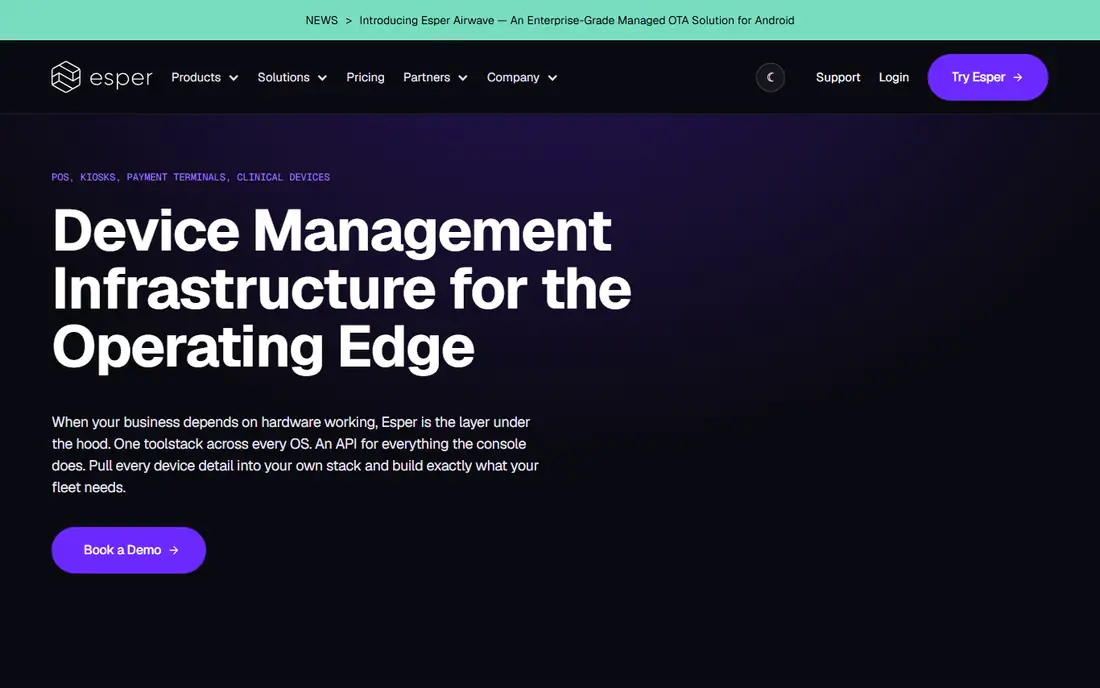
What we like- Esper is built for exactly Moki's world, Android device fleets doing one job: point of sale, kiosks, digital signage, and handhelds, with a DevOps shaped platform of pipelines, staged rollouts, remote debugging, and telemetry. Its Android depth, including support for custom and AOSP devices that consumer MDMs struggle with, is why device makers and restaurant and retail chains standardize on it. When a fleet's failures cost transactions, Esper's rollout discipline and remote recovery tools are the argument.
Watch out for- Esper is Android first
- Apple fleets need a different home or a second platform. Pricing is by conversation and fleet profile rather than a published per device line. Its developer orientation, pipelines and APIs, is power that small operators with fifty tablets may not need and must still learn to drive.
#2Scalefusion
Best for: Kiosks and frontline devices4.7/5 on
G2 (404 reviews, checked Oct 2026)
Visit scalefusion.com
Starting price$2 per device per month
Free planNo
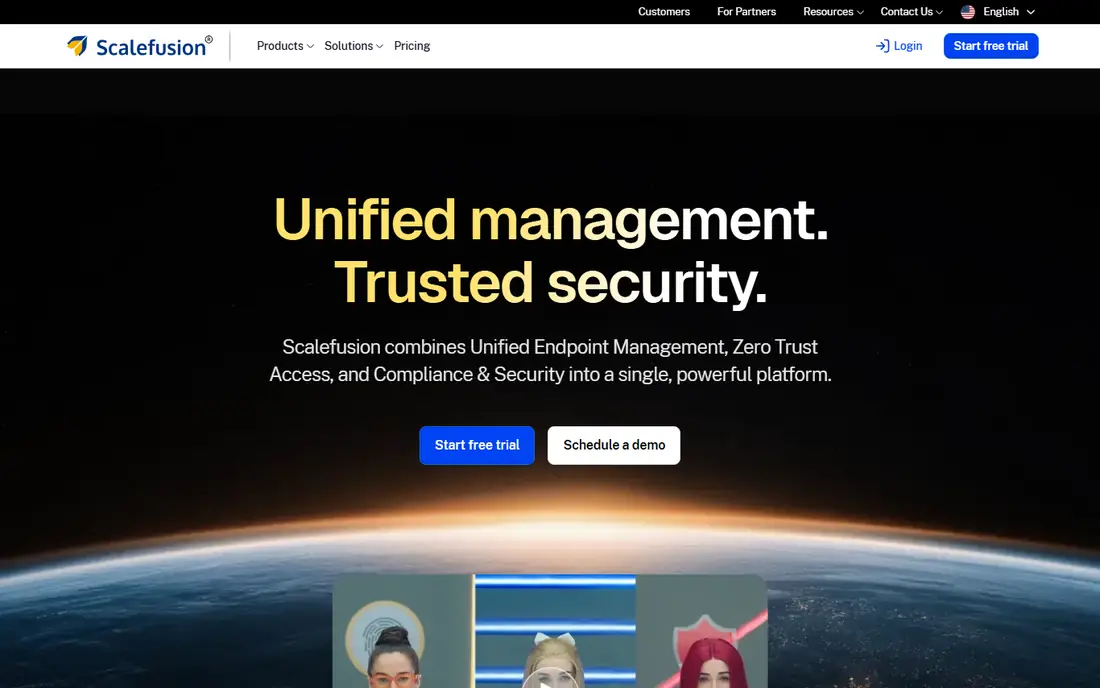
What we like- Scalefusion manages kiosks and frontline devices across Android, iOS, Windows, and macOS from about 2 dollars per device a month: single and multi app kiosk modes, content and app control, location tracking, and an interface IT generalists run without MDM training. Retail, logistics, and hospitality fleets form its base. Against Moki it offers the broader platform coverage and a self serve trial, which makes it the common first evaluation for mixed estates of customer facing and staff devices.
Watch out for- Its Android dedicated device depth, custom hardware and pipeline tooling, is good rather than Esper class. Published tiers gate some management features higher than the entry price suggests. Very large estates will test its reporting and role depth against the enterprise suites.
#3Hexnode UEM
Best for: Affordable multi platform management4.6/5 on
G2 (283 reviews, checked Oct 2026)
Visit hexnode.com
Starting price$1 per device per month
Free planNo
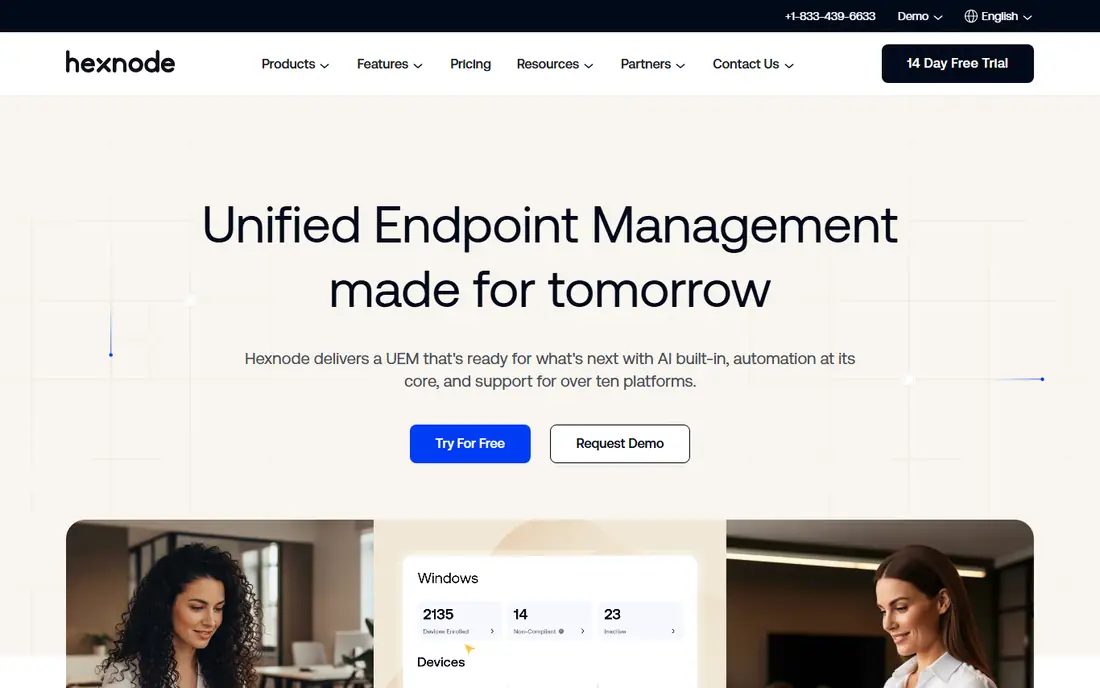
What we like- Hexnode brings Moki's duties into a full UEM at budget pricing: kiosk modes for Android and Apple, app and policy management, geofencing, and remote actions across phones, tablets, computers, and TVs, from about 1 dollar per device a month at entry tiers billed annually. Schools, retailers, and mixed fleets pick it when one console must cover the kiosk tablet and the manager's laptop alike. Its trial and support reputation lower the risk of evaluating it.
Watch out for- The 1 dollar tier is a floor
- Kiosk and integration features that fleets actually deploy sit in higher tiers, so quote your real configuration. Dedicated device tooling is broad rather than deep beside Esper. Enterprise reporting and custom roles trail the suites at the bottom of this list.
#4Miradore
Best for: Simple MDM with a free tier4.6/5 on
G2 (143 reviews, checked Oct 2026)
Visit miradore.com
Starting priceFree
Free planYes
What we like- Miradore, part of GoTo's portfolio, is the simplicity play: cloud MDM for Android, iOS, Windows, and macOS with a genuinely free tier covering inventory and basic controls, and Premium around 2.90 dollars per device a month adding kiosk, app management, and automation. Small businesses and schools run real fleets on it, and its setup is measured in minutes. For a modest Moki deployment, a café's tablets and a shop's handhelds, Miradore's free start makes the evaluation costless.
Watch out for- Kiosk and dedicated device features concentrate in the paid tier, and its rugged and custom Android depth is limited beside Esper and SOTI. Reporting and enterprise integrations are SMB scaled. Organizations planning thousands of devices should validate its ceilings in the pilot rather than discover them at rollout.
Starting priceSee website
Free planNo
What we like- TinyMDM is the focused small fleet tool: Android only management with kiosk mode, app control, and remote wipe, designed and priced for small businesses, schools, and associations that find full UEM platforms excessive. Its interface is famously plain, its policies are understandable by the office manager who inherits them, and its per device pricing sits at the very low end of the category, quoted on its site by plan. For a few dozen Android tablets doing one job, it is often all the MDM the job needs.
Watch out for- Android only ends the discussion for Apple estates. Depth for enterprise compliance, identity integration, and reporting is intentionally out of scope. Published prices vary by region and plan, so confirm the current figure for your fleet rather than rely on third party listings.
#6Mosyle
Best for: Apple fleets with free entry4.6/5 on
G2 (57 reviews, checked Oct 2026)
Visit mosyle.com
Starting priceFree
Free planYes
What we like- Mosyle manages Apple devices, iPads included, with a free tier for up to 30 devices and paid Fuse plans layering management, app catalogues, and security features for schools and businesses. iPad kiosk and shared device scenarios in education and retail are its heartland, and its Apple specialism shows in day one support for new Apple releases. If the Moki fleet you run is iPads in stands, Mosyle is the platform native answer.
Watch out for- Apple only, permanently. Beyond small fleets the Fuse pricing applies per device and the free tier is a trial in effect. Its kiosk story is Apple's own frameworks, well managed, rather than the hardened custom lockdown Android specialists build.
#7SOTI MobiControl
Best for: Rugged and industrial devices4.3/5 on
G2 (32 reviews, checked Oct 2026)
Visit soti.net
Starting priceSee website
Free planNo
What we like- SOTI MobiControl manages the devices that run warehouses, delivery networks, and hospitals: rugged handhelds, scanners, and printers, with remote control and support tools for machines in the field and uptime analytics through its platform. Its decades in mission critical fleets show in how it handles device failure as an operations problem, not an IT ticket. Organizations whose Moki style devices are actually industrial hardware choose SOTI for that lineage.
Watch out for- Industrial depth is wasted, and priced accordingly, on a fleet of café tablets. Pricing is through SOTI and partners by quote. The console's power assumes an administrator
- Small teams may find it heavier than their fleet justifies.
#8
Omnissa Workspace ONE
Best for: Enterprise unified endpoint management
Visit omnissa.com
Starting priceSee website
Free planNo
What we like- Workspace ONE, from Omnissa, is the enterprise suite covering dedicated devices inside a total endpoint strategy: kiosk and single app modes across platforms, conditional access, and analytics, integrated with the identity and app estate of a large organization. Global retailers and hospitality groups use it to run customer facing devices under the same governance as every other endpoint. Its scale proof, tens of thousands of devices under one policy regime, is the argument.
Watch out for- Enterprise weight in every dimension: quote pricing, implementation projects, administrator training. A fleet whose only problem is kiosk tablets will not repay it. The Omnissa brand transition from VMware means packaging and roadmap details deserve fresh confirmation in procurement.
How we chose
We compared device management platforms on the criteria of the dedicated device world: kiosk lockdown, remote recovery, staged rollout, platform coverage for customer facing hardware, and per device economics at fleet scale. We weighted Android specialists heavily because that is where single purpose fleets concentrate, included both Apple and budget generalist routes, and marked negotiated pricing plainly.
How to choose the right Moki Total Control alternative
Start from the device and its failure cost. A kiosk that cannot take orders loses money by the minute, so remote restart, offline behaviour, and alerting matter more than any console feature. Pilots should therefore be cruel: enrol your worst location's devices, pull the network cable, hand the tablet to a determined teenager's worth of curiosity in kiosk mode, and watch what the platform tells you and lets you fix from the office. Esper's depth shows in that test; so does every tool's honesty.
Then count honestly. Per device pricing at 1 to 3 dollars looks trivial until the fleet is 4,000 devices across three countries, at which point tier gates and minimums decide the contract. Confirm which tier holds kiosk mode and remote actions, whether spare and seasonal devices bill, and how the vendor counts a device that is enrolled but shelved. Finally, plan the migration physically: changing MDM on dedicated devices can require hands on each unit or a factory reset under Android's management rules, so schedule swaps with refresh cycles and site visits, and keep the old console alive until the last location reports in on the new one.
Frequently asked questions
What makes dedicated device management different from office MDM?
The device has one job and no user to help it. Management must lock it to that job against public handling, recover it remotely when it freezes, update it in stages so a bad build never reaches every location at once, and report its health continuously. Office MDM optimizes for employee flexibility and privacy boundaries; kiosk fleets optimize for lockdown and uptime. The overlap is real but the priorities reverse.
Which alternative is best for Android point of sale fleets?
Esper, built for Android dedicated devices with pipeline rollouts and remote debugging, is the specialist answer. Scalefusion is the friendlier generalist when the same console must also manage staff phones, and TinyMDM covers small simple fleets at the lowest effort. The deciding test is your hardware: custom or AOSP devices narrow the field to Esper class tooling quickly.
Can iPads run as proper kiosks under these tools?
Yes, within Apple's frameworks. Mosyle and the generalists here manage iPads into single app and guided configurations suitable for stands and counters, and Apple's own supervision model is stable and well understood. What Apple does not allow is the deep system lockdown Android permits, so public facing iPad deployments rely on physical enclosures and guided access discipline alongside the MDM.
How much should a kiosk fleet budget per device?
Published budget tools run 1 to 3 dollars per device a month at entry tiers, with the features fleets need often one tier up; enterprise suites quote by estate. At fleet scale, negotiate the counting rules, spares, seasonal devices, and decommissioned units, since a few hundred zombie enrolments cost more than the per device rate differences between finalists.
Do we need to visit every device to switch MDM?
Often, yes, or near enough. Android fully managed devices typically require factory reset to transfer management authority, and supervised Apple devices need re enrolment steps. Vendors and platforms soften this with QR and zero touch enrolment for new setups, but an installed public fleet usually changes management during planned site work. Budget the logistics as part of the licence decision, not as a surprise after it.
Sources we checked (0)
Is your product missing or out of date?
We review this list regularly. Vendors can request a listing, send updated pricing or ask about featured placement.

Shihab Mia · Founder, Rankite
Shihab has 5+ years in B2B and SaaS SEO. He writes Rankite's software buying guides from pricing pages, documentation and public user reviews. More about Shihab.