How we make this list: we compare pricing pages, product documentation and public user reviews. Rankite is independent; if a vendor ever pays for a featured spot, that listing is clearly labeled Partner.
Key takeaways
- The wrong website builder costs you twice: months of work locked into a platform that cannot grow with you, plus a rebuild when you outgrow it.
- Wix and Squarespace remain the best all-rounders for small businesses that want a professional site fast without hiring a developer.
- WordPress.com and Webflow suit teams that need more control over design, content, and SEO, while Shopify is the pick when selling online is the point.
- GoDaddy, Duda, and Framer fill specific niches: AI-built sites on a budget, agencies managing client sites, and designers who want pixel-level control.
Quick comparison
| Tool | Best for | Starting price | Free plan |
|---|
 Wix Wix | small businesses that want it all | See website | Yes |
 Squarespace Squarespace | businesses where design is the selling point | $19/month | Free trial |
 WordPress.com WordPress.com | blogs and content-driven sites | See website | Yes |
 Webflow Webflow | designers and marketing teams | See website | Yes |
 Shopify Shopify | businesses that sell online | See website | Free trial |
 GoDaddy GoDaddy | getting online fast on a budget | $24.99/month | Yes |
 Duda Duda | agencies and freelancers building client sites | See website | Free trial |
 Framer Framer | designers who want AI speed with full control | See website | Yes |
Is your product missing or out of date?
We review this list regularly. Vendors can request a listing, send updated pricing or ask about featured placement.
Your website is the one marketing asset you fully own, which makes the platform behind it a long-term decision. A bad choice shows up slowly: the template that cannot do what your business needs, the SEO limitations that cap your traffic, the export options that do not exist when you want to leave. Picking the right website builder the first time saves a rebuild a year from now.
Starting priceSee website
Free planYes
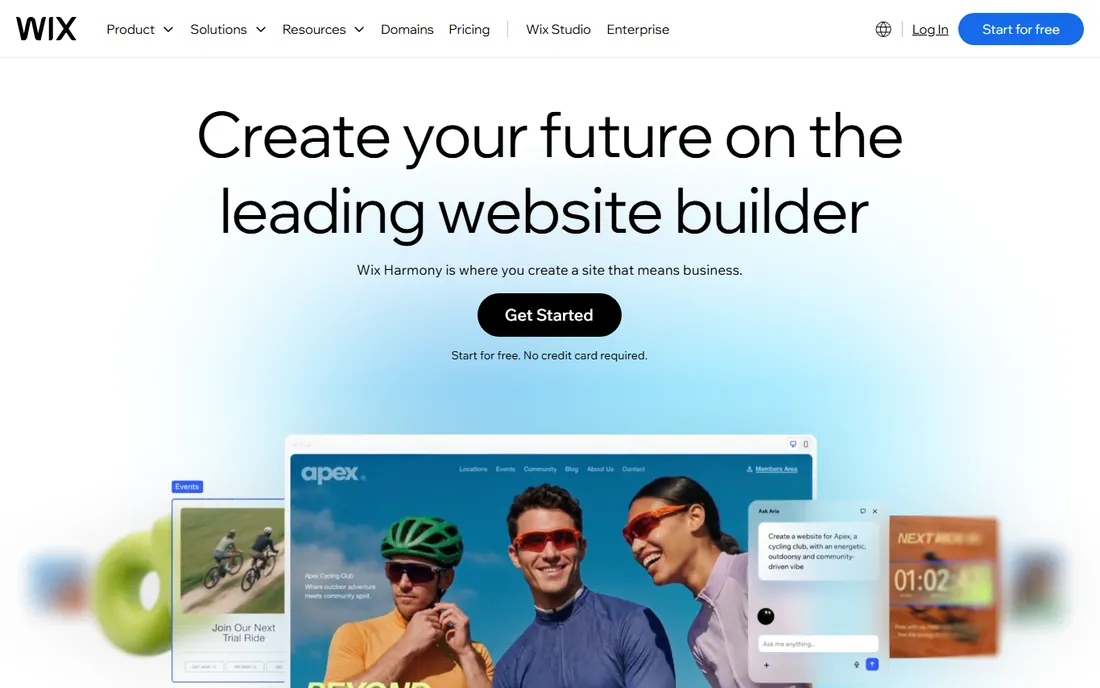
Wix is the most flexible mainstream website builder. Its drag-and-drop editor gives pixel-level control without code, and the 2,000+ template library covers nearly every industry. Beyond pages, Wix bundles ecommerce, bookings, events, online courses, and email marketing, so a small business can run its whole operation from one dashboard.
The newer AI website builder, Wix Harmony, generates a complete site from a plain-language description, then lets you refine everything by hand. That combination of instant generation and manual control is the best of both worlds for owners who want speed without surrendering design decisions.
The honest catch is portability. Once you pick a Wix template, switching to a different one means rebuilding, and exporting a Wix site to another platform is not really possible. For businesses committed to the platform, that rarely matters. But go in knowing Wix is a long-term relationship.
What we like- 2,000+ templates and true drag-and-drop freedom
- Built-in ecommerce, bookings, and marketing
- AI builder creates a site from a description
Watch out for- Template switching requires rebuilding
- Advanced users can hit design limits
Starting price$19/month
Free planFree trial
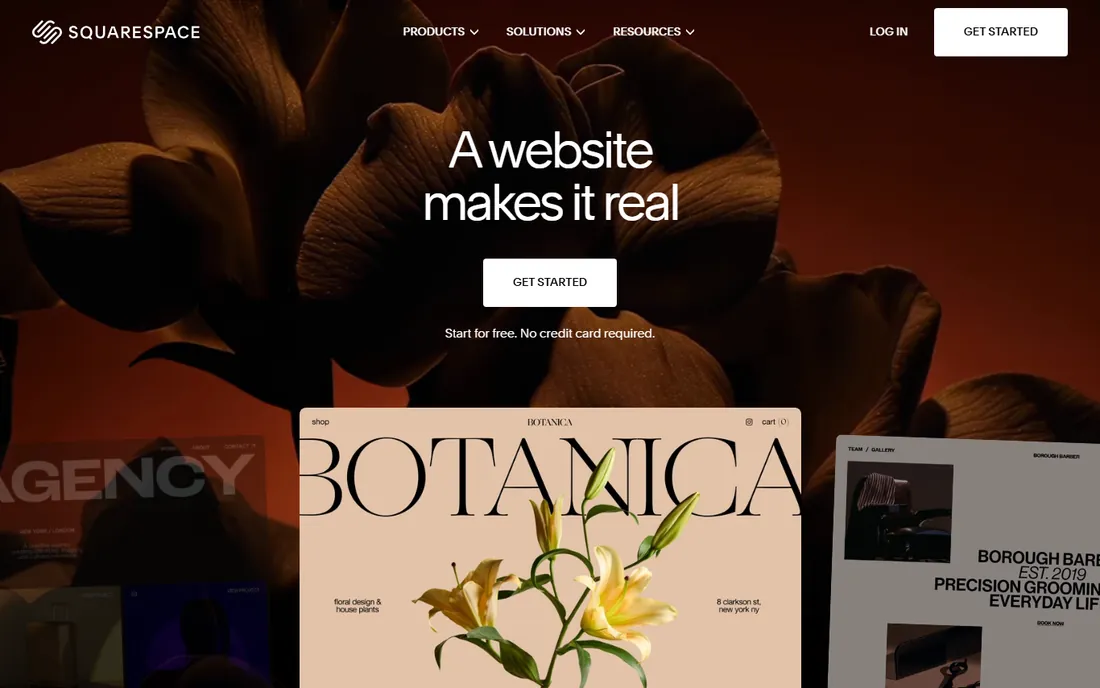
Squarespace built its reputation on design, and it still shows. The templates are the most polished of any mainstream builder, which is why photographers, restaurants, architects, and boutiques gravitate here. A Squarespace site looks expensive even when it is not.
Under the design, the platform is a capable business tool. Blueprint AI generates a complete site from a few questions, and built-in features cover ecommerce, appointment scheduling through Acuity, invoicing, and email marketing. Hosting, SSL, and security come standard, and a free custom domain is included for a year on annual plans.
The tradeoff is flexibility. Squarespace's structured editor keeps designs beautiful by limiting how far you can deviate, which frustrates tinkerers. Pricing starts at $19 per month after the 14-day trial, with no free tier. For brands where appearance drives revenue, it is worth every dollar.
What we like- The best-looking templates in the industry
- Strong blogging and portfolio tools
- Built-in ecommerce and scheduling
Watch out for- Less drag-and-drop freedom than Wix
- $19/mo starting price after a 14-day trial
Starting priceSee website
Free planYes

WordPress.com takes the world's most popular CMS and removes the hosting headache. You get managed WordPress with fast global CDN hosting, security, and backups handled for you, plus the block editor and a vast library of themes. For bloggers, publishers, and content marketers, it is the natural home.
The platform scales further than most builders. Unmetered bandwidth comes on every plan, storage is generous, and the path to WordPress VIP exists for enterprises that outgrow the standard tiers. The newsletter and reader features help creators build an audience without leaving the platform.
The catch is the plan ladder. The free plan carries WordPress.com ads and a subdomain, and installing third-party plugins requires the higher-tier plans that open up the full WordPress ecosystem. Compare the plan you actually need, not the entry price. For content-first sites, the tradeoff usually favors WordPress.com.
What we like- The power of WordPress without server management
- Unmetered bandwidth on all plans
- Huge theme and plugin ecosystem
Watch out for- The free plan shows WordPress ads
- Using plugins requires higher-tier plans
Starting priceSee website
Free planYes
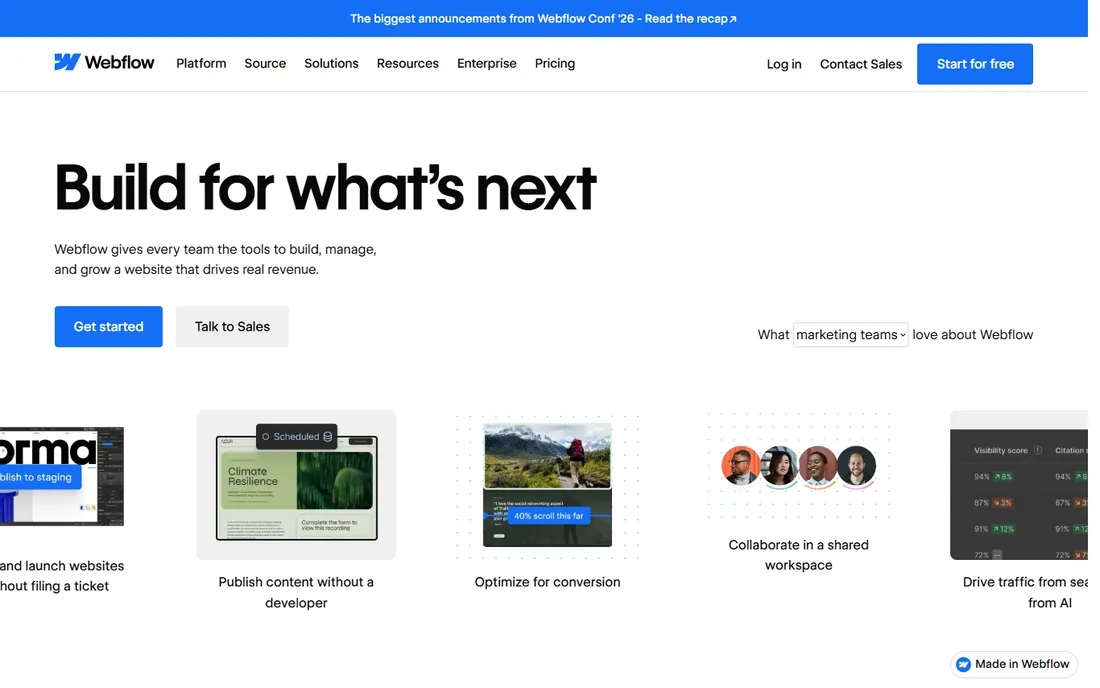
Webflow is the builder for people who care about how websites are actually made. Its visual canvas gives designers control close to hand-coding, and it outputs clean, semantic code with strong performance. The CMS, interactions engine, and localization features make it a favorite for marketing teams that publish constantly.
The platform has moved aggressively into AI, with design agents that generate and refine sites on the canvas and tooling that connects to external agents like Claude Code. For agencies and in-house teams, features like page branching, shared libraries, and client billing make Webflow a genuine production tool, not just a page builder.
The honest catch is the learning curve. Webflow assumes you understand web design concepts, and beginners can feel lost. Pricing splits into site plans and workspace plans, which takes study. For teams with design ambition, nothing else on this list offers this much control without code.
What we like- Professional-grade visual design with clean code output
- Powerful CMS and interactions
- Strong SEO and performance controls
Watch out for- Steeper learning curve than Wix or Squarespace
- Pricing has separate site and workspace plans
Starting priceSee website
Free planFree trial

When the website's job is selling, Shopify is the default answer. Product management, checkout, payments, shipping, and taxes are handled natively, and the app store extends the platform into subscriptions, wholesale, and international selling. Few platforms convert browsers to buyers as reliably.
Shopify also handles the business around the store: point of sale for physical locations, marketing tools, and analytics that tie everything together. The theme library keeps storefronts looking current, and the platform scales from a first product to enterprise volumes.
The catch is cost and focus. The subscription plus apps plus transaction fees adds up, and Shopify is a store first, so content-heavy sites feel constrained compared to WordPress or Webflow. If ecommerce is the core of the business, those tradeoffs are worth it. If the store is an afterthought, a general builder with shop features may be cheaper.
What we like- The definitive ecommerce platform
- Huge app store and theme library
- Multi-channel selling built in
Watch out for- Monthly costs add up with apps and transaction fees
- Less flexible for non-store content
Starting price$24.99/month
Free planYes
GoDaddy's pitch is speed. Its Airo AI builder generates a complete website from a short description, and you can start free with monthly AI credits before paying anything. For a local business that needs a credible site this week, that is a compelling offer.
The value extends beyond the builder. GoDaddy bundles domain registration with free privacy protection, professional email, and marketing tools, so the whole online presence lives under one roof with one support number. The featured AI Builder Professional plan at $24.99 per month billed annually includes bookings, payments, and unlimited product listings.
The tradeoff is design depth. GoDaddy's builder is simpler than Wix or Squarespace, and owners who care deeply about aesthetics will feel the limits. Expect frequent prompts to add paid extras. For budget-conscious businesses that prioritize being online over being beautiful, it delivers.
What we like- AI builder creates a site in minutes
- Free plan to start with 50 AI credits monthly
- Domain, email, and marketing in one place
Watch out for- Design flexibility trails Wix and Squarespace
- Upsells are frequent
#7
Duda
Best for: agencies and freelancers building client sites
Visit duda.co
Starting priceSee website
Free planFree trial
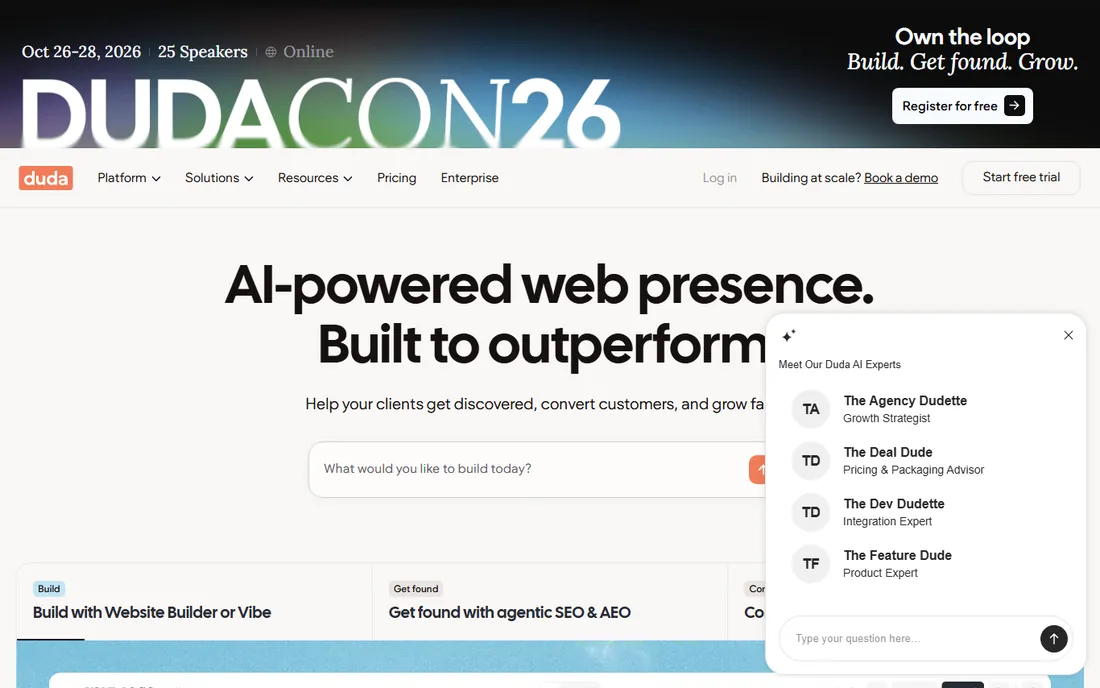
Duda is the website builder for people who build websites for a living. Agencies, freelancers, hosts, and SaaS platforms use it to create and manage hundreds or thousands of client sites from one dashboard, with white-label branding, client permissions, and automation through APIs. Over 23,000 such businesses trust the platform.
The builder itself is fast and capable, with responsive design tools, dynamic pages, and built-in ecommerce. The newer Duda Vibe adds AI generation of full sites and web apps from chat prompts. Client management features, like letting clients comment without gaining ownership and tying site publishing to payment status, are built for the agency business model.
The honest catch is audience. Duda is designed for professionals managing client work, not for a bakery owner building their own site. Pricing and features reflect that. If you are an agency, it is one of the best tools here. If you are a DIY owner, start with Wix or Squarespace.
What we like- Built for managing many client sites from one dashboard
- White-label everything
- Strong automation and APIs
Watch out for- Aimed at professionals, not DIY owners
- Pricing reflects the agency focus
#8
Framer
Best for: designers who want AI speed with full control
Visit framer.com
Starting priceSee website
Free planYes
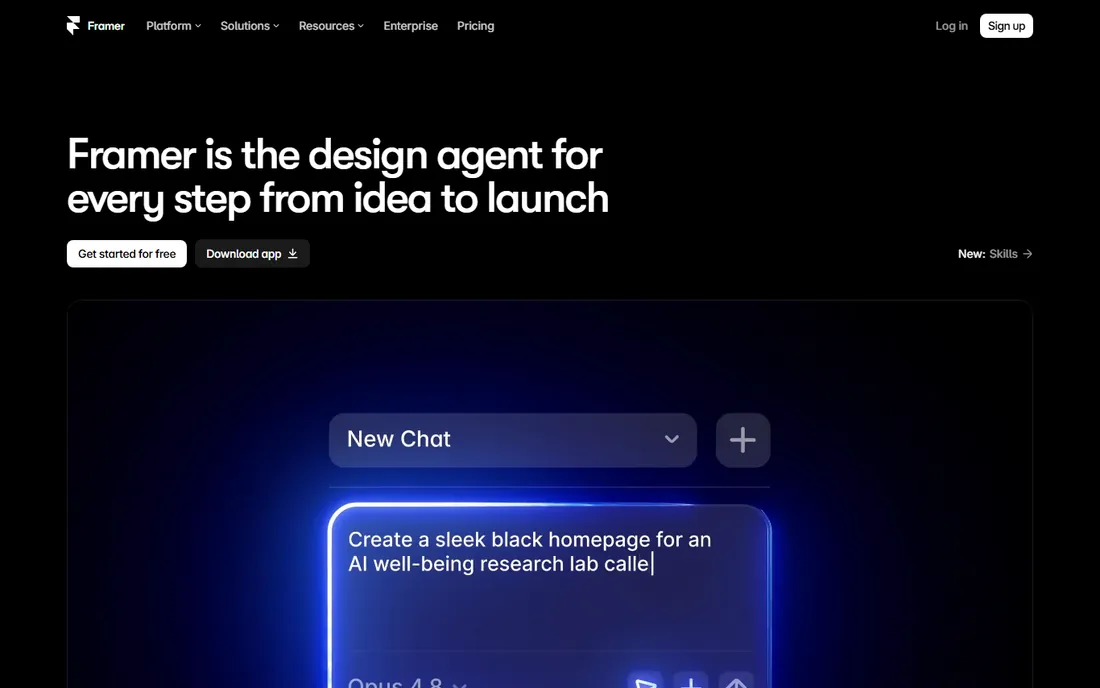
Framer started as a prototyping tool for designers and has become a full website platform with AI at its core. Design agents generate and refine sites directly on the canvas, manage the CMS, and even write custom code, while everything remains visible and editable. The results look exceptional: Framer sites routinely win design praise.
The platform covers the essentials well. Built-in CMS, localization, A/B testing, analytics, and 99.99% uptime hosting make it viable for real business sites, and the template marketplace offers genuinely beautiful starting points. Performance is a priority, with strong Core Web Vitals out of the box.
The catch is maturity. The plugin ecosystem and third-party integrations are smaller than WordPress's or Shopify's, and complex ecommerce needs may require workarounds. For design-led sites where the visual bar is high, Framer is exciting. For everything-else businesses, the mainstream builders are safer.
What we like- AI design agents work directly on the canvas
- Stunning templates and interactions
- Fast hosting with strong performance
Watch out for- Newer platform with a smaller ecosystem
- CMS and ecommerce trail mature builders
How we chose
We evaluated website builders the way a small business owner would: how fast a professional site goes live, template quality, ease of editing, ecommerce capability, SEO controls, and honest pricing. We verified each vendor's homepage and pulled current plan details from official pricing pages and FAQs. We included general builders, content platforms, ecommerce specialists, and agency-focused tools, and we dropped any vendor whose homepage we could not confirm. We did not build test sites on every platform; the right choice depends on your content and your patience for design work.
Avoiding the rebuild trap
The most expensive website builder mistake is choosing for today and rebuilding next year. A little foresight prevents it.
List what the site must do in two years
Selling three products today can become fifty products with subscriptions tomorrow. A blog can become a membership site. Write down the two-year version of the business before choosing, and confirm the platform handles it natively, not through fragile workarounds.
Check the exit before you enter
Every builder here makes leaving painful to some degree, but the degrees differ. WordPress.com content exports cleanly. Wix and Squarespace effectively do not export. Ask how you would take your content and domain elsewhere, and factor the answer into the decision.
Test the editor with your real content
Templates always look good with stock photos. Build one real page with your actual text, images, and products during the trial. That is when limitations surface: the gallery that cannot do what you need, the checkout flow that confuses customers, the mobile view that breaks.
Why SEO capabilities deserve a close look
A beautiful site that nobody finds is a brochure in a drawer. The builders on this list differ more in SEO than in design.
Check that you can control page titles, meta descriptions, URLs, and image alt text on every page. Confirm the platform generates sitemaps, supports redirects, and loads fast on mobile, since page speed affects rankings directly. WordPress.com and Webflow give the most SEO control; the simpler builders cover the basics.
Also consider AI search visibility. As buyers increasingly ask AI assistants for recommendations, the structured data and content clarity your builder supports will matter. Platforms investing in this area, like Wix and Webflow, are thinking ahead.
Frequently asked questions
What is the best website building platform for small business?
Wix and Squarespace are the best all-rounders for most small businesses: professional templates, no coding required, and built-in tools for bookings, ecommerce, and marketing. Choose Wix for maximum flexibility, Squarespace for the best design, and GoDaddy if budget and speed matter most.
What is the best website builder platform for beginners?
Wix is the easiest mainstream builder for complete beginners, with drag-and-drop editing and an AI builder that creates a site from a description. Squarespace is similarly approachable with more structured guidance. Both offer free trials so you can test before paying.
Can I build a website for free?
Yes. Wix, WordPress.com, Webflow, GoDaddy, and Framer all offer free plans, and Jitsi-style free tiers exist across the category. Free plans typically include a platform subdomain and some limitations, so expect to upgrade for a custom domain and full features.
Which is better, Wix or Squarespace?
Wix offers more design freedom and a wider range of built-in business tools, while Squarespace offers more polished templates and a more guided experience. Design-focused brands usually prefer Squarespace; businesses that want maximum flexibility prefer Wix.
Is WordPress.com the same as WordPress.org?
No. WordPress.com is a hosted service that runs WordPress for you, while WordPress.org is the free open-source software you install on your own hosting. WordPress.com is simpler but limits plugins on lower plans; WordPress.org gives full control but requires you to manage hosting and security.
What is the cheapest way to sell products online?
GoDaddy's builder includes ecommerce features at a low monthly price, and Wix and Squarespace both support online stores on their business plans. For a serious store with growth ambitions, Shopify's purpose-built ecommerce tools usually justify the higher cost.
Sources we checked (8)
- https://www.wix.com
- https://squarespace.com/
- https://wordpress.com/
- https://webflow.com/
- https://www.shopify.com
- https://godaddy.com/
- https://duda.co/
- https://framer.com/
Is your product missing or out of date?
We review this list regularly. Vendors can request a listing, send updated pricing or ask about featured placement.

Shihab Mia · Founder, Rankite
Shihab has spent more than a decade helping SaaS and e-commerce brands grow through search. He writes Rankite's software buying guides from pricing pages, documentation and public user reviews. More about Shihab.