How we make this list: we compare pricing pages, product documentation and public user reviews. Ratings come from G2, Capterra or Trustpilot, with the date we checked them.
Key takeaways
- Long tail keywords are longer, specific phrases with lower volume but higher intent, such as "best laptop for video editing under 1000" rather than "laptop."
- Ahrefs and Semrush lead on full keyword research, while AnswerThePublic and AlsoAsked lead on question based long tail ideas.
- Search volume alone misleads, since a low volume phrase with buying intent beats a high volume phrase with vague intent.
- Check difficulty, intent, and current rankings together, since an easy keyword no one converts on wastes effort.
- Build content around keyword clusters, not single phrases, since one strong page can rank for dozens of related long tails.
Quick comparison
| Tool | Best for | Starting price | Free plan |
|---|
 Ahrefs | Full keyword research | See website | Free trial |
 Semrush | All in one SEO research | See website | Free trial |
 KWFinder | Simple keyword finder | See website | Free trial |
 AnswerThePublic | Question keywords | See website | Free |
 Ubersuggest | Budget keyword research | See website | Free |
 Keyword Tool | Autocomplete keywords | See website | Free |
 LowFruits | Low competition keywords | See website | Free trial |
 AlsoAsked | People Also Ask data | See website | Free trial |
Is your product missing or out of date?
We review this list regularly. Vendors can request a listing, send updated pricing or ask about featured placement.
#1Ahrefs
Best for: Full keyword research4.5/5 on
G2 (717 reviews, checked Oct 2026)
Visit ahrefs.com
Starting priceSee website
Free planFree trial

Ahrefs Keywords Explorer offers a large keyword database with volume, difficulty, clicks, and parent topic data, plus SERP history that shows which pages rank and why. Long tail ideas come from seed keywords, competitor pages, and questions filters, with difficulty scores that help teams pick winnable phrases. The tool suits SEOs who research at scale.
Prices run higher than budget tools, and the interface packs many features, so beginners need time to learn it. For a team that wants the deepest keyword data for long tail research, Ahrefs leads.
What we like- Large keyword database
- Difficulty scores
- SERP data
Watch out for- Higher prices
- Learning curve
#2Semrush
Best for: All in one SEO research4.4/5 on
G2 (4,035 reviews, checked Oct 2026)
Visit semrush.com
Starting priceSee website
Free planFree trial
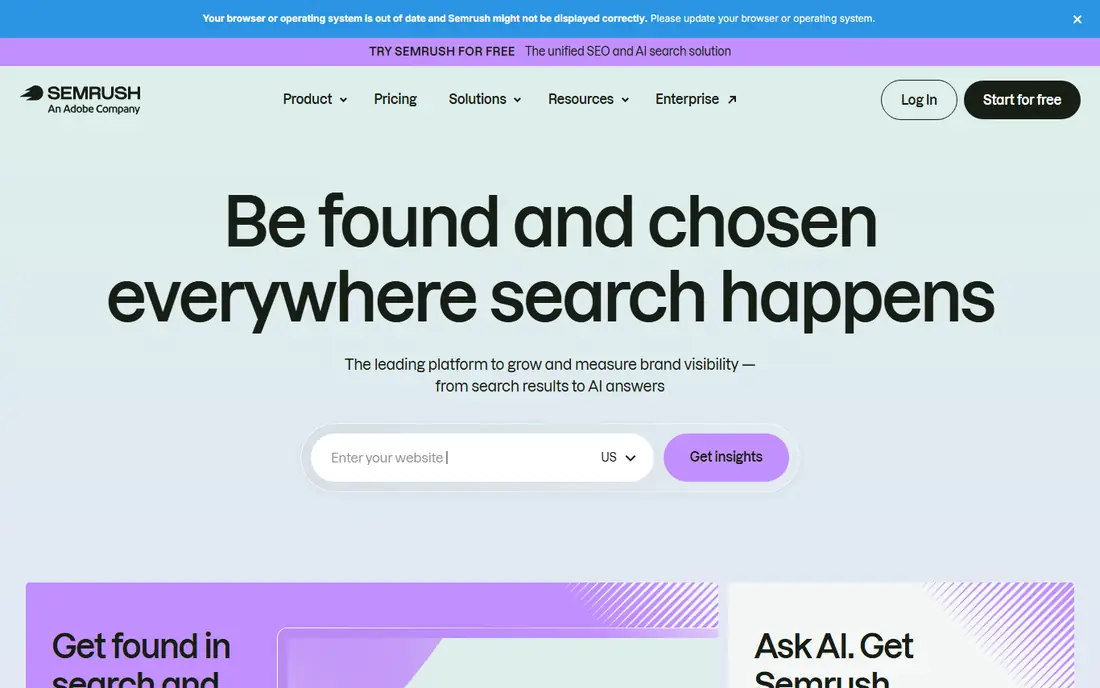
Semrush Keyword Magic Tool expands a seed keyword into thousands of long tail ideas, with volume, difficulty, intent, and trend filters that narrow the list to winnable, converting phrases. Competitor data shows which long tails rivals rank for, while topic clusters group related phrases for content planning. The suite also covers audits, tracking, and backlinks.
Prices run higher than niche tools, and the dense interface takes learning. For a team that wants keyword research plus full SEO tools in one suite, Semrush offers the broadest package.
What we like- Keyword Magic Tool
- Intent filters
- Competitor data
Watch out for- Higher prices
- Interface is dense
Starting priceSee website
Free planFree trial
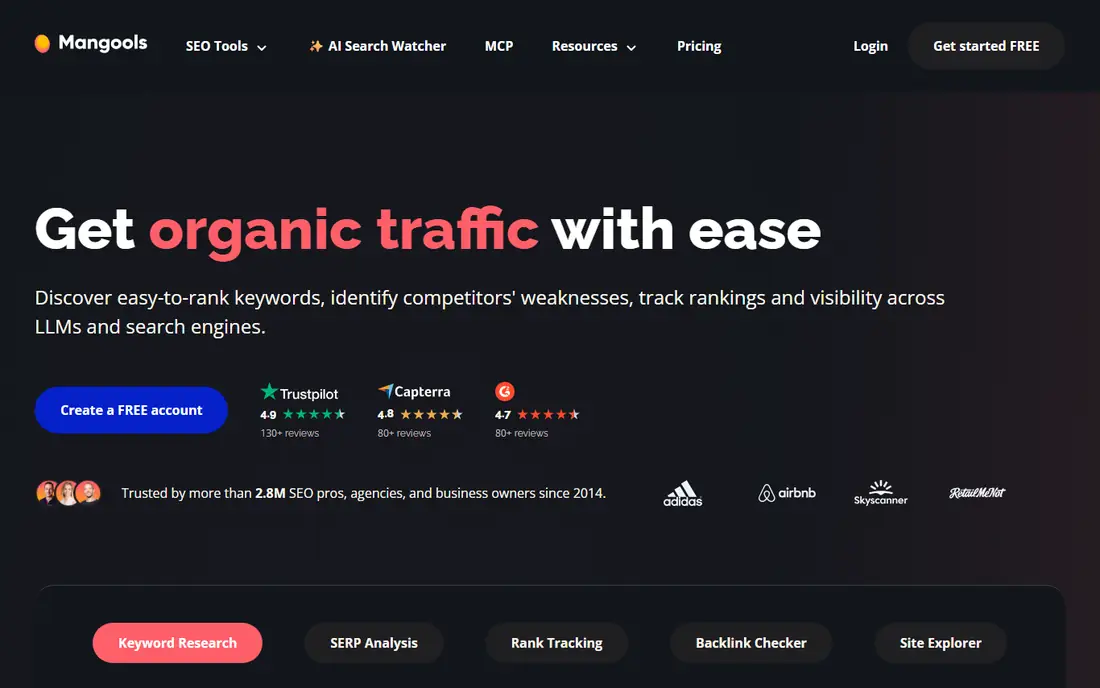
KWFinder, from Mangools, offers a simple keyword finder with volume, difficulty, and SERP data in a clean interface that beginners learn fast. Long tail ideas come from seed keywords and autocomplete, with difficulty scores that flag easy wins. The tool suits small teams and bloggers who want research without suite complexity.
The database is smaller than Ahrefs or Semrush, and advanced filters are fewer, so large scale research may need a bigger tool. For simple, affordable long tail research, KWFinder gives clear value.
What we like- Simple interface
- Difficulty scores
- Fair prices
Watch out for- Smaller database
- Fewer advanced filters
Starting priceSee website
Free planFree
AnswerThePublic visualizes questions, prepositions, and comparisons around a seed keyword, showing how real people phrase searches. The wheel and data views suit content teams that plan FAQ pages, guides, and long tail articles around actual questions. A free tier offers a few searches per day, enough for small projects.
Difficulty and volume data are limited compared with Ahrefs, so teams pair it with a research tool for metrics. For question based long tail ideas and content planning, AnswerThePublic offers a unique, visual starting point.
What we like- Question visualizations
- Free searches
- Content ideas
Watch out for- No difficulty scores
- Volume data is limited
#5Ubersuggest
Best for: Budget keyword research4.2/5 on
G2 (160 reviews, checked Oct 2026)
Visit neilpatel.com
Starting priceSee website
Free planFree
Ubersuggest, from Neil Patel, offers keyword ideas, volume, difficulty, and content suggestions with a free tier that suits bloggers and small businesses. Long tail ideas come from seed keywords and competitor domains, with seasonal trends and SERP data for context. The interface is friendly for beginners.
Data depth is thinner than Ahrefs or Semrush, and the free tier limits daily searches, so heavy research needs a paid plan. For budget long tail research with a gentle learning curve, Ubersuggest gives a solid start.
What we like- Free tier
- Keyword ideas
- Content ideas
Watch out for- Data depth is thinner
- Limits on free tier
Starting priceSee website
Free planFree
Keyword Tool pulls autocomplete suggestions from Google, YouTube, Amazon, and other sources, giving long tail ideas that reflect real searches people type. The free tier shows suggestions without volume, while paid plans add volume, competition, and trend data. The tool suits teams that want raw long tail phrases for content and product research.
Volume and difficulty need a paid plan, and analysis stays basic compared with suites. For autocomplete based long tail ideas across search and shopping platforms, Keyword Tool offers breadth at a fair price.
What we like- Autocomplete data
- Many sources
- Simple flow
Watch out for- Volume needs paid plan
- Analysis is basic
Starting priceSee website
Free planFree trial
LowFruits finds low competition long tail keywords by analyzing SERP weakness, such as forums, thin pages, and low authority sites ranking for a phrase. The weak spot view helps small sites pick phrases they can actually win, rather than chasing high volume keywords dominated by giants. Bulk analysis covers many seed keywords at once.
The brand is smaller and the database narrower than major suites, so teams should cross check volume elsewhere. For a small site hunting winnable long tails, LowFruits offers a focused, practical lens.
What we like- Weak spot detection
- SERP weakness analysis
- Fair prices
Watch out for- Smaller brand
- Database is narrower
Starting priceSee website
Free planFree trial
AlsoAsked maps People Also Ask questions around a seed keyword into trees, showing how questions branch and relate, which helps teams plan FAQ sections and long tail guides. Export options feed content briefs, and the visual trees reveal question clusters that single keyword lists miss. The tool suits content planners who build around real user questions.
Volume and difficulty data are absent, so teams pair AlsoAsked with a research tool for metrics. For question based long tail planning, AlsoAsked gives the clearest People Also Ask view.
What we like- People Also Ask trees
- Question clusters
- Export options
Watch out for- No volume data
- Niche focus
How we chose
We compared keyword database size, long tail idea generation, volume and difficulty accuracy, intent filters, question data, ease of use, pricing, and public SEO practitioner feedback. We favored tools that surface specific, winnable phrases with intent data, rather than tools that only list high volume head terms. No hands on testing is claimed, and prices are shown as Free where a free tier exists, or See website where pricing varies.
Turning long tail ideas into ranking pages
Group related long tails into clusters around one intent, such as all phrases about "laptop for video editing under 1000," and build one strong page per cluster rather than thin pages per phrase. Check the current SERP for each cluster, since a cluster dominated by product pages needs a product page, while a cluster full of guides needs a guide. Write the page to answer the cluster fully, covering questions, comparisons, and details that top pages include, plus original value they lack.
Intent, difficulty, and content planning
Score each cluster by intent, difficulty, and business value before you write, since a winnable cluster with buying intent beats an easy cluster with no conversions. Prioritize clusters where your site already has authority or where SERP weakness shows, such as forums and thin pages ranking. Plan content in batches by cluster, with briefs that list target phrases, questions, and competitor gaps, so writers produce pages that rank rather than pages that merely mention a keyword. A planned cluster program beats random keyword chasing every time.
Measuring long tail success
Track rankings and traffic per cluster, not per single phrase, since one page ranks for dozens of long tails and cluster traffic tells the true story. Watch conversions from long tail pages, since high intent phrases should convert better than head terms, and cut clusters that bring traffic but no value. Refresh pages when SERP leaders change or when new questions appear in AlsoAsked and AnswerThePublic, since long tail demand shifts with trends. Long tail SEO rewards steady cluster work, not one off keyword wins.
Before you decide
Start every research session with a seed list from your own customers, including words they use in support tickets, reviews, and sales calls, since real customer language beats guessed keywords. Export your keyword list with volume, difficulty, and intent in one sheet, so you can sort and filter clusters instead of re running the same research each week. Check the SERP for every cluster before you write, noting whether product pages, guides, videos, or forums dominate, because format mismatch kills rankings. Retire keywords that never rank after six months of honest effort, and replace them with fresh clusters, since clinging to dead keywords wastes writing time. Share cluster briefs with writers that include target phrases, questions, and competitor gaps, so each page covers the full cluster instead of one exact phrase. Review search trends each quarter for seasonal clusters, since a phrase that peaks in summer may need its page refreshed before the season starts.
Frequently asked questions
What counts as a long tail keyword?
A longer, specific search phrase, usually four or more words, with lower volume but higher intent than a short head term. Examples include "best laptop for video editing under 1000" versus "laptop." Long tails convert better because searchers know what they want, even though each phrase brings less traffic alone.
How many long tail keywords should one page target?
One page should target a cluster of related long tails around a single intent, often dozens of phrases, rather than one exact phrase. A strong page naturally ranks for many variations when it covers the topic fully. Thin pages per phrase waste effort and dilute authority.
Are long tail keywords easier to rank for?
Often, since fewer strong pages compete for specific phrases, and SERP weakness shows in forums and thin pages ranking. Difficulty still varies, so check difficulty and current rankings for each cluster. A specific phrase with strong competitors can still be hard, while a vague phrase with weak competitors can be easy.
Should I use free or paid keyword tools?
Free tools such as Ubersuggest, AnswerThePublic, and Keyword Tool suit small projects and learning, while paid tools such as Ahrefs and Semrush suit scale, accuracy, and competitor data. Start free, and pay when volume, difficulty accuracy, or competitor research limits your work. Many teams pair a free question tool with one paid research tool.
How do I know if a long tail keyword converts?
Check intent, since phrases with buying words, comparisons, and specific needs convert better than vague informational phrases. Track conversions per cluster after publishing, and compare long tail conversion rates against head terms. A phrase that brings buyers beats a phrase that brings browsers, whatever its volume.
Sources we checked (8)
- https://ahrefs.com
- https://www.semrush.com
- https://mangools.com
- https://answerthepublic.com
- https://neilpatel.com/ubersuggest/
- https://keywordtool.io
- https://lowfruits.io
- https://alsoasked.com
Is your product missing or out of date?
We review this list regularly. Vendors can request a listing, send updated pricing or ask about featured placement.

Shihab Mia · Founder, Rankite
Shihab has 5+ years in B2B and SaaS SEO. He writes Rankite's software buying guides from pricing pages, documentation and public user reviews. More about Shihab.