How we make this list: we compare pricing pages, product documentation and public user reviews. Ratings come from G2, Capterra or Trustpilot, with the date we checked them.
Key takeaways
- Supplemental insurance pays cash benefits for covered events, and it sits beside major medical coverage rather than replacing it.
- Aflac and Colonial Life offer the widest voluntary benefit ranges for individuals and employees, with accident, critical illness, and hospital plans.
- MetLife, Mutual of Omaha, and Unum suit employer groups, with group disability, life, dental, and absence services.
- Humana and Cigna Healthcare suit buyers who want supplemental coverage from a carrier that also handles health, dental, and vision plans.
- This is not financial advice. Premiums, benefits, waiting periods, and exclusions vary by state and plan, so read the policy and get a quote before buying.
Quick comparison
| Tool | Best for | Starting price | Free plan |
|---|
 Aflac | Individual accident and critical illness plans | See website | No |
 Colonial Life | Voluntary workplace benefits | See website | No |
 MetLife | Employer group benefits | See website | No |
 Mutual of Omaha | Life, Medicare supplement, and group plans | See website | No |
 Humana | Health-linked supplemental coverage | See website | No |
 Cigna Healthcare | Dental, vision, and supplemental health plans | See website | No |
 Transamerica | Workplace and individual protection | See website | No |
 Unum | Disability and leave benefits for employers | See website | No |
Is your product missing or out of date?
We review this list regularly. Vendors can request a listing, send updated pricing or ask about featured placement.
The best supplemental insurance companies
#1
Aflac
Best for: Individual accident and critical illness plans
Visit aflac.com
Starting priceSee website
Free planNo

Aflac is the best-known supplemental insurer in the US, and its individual range covers accident, cancer, critical illness, hospital, short-term disability, dental, vision, and life plans. Benefits are generally paid in cash to the policyholder, which means you can use the money for medical bills, rent, or other costs while you recover. That flexibility is the core appeal of supplemental coverage.
Aflac sells both individual plans and group plans through employers, with group coverage underwritten by its Continental American companies. Availability, benefit amounts, and premiums vary by state and by the plan level you choose, and riders may add cost. If you want a single carrier for several supplemental plans, Aflac is the natural first quote.
What we like- Wide range of individual supplemental plans
- Cash benefits paid directly to policyholders
- Individual and group options
Watch out for- Plan availability varies by state
- Some plans have waiting periods
- Premiums depend on age, plan, and state
Starting priceSee website
Free planNo
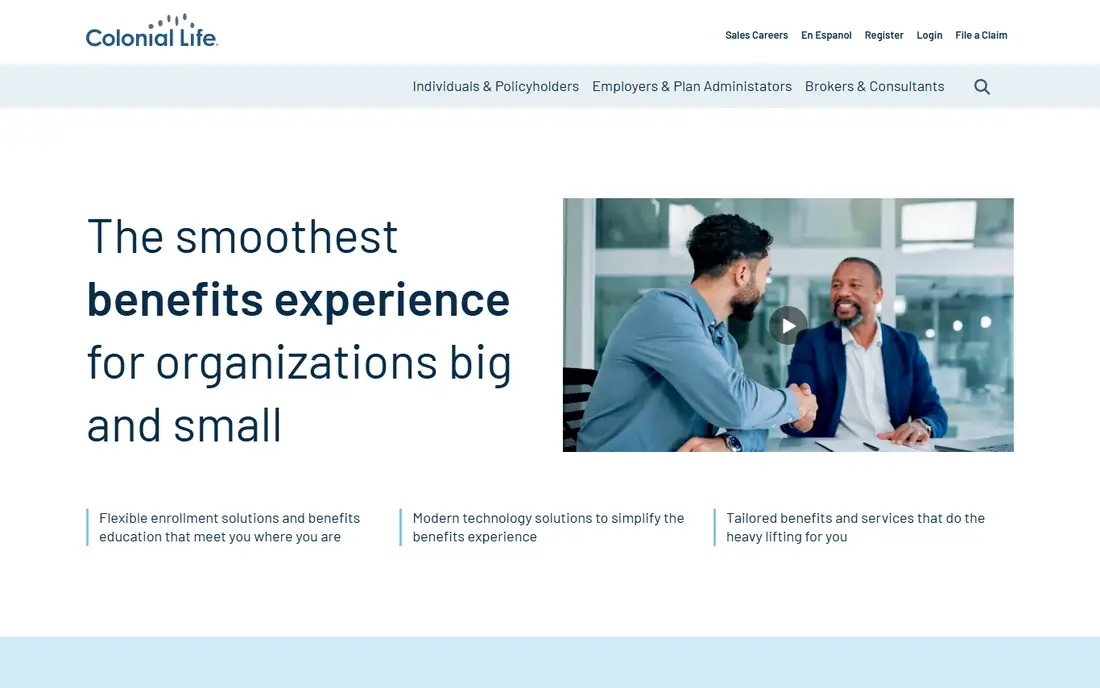
Colonial Life focuses on voluntary benefits offered through workplaces. Its plans cover life, accident, disability, critical illness, hospital, dental, and vision, with enrollment help in person, by phone, online, or virtually. That enrollment support matters, since many employees pick benefits once a year with little guidance.
The company also serves many public-sector employers, including schools and local governments, which suits workers in those sectors. The trade-off is access: most Colonial Life coverage comes through an employer or broker rather than a direct individual purchase. If your employer offers Colonial Life during open enrollment, compare its plans against any individual options you hold.
What we like- Strong enrollment support for employees
- Life, accident, disability, and critical illness plans
- Public-sector experience
Watch out for- Mainly sold through employers and brokers
- Individual purchase options are limited
- Plan details vary by employer group
Starting priceSee website
Free planNo
MetLife is a leading provider of employee group benefits in the US, covering dental, vision, disability, life, accident, and critical illness plans for workplaces of many sizes. Employers can build a package that pairs major medical coverage with supplemental plans that help staff handle deductibles, copays, and income gaps during illness or injury.
Individual buyers will find fewer direct options than at Aflac, since MetLife's strength sits in group enrollment. For employers and benefits managers, MetLife's scale, administration tools, and broker support are real advantages. Ask your employer whether MetLife plans are on offer, and check how each plan pays: some pay providers, while others pay cash to the employee.
What we like- Large group benefits range
- Dental, vision, disability, and life options
- Strong employer and broker support
Watch out for- Most supplemental products are group-based
- Individual options vary
- Pricing is quoted per group
Starting priceSee website
Free planNo
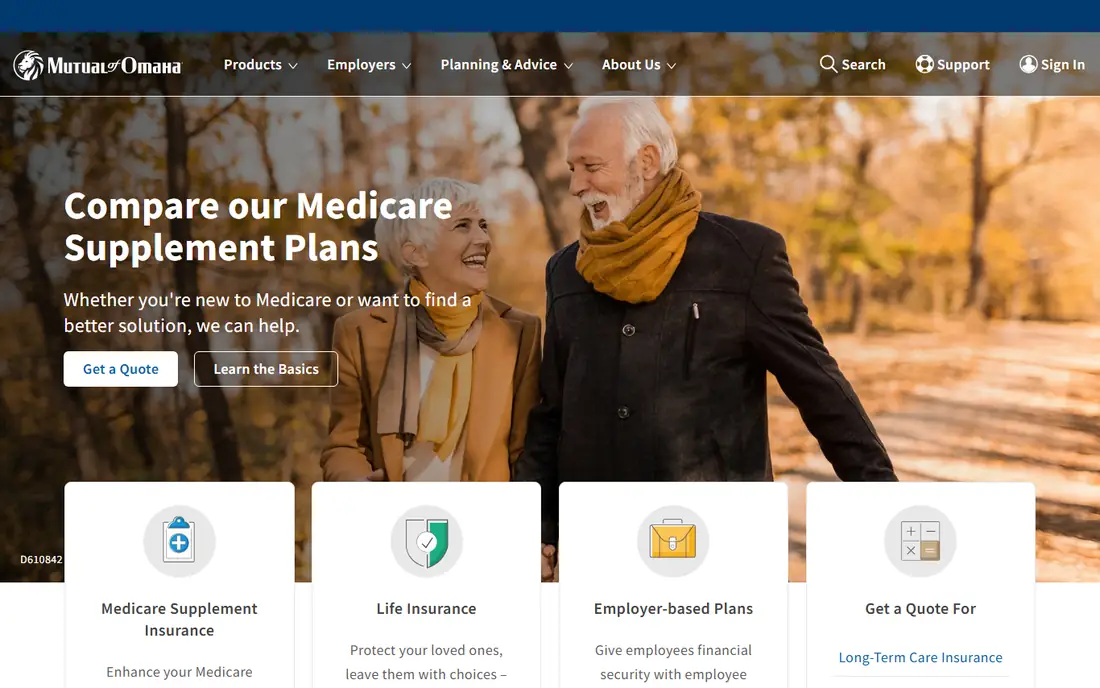
Mutual of Omaha covers life insurance, Medicare supplement plans, and employer-based benefits, with individual and group options. Medicare supplement plans help cover costs that Original Medicare does not pay, such as copayments and coinsurance, while group plans add disability, dental, and life coverage for employees.
The company also offers financial planning support through representatives, which can help buyers who want protection and retirement planning in one conversation. Direct individual supplemental choices are narrower than Aflac's, so buyers seeking accident or critical illness cover should confirm which plans are open in their state. For Medicare-age buyers and employers, Mutual of Omaha is a solid, established option.
What we like- Medicare supplement and life insurance strength
- Employer group benefits
- Long operating history
Watch out for- Supplemental range is narrower for direct individual buyers
- Some products need an agent
- Availability varies by state
Starting priceSee website
Free planNo
Humana is best known for Medicare Advantage, Medicare supplement, and Part D plans, and it also offers dental, vision, and supplemental coverage that pairs with health plans. Members get online tools for claims, benefits, and provider search, plus care programs that support chronic conditions and preventive care.
The main limit is focus. Humana's supplemental range is tied closely to its health and Medicare business, so working-age buyers seeking standalone accident or critical illness cover may find a wider choice elsewhere. For Medicare enrollees, though, buying supplemental and health coverage from one carrier simplifies claims and provider questions. Check open enrollment dates, since Medicare plan changes follow a set calendar.
What we like- Medicare plans plus dental, vision, and supplemental options
- Large provider network
- Member tools and care programs
Watch out for- Focus is mainly Medicare and health plans
- Supplemental products vary by market
- Enrollment windows apply to Medicare plans
#6
Cigna Healthcare
Best for: Dental, vision, and supplemental health plans
Visit cigna.com
Starting priceSee website
Free planNo
Cigna Healthcare offers health, dental, and vision plans, with supplemental health products that help cover costs beside major medical coverage. Dental and vision plans suit buyers who want routine care covered, while supplemental health plans can help with hospital and illness costs. Virtual care is available at no cost share for eligible preventive care and urgent care on some plans.
Availability varies by location and plan type, and all policies carry exclusions and limits that you should read before buying. Cigna suits buyers who already use Cigna health or dental plans and want supplemental cover from the same carrier. Compare its dental and vision networks in your area, since network size decides how useful a plan is in practice.
What we like- Dental and vision plans with broad networks
- Supplemental health products
- Virtual care options on eligible plans
Watch out for- Product availability varies by state
- Some plans exclude California marketing
- Supplemental range is narrower than Aflac
Starting priceSee website
Free planNo
Transamerica offers life insurance, workplace retirement plans, and employee benefits that include life, disability, and supplemental insurance. Employees may access coverage through an employer program, while individuals can buy life insurance through agents, the Transamerica Agent Network, or affiliated financial professionals.
That agent-led model suits buyers who want advice with a purchase, but it makes direct price comparison harder, since quotes depend on age, health, and plan design. Transamerica's scale is large, with millions of customers and tens of billions paid in claims and benefits. If your employer offers Transamerica benefits, review them beside any individual plans you hold, since workplace plans often cost less than individual cover.
What we like- Life insurance and workplace benefits range
- Retirement and investment products in one group
- Agent network across the US
Watch out for- Supplemental products are mainly workplace-based
- Individual purchase routes vary
- Product details need an agent quote
#8
Unum
Best for: Disability and leave benefits for employers
Visit unum.com
Starting priceSee website
Free planNo
Unum focuses on financial protection for workers, with disability insurance, life insurance, and leave management for employers. Its absence platform helps HR teams manage leaves, track compliance, and support employees returning to work, while integrations with HR systems such as Workday, ADP, and UKG reduce manual admin.
Unum protects tens of millions of people worldwide, and its strength is income protection: short-term and long-term disability plans that replace part of pay when illness or injury keeps an employee out of work. Individual buyers will find most Unum coverage through an employer, so check your workplace benefits first. For employers, Unum's leave and disability combination is one of the strongest group packages on this list.
What we like- Strong disability and absence management
- Leave and care solutions for employers
- HR platform integrations
Watch out for- Mainly employer-sold
- Individual supplemental options are limited
- Pricing is quoted per employer group
How we chose
We compared carriers on product range, access route, employer versus individual availability, and claims and service support, with product details checked against vendor homepages and product pages. We favored carriers that exist today in the US, offer supplemental or voluntary benefits, and serve either individuals, employer groups, or both. Pricing is quoted per person or per group, so we listed See website rather than publishing a premium that would not apply to most readers.
We also separated supplemental insurance from major medical insurance. Supplemental plans pay limited benefits for specific events, and they do not satisfy major medical requirements on their own. That distinction shapes every recommendation here: buy supplemental cover to fill gaps, not to replace health insurance.
How to choose supplemental coverage
Start with the gap, not the product
Look at your health plan deductible, out-of-pocket maximum, and sick-pay rules. Accident and hospital plans help with sudden bills, critical illness plans help with a serious diagnosis, and disability plans replace income when you cannot work. Pick the gap that would hurt most, then shop that plan type.
Compare benefit triggers and waiting periods
Two plans with the same name can pay very differently. Check what event triggers payment, how much is paid, whether benefits are paid to you or to a provider, and how long any waiting period lasts. Read exclusions for pre-existing conditions and for specific causes, since these decide real claims.
Get quotes for your state and situation
Premiums depend on age, health, plan level, and state rules, and group rates differ from individual rates. Get at least two quotes, compare the policy documents rather than marketing summaries, and confirm whether premiums can rise over time.
Frequently asked questions
What is supplemental insurance?
Supplemental insurance pays cash benefits or covers specific costs when a covered event happens, such as an accident, hospital stay, or serious illness. It sits beside major medical insurance and helps with deductibles, copays, and everyday costs during recovery.
Does supplemental insurance replace health insurance?
No. Supplemental plans offer limited benefits and are not qualified health plans under the Affordable Care Act. You still need major medical coverage, and supplemental cover works best as an add-on for gaps in that coverage.
Which supplemental plan should I buy first?
Start with the risk that would cost you most. Accident and hospital plans suit people with high deductibles, critical illness plans suit people worried about a serious diagnosis, and disability plans suit people whose income would stop if they could not work.
Can I buy supplemental insurance as an individual?
Yes, at some carriers. Aflac sells individual plans directly, while Colonial Life, MetLife, Transamerica, and Unum mainly sell through employers. Check both routes, since workplace plans often cost less than individual plans.
Do supplemental plans have waiting periods?
Many do. Waiting periods, exclusions, and benefit limits vary by plan and state, so read the policy before buying. A plan that pays from day one usually costs more than a plan with a waiting period.
How are supplemental benefits paid?
It depends on the plan. Some plans pay cash directly to you, which you can spend as you choose, while others pay providers or reimburse specific costs. Confirm the payment method before you buy, since it changes how useful a plan is during recovery.
Sources we checked (8)
- https://www.aflac.com
- https://www.coloniallife.com
- https://www.metlife.com
- https://www.mutualofomaha.com
- https://www.humana.com
- https://www.cigna.com
- https://www.transamerica.com
- https://www.unum.com
Is your product missing or out of date?
We review this list regularly. Vendors can request a listing, send updated pricing or ask about featured placement.

Shihab Mia · Founder, Rankite
Shihab has 5+ years in B2B and SaaS SEO. He writes Rankite's software buying guides from pricing pages, documentation and public user reviews. More about Shihab.