How we make this list: we compare pricing pages, product documentation and public user reviews. Ratings come from G2, Capterra or Trustpilot, with the date we checked them.
Key takeaways
- Guardian, MassMutual, Principal, Ameritas, and The Standard are the core carriers most often cited for true own-occupation coverage for professionals.
- Northwestern Mutual and Lincoln Financial suit buyers who want disability cover paired with broader financial planning and life insurance.
- Mutual of Omaha and Assurity can suit buyers who want simpler applications or more affordable entry-level cover, depending on health and occupation.
- The definition of disability, the benefit period, and riders such as cost-of-living and future purchase options matter more than the headline premium.
- Get quotes from at least two carriers and read the actual contract definition before you buy, since wording differs even when marketing sounds similar.
Quick comparison
Is your product missing or out of date?
We review this list regularly. Vendors can request a listing, send updated pricing or ask about featured placement.
The best disability insurance companies
Starting priceSee website
Free planNo
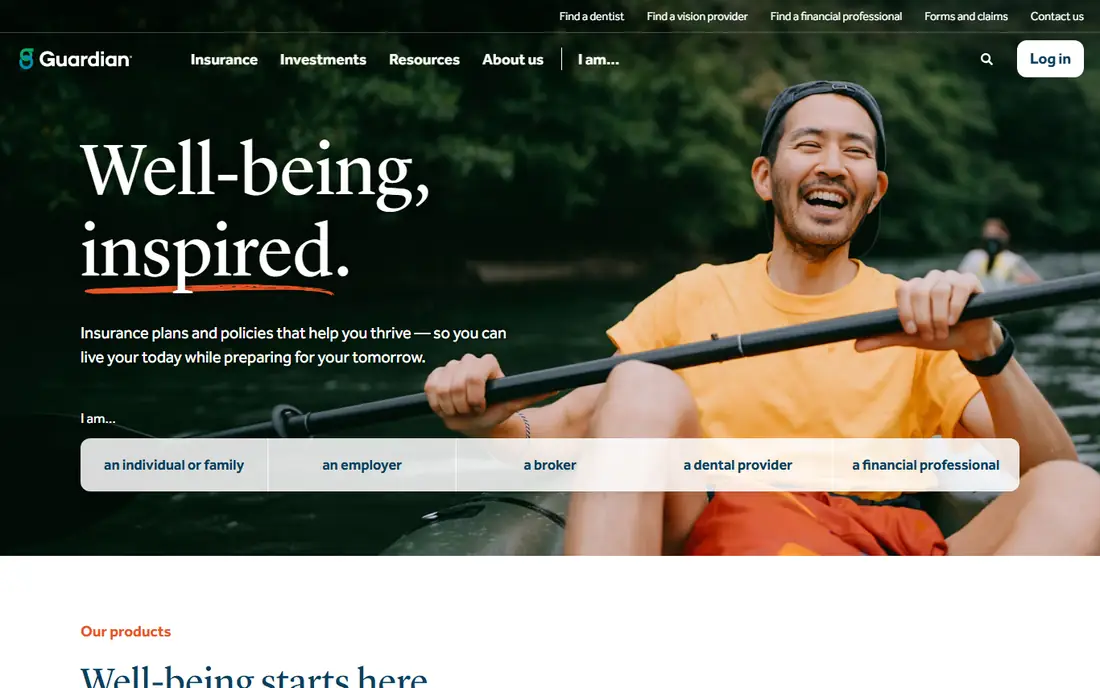
Guardian Life is often placed first in professional disability comparisons, and the reason is contract language. Its policies offer true own-occupation definitions for many occupations, with specialty-specific language that matters for doctors and other specialists. A surgeon who cannot perform surgery, for example, may still qualify for full benefits even if able to work in another role, depending on the exact policy wording. Riders for partial disability, cost-of-living increases, and future benefit increases add flexibility over time.
That depth comes at a cost. Guardian premiums tend to sit at the higher end, and the application process can involve detailed health and occupation questions. For a high earner whose income depends on a specific skill, that trade-off is usually worth it. For a buyer with a lower income and a general occupation, a simpler carrier may offer enough protection for less. Read the definition of disability in your quote closely, since that wording decides real claims.
What we like- Strong own-occupation and specialty language
- Wide rider choice
- Long history in individual disability
Watch out for- Premiums can be higher than simpler carriers
- Underwriting can be detailed
Starting priceSee website
Free planNo
MassMutual, founded in 1851 and organized as a mutual company, is another core carrier for professional disability insurance. Its policies include own-occupation options, partial disability benefits, and rehabilitation support, which help workers who return gradually rather than all at once. MassMutual also sells group and individual cover, so business owners and employees can compare both routes with the same carrier.
Premiums depend on age, health, occupation, benefit amount, and waiting period, so there is no single published price to compare. The sales process is typically agent-led, which helps with complex occupation questions but means you should compare the written quote with at least one other carrier. For physicians, dentists, lawyers, and other high-income professionals, MassMutual is a standard shortlist name for a reason: the contract options are broad, and the company has a long record in this market.
What we like- Own-occupation coverage
- Strong financial strength
- Rehabilitation and partial disability features
Watch out for- Pricing is individual and quote-based
- Agent-led sales process
Starting priceSee website
Free planNo
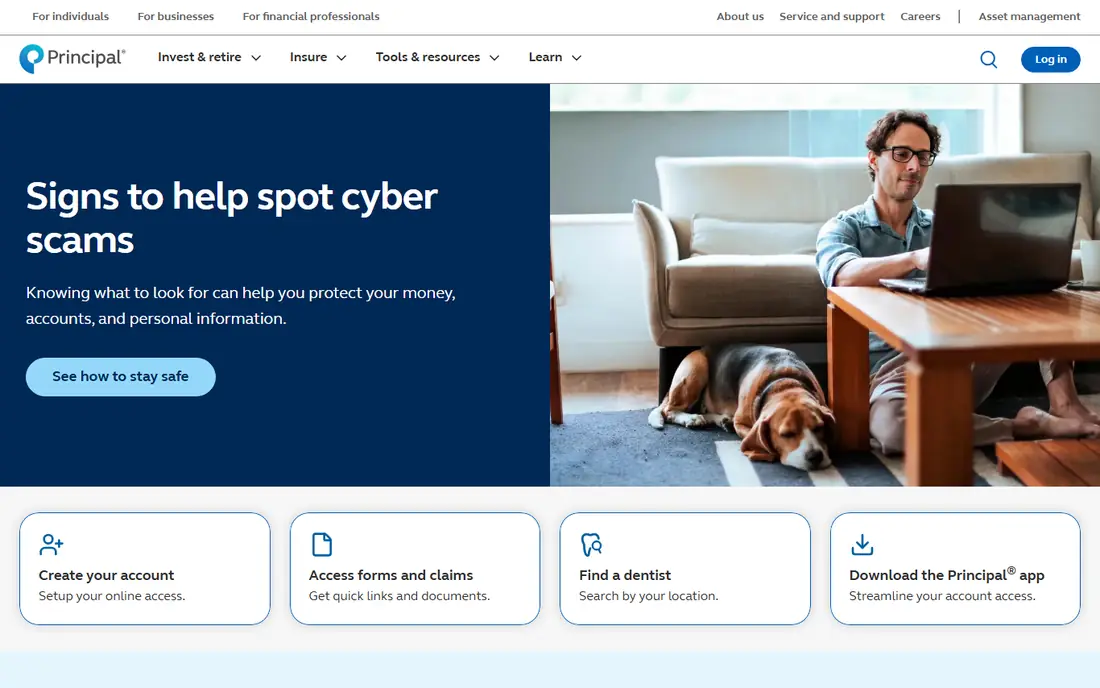
Principal Financial Group focuses heavily on long-term disability for professionals, including doctors, lawyers, and executives. Young professionals often find its rates competitive, and its underwriting can be smoother than at some rivals for straightforward health histories. Future purchase or benefit update riders let a buyer increase cover as income rises without full medical underwriting each time, which is valuable early in a career.
One limit to check is state variation. Principal does not offer specialty-specific language in every state, so a physician in one state may get different wording from a physician in another. That detail matters more than most marketing points. Ask for the exact definition that applies in your state, and compare it word for word with Guardian or MassMutual if own-occupation cover is your priority.
What we like- Competitive rates for younger buyers
- Streamlined underwriting for many occupations
- Future purchase options
Watch out for- Specialty language varies by state
- Some riders cost extra
Starting priceSee website
Free planNo

Northwestern Mutual offers individual disability policies with short-term and long-term options, plus riders for cost-of-living adjustments, residual disability, and future purchases. Its large advisor network suits buyers who want disability cover as part of a wider financial plan, including life insurance and retirement planning. Customer service and claims handling are commonly cited strengths in public reviews.
There is one debate to know about. Some physician finance sources have criticized Northwestern Mutual disability definitions as weaker than the core five carriers for doctors, while other sources list it alongside them. The only way to settle it for your case is to read the contract definition you are offered. If you are a specialist, compare that wording directly with a Guardian or Principal quote before deciding. For general professionals, Northwestern Mutual remains a solid, widely available option.
What we like- Both short-term and long-term options
- Residual benefits for partial disability
- Strong planning network
Watch out for- Definition of disability has been debated for some occupations
- Sales often paired with other products
Starting priceSee website
Free planNo
Ameritas is one of the five carriers most often named for professional disability, and it also serves as a budget option for many buyers. Its policies include own-occupation options, partial disability cover, and a range of benefit periods, with premiums that often undercut larger rivals for similar benefit amounts. That balance makes Ameritas a useful quote to get alongside Guardian and Principal, especially for younger buyers.
Ameritas does not offer quite the same depth of specialty language or rider choice as Guardian in every case, and occupation limits can affect maximum monthly benefits. For a buyer who needs solid income protection without the highest premium, those limits may not matter. For a surgeon or other highly specialized professional, compare the specialty wording carefully. Ameritas is best viewed as a strong value carrier, not a cut-down product.
What we like- More affordable premiums for many buyers
- Short-term and long-term options
- Own-occupation options for professionals
Watch out for- Fewer specialty features than Guardian
- Benefit limits vary by occupation
Starting priceSee website
Free planNo
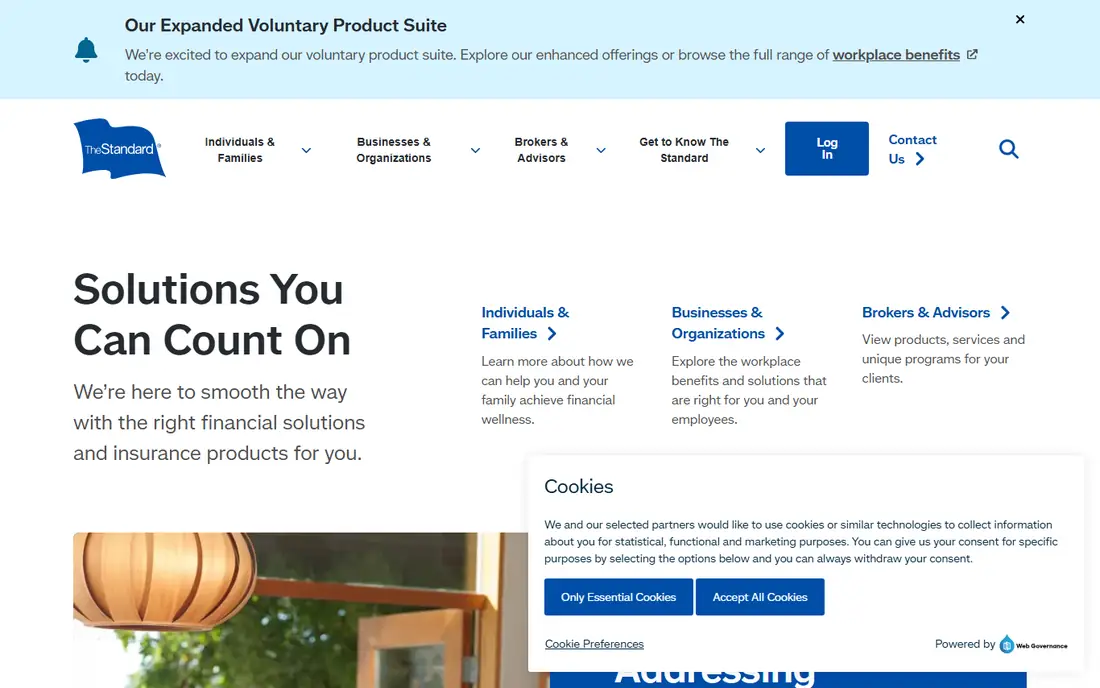
The Standard, formally Standard Insurance Company, rounds out the core five professional carriers. It offers individual disability with own-occupation options, residual benefits, and future purchase riders, plus business overhead expense cover for owners who need to keep a practice running during disability. That business option is a distinct strength: personal income cover alone does not pay rent, staff, or equipment costs for a practice.
As with other carriers here, premiums are set by individual underwriting, so published prices do not tell the full story. State and occupation rules also affect which definitions and riders are available. Business owners should ask for two quotes where relevant: one for personal income and one for business overhead. Employees should focus on the own-occupation definition, benefit period, and waiting period that fit their savings and sick leave.
What we like- Own-occupation coverage for professionals
- Business overhead options
- Strong group and individual range
Watch out for- Individual pricing is quote-based
- Availability varies by state and occupation
Starting priceSee website
Free planNo
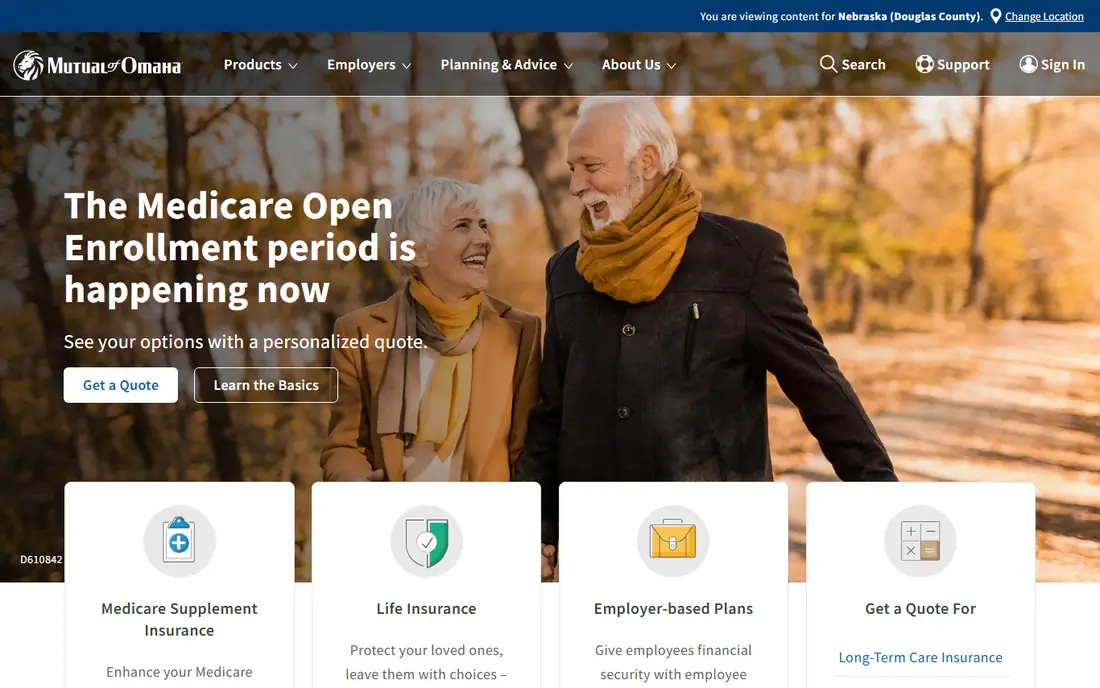
Mutual of Omaha is a familiar name in life and health insurance, and its disability products suit buyers who want straightforward cover without a complex professional policy. The company offers disability income options for workers across many occupations, with benefit periods and waiting periods that can be matched to savings and employer sick leave. Its size and distribution make it easy to find an agent and get a quote in most states.
Specialist professionals may find Mutual of Omaha less tailored than the core five carriers. Own-occupation language, specialty provisions, and maximum benefits for doctors and dentists are not its main focus. For general workers, teachers, office staff, and tradespeople, that distinction matters less. The key is to match benefit amount to actual take-home pay, not gross pay, and to pick a waiting period you can actually fund from savings.
What we like- Widely recognized brand
- Simple application paths for many buyers
- Short-term and long-term options
Watch out for- Less specialized for physicians
- Own-occupation terms vary by policy
Starting priceSee website
Free planNo
Assurity focuses on accessible, affordable disability and related cover, with simplified application routes for some products. That approach helps buyers who have been put off by long medical underwriting or high premiums elsewhere. Short-term disability options can fill a gap while a longer policy is arranged, or cover workers whose main risk is a shorter absence from work.
The trade-off is scale. Monthly benefit caps and occupation limits can be lower than at Guardian, MassMutual, or Principal, so high earners may not get enough cover from Assurity alone. Assurity works best as an entry point, or as a supplement to group cover from an employer. Check the maximum benefit for your occupation class, the waiting period, and whether benefits are paid for partial disability, before relying on it as your only income protection.
What we like- Lower-cost options for many occupations
- Simplified application routes
- Short-term cover available
Watch out for- Benefit limits are lower for some roles
- Less depth for high-income specialists

#9
Lincoln Financial
Best for: Workers seeking group and individual options
Visit lfg.com
Starting priceSee website
Free planNo
Lincoln Financial Group offers disability insurance through both workplace group plans and individual policies, which makes it a useful comparison point for employees. A worker with group cover through an employer can use Lincoln individual cover to top up benefits, since group plans often replace only part of income and may have caps. Lincoln also links disability to broader retirement and life planning, which suits buyers who prefer one provider for several needs.
Individual terms vary, and Lincoln is not usually ranked first for physician own-occupation cover. That does not make it a weak choice for general workers. The right question is total cover: add your group benefit, any state benefit, and an individual policy, and check whether the total replaces enough of your take-home pay. Lincoln is worth quoting when you already have group cover and need to close a gap, rather than when you need the most specialized professional contract.
What we like- Group and individual disability range
- Workplace enrollment options
- Financial planning links
Watch out for- Individual own-occupation depth varies
- Terms depend heavily on employer plan or individual quote
How we chose
We compared carrier product pages, policy descriptions, and public reviews and guides on G2, Capterra, and specialist disability sources, with attention to definition of disability, benefit periods, waiting periods, rider choice, and occupation fit. We favored carriers with a clear individual disability offering and publicly described own-occupation or residual options, over firms that only sell group cover. We also included value and widely available carriers, so the list serves general workers as well as specialists.
We did not claim hands-on testing for this guide, and we did not invent premiums, ratings, or claim outcomes. Disability pricing is individual, based on age, health, occupation, income, and policy choices, so any premium must come from a personal quote. Readers should read the contract definition and rider terms in their own quote, not only the marketing summary, before buying.
How to choose a disability policy
Start with the definition of disability
Own-occupation cover pays if you cannot do your own job, even if you could do another job. Any-occupation cover pays only if you cannot do any job suited to your training. For specialists, that difference can decide a claim. For general workers, any-occupation cover may still be useful, but understand its limit before you buy. Always read the definition in the contract, not just the brochure.
Pick a benefit period and waiting period together
The benefit period is how long payments last, often to age 65 or 67 for long-term policies. The waiting period, or elimination period, is how long you wait before payments start, often 90 days. A longer waiting period lowers premiums, but only if you have savings or sick leave to cover that gap. Match the waiting period to your emergency fund, and match the benefit period to how long you would need income if you could not return to your job.
Choose riders that fit your career stage
Partial or residual disability riders pay when you can work part-time but earn less, which matches how many disabilities progress. Cost-of-living riders raise benefits with inflation during a long claim. Future purchase riders let you increase cover as income grows without new medical exams. Young workers gain most from future purchase riders. Older workers with stable income gain more from cost-of-living protection.
Compare total cover, not one policy alone
Add employer group cover, individual cover, and any other income protection, then compare the total with your monthly take-home pay. Group cover often caps benefits and may be taxable if the employer pays premiums. An individual policy can fill that gap and usually stays with you if you change jobs. A broker who works with several carriers can show side-by-side quotes, but check the contract wording yourself as well.
Frequently asked questions
How much disability insurance do I need?
Most individual policies replace part of gross income, often up to 60 percent, subject to caps and occupation limits. Start from take-home pay, subtract savings and group benefits, and cover the gap for essential bills. A quote from two carriers will show how benefit amount, waiting period, and riders change the premium for your situation.
What is own-occupation disability insurance?
Own-occupation cover pays if illness or injury stops you from doing the material duties of your own occupation, even if you can work in another field. True own-occupation cover with specialty language goes further for doctors, by judging disability against your medical specialty. Read the exact wording in your policy, since carriers define these terms differently.
How long does a waiting period last?
Common waiting periods are 30, 60, 90, or 180 days, with 90 days a frequent choice for long-term policies. Shorter waiting periods cost more. Pick the longest waiting period you can fund from savings, sick leave, or short-term cover, so you are not paying extra premium for a gap you could cover yourself.
Does disability insurance cover mental health conditions?
Many policies cover mental health conditions, but terms, limits, and exclusions vary by carrier and policy. Some policies limit benefit periods for certain mental health claims. Check the exclusions and limitations section of your quote, and ask the carrier or broker directly if mental health cover is a priority for you.
Can I get disability insurance if I have a health condition?
It depends on the condition, its severity, and the carrier. Some applicants get standard rates, some get rated premiums or exclusions, and some are declined by one carrier but accepted by another. Apply through a broker who works with several carriers, and do not assume one decline means no cover is available. Be accurate on health questions, since errors can affect future claims.
Is individual disability insurance worth it if I have group cover at work?
Often yes, because group cover usually replaces only part of income, may cap monthly benefits, and may end if you leave the job. An individual policy can top up that gap and stay portable. Compare your group benefit amount, tax treatment, and portability with an individual quote before deciding you have enough cover.
Sources we checked (9)
- https://www.guardianlife.com
- https://www.massmutual.com
- https://www.principal.com
- https://www.northwesternmutual.com
- https://www.ameritas.com
- https://www.standard.com
- https://www.mutualofomaha.com
- https://www.assurity.com
- https://www.lfg.com
Is your product missing or out of date?
We review this list regularly. Vendors can request a listing, send updated pricing or ask about featured placement.

Shihab Mia · Founder, Rankite
Shihab has 5+ years in B2B and SaaS SEO. He writes Rankite's software buying guides from pricing pages, documentation and public user reviews. More about Shihab.
 Guardian
 MassMutual
 Principal
 Northwestern Mutual
 Ameritas
 The Standard
 Mutual of Omaha
 Assurity