How we make this list: we compare pricing pages, product documentation and public user reviews. Ratings come from G2, Capterra or Trustpilot, with the date we checked them.
What is organ transplant management software and what does it cover?
Organ transplant management software covers the full transplant episode in one system. It starts with referral intake and candidate evaluation. It then tracks waitlist status, organ offers, committee decisions, surgery, and long term follow-up. It also supports living donor evaluation and follow-up, medication tracking, and regulatory reporting.
The reporting side matters as much as the clinical side. Programs must submit data to the Organ Procurement and Transplantation Network, known as OPTN, and complete registry forms. A good system captures that data during normal work instead of forcing staff to re-enter it later.
This guide lists only software a hospital, transplant center, lab, or organ procurement organization can buy. UNet, the OPTN system, is not listed. It is the national network system for organ allocation, not a product sold to hospitals. A transplant program uses UNet alongside its own management software, not instead of it.
How much does organ transplant management software cost?
Every vendor in this guide prices by quote. None of the eight publishes a starting price on its pricing page. That is normal for this market. Transplant software is sold as an enterprise contract, and the price depends on the size of the program.
Cost drivers include the number of organ programs covered, the number of users, and the interfaces needed. Interfaces to the EHR, the HLA lab, and OPTN reporting add cost. Data migration from a legacy system also adds cost.
Ask each vendor for an itemized written quote. The quote should list licenses, implementation, training, support, and renewal terms. Third-party sites publish price figures for some of these vendors. Those figures are unverified, so this guide lists quote for all eight tools rather than repeating a number no vendor confirms.
A small transplant program should buy for its biggest pain point, not for the longest feature list. If referrals arrive by fax and phone and get lost, a referral tool is the right first buy. TxAccess fits kidney programs that receive referrals from dialysis centers. BREEZE Transplant fits programs that want more living donors for kidney and liver.
If the program needs one record from evaluation through follow-up, a full transplant system is the better buy. OTTR Organ fits small and mid-size programs that run on a non-Epic EHR.
Small programs should avoid buying donor-side software for recipient care. iTransplant is built for organ procurement organizations. It manages referral, recovery, and donor family aftercare. It does not manage a recipient waitlist, so it is the wrong tool for a transplant center.
What should a transplant program check before buying?
Check OPTN reporting first. Ask the vendor to show how registry forms and waitlist reconciliation work in the live product. Ask how living donor follow-up is tracked, since regulators require follow-up for years after donation. Ask how organ offers are recorded at night, when the coordinator on call must act fast.
Check the EHR integration next. Ask whether the tool reads and writes to Epic or Oracle Health, and whether lab results flow in without manual entry. Ask about role-based access and a full audit trail for committee decisions and organ offer acceptances.
Check migration and support last. Ask how data moves from the current system, how long implementation takes, and what support covers outside business hours. Organ offers arrive at any hour, so support hours matter.
We researched this guide on 22 November 2026. We checked each vendor homepage with curl and searched for current product pages and pricing pages. We kept only tools that are genuinely sold as transplant management software, including EHR transplant modules that are real products.
We excluded several candidates. The standalone OTTR website did not load in our check, returning curl status 000, but the CareDx website loaded with status 200 and lists Ottr in its workflow suite, so OTTR Organ stays listed under CareDx. Velos returned status 403 and its product is clinical trial software, not transplant management. OmniLife Health returned curl status 000 and we could not confirm its FlowHawk product is live. MedActionPlan PRO is medication adherence software, not full transplant management. Allscripts Sunrise is now Altera Sunrise, a general EHR. UNet and the OPTN systems are national network systems, not sold software.
Quick comparison
| Tool | Best for | Starting price | Free plan |
|---|
 OTTR Organ (CareDx) | Multi-organ transplant centers that need a standalone transplant record | quote | No free plan |
 Epic Phoenix | Transplant programs at hospitals already running Epic | quote | No free plan |
 Oracle Health Transplant | Transplant programs running Oracle Health, formerly Cerner Millennium | quote | No free plan |
 TxAccess (CareDx) | Kidney transplant programs that receive referrals from dialysis centers and nephrologists | quote | No free plan |
 iTransplant (InVita) | Organ procurement organizations managing donation from referral through recovery | quote | No free plan |
 WellSky TranStar | Transplant programs that also run cell therapy or blood management work | quote | No free plan |
 HistoTrac (Thermo Fisher) | HLA labs that support transplant programs | quote | No free plan |
 BREEZE Transplant (MedSleuth) | Kidney and liver programs that want more living donors and faster evaluations | quote | No free plan |
Is your product missing or out of date?
We review this list regularly. Vendors can request a listing, send updated pricing or ask about featured placement.
| Tool |
Best for |
Starting price |
Deployment |
| OTTR Organ (CareDx) |
Multi-organ transplant centers |
Quote |
Cloud |
| Epic Phoenix |
Programs already running Epic |
Quote |
On-premise or hosted Epic |
| Oracle Health Transplant |
Programs running Oracle Health (Cerner) |
Quote |
On-premise or hosted Oracle Health |
| TxAccess (CareDx) |
Kidney referral intake |
Quote |
Cloud |
| iTransplant (InVita) |
Organ procurement organizations |
Quote |
Cloud |
| WellSky TranStar |
Transplant and cell therapy programs |
Quote |
Cloud |
| HistoTrac (Thermo Fisher) |
HLA labs |
Quote |
On-premise |
| BREEZE Transplant (MedSleuth) |
Living donor referral intake |
Quote |
Cloud |
#1
OTTR Organ (CareDx)
Best for: Multi-organ transplant centers that need a standalone transplant record
Visit caredx.com
Starting pricequote
Free planNo free plan
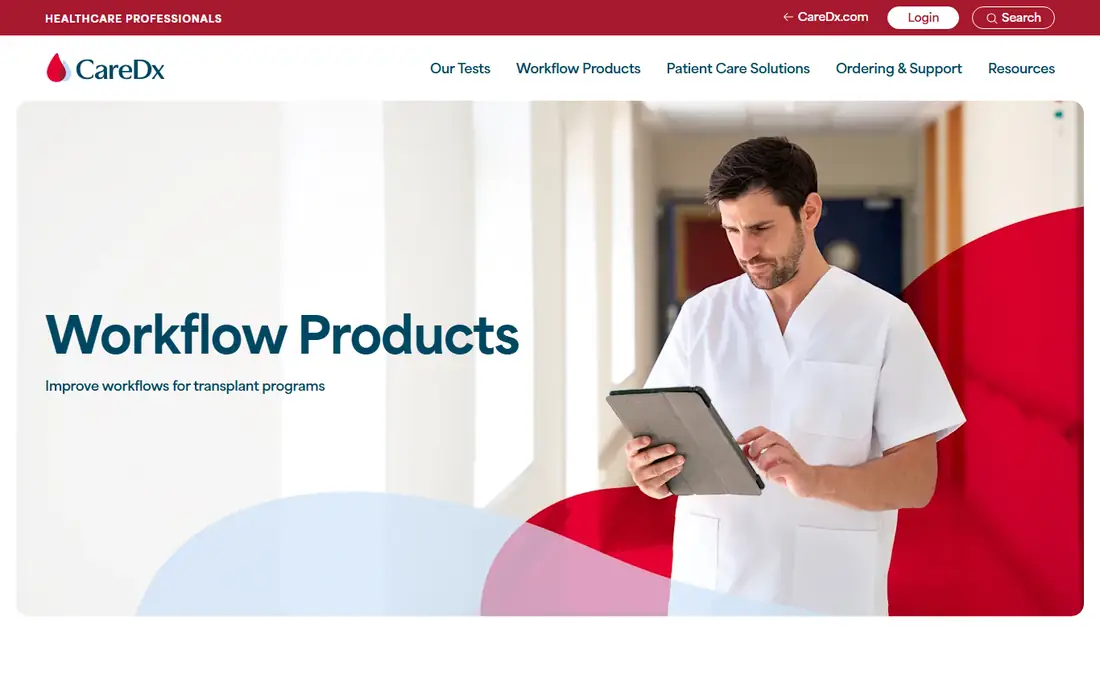
OTTR Organ, short for Organ Transplant Tracking Record, is the longest established standalone transplant management system in this guide. CareDx owns it, and the company says more than 70 percent of transplant centers use one or more of its software products. OTTR tracks candidates, donors, evaluations, waitlists, organ offers, and post-transplant care in one record. It integrates with Epic and Oracle Health, so results and documents can move between the transplant record and the main EHR. Centers use it for regulatory reporting and for quality tracking, including Scientific Registry of Transplant Recipients reporting. The main risk is direction of travel. Nebraska Medicine retired OTTR in favor of Epic Phoenix, and other Epic hospitals have made the same move.
What we like- Built only for transplant work, covers referral through long term follow-up, integrates with Epic and Oracle Health
Watch out for- Some centers have retired OTTR in favor of Epic Phoenix, which signals migration pressure for Epic hospitals
#2
Epic Phoenix
Best for: Transplant programs at hospitals already running Epic
Visit epic.com
Starting pricequote
Free planNo free plan
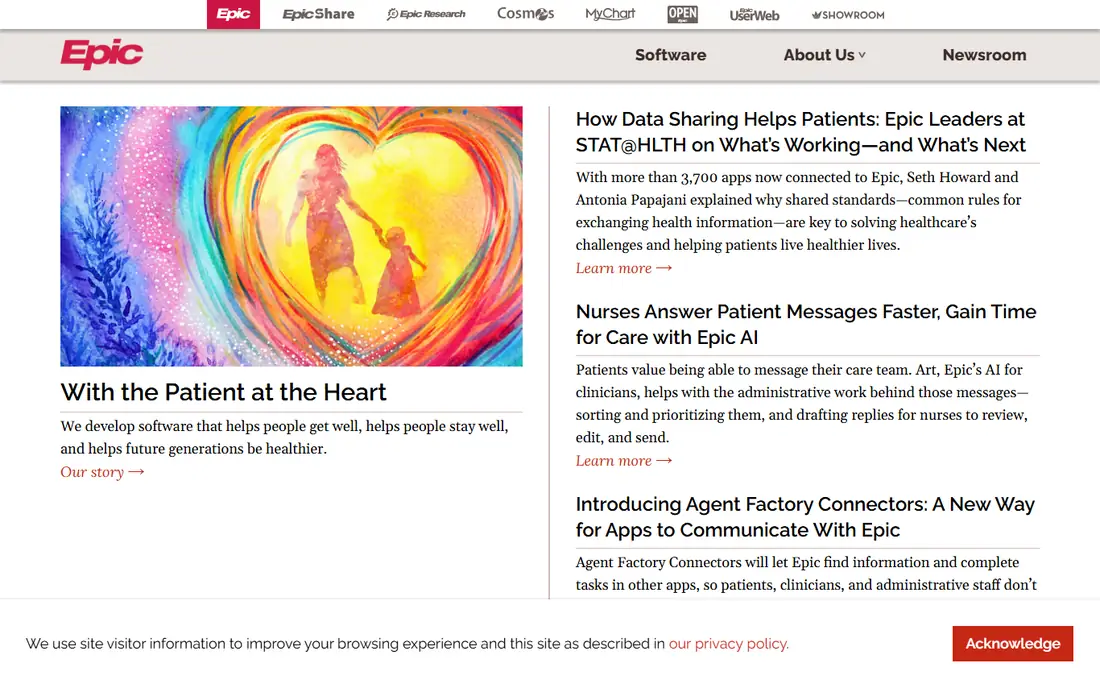
Epic Phoenix is the transplant application inside the Epic EHR. It covers the full continuum from initial evaluation to post-operative follow-up, including patient surveillance, waitlist management, UNOS waitlist reconciliation, and registry reporting. Because it shares the Epic database, labs flow in through Beaker and medications are managed through Willow, with no separate transplant chart to reconcile. Nebraska Medicine reported that about half of all transplants in the United States were documented in Phoenix in the year of its go-live.
What we like- Transplant work stays in the same patient record as the rest of care, strong UNOS reporting and waitlist reconciliation, used by more than 100 transplant centers
Watch out for- Only available to Epic customers, and implementation is a program-level project rather than a simple module switch-on
#3
Oracle Health Transplant
Best for: Transplant programs running Oracle Health, formerly Cerner Millennium
Visit oracle.com
Starting pricequote
Free planNo free plan
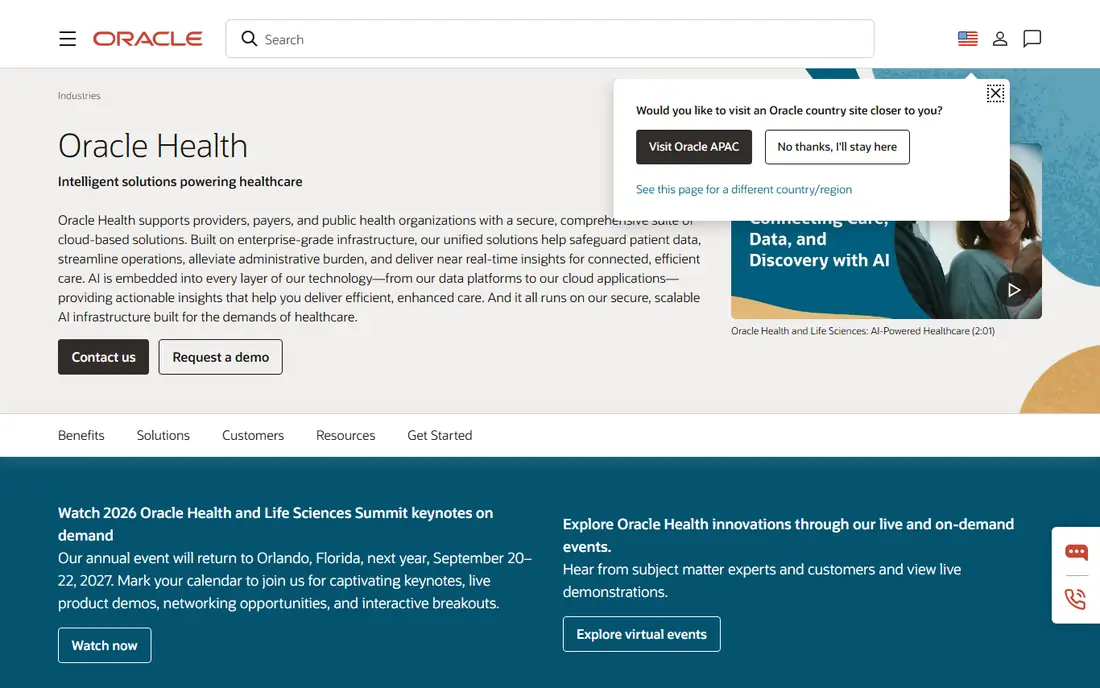
Oracle Health Transplant is the transplant capability inside the Oracle Health EHR, formerly Cerner Millennium. It gives transplant teams workflows for evaluation, waitlisting, organ offers, and follow-up inside the same chart used by the rest of the hospital. That matters for transplant care, because candidates move between cardiology, nephrology, surgery, and pharmacy, and each team needs the same record. Oracle Health has worked with Transplant Connect on automated donor referrals, sending data from Millennium into the iTransplant donor management platform. The limit is the same as with Phoenix. A program must already run Oracle Health to use it. Smaller programs should also expect a long configuration project, since the module is tuned per organ program and per center.
What we like- Transplant workflows sit inside the Millennium EHR, shared patient record across inpatient and outpatient care, interfaces with donor referral tools such as iReferral
Watch out for- Only available to Oracle Health customers, and the transplant module is one part of a very large EHR, so configuration takes time
#4
TxAccess (CareDx)
Best for: Kidney transplant programs that receive referrals from dialysis centers and nephrologists
Visit caredx.com
Starting pricequote
Free planNo free plan
TxAccess is a cloud service from CareDx that manages referrals into a transplant program. It standardizes referral requirements through a central portal, tracks outstanding items, and keeps referral sources informed. CareDx reports more than 446,000 patient referrals to date on TxAccess, with more than 35 transplant centers and more than 3,130 dialysis centers using it. The University of Alabama at Birmingham uses TxAccess to reach more than 500 dialysis centers and nephrology practices. The service connects with all major EHRs, including Epic. The scope is narrow by design. TxAccess moves patients onto the waitlist faster, but it does not replace a transplant record such as OTTR Organ or Phoenix. Buy it to fix referrals, then pair it with a full episode system.
What we like- Centralizes referral intake, connects with all major EHRs including Epic, cloud based with low lift for IT
Watch out for- Referral focused, so a center still needs a separate system of record for the full transplant episode
#5
iTransplant (InVita)
Best for: Organ procurement organizations managing donation from referral through recovery
Visit invitahealth.com
Starting pricequote
Free planNo free plan
iTransplant from InVita Healthcare Technologies is the leading software platform for organ, tissue, and eye donation operations. It centralizes donation workflows and critical information from referral through recovery and donor family aftercare. InVita says the platform is used by more than 25,000 medical professionals globally. In October 2026, the Center for Organ Recovery and Education selected iTransplant, and Midwest Transplant Network did the same in November 2026. The platform includes iReferral, which automates donor referrals from hospitals.
What we like- Used by organizations that handle most deceased organ donation in the United States, covers referral, recovery, and donor family aftercare, configurable and interoperable
Watch out for- Built for the donor side, so it does not manage recipient waitlists or post-transplant recipient care
#6
WellSky TranStar
Best for: Transplant programs that also run cell therapy or blood management work
Visit wellsky.com
Starting pricequote
Free planNo free plan
WellSky TranStar is a long established transplant management system from WellSky, a large United States healthcare software provider. It manages donors, patients, and transplants in one system, with support for hematopoietic cell transplant, including bone marrow transplant and CAR-T. WellSky now presents this work under its WellSky Biotherapies software, which covers cell therapy research and manufacturing from discovery to delivery. That breadth is the appeal for centers that run transplant and cell therapy side by side. One system can hold collection, infusion, and outcomes data for both. The caution is naming. WellSky's current pages lead with Biotherapies rather than TranStar, so a buyer should confirm in the contract exactly which modules are included. Pricing is by quote, with WellSky noting flexible pricing for boutique and start-up programs.
What we like- Long history in transplant management, sits inside a broad healthcare software suite, flexible pricing for smaller biotherapy programs
Watch out for- WellSky now presents transplant work under its Biotherapies line, so buyers should confirm the TranStar name and module scope in writing before signing
Starting pricequote
Free planNo free plan
HistoTrac is lab management software from Thermo Fisher Scientific for HLA laboratories. HLA labs process thousands of tests a day and need to manage patient data, store test results, generate reports, and track inventory. HistoTrac holds that information in a single database and adds billing, queries, and reporting. A lighter edition, HistoTrac Lite, serves smaller labs that need a ready to use system. HistoTrac integrates with Thermo Fisher analysis tools such as HLA Fusion, so typing and antibody results flow into the lab record. The scope is the limit. HistoTrac is not transplant management software for a clinic. It belongs in the lab that supports the transplant program, alongside a clinical system such as OTTR Organ or Phoenix.
What we like- Widely used in transplant labs, organ procurement organizations, and blood centers, stores donor and patient data with billing and reporting in one database
Watch out for- Lab only scope, so it covers no waitlist, organ offer, or clinical transplant workflow
#8
BREEZE Transplant (MedSleuth)
Best for: Kidney and liver programs that want more living donors and faster evaluations
Visit medsleuth.com
Starting pricequote
Free planNo free plan
BREEZE Transplant is the flagship product of MedSleuth, a transplant software company acquired by DaVita in 2022. It remotely gathers clinical and demographic information from potential kidney and liver donors and recipients, then shares it with participating transplant centers. A two-tier eligibility triage algorithm sorts candidates, which raises throughput and clinician productivity. The platform also provides automated living donor follow-up and waitlist management, with an auditable patient database that supports UNOS and CMS donor follow-up rules. MedSleuth also offers MATCHGRID, a paired exchange platform that finds chains for incompatible donor and recipient pairs. The limit is scope. BREEZE covers the front of the transplant journey, not the full episode, so most centers pair it with a system of record.
What we like- Remote intake from donors and recipients, two-tier eligibility triage, automated living donor follow-up and waitlist management
Watch out for- Focused on kidney and liver referral and living donor work, so it is not a full multi-organ transplant record
Frequently asked questions
What is the best organ transplant management software?
The best choice depends on the EHR the hospital already runs. Epic Phoenix is the best pick for hospitals on Epic, because transplant work stays in the main patient record. OTTR Organ from CareDx is the best standalone pick for multi-organ centers on other EHRs. Organ procurement organizations should look at iTransplant from InVita, which is built for the donation side. Small kidney programs that struggle with referrals should start with TxAccess or BREEZE Transplant.
How much does organ transplant management software cost?
All eight vendors in this guide price by quote, and none publishes a starting price. The final price depends on the number of organ programs, users, interfaces, and the scope of implementation and training. Ask each vendor for an itemized written quote that lists licenses, implementation, training, support, and renewal terms. Do not budget from third-party price figures, since no vendor in this guide confirms them.
Can Epic Phoenix replace OTTR?
Yes, and some centers have already made that move. Nebraska Medicine retired OTTR after about 25 years and replaced it with Epic Phoenix, so transplant teams work in one electronic medical record instead of two. Phoenix covers evaluation, waitlist management, organ offers, and follow-up. A center should only make the switch if it already runs Epic, since Phoenix is a module of Epic and is not sold on its own.
What is the difference between transplant management software and UNet?
UNet is the national system run for the Organ Procurement and Transplantation Network. It handles organ allocation, matching, and waitlist data at a national level. Transplant management software is the system a hospital, transplant center, lab, or organ procurement organization buys to run its own work. The two work together. A program records evaluations, offers, and follow-up in its own system and exchanges data with UNet for allocation and reporting.
Do small transplant programs need standalone transplant software?
Not always. A small single-organ program can start with a referral tool such as TxAccess or BREEZE Transplant if referrals are the bottleneck. A program that needs one record from evaluation through long term follow-up should buy a full system such as OTTR Organ, or use Epic Phoenix if the hospital already runs Epic. The deciding factor is volume and complexity. If staff track waitlists and offers in spreadsheets, a dedicated system will pay for itself in fewer missed offers and cleaner reporting.
Sources we checked (11)
- https://www.caredx.com/professionals/workflow-products
- https://www.caredx.com/professionals/txaccess
- https://www.unmc.edu/newsroom/2019/12/05/transplant-launches-new-clinical-platform-phoenix/
- https://epicsupport.sites.uiowa.edu/epic-resources/transplant-phoenix
- https://www.oracle.com/health/
- https://www.nasdaq.com/press-release/transplant-connect-and-cerner-streamline-organ-donation-and-transplant-process-2021
- https://www.prnewswire.com/news-releases/center-for-organ-recovery--education-selects-invitas-itransplant-to-advance-organ-tissue-and-cornea-donation-and-transplantation-302920884.html
- https://wellsky.com/cell-therapy-research-manufacturing/
- https://www.thermofisher.com/ca/en/home/clinical/transplant-solutions/software/histotrac.html
- https://www.medsleuth.com/breeze-transplant/
- https://investors.davita.com/2022-01-18-DaVita-Acquires-MedSleuth,-Deepens-Efforts-to-Improve-Transplant-Experience/
Is your product missing or out of date?
We review this list regularly. Vendors can request a listing, send updated pricing or ask about featured placement.

Shihab Mia · Founder, Rankite
Shihab has 5+ years in B2B and SaaS SEO. He writes Rankite's software buying guides from pricing pages, documentation and public user reviews. More about Shihab.