How we make this list: we compare pricing pages, product documentation and public user reviews. Rankite is independent; if a vendor ever pays for a featured spot, that listing is clearly labeled Partner.
Key takeaways
- Zendesk and Freshdesk are the proven all-rounders for multi-channel support.
- Intercom leads for in-product messaging and AI agents.
- Gorgias is the best fit for e-commerce brands on Shopify.
- Gladly and Kustomer organize around the customer, not the ticket.
Quick comparison
| Tool | Best for | Starting price | Free plan |
|---|
 Zendesk Zendesk | proven all-rounder | $19 per agent/month (billed annually) | Free trial |
 Intercom Intercom | in-product messaging | $29 per seat/month | Free trial |
 Freshdesk Freshdesk | budget multi-channel | See website | Yes |
 Hiver Hiver | Gmail-based teams | See website | Free trial |
 Gorgias Gorgias | e-commerce support | $40 per month | Free trial |
 Gladly Gladly | people-centered service | See website | No |
 Front Front | collaborative inbox | $25 per user/month (billed annually) | Free trial |
 Kustomer Kustomer | AI-native platform | See website | No |
Is your product missing or out of date?
We review this list regularly. Vendors can request a listing, send updated pricing or ask about featured placement.
The best omnichannel software
Starting price$19 per agent/month (billed annually)
Free planFree trial
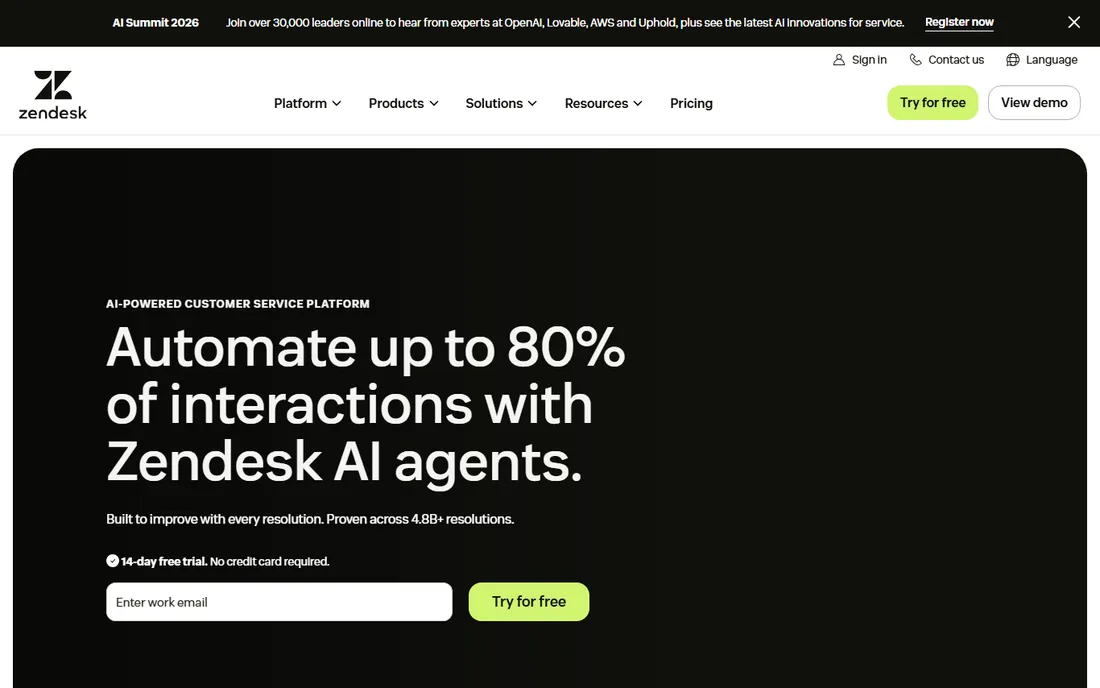
Zendesk is the default enterprise answer for omnichannel support. Email, chat, voice, social, and messaging converge in the Agent Workspace, with Sunshine CRM and a massive app marketplace extending the platform. Suite plans start at $19 per agent per month billed annually, with a free trial.
The strength is maturity: two decades of refinement, thousands of integrations, and reporting that satisfies demanding operations teams. The honest catch is the price ladder. The features you want, advanced AI, workforce management, quality assurance, often live in higher tiers or add-ons. Mid-size teams should model total cost, not just the entry price.
What we like- Most mature multi-channel platform
- Huge app marketplace
- Strong reporting and AI
Watch out for- Costs climb with add-ons
- Can feel complex for small teams
Starting price$29 per seat/month
Free planFree trial
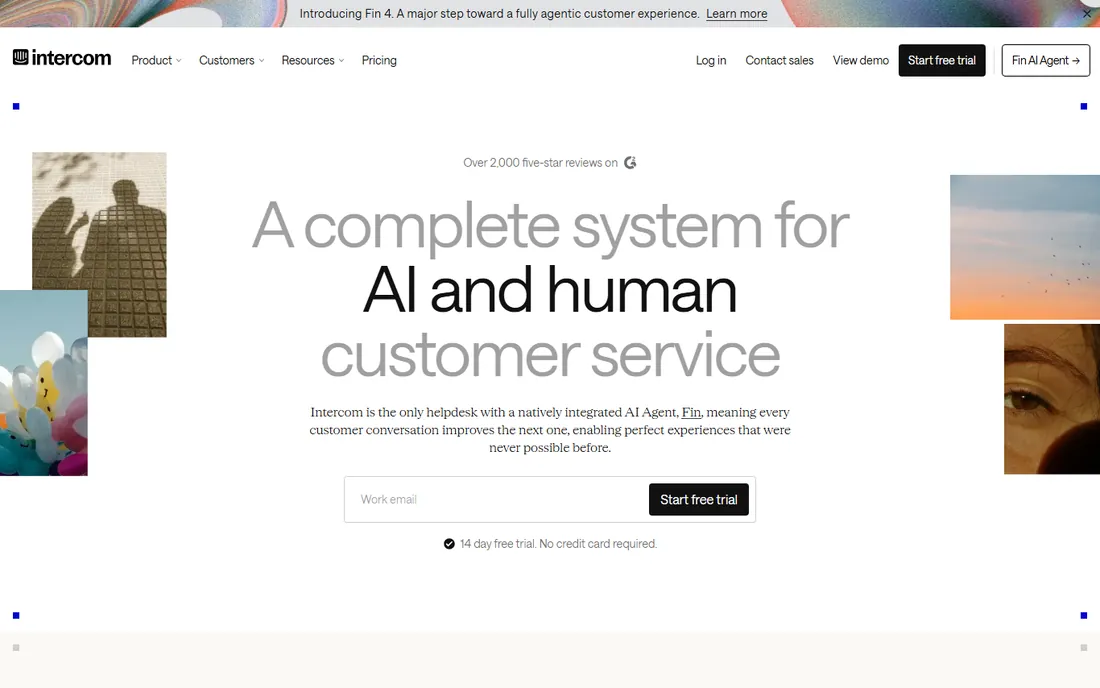
Intercom built its reputation on the in-product messenger, and it remains the best in-app conversation experience available. The helpdesk now starts at $29 per seat per month, with the Fin AI agent priced at $0.99 per resolved outcome. A free trial is available.
For SaaS companies, Intercom's combination of product messaging, support, and engagement in one platform is unmatched. The AI agent genuinely deflects a large share of routine conversations. The limitation is cost predictability: per-seat plus per-outcome pricing needs careful modeling at scale. Product-led companies that live inside their app will get the most from it.
What we like- Best messenger experience in the category
- Fin AI agent resolves at scale
- Strong automation
Watch out for- Pricing can surprise at volume
- Less depth in voice channels
Starting priceSee website
Free planYes
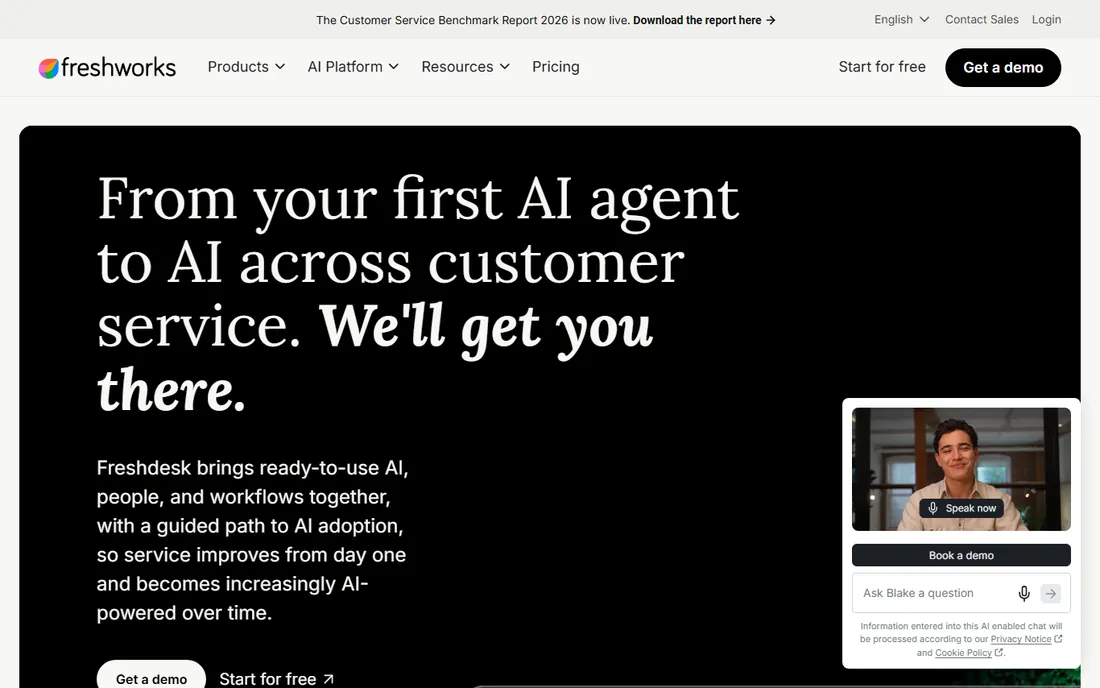
Freshdesk is the value leader in omnichannel support. A free plan gets small teams started with email, social, chat, and phone ticketing, and paid plans add Freddy AI, advanced automations, and contact center features. Deployment takes days, not months.
For small and mid-size businesses, Freshdesk delivers the core omnichannel promise at a fraction of enterprise prices. The honest trade-off is ceiling: the most advanced routing, analytics, and customization live in higher tiers, and reporting depth trails Zendesk. Teams that want capable multi-channel support without enterprise budgets should start here.
What we like- Free plan for small teams
- Fast to deploy
- Freddy AI across plans
Watch out for- Advanced omnichannel features need higher tiers
- Reporting trails Zendesk
Starting priceSee website
Free planFree trial
Hiver turns Gmail into a customer service platform: shared inboxes, assignments, SLAs, and automation without leaving the inbox. The company has expanded into a full omnichannel platform with chat, voice, SMS, and AI agents, while keeping the Gmail-first experience that made it popular. A free trial is available.
For teams that live in Google Workspace, Hiver's adoption curve is nearly flat: there is almost nothing new to learn. The omnichannel expansion means growing teams do not outgrow it as quickly as before. The limitation is the Gmail foundation: teams on Microsoft 365 or needing deep telephony may fit better elsewhere.
What we like- Support lives inside Gmail
- Now expanded to omnichannel platform
- Low training burden
Watch out for- Gmail-centricity limits some workflows
- Pricing varies by product
Starting price$40 per month
Free planFree trial
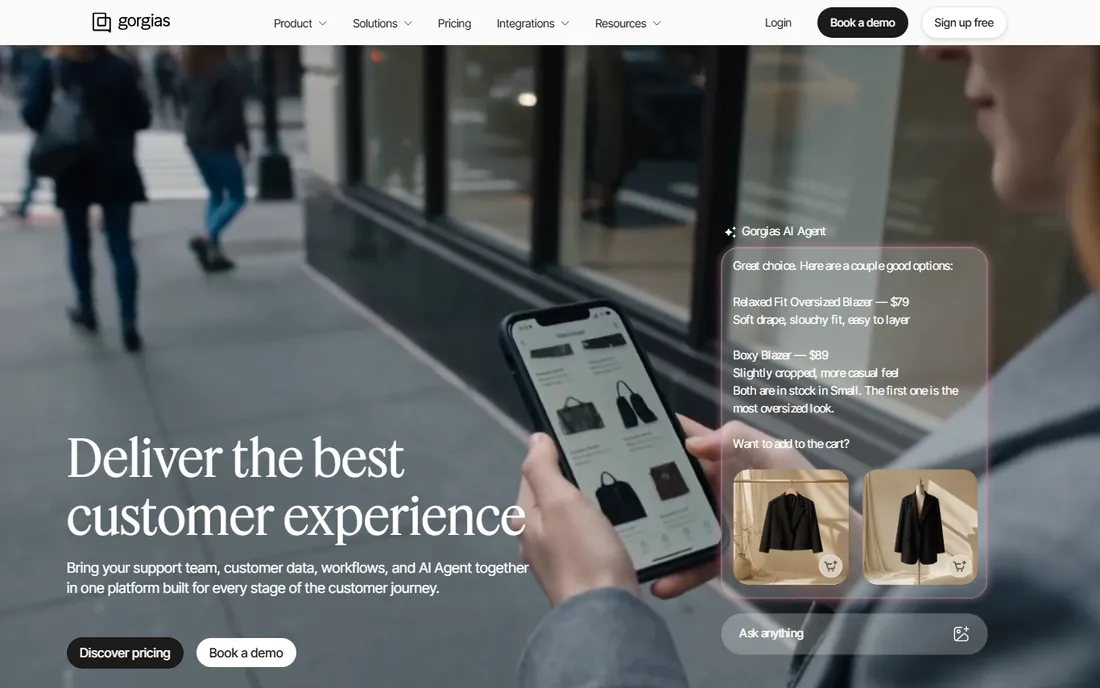
Gorgias is the helpdesk built for e-commerce. Deep Shopify, BigCommerce, and Magento integrations let agents refund, edit orders, and check subscriptions without leaving the ticket. The AI agent auto-resolves order-status questions that dominate e-commerce support. Plans start at $40 per month with a free trial.
For online retailers, Gorgias turns support into a revenue function: agents can upsell, recover carts, and handle pre-sales in the same conversations. The limitation is scope: this is an e-commerce tool, and general support teams will find it narrow. Shopify merchants should evaluate it first.
What we like- Deepest Shopify integration
- AI handles order questions automatically
- Revenue-focused features
Watch out for- Built for e-commerce, not general support
- Ticket-based pricing needs monitoring
Starting priceSee website
Free planNo
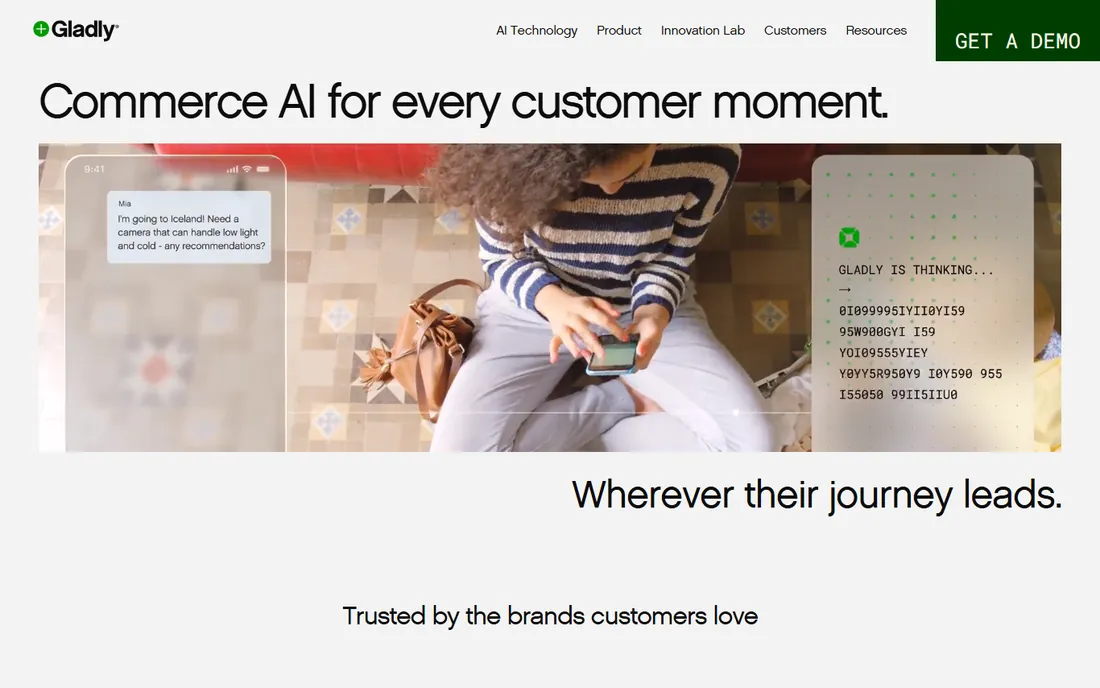
Gladly organizes support around people, not tickets. Every conversation with a customer across email, chat, voice, SMS, and social lands in one lifelong thread, giving agents full context instantly. The AI platform prioritizes engagement over deflection. Pricing is quote-based with demos available.
For premium brands where relationships drive lifetime value, Gladly's philosophy resonates: customers never repeat themselves, and agents act like hosts rather than ticket-closers. The honest catch is access: no free trial and enterprise-oriented pricing mean smaller teams should look at Gorgias or Freshdesk instead. Brands that compete on experience will find the fit.
What we like- Lifelong customer conversation threads
- Strong among premium retail brands
- People-first AI philosophy
Watch out for- No free trial
- Premium pricing for premium positioning
Starting price$25 per user/month (billed annually)
Free planFree trial
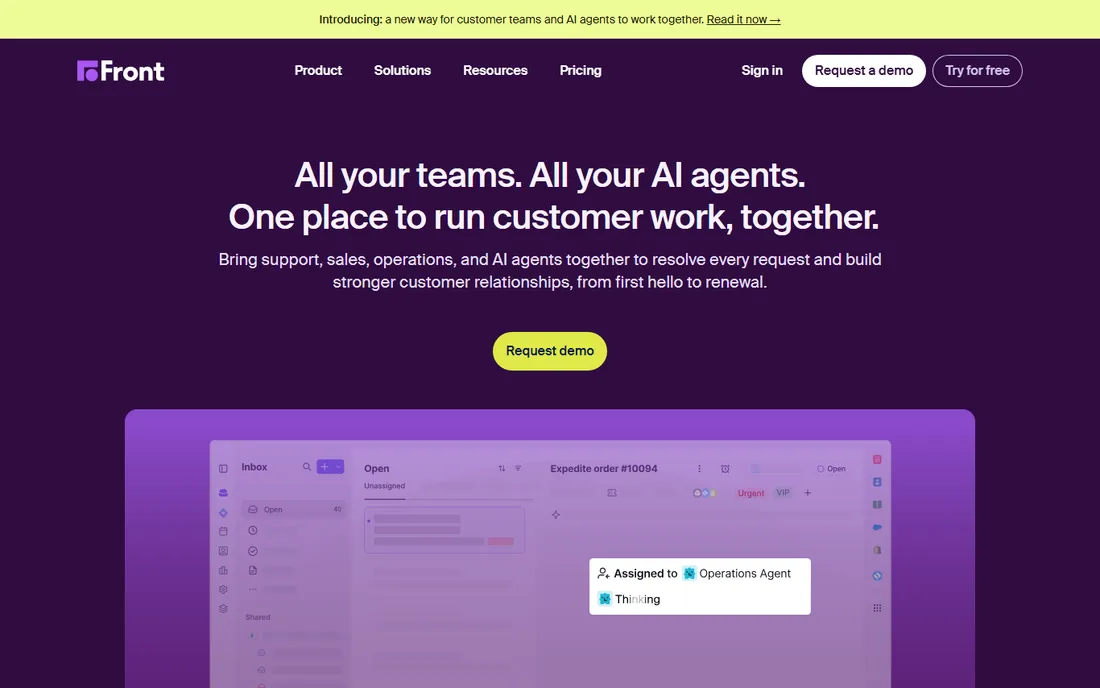
Front started as the collaborative shared inbox and has grown into a customer operations platform. Email, chat, SMS, and social flow into shared inboxes where teams assign, comment internally, and now deploy AI agents alongside humans. Plans start at $25 per user per month billed annually.
The strength is collaboration: internal discussion happens right next to the customer conversation, and the platform serves support, sales, and operations teams equally. The limitation is helpdesk depth: teams needing strict ticket workflows, SLAs, and QA may find Zendesk or Kustomer more structured. Companies that want support to feel personal rather than ticketed will prefer Front.
What we like- Best-in-class collaborative inbox
- Now supports AI agents
- Works across support, sales, and ops
Watch out for- Not a traditional helpdesk
- Advanced analytics need higher plans
Starting priceSee website
Free planNo
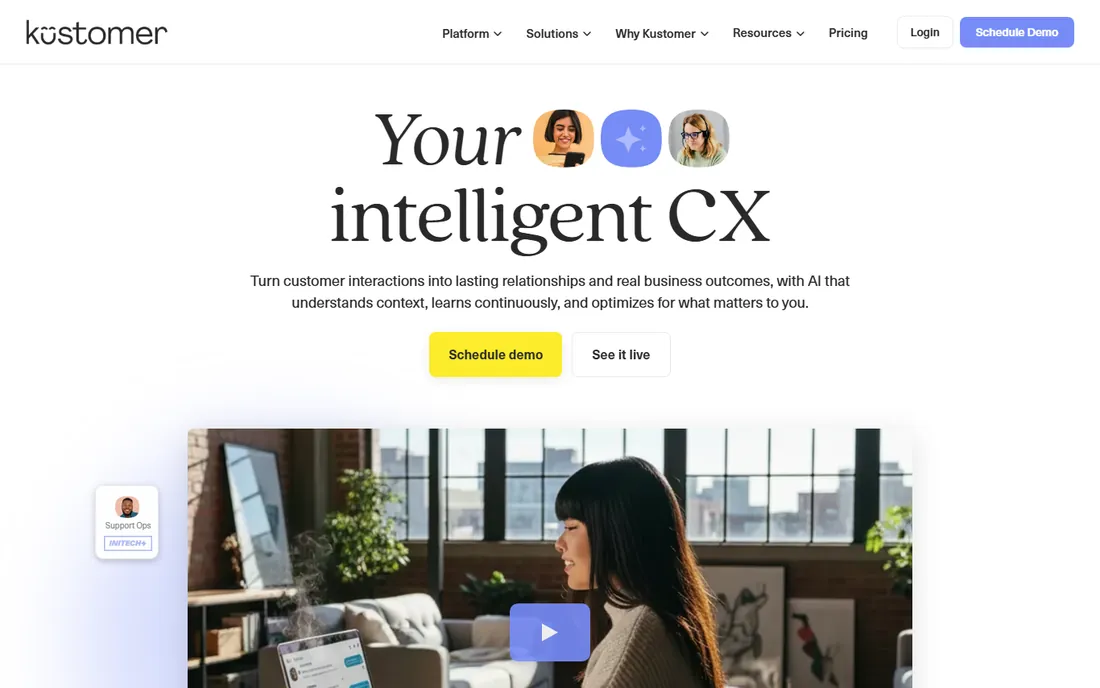
Kustomer rebuilt customer service software around AI from the start. The platform combines a unified customer timeline with AI agents and a connected CRM, and its newer pricing model offers unlimited users with pay-for-what-you-use AI. Demos are available.
For companies betting on AI-led support, Kustomer's architecture is the most forward-looking on this list. The unlimited-user model changes the economics for large teams. The honest catch is commitment: this is a platform migration, not a plug-in, and the lack of a trial means buying on demos and references. AI-forward support organizations should take the demo seriously.
What we like- AI-native architecture
- Unified customer timeline
- Unlimited users on new pricing
Watch out for- No free trial
- Implementation is a real project
How we chose
We evaluated omnichannel platforms on channel breadth, conversation unification, AI capability, and real-world fit for small to mid-size businesses. Every homepage URL was opened and verified directly, which confirmed Gladly's move to gladly.ai and Intercom's continued independence at intercom.com despite its company rename to Fin. Pricing reflects current vendor pages. We never claim hands-on testing.
Choosing your omnichannel model
The tools above cluster into three philosophies. Pick the one that matches how you think about customers.
Ticket-based
Zendesk, Freshdesk, and Gorgias organize work as tickets. Best for high-volume support operations that need strict workflows, SLAs, and reporting.
People-based
Gladly and Kustomer organize around the customer timeline. Best for brands where relationship context and personalization drive loyalty.
Inbox-based
Front and Hiver keep the email-and-chat feel with collaboration layered on. Best for teams that want support to feel human and informal.
The channel audit before you buy
The business case for omnichannel keeps strengthening. Research across the support industry finds that customers who can reach a brand on their preferred channel report higher satisfaction, and agents who see full conversation history resolve issues faster than those who cannot. The gap between single-channel and omnichannel support is not subtle in the metrics: first-contact resolution and handle time both move in the right direction when context travels with the customer.
That said, channels have costs. Every channel you open needs staffing, training, and coverage rules, or it becomes a reputation risk. A chat widget nobody answers is worse than no chat widget. Before choosing, audit where your customers actually contact you. Pull six months of volume by channel: email, chat, phone, social, messaging apps. Many teams discover 80% of volume comes from two channels, which simplifies the decision enormously. Buy for the channels you have, with room for the one you are growing into. The best omnichannel software is the one your agents will actually use across the channels your customers actually use. One practical tip: pilot with two channels for a quarter before adding more. Teams that add email and chat first, master the unified inbox, and then expand to social and messaging apps report smoother rollouts than teams that switch on everything at once. Omnichannel is a strategy, not a shopping list. Start small, prove the model, and expand only when the team is ready for the next channel. Patience here pays for itself many times over, in smoother launches, happier agents, and better customer service.
Frequently asked questions
What is the best omnichannel software?
Zendesk and Freshdesk lead as all-rounders, Intercom leads for in-product messaging, Gorgias leads for e-commerce, and Gladly and Kustomer lead for customer-centric models. The best choice depends on your industry and support philosophy.
What is omnichannel customer service?
Omnichannel customer service unifies all communication channels, email, chat, phone, social, messaging apps, into one conversation history per customer, so agents have full context regardless of channel.
How much does omnichannel software cost?
Entry pricing runs from free plans (Freshdesk) to $19-$40 per agent per month (Zendesk, Gorgias, Intercom). Enterprise platforms like Gladly and Kustomer are quote-based.
Is there free omnichannel software?
Freshdesk offers a free plan for small teams with multi-channel ticketing. Most other platforms offer free trials rather than permanent free plans.
What is the difference between multichannel and omnichannel?
Multichannel means supporting many channels separately. Omnichannel connects them into one unified customer conversation, so context carries across channels.
Which omnichannel software is best for e-commerce?
Gorgias is purpose-built for e-commerce with deep Shopify integration. Gladly also serves premium retail brands well with its people-centered approach.
Sources we checked (8)
- https://www.zendesk.com
- https://www.intercom.com
- https://www.freshworks.com/freshdesk/
- https://hiverhq.com
- https://www.gorgias.com
- https://www.gladly.ai
- https://front.com
- https://www.kustomer.com
Is your product missing or out of date?
We review this list regularly. Vendors can request a listing, send updated pricing or ask about featured placement.

Shihab Mia · Founder, Rankite
Shihab has spent more than a decade helping SaaS and e-commerce brands grow through search. He writes Rankite's software buying guides from pricing pages, documentation and public user reviews. More about Shihab.