How we make this list: we compare pricing pages, product documentation and public user reviews. Ratings come from G2, Capterra or Trustpilot, with the date we checked them.
Key takeaways
- Forbes' 2026 healthcare employer ranking, built from surveys of more than 30,000 US healthcare workers, puts St. Jude, Mayo Clinic and children's hospitals at the top.
- Benefits separate the best employers most clearly: paid parental leave, tuition help, loan repayment and low-cost primary care show up again and again.
- Large systems offer more internal moves and training, while smaller specialty centers often offer tighter teams and a clearer mission.
- Pay varies sharply by role and city, so compare total benefits and schedules, not headline salary alone, before choosing an employer.
Quick comparison
Is your product missing or out of date?
We review this list regularly. Vendors can request a listing, send updated pricing or ask about featured placement.
The best healthcare companies to work

#1
St. Jude Children's Research Hospital
Best for: Mission-driven pediatric care
Visit stjude.org
Starting priceSee website
Free planNo
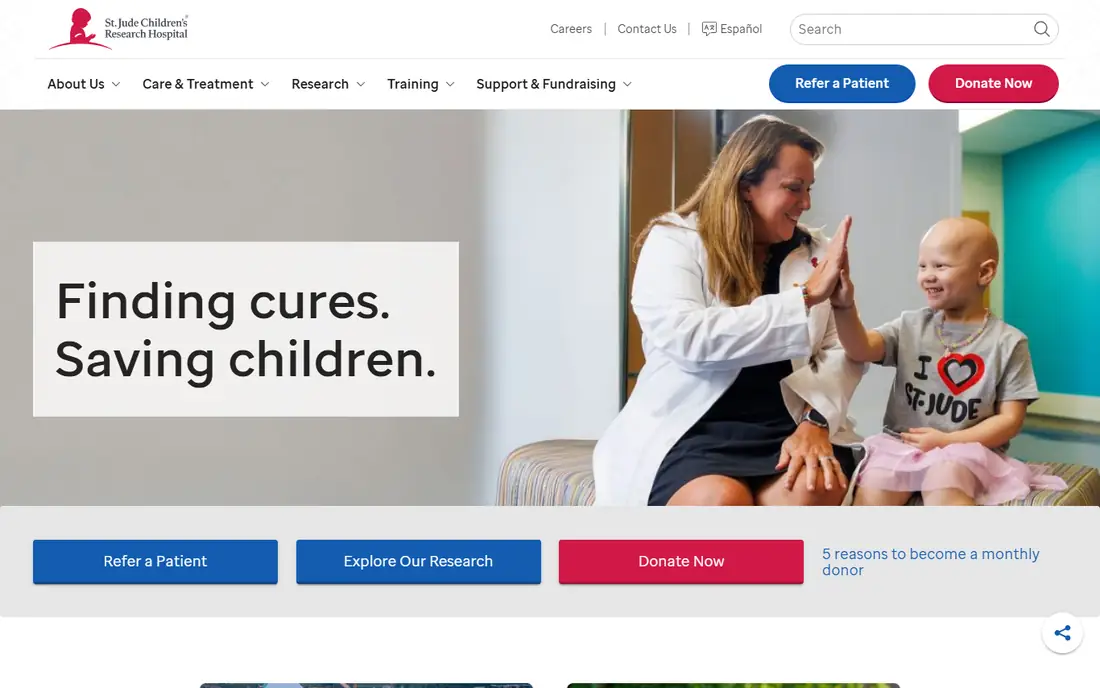
St. Jude Children's Research Hospital tops Forbes' second annual ranking of America's best employers for healthcare professionals, published in September 2026 from surveys of more than 30,000 US healthcare and social services workers. Respondents rated wages, working conditions, schedules, career advancement and safety, and St. Jude led a list of 250 organizations. The ranking reflects employee recommendation, not marketing, which makes the top spot meaningful.
The appeal is the mission: children with cancer and other life-threatening diseases receive treatment and research in the same institution, and families never receive a bill for treatment, travel, housing or food. That model gives staff a clear purpose that many large systems struggle to match. The limits are geography and specialty: the Memphis campus is the center of the work, and roles concentrate in pediatric care and research. For clinicians and researchers drawn to that mission, St. Jude is the strongest employer brand in US healthcare.
What we like- Ranked first on Forbes' 2026 healthcare employer list
- Research and treatment under one roof
- Strong sense of mission
Watch out for- Memphis location limits some job seekers
- Pediatric specialty focus narrows roles
- Research funding cycles affect some teams
Starting priceSee website
Free planNo
Mayo Clinic Health System placed tenth on Forbes' 2026 healthcare employer ranking, and its reputation for integrated, team-based care is the reason most staff cite for joining. The Rochester, Minnesota campus anchors a system with diversified services and sites, and its research and teaching programs give clinicians and support staff unusual room to move into new roles. A nurse, a lab tech or an analyst can build a long career without leaving the organization.
The trade offs are location and scale. Rochester is a smaller city with cold winters, which matters for relocation decisions, and a system this large carries bureaucracy that slows some changes. Competition for the most sought-after roles is also strong. Still, for career growth, training depth and clinical reputation, Mayo remains one of the safest employer choices in American healthcare.
What we like- Ranked in the top 10 on Forbes' 2026 list
- Huge research and teaching programs
- Many internal career paths
Watch out for- Rochester winters and smaller city life
- Large system bureaucracy
- Competition for top roles is strong
Starting priceSee website
Free planNo
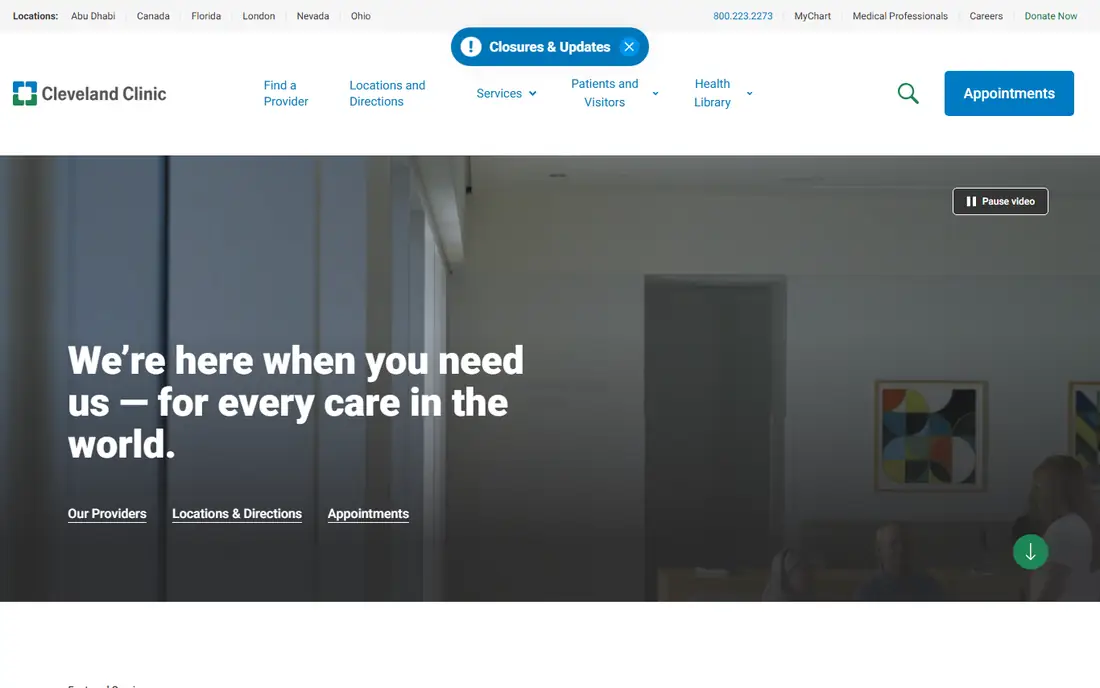
Cleveland Clinic's benefits package is one of the most detailed in US healthcare. Caregivers receive comprehensive medical coverage with $0 copays for primary care visits, fully paid maternity and parental leave, infertility treatment coverage and premium discounts through its Healthy Choice program. In 2024 the system reimbursed $6.3 million in loan repayment and $9.5 million in tuition assistance, and its 2025 vacancy rate of 6.3 percent and turnover of 13.3 percent sit well below national benchmarks.
The culture centers on team-based care under refreshed values of serving with heart, succeeding as one team and shaping the future. More than 300,000 peer-to-peer awards were sent in 2025, which signals an active recognition habit. The downsides are normal for a giant system: complexity, shift work in clinical roles and a main campus in Cleveland. For benefits and caregiver support, few employers match this package.
What we like- Industry-leading caregiver benefits
- $0 copays for primary care visits
- Fully paid maternity and parental leave
- Large tuition and loan help
Watch out for- Large system complexity
- Shift work in hospital roles
- Cleveland location for main campus roles
Starting priceSee website
Free planNo
Houston Methodist ranked fourth on Forbes' 2026 healthcare employer list, the highest-ranked large Texas system in the top five. Its network across the Houston area offers many sites and specialties, from community hospitals to the Texas Medical Center flagship, which gives staff room to change units or specialties without changing employers. Research and teaching ties add training depth for clinical staff.
Houston itself is part of the decision: long commutes and summer heat affect daily life, and experience can vary between sites in a system this large. Hiring in popular units is competitive. For healthcare workers set on Texas, Houston Methodist combines ranking, scale and site variety better than any other employer in the state.
What we like- Ranked fourth on Forbes' 2026 healthcare employer list
- Large Texas system with many sites
- Strong research and teaching ties
Watch out for- Houston traffic and heat for commuters
- Large system variation between sites
- Competitive hiring in popular units

#5
Children's Hospital of Philadelphia
Best for: Pediatric specialty careers
Visit chop.edu
Starting priceSee website
Free planNo
Children's Hospital of Philadelphia, known as CHOP, ranked ninth on Forbes' 2026 healthcare employer list and is one of the oldest and most respected children's hospitals in the US. Its specialty depth covers rare diseases, surgery, oncology and cardiology, and its research programs give staff access to trials and treatments that smaller hospitals cannot offer. For pediatric clinicians, nurses and researchers, CHOP is a career destination.
The limits are focus and city costs. Pediatric specialization narrows options for staff who want adult-care experience, and Philadelphia living costs run above the national average. The academic pace, with research, teaching and clinical work combined, can also be demanding. For pediatric careers with top-tier resources, CHOP belongs near the top of any shortlist.
What we like- Ranked ninth on Forbes' 2026 healthcare employer list
- World-class pediatric specialties
- Strong research programs
Watch out for- Philadelphia cost of living
- Pediatric focus narrows adult-care roles
- Academic pace can be demanding
Starting priceSee website
Free planNo
Cincinnati Children's ranked seventh on Forbes' 2026 healthcare employer list, ahead of many larger adult systems, which says a lot about staff satisfaction. Its research and training programs are deep, with fellowships and career development that keep clinicians and scientists in the organization. Pediatric care is the whole focus, so teams are specialized and experienced rather than generalist.
The scope is also the limit: staff seeking adult-care experience will not find it here, and the main campus is in Cincinnati, which suits some relocations better than others. Research funding pressures touch some departments, as they do across academic medicine. For pediatric professionals who want research, training and a highly rated workplace, Cincinnati Children's is a strong pick.
What we like- Ranked seventh on Forbes' 2026 healthcare employer list
- Strong pediatric research and training
- Good retention record
Watch out for- Cincinnati location for main campus roles
- Pediatric-only scope
- Research funding pressures in some departments
Starting priceSee website
Free planNo
Kaiser Permanente is different from the hospitals above because it combines a health plan with care delivery in one integrated model. That structure gives staff a clearer view of the whole patient journey and strong financial backing, reflected in an AA- rating with a stable outlook from Fitch, which cited its exceptional financial profile and diversified revenue base. Its scale in California and other regions offers many roles across hospitals, clinics and plan operations.
The integrated model also brings more process rules than a standalone hospital, and labor relations vary by site and union. The geographic footprint concentrates in the West and selected regions, so job seekers elsewhere have fewer options. For workers who want an integrated system with strong finances and comprehensive coverage for their own care, Kaiser is a distinctive and stable employer.
What we like- Integrated health plan and care delivery
- Strong finances with an AA- rating
- Large California and regional footprint
Watch out for- Regional footprint limits some job seekers
- Integrated model means more process rules
- Union and labor relations vary by site
Starting priceSee website
Free planNo
HCA Healthcare is the largest hospital operator in the US, and scale is its main employment advantage. With hospitals and care sites across many states, staff can transfer between facilities, move into new specialties and access system-wide training programs without starting over elsewhere. Operational scale also supports consistent systems for scheduling, safety and equipment that smaller hospitals cannot always fund.
The for-profit model draws criticism from some clinicians and labor groups, and experience varies by facility more than the brand suggests, since local leadership still shapes daily work. Standardization can also limit local control over workflows. For workers who value mobility, many locations and clear internal promotion paths, HCA's scale is a practical advantage that few other employers can match.
What we like- Largest US hospital operator with many sites
- Internal transfer and promotion paths
- Operational scale and training programs
Watch out for- For-profit model draws criticism from some staff
- Experience varies by facility
- Large system standardization limits local control
How we chose
We anchored this list in Forbes' 2026 ranking of America's best employers for healthcare professionals, built with Statista from surveys of more than 30,000 US healthcare and social services workers at organizations with at least 1,000 employees. Respondents rated wages, working conditions, schedules, career advancement and safety, with three years of survey data factored in. We then added benefits detail from employer reporting, such as Cleveland Clinic's published benefit and tuition figures, and financial context from rating agencies where relevant.
We did not invent salary figures, since pay varies sharply by role, experience and city, and any single number would mislead. Instead, starting price is listed as See website, and readers should check each employer's careers page for role-specific pay ranges. No employer here was evaluated hands-on for this guide; the picks rest on published rankings, employer disclosures and documented benefits.
What to check before you apply
Compare total rewards, not just salary. Health coverage costs, parental leave, tuition help, loan repayment, retirement matching and schedule flexibility can outweigh a small pay gap, especially for nurses and early-career clinicians. Cleveland Clinic's $0 primary care copays and fully paid parental leave are a good example of benefits that change real monthly costs.
Check the unit, not just the brand. A top-ranked system still varies by hospital, unit and manager, so talk to current staff in the specific role before accepting. Ask about vacancy rates, turnover, shift patterns, on-call load and training budgets, and confirm licensing and certification support. For relocation, weigh city costs and commute against the employer's footprint, since a great employer in the wrong city is still the wrong job.
Frequently asked questions
Which healthcare company is the best to work for in 2026?
Forbes' 2026 ranking puts St. Jude Children's Research Hospital first, based on surveys of more than 30,000 US healthcare workers rating wages, conditions, schedules, advancement and safety. Mayo Clinic, Houston Methodist, Cincinnati Children's and Children's Hospital of Philadelphia also rank in the top 10.
Do healthcare employers pay for tuition?
Many top employers do. Cleveland Clinic reported $9.5 million in tuition assistance and $6.3 million in loan repayment in 2024. Terms vary by employer and role, so check the careers page and ask recruiters about annual caps, eligible programs and service commitments before accepting an offer.
Is a large hospital system better than a small hospital?
Large systems offer more internal moves, training and benefits depth, while smaller hospitals often offer tighter teams and faster decisions. The best choice depends on whether you value mobility and resources or closeness and flexibility. Talk to staff in the specific unit before deciding.
What benefits matter most in healthcare jobs?
Health coverage costs, paid parental leave, tuition help, loan repayment, retirement matching and schedule control matter most, since they affect monthly costs and burnout risk. Compare these alongside salary, and ask about on-call load, overtime rules and staffing ratios in the unit you would join.
Do these employers hire non-clinical staff too?
Yes. Hospitals and health systems hire analysts, IT staff, finance teams, administrators, food service and facilities workers alongside clinicians. Forbes also ranks healthcare employers for tech workers, with Texas Health Resources, Northwell Health and Mayo Clinic among the featured names for 2026.
How do I check pay for a specific role?
Use each employer's careers page, which lists role-specific ranges in many states, and compare with public salary guides for your city and specialty. Pay varies by role, experience, shift differentials and location, so a single national figure would mislead more than it helps.
Sources we checked (0)
Is your product missing or out of date?
We review this list regularly. Vendors can request a listing, send updated pricing or ask about featured placement.

Shihab Mia · Founder, Rankite
Shihab has 5+ years in B2B and SaaS SEO. He writes Rankite's software buying guides from pricing pages, documentation and public user reviews. More about Shihab.
 Mayo Clinic
 Cleveland Clinic
 Houston Methodist
 Cincinnati Children's
 Kaiser Permanente
 HCA Healthcare