How we make this list: we compare pricing pages, product documentation and public user reviews. Rankite is independent; if a vendor ever pays for a featured spot, that listing is clearly labeled Partner.
Key takeaways
- A bad CTMS choice costs clinical operations teams months: studies run on spreadsheets, site payments stall, and monitoring finds problems too late.
- Veeva, Oracle, and Medidata dominate sponsor and CRO deployments with deep, enterprise-grade trial management suites.
- Florence Healthcare, Medrio, CRIO, and RealTime give sites and smaller sponsors modern, purpose-built alternatives.
- Advarra pairs its OnCore CTMS with IRB oversight, a combination academic medical centers value.
Quick comparison
| Tool | Best for | Starting price | Free plan |
|---|
 Veeva Vault CTMS Veeva Vault CTMS | sponsors already living in the Vault ecosystem | See website | No |
 Oracle Oracle | global sponsors running complex trial portfolios | See website | No |
 Medidata Medidata | sponsors wanting one intelligent trial platform | See website | No |
 Florence Healthcare Florence Healthcare | organizations connecting sponsors and sites | See website | No |
 Medrio Medrio | lean teams that need rigor without programmers | See website | No |
 RealTime RealTime | research sites running the business of trials | See website | No |
 CRIO CRIO | sites replacing paper source with eSource | See website | No |
 Advarra Advarra | academic centers wanting CTMS plus IRB in one partner | See website | No |
Is your product missing or out of date?
We review this list regularly. Vendors can request a listing, send updated pricing or ask about featured placement.
The best ctms software
Clinical trial management system software sits at the operational heart of research. It tracks study startup, site activation, subject enrollment, monitoring visits, site payments, and the documents regulators will eventually audit. When the CTMS is wrong for the organization, the symptoms are unmistakable: enrollment numbers nobody trusts, invoices paid late, and monitors discovering protocol deviations months after they happened.
#1
Veeva Vault CTMS
Best for: sponsors already living in the Vault ecosystem
Visit veeva.com
Starting priceSee website
Free planNo
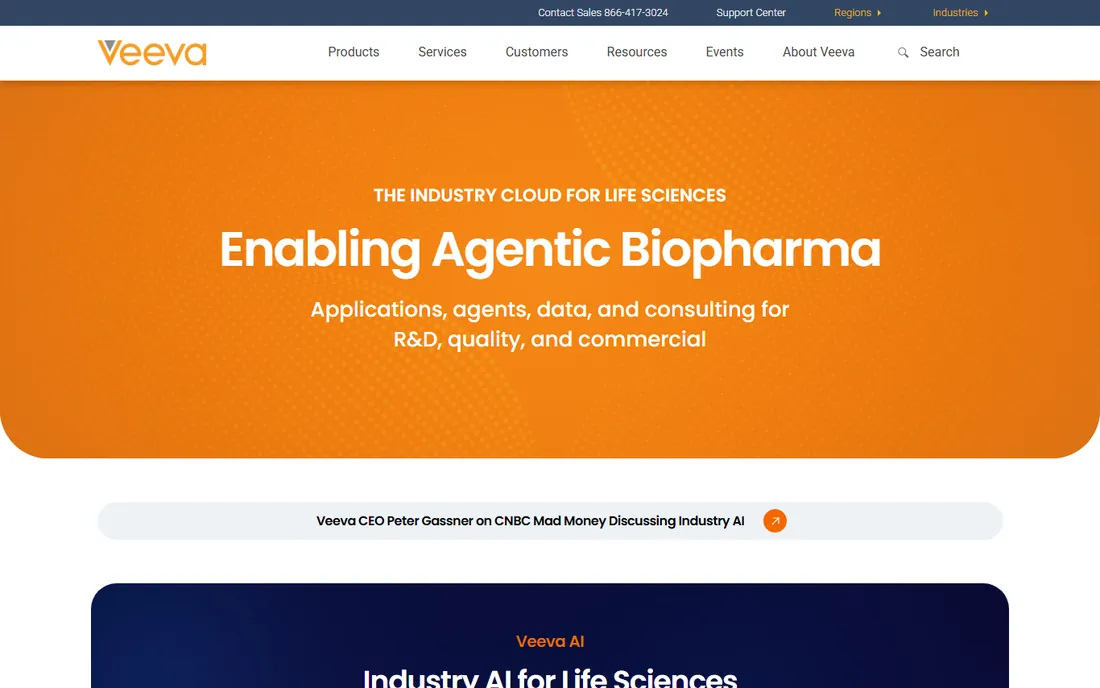
Veeva Vault CTMS is part of the industry cloud for life sciences, and its strength is the suite. The CTMS shares one platform with Vault eTMF, Study Startup, Site Connect, and Payments, so study data flows between operational areas without integrations held together by hope. For sponsors standardizing clinical operations on Veeva, that unity removes a whole category of reconciliation work.
The CTMS covers the core: study and country planning, site selection and activation, subject enrollment tracking, monitoring visit management, trip reports, and site payments tied to actual milestones. Because Veeva builds only for life sciences, the workflows reflect how trials actually run rather than generic project management.
The honest catch is commitment. Pricing is quote-based and enterprise-grade, and the CTMS delivers its best value when the organization also runs the neighboring Vault applications. Sponsors already invested in Veeva will find it the natural operational core.
What we like- Unified with Vault eTMF, Study Startup, and Payments
- Built specifically for life sciences
- Strong sponsor and CRO adoption
Watch out for- Quote-based enterprise pricing
- Best value inside the full Vault suite
#2
Oracle
Best for: global sponsors running complex trial portfolios
Visit oracle.com
Starting priceSee website
Free planNo
Oracle's clinical trial management offerings carry the weight of decades in life sciences data, from the Siebel CTMS lineage through today's cloud clinical suite. For large sponsors running hundreds of studies across dozens of countries, Oracle brings the global infrastructure, compliance controls, and analytics depth that smaller vendors cannot match.
The platform manages study planning, site management, monitoring, and financials with the rigor regulated enterprises expect. Integration with Oracle's broader cloud and data platform gives sponsors unified analytics across clinical and commercial operations.
The catch is the enterprise reality. Sales cycles are long, implementations are projects, and the total cost reflects that. Organizations without dedicated clinical operations IT will find it heavy. For top-tier sponsors that need proven scale, Oracle remains a default consideration.
What we like- Deep clinical data management heritage
- Global scale and compliance
- Strong analytics and reporting
Watch out for- Enterprise sales and implementation cycles
- Complexity that smaller teams do not need
Starting priceSee website
Free planNo
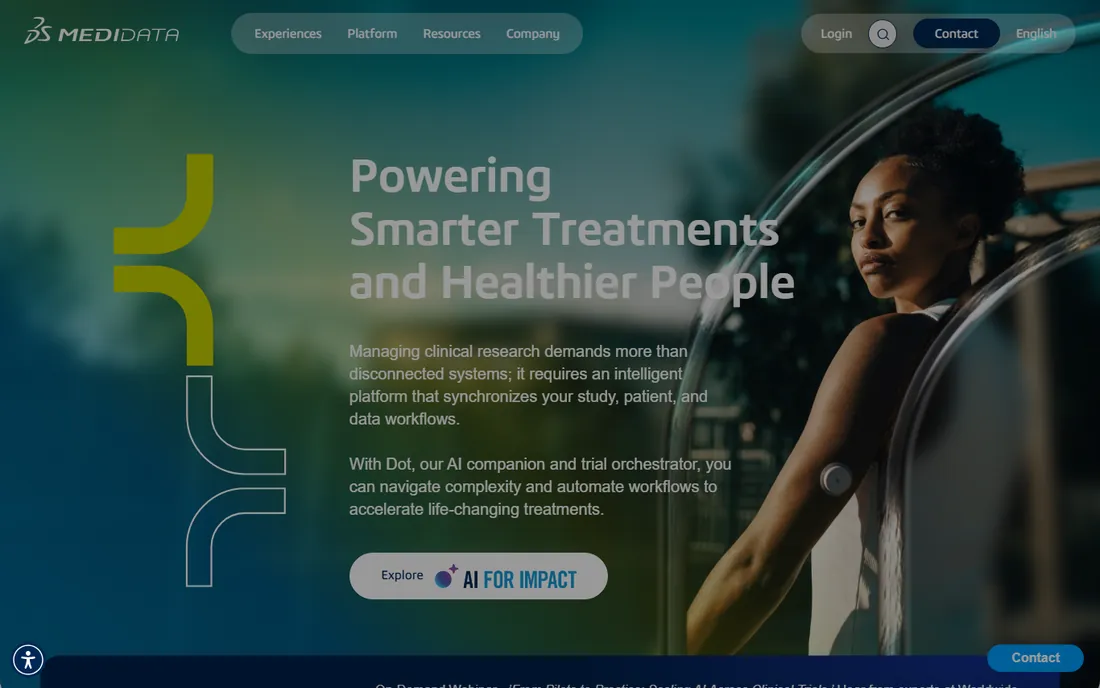
Medidata, a Dassault Systèmes company, offers one of the broadest clinical platforms in the industry. Its CTMS sits alongside Rave EDC, RTSM randomization and supply, eCOA, and the Clinical Data Studio, with the AI companion Dot helping teams navigate complexity. For sponsors that want study data unified from protocol to database lock, the single-vendor story is compelling.
The platform's scale is the credibility marker: technology trusted across tens of thousands of trials, with data from millions of patients informing AI-driven insights. Study management, site oversight, and monitoring workflows connect directly to the data capture systems, so operational decisions reflect real trial data.
The honest catch is scope. Medidata is built for sponsors and CROs running serious trial portfolios, with pricing to match. Smaller research organizations will find leaner tools more approachable. For mid-size and large sponsors consolidating vendors, the unified platform argument is strong.
What we like- Unified platform from EDC to CTMS to RTSM
- AI companion Dot orchestrates workflows
- Trusted in 38,000+ clinical trials
Watch out for- Quote-based pricing
- The platform breadth can overwhelm smaller teams
Starting priceSee website
Free planNo
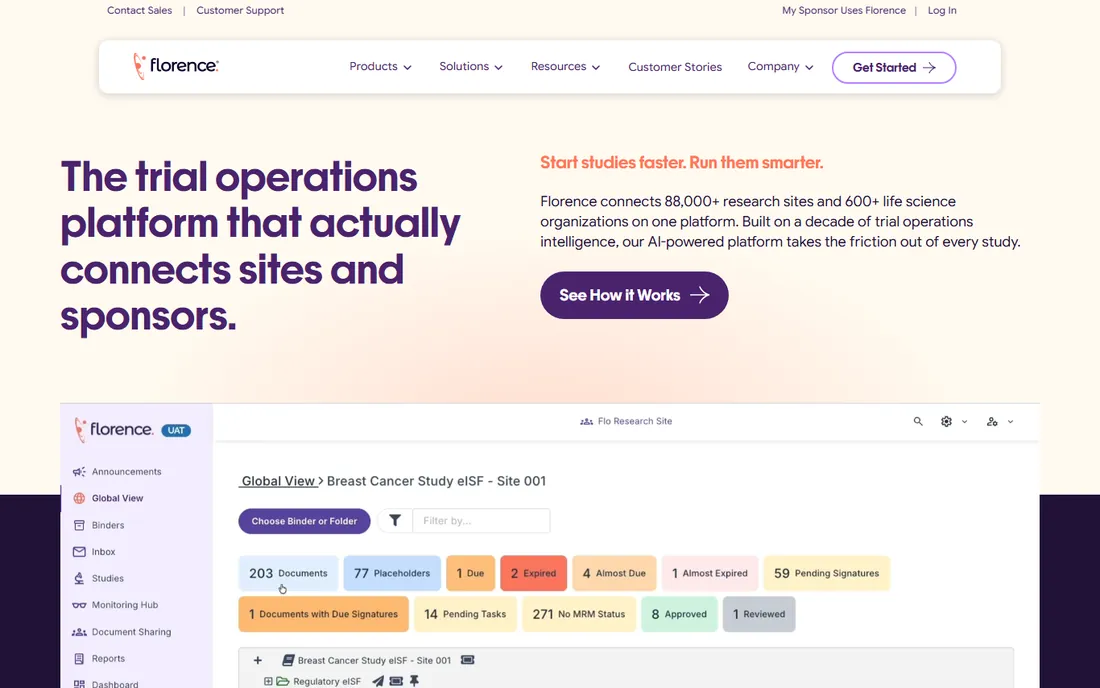
Florence Healthcare built its name on site connectivity, with its eBinders eISF trusted by tens of thousands of research sites. The platform now spans the full trial lifecycle: site selection and feasibility, AI-assisted contracting, document exchange, eTMF, monitoring and reporting, and archiving with retention up to 25 years. The pitch is one system both sponsors and sites actually use.
That two-sided network is the differentiator. Sponsors activate sites faster through the connected site network, and sites work in a system their staff already know. AI acceleration touches startup packets, contract negotiation, and operational monitoring.
The catch is evaluation effort. The platform's breadth means understanding which modules fit your organization takes real work, and pricing is quote-based. For sponsors and CROs tired of the sponsor-site technology gap, Florence is purpose-built to close it.
What we like- One platform from startup to closeout
- Largest connected site network
- ETMF, eISF, eConsent, and contracting included
Watch out for- Quote-based pricing
- Breadth means longer evaluation
#5
Medrio
Best for: lean teams that need rigor without programmers
Visit medrio.com
Starting priceSee website
Free planNo
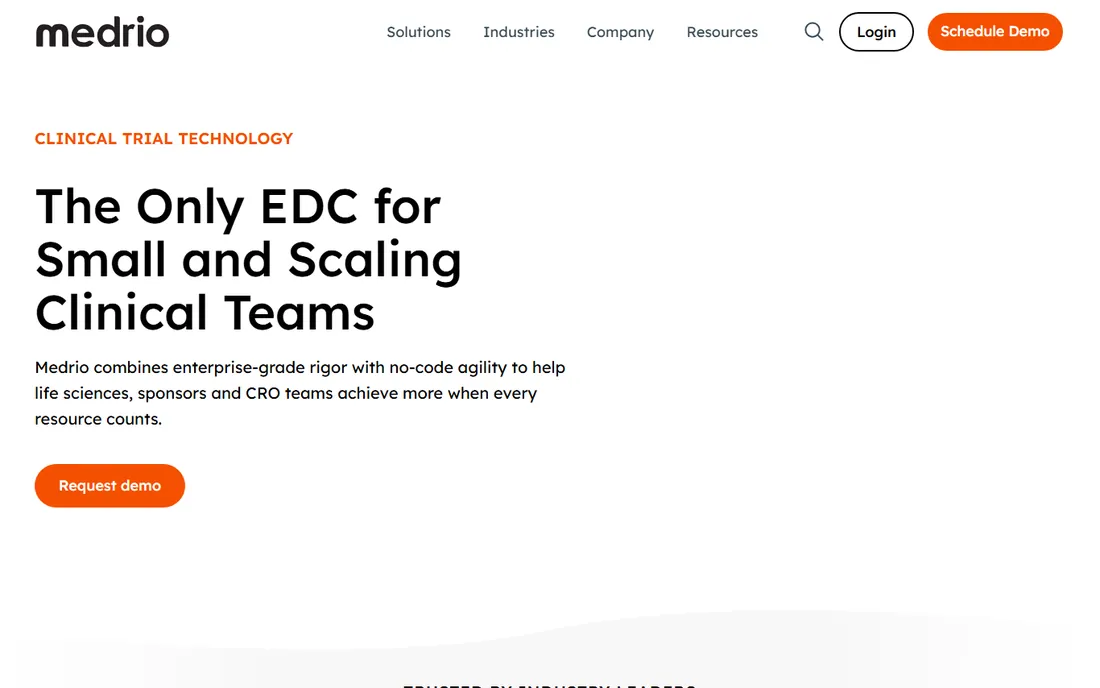
Medrio takes a different position: enterprise-grade rigor with no-code agility. Sponsors and CROs can configure, adapt, and manage EDC, ePRO/eCOA, eConsent, and RTSM without programmers, backed by a fully validated, audit-ready platform with more than 20 years of clinical use across thousands of completed trials.
The service model matters as much as the software. Medrio pairs the platform with clinical experts, project managers, and data scientists who support studies from database build through regulatory-ready outputs. For lean teams without deep in-house data management, that support is the product as much as the software.
The honest catch is scale. Medrio is smaller than Veeva, Oracle, and Medidata, with a thinner partner ecosystem. Pricing is quote-based. For emerging sponsors and CROs that need validated systems without enterprise overhead, it hits a sweet spot.
What we like- No-code configuration for EDC, ePRO, eConsent, and RTSM
- 20+ years of validated clinical use
- Dedicated expert support
Watch out for- Quote-based pricing
- Smaller ecosystem than the giants
Starting priceSee website
Free planNo
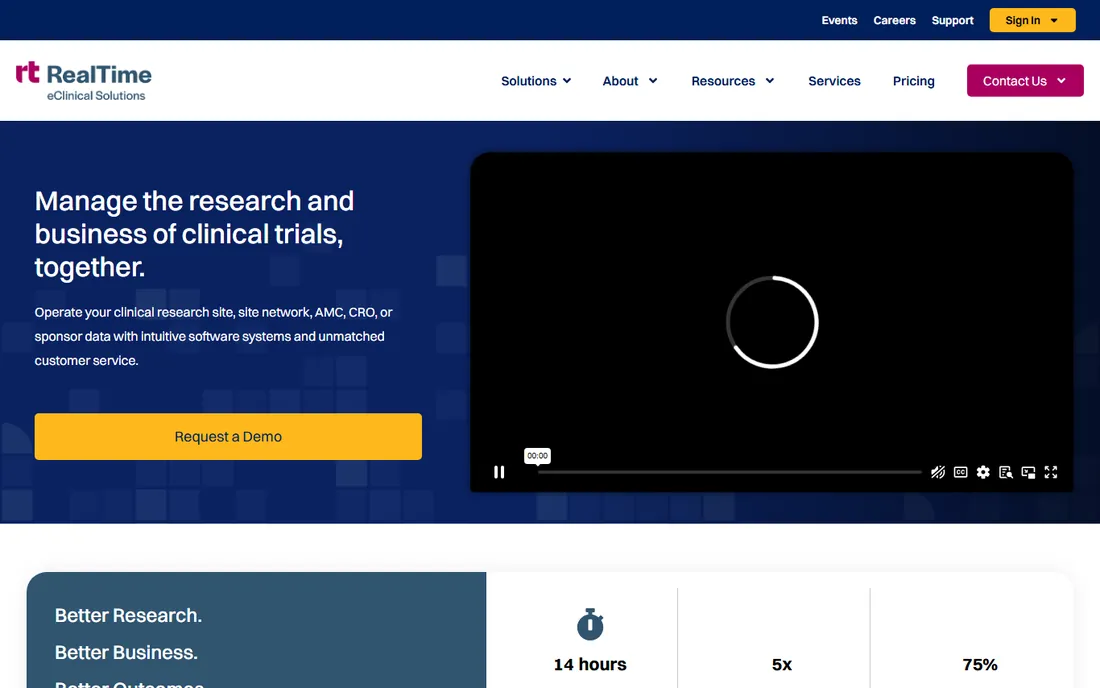
RealTime eClinical Solutions builds for the site side of research: individual sites, site networks, academic medical centers, and health systems. Its Site Operations Management System brings CTMS, eSource, eReg/eISF, and GlobalPay site payments into one connected platform, so sites stop juggling multiple logins, trainings, and vendor invoices.
The CTMS manages studies, staff, finances, documents, and workflows from one place, with Devana analytics giving real-time visibility into site performance and study activity. For site networks standardizing operations across locations, the integrated approach replaces a patchwork of tools.
The catch is orientation. RealTime is built for sites and site networks, not sponsor-level portfolio oversight. Pricing is quote-based. For research sites that want one vendor for operations, it is among the most site-centric options available.
What we like- Purpose-built for site operations and site networks
- CTMS, eSource, eReg, and payments in one platform
- Strong customer service reputation
Watch out for- Site-focused, less suited to sponsor oversight
- Quote-based pricing
Starting priceSee website
Free planNo
CRIO built its reputation on eSource: intuitive electronic data capture at the point of patient interaction that replaces paper source documents. But the platform now connects the full site workflow, with eConsent, eRegulatory, and CTMS living alongside eSource in one system. Sites using it report meaningful gains in enrollment and startup speed.
The Central eSource model is clever: sponsors and CROs create standardized source templates centrally and publish them to all sites, keeping data consistent across the study while sites configure for local needs. Integrations with Veeva Vault EDC and Medidata Rave move captured data into EDC without manual transcription.
The honest catch is the site focus. CRIO is a site platform with CTMS capabilities, not a sponsor's portfolio management system. Pricing is quote-based. For sites modernizing data capture and sponsors wanting cleaner source data, it is purpose-built.
What we like- Intuitive eSource with CTMS, eConsent, and eReg in one platform
- Central eSource standardizes data across sites
- Integrates with Veeva and Medidata EDC
Watch out for- Site-centric rather than sponsor CTMS
- Quote-based pricing
#8
Advarra
Best for: academic centers wanting CTMS plus IRB in one partner
Visit advarra.com
Starting priceSee website
Free planNo
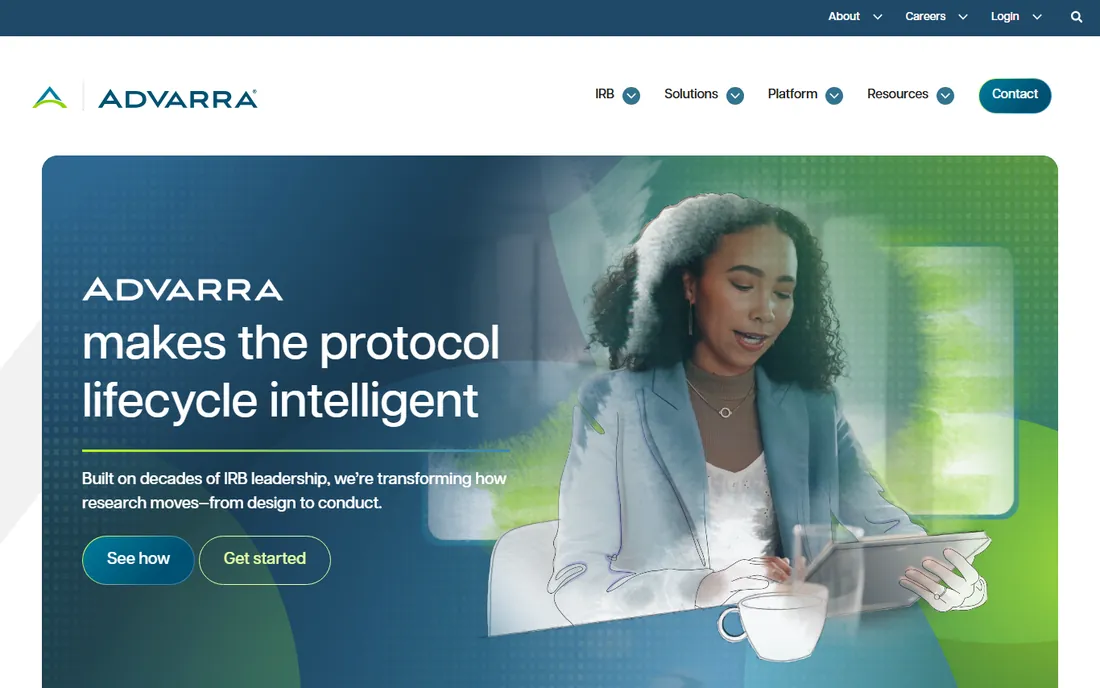
Advarra combines what most vendors keep separate: the OnCore clinical trial management system and trusted IRB oversight under one roof. The numbers tell the story: the majority of NCI-designated cancer centers use Advarra technology, and thousands of institutions, hospitals, and health systems trust the platform.
OnCore manages the operational core for academic research: study management, subject tracking, financials, and reporting built for the complexity of academic medical centers. The IRB integration means protocol lifecycle workflows connect review and operations, and the company's Onsemble community is the industry's largest peer network for site professionals.
The catch is fit. Advarra's strength is academic and institutional research; commercial sponsors running global portfolios will look to Veeva, Oracle, or Medidata. Pricing is enterprise and quote-based. For AMCs and cancer centers, the CTMS-plus-IRB combination is unmatched.
What we like- OnCore CTMS trusted by most NCI-designated cancer centers
- Integrated IRB oversight
- 3,500+ institutions on the platform
Watch out for- Academic medical center focus
- Quote-based enterprise pricing
How we chose
We evaluated CTMS software on the capabilities that determine trial operational success: study planning and startup, site selection and activation, enrollment tracking, monitoring management, site payments, document management and eTMF, regulatory compliance including 21 CFR Part 11, and integration with EDC and other eClinical systems. We verified each vendor's homepage and current positioning, and cross-referenced with industry reviews and analyst coverage. We covered both sponsor-side enterprise platforms and site-focused systems because CTMS serves both audiences. We excluded any tool whose homepage we could not open and confirm, including Clinical Conductor, whose standalone site now redirects into Advarra. We did not test any system hands-on.
Questions to ask before you sign a CTMS contract
CTMS contracts run for years. The demo always looks good. These questions separate fit from theater.
Who actually uses it daily?
Ask for a reference call with a clinical operations user at a similar organization, not just the executive sponsor. Daily users will tell you about the workflows the demo skipped.
How do site payments really work?
Late site payments damage site relationships. Ask exactly how milestones trigger payments, how long payment cycles take, and what the system does when data is missing.
What does validation cost you?
Every regulated system needs validation. Ask what the vendor provides out of the box, what your team must do, and how upgrades affect your validated state.
Can you leave?
Ask about data export formats and migration support before you sign. The time to negotiate exit terms is when the vendor wants your business, not when you want to leave.
The term CTMS covers two different products, and buying the wrong kind is an expensive mistake.
Sponsor-side CTMS manages the trial portfolio: study planning across countries, site selection, monitoring oversight, and consolidated reporting to leadership. Veeva, Oracle, Medidata, and Florence serve this side.
Site-side CTMS runs the business of research at the site: patient scheduling, staff management, study finances, regulatory binders, and site-level reporting. RealTime, CRIO, and Advarra's OnCore serve this side.
Many organizations need both, connected by data exchange rather than one system pretending to serve both masters. Define which side you are buying for before you evaluate, and judge each vendor on that side's workflows.
Frequently asked questions
What is the best CTMS software?
For sponsors, Veeva Vault CTMS, Oracle, Medidata, and Florence Healthcare lead. For research sites and site networks, RealTime, CRIO, and Advarra's OnCore are purpose-built. Medrio suits lean sponsor and CRO teams that want no-code configuration.
What does CTMS stand for?
CTMS stands for Clinical Trial Management System. It is software that manages the operational aspects of clinical trials: study planning, site management, enrollment tracking, monitoring, site payments, and regulatory documents.
How much does CTMS software cost?
All the vendors on this list price by quote based on study volume, user count, and modules. Expect enterprise pricing from Veeva, Oracle, Medidata, and Advarra, and mid-market pricing from Florence, Medrio, RealTime, and CRIO. Always get a formal quote.
What is the difference between CTMS and EDC?
A CTMS manages trial operations (sites, enrollment, monitoring, payments, documents) while EDC (electronic data capture) collects the actual clinical data from patients. They serve different purposes and typically integrate with each other.
Do I need both a CTMS and an eTMF?
Most sponsors use both: the CTMS runs operations while the eTMF manages the trial master file documents regulators audit. Several vendors on this list, including Veeva and Florence, offer both in one platform.
Is cloud-based CTMS compliant with FDA regulations?
Yes, provided the system is validated for 21 CFR Part 11 compliance (audit trails, electronic signatures, data integrity). All the vendors on this list build for regulated use, but confirm validation documentation during evaluation.
Sources we checked (8)
- https://veeva.com/
- https://www.oracle.com
- https://medidata.com/
- https://florencehc.com/
- https://medrio.com/
- https://realtime-ctms.com/
- https://clinicalresearch.io/
- https://advarra.com/
Is your product missing or out of date?
We review this list regularly. Vendors can request a listing, send updated pricing or ask about featured placement.

Shihab Mia · Founder, Rankite
Shihab has spent more than a decade helping SaaS and e-commerce brands grow through search. He writes Rankite's software buying guides from pricing pages, documentation and public user reviews. More about Shihab.