How we make this list: we compare pricing pages, product documentation and public user reviews. Ratings come from G2, Capterra or Trustpilot, with the date we checked them.
Key takeaways
- The market splits into hyperscalers (AWS, Azure, Google Cloud) for scale and deep service catalogs, and developer clouds (DigitalOcean, Vultr, Linode) for simple predictable pricing.
- Developer cloud entry plans run 4 to 6 dollars per month, while hyperscaler pricing is usage based and egress fees dominate the bill at scale.
- Egress fees differ sharply: AWS charges about 0.09 dollars per GB after 100 GB free, Google Cloud about 0.12 dollars, and Azure about 0.087 dollars, while DigitalOcean pools 4,000 GiB and Vultr includes 5 TB.
- Managed cloud such as Cloudways costs roughly twice the underlying droplet but removes server administration.
- Always confirm pricing on the provider checkout page, since prices change often and promo pricing renews higher at some hosts.
Quick comparison
| Tool | Best for | Starting price | Free plan |
|---|
 Amazon Web Services | Enterprise scale and service depth | Usage based | Yes |
 Microsoft Azure | Microsoft ecosystem enterprises | Usage based | Yes |
 Google Cloud | Data and AI workloads | Usage based | Yes |
 DigitalOcean | Startups wanting simple cloud | $4 per month | No |
 Vultr | Low cost global VPS locations | $2.50 per month | No |
 Akamai Linode | Predictable pricing and transfer | $5 per month | No |
 Kamatera | Custom configurations | $4 per month | No |
 Cloudways | Fully managed cloud hosting | $14 per month | No |
Is your product missing or out of date?
We review this list regularly. Vendors can request a listing, send updated pricing or ask about featured placement.
The best cloud hosting services
Starting priceUsage based
Free planYes
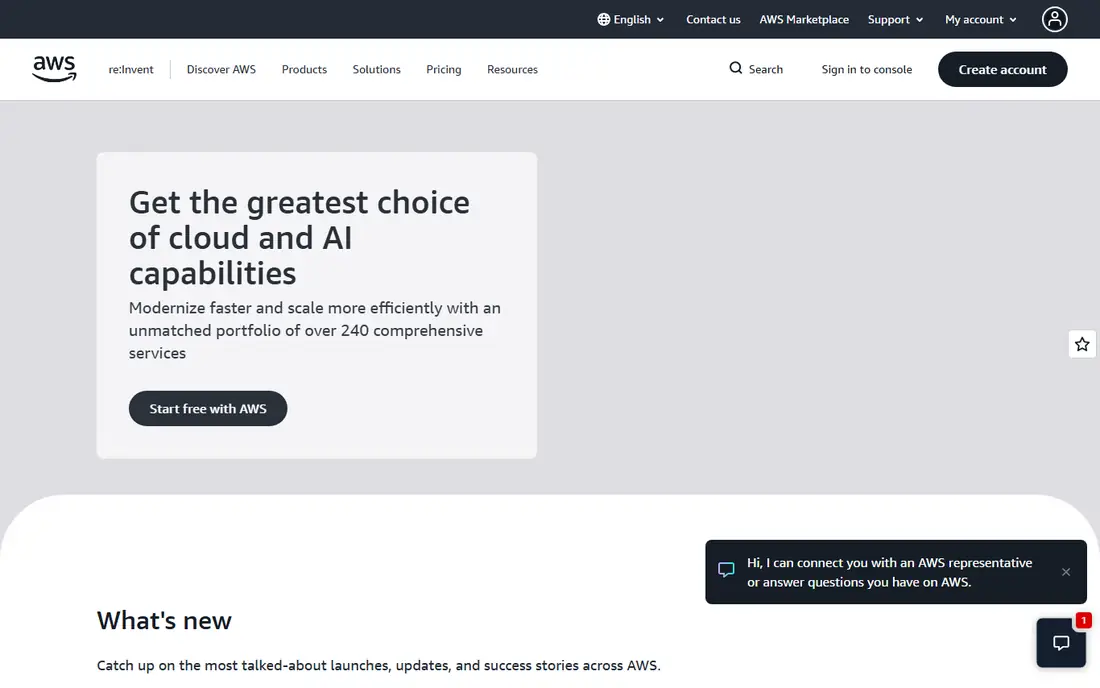
What we like- AWS offers the widest service catalog in cloud hosting, from EC2 compute and S3 storage to managed databases, AI, and networking, with 19 or more regions and Lightsail entry plans from 5 dollars per month. It is the default for larger companies and anything that needs global scale or a deep catalog, and the free tier lets new users learn without an upfront bill. Managed services reduce operational work for teams that would otherwise run databases themselves.
Watch out for- Pricing is usage based and complex, and egress fees dominate the bill at scale, at about 0.09 dollars per GB after 100 GB free, reaching 1,742 dollars for 20 TB in one October 2026 comparison. The console and service sprawl overwhelm small teams, and cost surprises are common without billing alerts and budgets. Support beyond basic tiers costs extra.
Starting priceUsage based
Free planYes

What we like- Azure suits enterprises already running Microsoft software, with native integration to Windows Server, Active Directory, Office 365, and SQL Server. Entry virtual machines such as the B1s run near 7.59 dollars per month in 2026 benchmarks, and the free tier covers learning and small workloads. Hybrid cloud features suit companies split between on premises systems and cloud.
Watch out for- Egress fees run about 0.087 dollars per GB after 100 GB free, reaching 1,691 dollars for 20 TB in one comparison, so data heavy workloads get expensive. Pricing is usage based and complex, and the portal can feel slower and denser than developer clouds. Support and advanced features sit behind higher tiers.
Starting priceUsage based
Free planYes
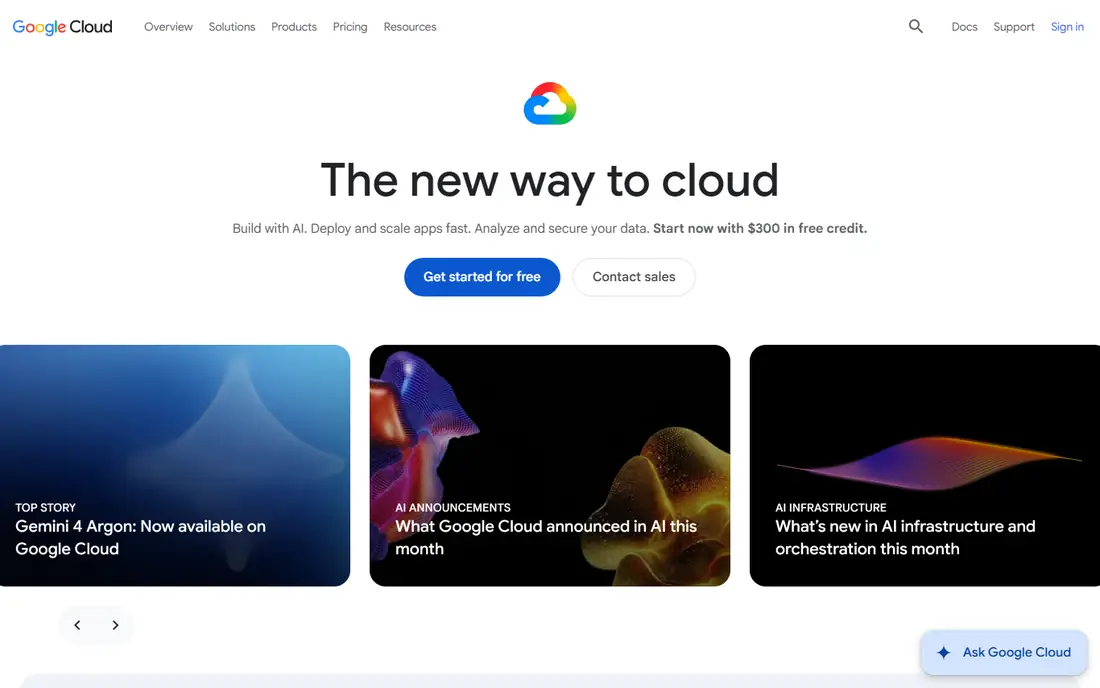
What we like- Google Cloud suits data and AI workloads, with BigQuery analytics, Kubernetes leadership, and AI tooling that lead the market for data teams. Entry machines such as the e2-micro run near 7.11 dollars per month in 2026 benchmarks, and the free tier covers small workloads. Its network performance is strong, and sustained use discounts reward steady workloads.
Watch out for- Egress fees are the highest among hyperscalers at about 0.12 dollars per GB after 1 GiB free on Premium tier, reaching 1,807 dollars for 20 TB in one comparison. The service catalog is smaller than AWS, and enterprise support costs extra. Pricing complexity matches AWS, so small teams should budget carefully.
Starting price$4 per month
Free planNo
What we like- DigitalOcean offers Droplets from 4 dollars per month, with a clean dashboard, fast provisioning, and hourly billing that suits developers and startups. Entry specs in 2026 comparisons list 1 vCPU, 512 MB RAM, and 10 GB SSD on the smallest plan, with larger Basic Droplets at 6 dollars per month for 1 vCPU and 1 GB. Transfer pooling helps: 4,000 GiB pooled, then 0.01 dollars per GiB, which keeps egress far below hyperscaler rates.
Watch out for- The service catalog is smaller than hyperscalers, with no equivalent to the full managed database and AI range. There is no managed option, so server administration falls on the customer. Larger enterprises needing compliance depth and global scale will outgrow it.
Starting price$2.50 per month
Free planNo
What we like- Vultr offers Cloud Compute from 2.50 dollars per month for IPv6 only plans and 5 dollars per month for standard 1 vCPU, 1 GB, 25 GB SSD plans, across 33 regions, the widest developer cloud footprint here. Transfer includes 5 TB, then 0.01 dollars per GB, and pay as you go pricing does not jump at renewal. It suits developers who need many global locations at low cost.
Watch out for- There is no managed option, so server administration is the customer's job. The service catalog is narrower than hyperscalers, and support is thinner than managed providers. Entry plans are small, so production workloads need larger instances at higher prices.
Starting price$5 per month
Free planNo
What we like- Akamai Cloud, formerly Linode, offers shared instances from about 5 dollars per month for the Nanode with 1 vCPU, 1 GB RAM, 25 GB storage, and 1 TB transfer. Pricing is simple and predictable, with no renewal jump, and dedicated CPU plans suit steady workloads. Transfer pricing runs 0.005 dollars per GB with no included transfer on some dedicated plans, which still beats hyperscaler egress at scale.
Watch out for- The service catalog is smaller than hyperscalers, and there is no managed option. Data center coverage is narrower than Vultr, with fewer regions. Teams needing managed databases or AI services will need a second provider or a hyperscaler.
Starting price$4 per month
Free planNo
What we like- Kamatera offers custom configurations from 4 dollars per month for 1 vCPU and 1 GB, with pay per resource pricing across 21 locations and a 30 day free trial. Scaling is transparent, since cost rises linearly with provisioned vCPU and RAM, and a managed add-on is available for teams that want help. It suits startups managing predictable growth with custom specs.
Watch out for- Entry TCO rises with growth, from 4 dollars at entry to about 24 dollars at a 2 vCPU and 4 GB growth stage in 2026 benchmarks, so budgeting must model the growth path. The brand is less known than DigitalOcean or Vultr, and the catalog is narrower than hyperscalers. Support quality varies by plan.
#8Cloudways
Best for: Fully managed cloud hosting4.7/5 on
G2 (1,149 reviews, checked Oct 2026)
Visit cloudways.com
Starting price$14 per month
Free planNo
What we like- Cloudways is fully managed cloud hosting on DigitalOcean, AWS, Google Cloud, Vultr, and Linode, starting at 14 dollars per month for the smallest DigitalOcean server, roughly twice the underlying droplet cost. It removes server administration, with managed backups, security patching, and support, plus a 3 day free trial. It suits agencies and businesses without server admin skills that still want cloud infrastructure.
Watch out for- The managed premium roughly doubles the raw droplet cost, so technical teams pay for help they do not need. Server level control is less than direct DigitalOcean or Vultr, since Cloudways manages the stack. Performance depends on the underlying provider chosen, so the cheapest plan is not always the best value.
How we chose
We ranked services on entry pricing, pricing predictability, egress fees, service catalog depth, global footprint, and managed options. Services earned credit for published entry prices, flat or pooled transfer, and free tiers. We excluded shared hosting providers with no cloud infrastructure and providers with no verifiable pricing. Figures come from published pricing and October 2026 comparison reporting, and readers should confirm pricing on the provider checkout page, since prices change often.
How to choose the right cloud hosting service
Start with your team's skills. If nobody on the team manages servers, pick a managed provider such as Cloudways, or a hyperscaler managed service, rather than an unmanaged developer cloud. If the team is technical and the workload is a website, app, or API, a developer cloud such as DigitalOcean, Vultr, or Linode gives predictable pricing from 4 to 6 dollars per month. Next, model egress: if your workload serves large downloads, video, or data exports, hyperscaler egress at 0.087 to 0.12 dollars per GB can dwarf compute costs, while developer clouds pool or include far more transfer. Then check renewal behavior: pay as you go clouds such as Cloudways, Kamatera, and Vultr do not jump at renewal, while long term promo plans at some hosts renew much higher. Finally, confirm the data center region you need, since latency and data residency rules depend on region, and test with a small instance before committing to a large deployment.
Frequently asked questions
What is the difference between cloud hosting and VPS hosting?
VPS hosting dedicates resources on one physical server, while cloud hosting spreads resources across a cloud platform and scales CPU and RAM in minutes. Cloud hosting suits growing sites, stores, and agencies better, while VPS suits steady traffic at lower cost.
How much does cloud hosting cost?
Developer clouds start at 4 to 6 dollars per month for entry plans, while hyperscaler pricing is usage based and varies with compute, storage, and egress. Managed cloud such as Cloudways starts near 14 dollars per month for the smallest DigitalOcean server.
Why are egress fees important?
Egress fees charge for data leaving the cloud, and they dominate the bill for data heavy workloads. AWS charges about 0.09 dollars per GB after 100 GB free, Google Cloud about 0.12 dollars, and Azure about 0.087 dollars, while DigitalOcean pools 4,000 GiB and Vultr includes 5 TB.
Should a startup pick a hyperscaler or a developer cloud?
A startup that needs a server running in minutes without a pricing spreadsheet should pick a developer cloud such as DigitalOcean, Vultr, or Linode. A company that needs managed databases, global scale, or a deep service catalog should pick a hyperscaler and budget for egress.
Is managed cloud hosting worth twice the droplet cost?
It is worth it if nobody on the team manages servers, since managed providers handle backups, security patching, and support. Technical teams that can manage servers themselves save money by going direct to DigitalOcean, Vultr, or Linode.
Do cloud hosting prices jump at renewal?
Pay as you go clouds such as Cloudways, Kamatera, and Vultr do not jump at renewal, while long term promo plans at some hosts renew much higher. Always check the renewal price, not just the first term price.
Sources we checked (0)
Is your product missing or out of date?
We review this list regularly. Vendors can request a listing, send updated pricing or ask about featured placement.

Shihab Mia · Founder, Rankite
Shihab has 5+ years in B2B and SaaS SEO. He writes Rankite's software buying guides from pricing pages, documentation and public user reviews. More about Shihab.