How we make this list: we compare pricing pages, product documentation and public user reviews. Ratings come from G2, Capterra or Trustpilot, with the date we checked them.

Key takeaways
- The best app to learn Japanese for free in 2026 depends on your goal: Duolingo for a daily habit, Tae Kim for grammar, Anki for vocabulary memory, and WaniKani for kanji.
- Truly free options exist: Tae Kim's Guide is fully free, Anki is free on desktop and Android, and Duolingo gives full lesson access with ads.
- Free-tier limits matter: WaniKani only gives levels 1 to 3 free, Bunpro offers a 30 day trial plus a limited free tier, and LingoDeer limits free content to early lessons.
- No single app covers speaking well: pair a free app with conversation practice, since apps build reading and vocabulary faster than real speaking skill.
Quick comparison
Is your product missing or out of date?
We review this list regularly. Vendors can request a listing, send updated pricing or ask about featured placement.
The best apps to learn Japanese for free
Starting priceFree
Free planYes
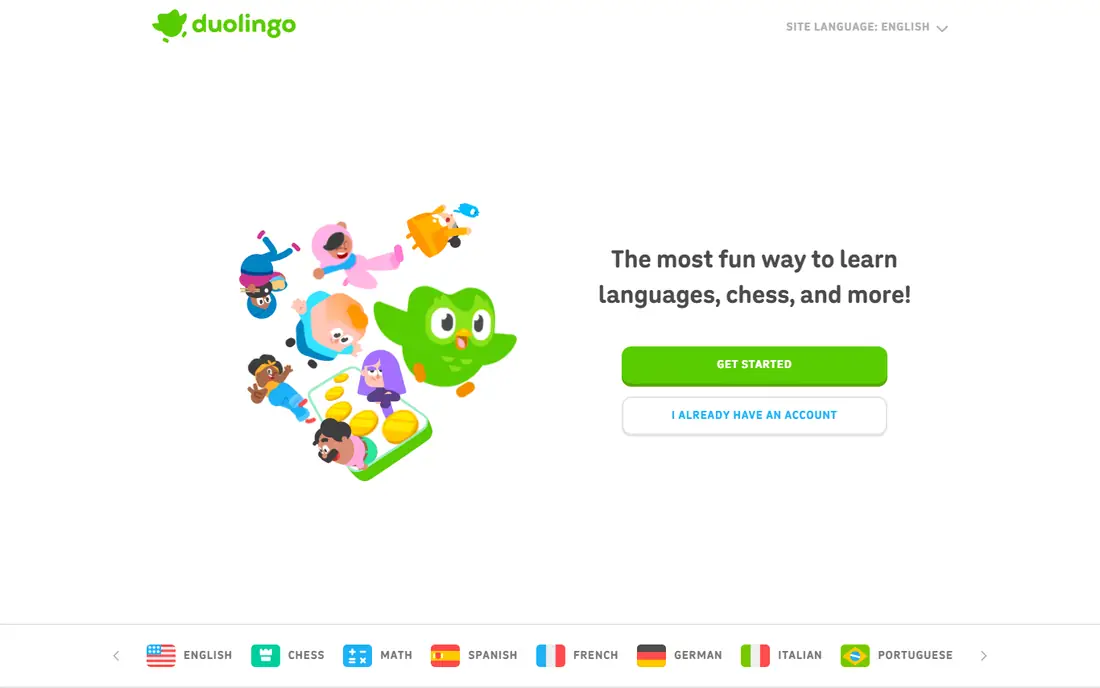
Duolingo is the free, gamified app most people try first. Short, game-style lessons cover basic vocabulary, sentence structure, and all three Japanese scripts, with streaks and daily reminders that build a study habit in five to ten minutes a day.
The free version gives full access to the entire Japanese course, including lessons, stories, and character practice tools, with ads that do not block progress. Super Duolingo costs about 12.99 dollars a month or 59.99 dollars a year and removes ads with unlimited mistakes and offline access. For absolute beginners who want a low-pressure start, Duolingo leads.
What we like- Free tier with full lesson access including stories and character practice
- Covers hiragana, katakana, and basic kanji
- Streaks build a daily habit
Watch out for- Ads interrupt free lessons
- Grammar taught by repetition rather than explanation
- Speaking and listening skills develop slowly
Starting priceFree
Free planYes
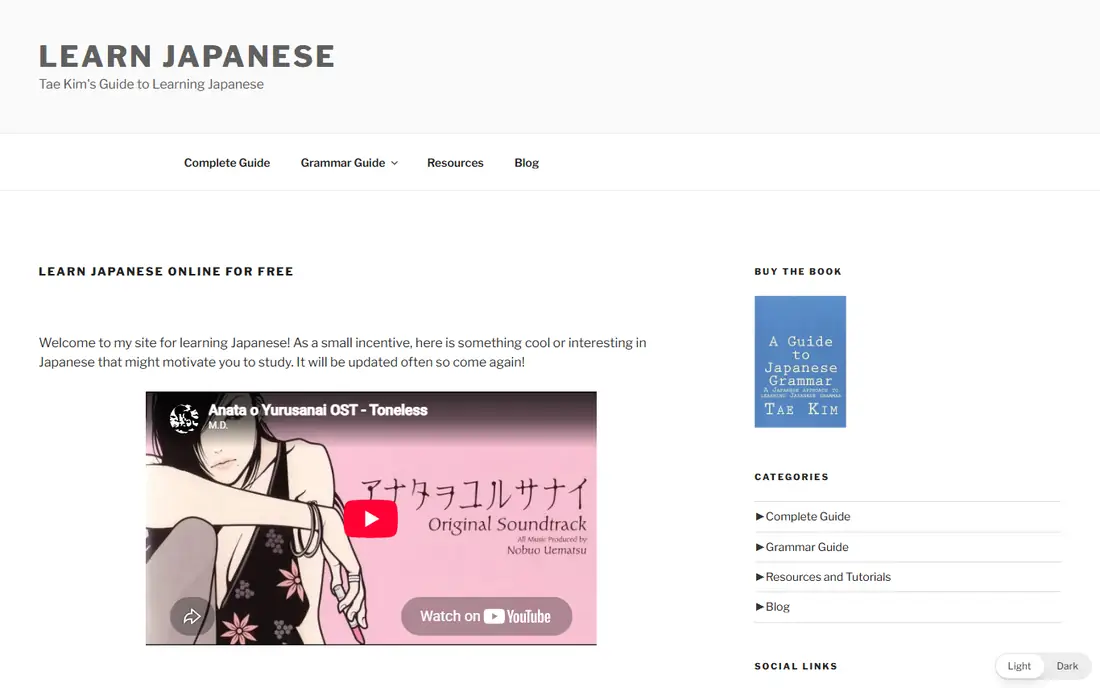
Tae Kim's Guide is the fully free grammar foundation pick. Its structured, text-based lessons explain Japanese grammar clearly from basic particles to advanced constructions, filling the explanation gap that gamified apps leave.
The guide is 100 percent free with no subscription, and it suits self-study learners who want a grammar foundation before or beside an app. For grammar explanations at zero cost, Tae Kim leads.
What we like- Fully free with no ads or paywall
- Structured grammar lessons from basics to advanced
- Clear explanations missing from gamified apps
Watch out for- Text based, so no audio or speaking practice
- Self-study discipline required
- No progress tracking or gamification
Starting priceFree
Free planYes
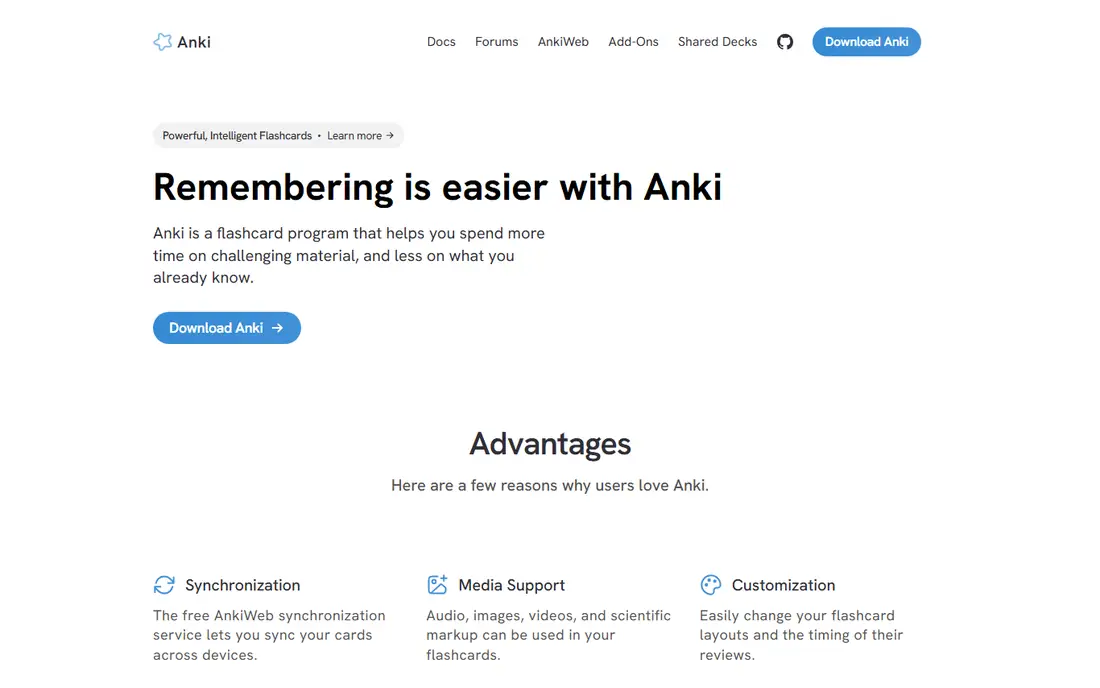
Anki is the long-term vocabulary retention pick. Its evidence-backed spaced repetition schedules flashcards at the moment you are about to forget them, and its shared deck library covers Japanese vocabulary, kanji, and JLPT terms built by other learners.
The desktop and Android apps are free, while the iOS app costs 25 dollars once. Anki teaches no lessons itself, so it pairs best with a grammar or course app. For vocabulary memory at zero cost on most devices, Anki leads.
What we like- Free on desktop and Android
- Evidence-backed spaced repetition
- Huge shared deck library for Japanese vocabulary and kanji
Watch out for- IOS app costs 25 dollars once
- Setup takes effort and deck quality varies
- No lessons, only flashcards
Starting priceFree
Free planYes
WaniKani suits systematic kanji learning. Its mnemonic-based spaced repetition teaches radicals, then kanji, then vocabulary in a logical level-by-level progression, which suits learners who find kanji the hardest part of Japanese.
Levels 1 to 3 are free, which covers the first steps, while paid plans cost 9 dollars a month, 89 dollars a year, or 299 dollars lifetime. For kanji mastery with a free trial of the system, WaniKani is the best pick.
What we like- Logical level-by-level kanji progression with mnemonics
- Spaced repetition built in
- Levels 1 to 3 free
Watch out for- Free tier stops after level 3
- Paid plans cost 9 dollars a month, 89 dollars a year, or 299 dollars lifetime
- Kanji only, no grammar
Starting price$5 per month
Free planFree trial
Bunpro suits structured grammar study. It covers grammar points from N5 to N1 with example sentences and fill-in-the-blank practice, using spaced repetition so grammar sticks rather than fading after one read.
The free tier is limited, with a 30 day trial, and paid plans cost 5 dollars a month or 150 dollars lifetime. For grammar mastery with a clear JLPT path, Bunpro leads.
What we like- Structured grammar study from N5 to N1
- Grammar points with example sentences
- Spaced repetition for grammar retention
Watch out for- Free tier is limited plus a 30 day trial
- Paid plans cost 5 dollars a month or 150 dollars lifetime
- Less vocabulary coverage than Anki
Starting priceFree
Free planFree trial
LingoDeer is the best app for Japanese basics with real grammar explanations. Its step-by-step lessons with native HD audio and clear English grammar notes suit structured learners who find Duolingo explanations too thin.
Free content is limited to early lessons, while paid plans run 5 to 15 dollars a month or 160 dollars lifetime, and level coverage stops around N4. For structured beginners who want grammar explained, LingoDeer is the best pick.
What we like- Excellent grammar explanations with clear English notes
- Native HD audio
- Step-by-step sentence building for beginners
Watch out for- Free content limited to early lessons
- Paid plans run 5 to 15 dollars a month or 160 dollars lifetime
- Level coverage stops around N4
Starting priceFree
Free planYes
JapanesePod101 teaches through podcast-style audio sessions with native speakers, who deconstruct real-life conversations, syntax, vocabulary, and slang, with transcripts and cultural notes to read along afterward.
A free lifetime account includes a 50 plus lesson survival course, while paid plans range from 8 to 47 dollars a month, with longer plans saving 20 to 60 percent. For audio-first learners, JapanesePod101 leads.
What we like- Free lifetime account with a 50 plus lesson survival course
- Podcast-style audio with native speakers
- Transcripts and cultural notes
Watch out for- Paid plans from 8 to 47 dollars a month for full access
- 1-on-1 teaching only on the top plan
- Audio focus means less reading practice
Starting priceFree
Free planYes
Renshuu suits JLPT-focused learners who want kanji, vocabulary, and grammar in one free app. Its gamified spaced repetition quizzes cover JLPT levels, with a free tier that covers real study and a Pro plan for full features.
The interface feels busy beside simpler apps, and audio coverage is thinner than JapanesePod101. For JLPT-focused study at zero cost, Renshuu rounds out the list.
What we like- Free tier covers kanji, vocabulary, and grammar with gamified SRS quizzes
- JLPT-focused paths
- Community features
Watch out for- Paid Pro plan needed for full features
- Interface feels busy beside Duolingo
- Less audio than JapanesePod101
How we chose
We ranked apps by free tier generosity, skill coverage, structure, and value at paid entry pricing. We favored apps whose free tier covers real study rather than a short demo, and we gave extra weight to grammar explanation, since that is where free gamified apps most often fall short. A free tier that covers only a demo scores lower than one that covers a full course level.
We also weighed honesty about limits. An app that says its free tier stops after level 3 scores higher than an app that hides its paywall, since learners plan study time around what is actually free. Price conflicts across sources were handled by using the most commonly cited figure, so readers should check the vendor pricing page before subscribing.
Buying guide
Start with your goal. Absolute beginners should start with Duolingo for habit plus Tae Kim for grammar, kanji learners with WaniKani, vocabulary learners with Anki, and JLPT aspirants with Bunpro or Renshuu. One app rarely covers every skill, so pair a course app with a memory app.
Next, check what is actually free before committing study time. WaniKani levels 1 to 3, Bunpro limited free tier, and LingoDeer early lessons all end, so plan whether you will pay or switch when the free tier runs out. Free tiers with ads, such as Duolingo, cost attention rather than money, which suits some learners better than a paywall.
Finally, add speaking practice early. No app on this list replaces consistent practice with a real person, so pair app study with conversation exchange, tutoring, or language meetups once you can hold basic sentences. Track progress by JLPT level or by what you can read and say, not by streaks alone, since a long streak with no speaking practice still leaves conversation skills behind.
Frequently asked questions
What is the best app to learn Japanese for free overall?
Duolingo leads for a daily habit with full lesson access free, Tae Kim leads for grammar at zero cost, and Anki leads for vocabulary memory free on desktop and Android. Pair them for the strongest free combination, and add WaniKani once kanji becomes your main bottleneck.
Is Duolingo really free for Japanese?
Yes. The free version gives full access to the entire Japanese course, including lessons, stories, and character practice tools, with ads that do not block progress. Super Duolingo at 12.99 dollars a month removes ads and adds offline access, unlimited mistakes, and personalized review, which suits learners who find ads frustrating.
Can I learn Japanese to fluency with free apps alone?
Free apps build reading, vocabulary, and grammar well, but speaking and listening develop slowly without real conversation. Pair app study with conversation practice for fluency, and expect reading to run ahead of speaking for a long time, since apps test recognition far more than production.
What is the cheapest way to learn kanji?
WaniKani levels 1 to 3 are free, then 9 dollars a month, while Anki is free on desktop and Android with shared kanji decks. Both use spaced repetition, which suits long-term kanji memory, and Anki costs nothing beyond the optional 25 dollar iOS app for learners who study on iPhone.
How much time should I study daily?
Five to ten minutes a day builds a habit with Duolingo, but 20 to 30 minutes across two apps, such as Duolingo plus Anki, moves faster. Consistency beats long occasional sessions for language memory, and short daily reviews keep spaced repetition schedules working as designed rather than letting cards pile up.
Sources we checked (0)
Is your product missing or out of date?
We review this list regularly. Vendors can request a listing, send updated pricing or ask about featured placement.

Shihab Mia · Founder, Rankite
Shihab has 5+ years in B2B and SaaS SEO. He writes Rankite's software buying guides from pricing pages, documentation and public user reviews. More about Shihab.
 Duolingo
 Tae Kim's Guide to Learning Japanese
 Anki
 WaniKani
 Bunpro
 LingoDeer
 JapanesePod101
 Renshuu