How we make this list: we compare pricing pages, product documentation and public user reviews. Rankite is independent; if a vendor ever pays for a featured spot, that listing is clearly labeled Partner.
Key takeaways
- Best overall: HubSpot, ideal for teams that want marketing, sales and service on one CRM: free CRM tools to start with.
- ActiveCampaign suits small businesses that want advanced email automation, while Klaviyo is the better fit for ecommerce brands that live on email and SMS.
- Buyers who want everything in one subscription should look at Mailchimp, which pairs easy to learn with a friendly editor with broader platform features.
Quick comparison
| Tool | Best for | Starting price | Free plan |
|---|
 HubSpot HubSpot | Teams that want marketing, sales and service on one CRM | See website | Yes |
 ActiveCampaign ActiveCampaign | Small businesses that want advanced email automation | See website | No |
 Klaviyo Klaviyo | Ecommerce brands that live on email and SMS | See website | Yes |
 Mailchimp Mailchimp | Beginners who want an easy first email platform | See website | Yes |
 Brevo Brevo | Businesses that want email plus SMS without per-contact pricing | See website | Yes |
 Marketo Engage Marketo Engage | Mid-market and enterprise B2B demand generation | See website | No |
 Salesforce Marketing Cloud Salesforce Marketing Cloud | Enterprises already on Salesforce | See website | No |
 GetResponse GetResponse | Small teams that want email, webinars and funnels together | See website | No |
 Constant Contact Constant Contact | Local businesses and nonprofits that want simple email | See website | No |
 Drip Drip | Ecommerce stores that want behavior-based automation | See website | No |
Is your product missing or out of date?
We review this list regularly. Vendors can request a listing, send updated pricing or ask about featured placement.
#1
HubSpot
Best for: Teams that want marketing, sales and service on one CRM
Visit hubspot.com
Starting priceSee website
Free planYes
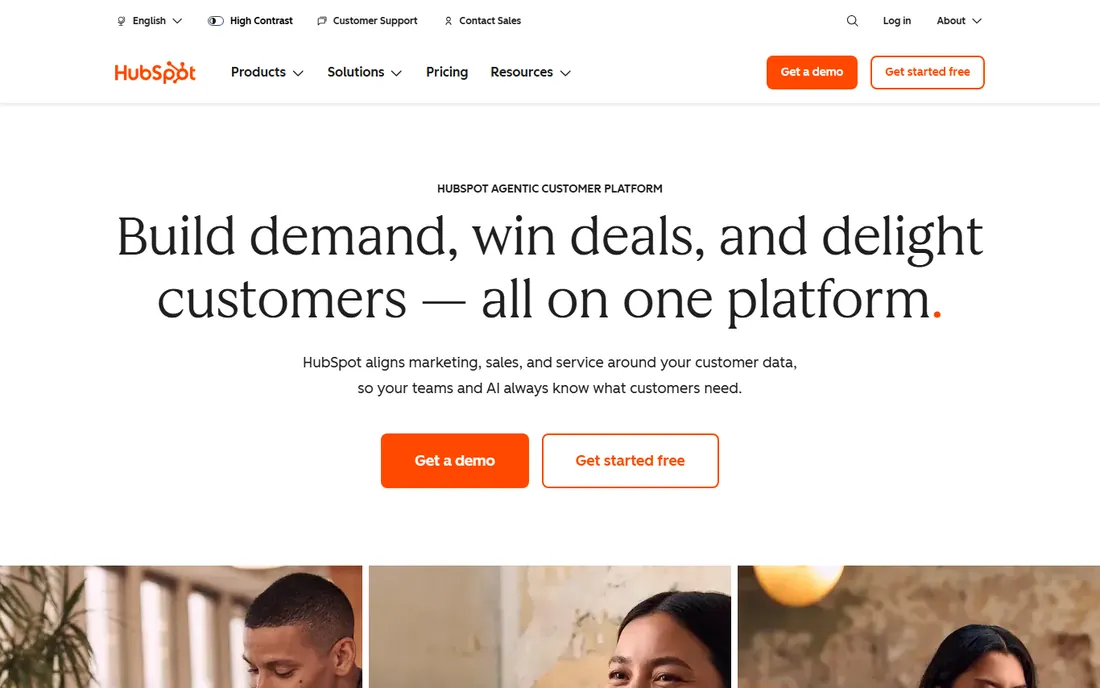
HubSpot is the default recommendation for teams that want marketing automation sitting on a real CRM. The free tier covers contacts, email and basic automation, which is enough to prove value before spending. As you grow, the marketing hub adds workflows, lead scoring and attribution that all read from the same contact record.
The integration story is the strength. Marketing, sales and service share one database, so a lead's journey from first click to closed deal is visible in one timeline. That coherence is hard to replicate by stitching separate tools.
The honest catch is price escalation. Contact tiers and feature gates mean the bill grows with your database, sometimes sharply. Start on free, model your contact growth, and make sure the paid tiers still make sense at your scale.
What we like- Free CRM tools to start with
- Deep integration across marketing, sales and service hubs
- Strong reporting and attribution
Watch out for- Costs rise fast as contacts and features grow
- Advanced automation locked behind higher tiers
Starting priceSee website
Free planNo
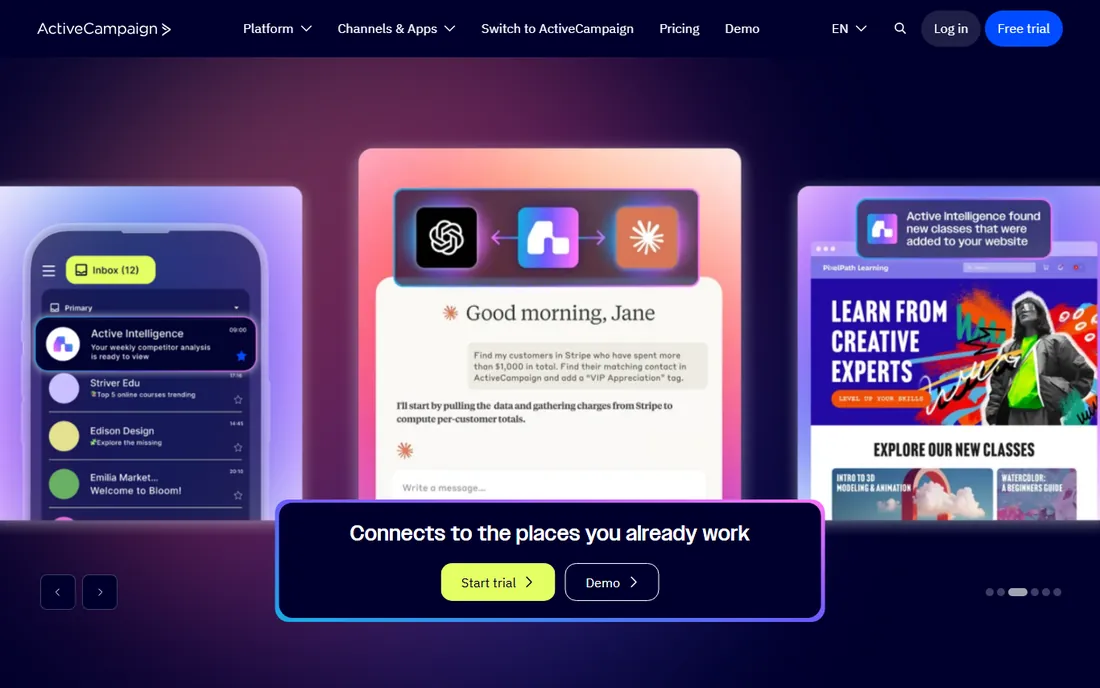
ActiveCampaign built its reputation on an automation builder that goes deeper than its price suggests. Visual workflows handle branching, tagging, lead scoring and multi-channel follow-up without enterprise complexity. For small businesses, it punches above its weight.
Deliverability is consistently solid, and the integration library covers the tools small teams actually use, from Shopify to Calendly. Migration from simpler email tools is well documented.
The builder's depth is also its learning curve. New users should expect a week of tinkering before automations feel natural, and the tiered pricing rewards careful plan selection. Once past that, it is one of the best values in automation.
What we like- Strong visual automation builder
- Good deliverability track record
- 900+ integrations
Watch out for- Learning curve on advanced features
- Pricing tiers can confuse first-time buyers
Starting priceSee website
Free planYes
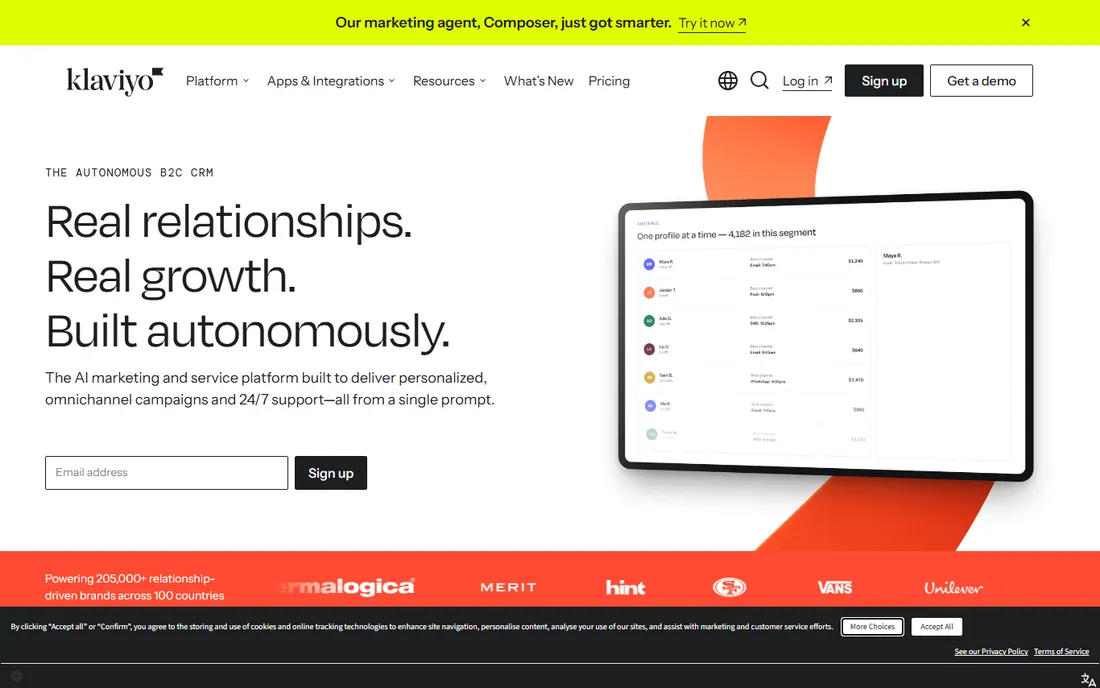
Klaviyo is the email platform ecommerce brands graduate to. Its Shopify integration is the deepest in the category, syncing catalogs, carts and purchase behavior into segments and flows automatically. Abandoned cart, post-purchase and winback sequences practically build themselves.
Segmentation is where it earns its keep. Browse behavior, purchase history and predicted lifetime value combine into audiences that generic email tools cannot match. The free plan lets small stores start without commitment.
SMS is powerful but pricey at scale, so watch that line item. And outside ecommerce, much of Klaviyo's edge disappears. For online stores, though, it is the category leader for a reason.
What we like- Deep Shopify and ecommerce integrations
- Strong segmentation and flows
- Free plan to start
Watch out for- SMS costs add up quickly
- Overkill for non-ecommerce businesses
Starting priceSee website
Free planYes
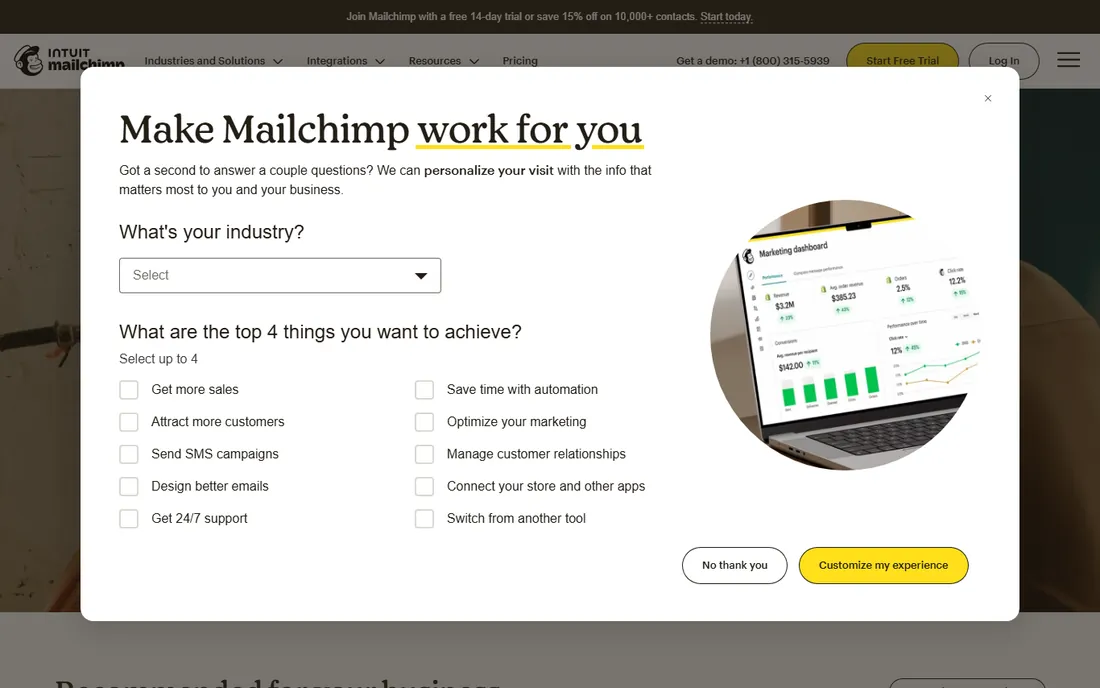
Mailchimp remains the easiest front door to email marketing. The editor is friendly, templates are plentiful, and the free plan lets a new business send real campaigns before spending anything. For newsletters and basic automation, it just works.
The brand recognition helps with team buy-in. Most marketers have used Mailchimp somewhere, so training costs are near zero and freelancers are easy to find.
Power users eventually hit limits. Automation branching, segmentation depth and pricing at scale all lag behind ActiveCampaign and Klaviyo. But as a first platform that grows with you to a point, Mailchimp is still a sensible start.
What we like- Easy to learn with a friendly editor
- Free plan for getting started
- Wide template library
Watch out for- Automation less advanced than specialist rivals
- Pricing jumps at higher contact counts
#5
Brevo
Best for: Businesses that want email plus SMS without per-contact pricing
Visit brevo.com
Starting priceSee website
Free planYes
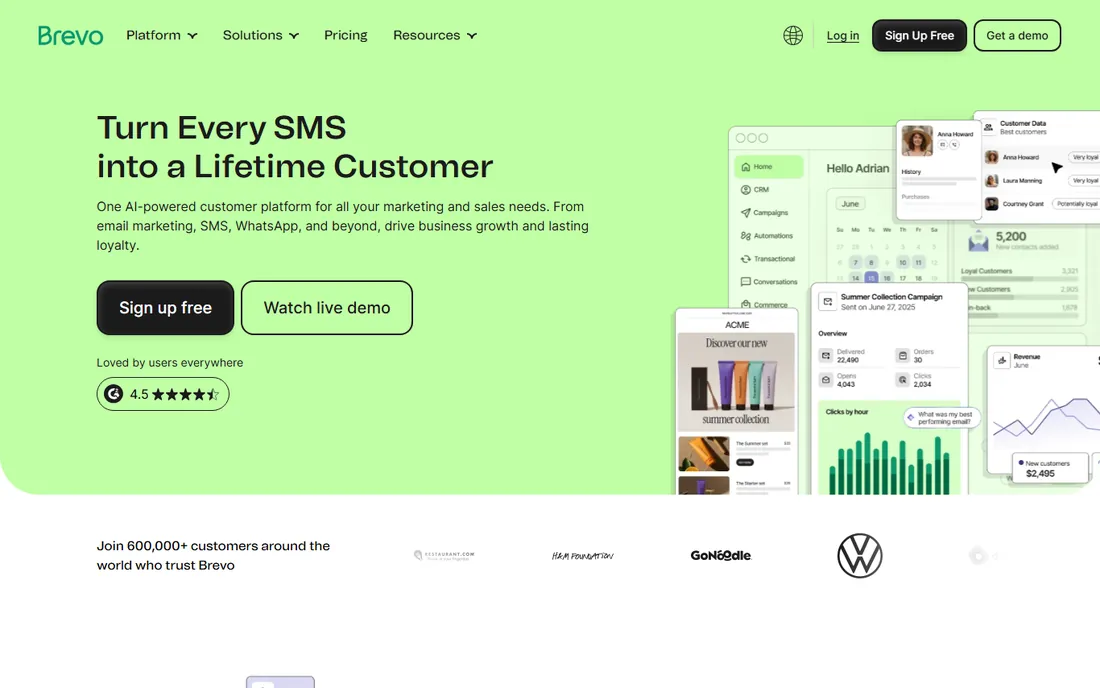
Brevo's pricing model is its headline: you pay for emails sent, not contacts stored. For businesses with large lists that email infrequently, that structure saves real money versus per-contact competitors. Email, SMS and chat live in one account.
The platform covers the essentials well: campaigns, automation workflows, transactional email and a CRM-lite contact base. The free plan is genuinely usable for small senders.
The automation builder and template library trail the category leaders in polish. Design-forward brands may find the creative options limiting. But on price-to-utility for high-volume, low-frequency senders, Brevo is hard to beat.
What we like- Pricing based on sends, not contacts
- SMS and chat built in
- Free plan available
Watch out for- Automation builder less polished than leaders
- Template variety is more limited
#6
Marketo Engage
Best for: Mid-market and enterprise B2B demand generation
Visit marketo.com
Starting priceSee website
Free planNo
Marketo Engage is the B2B demand generation workhorse. Lead scoring, multi-touch nurturing and account-based programs run at a depth that mid-market platforms cannot match. For complex B2B funnels with long cycles, it is the reference standard.
The Salesforce integration is genuinely deep, syncing bidirectionally in ways that keep sales and marketing aligned on the same lead data. That matters when attribution arguments get heated.
This is not a tool you casually adopt. It needs an admin, an implementation plan and executive patience. Teams without dedicated marketing ops will struggle. But for B2B organizations ready to invest, Marketo remains the safest enterprise pick.
What we like- Powerful lead scoring and nurturing
- Deep Salesforce integration
- Mature, proven platform
Watch out for- Needs a dedicated admin to run well
- Implementation takes time and planning
Starting priceSee website
Free planNo
Salesforce Marketing Cloud makes sense when Salesforce is already your system of record. Journey Builder orchestrates email, mobile, social and ads from the same customer data your sales team uses, which keeps messaging consistent across the lifecycle.
At enterprise scale, the platform handles complexity that breaks smaller tools: multi-brand, multi-region, millions of contacts. The ecosystem of consultants and integrations is unmatched.
The price and implementation effort are serious, and the learning curve is steep. Smaller teams should look elsewhere. But for Salesforce-centric enterprises, Marketing Cloud is the coherent choice.
What we like- Deep Salesforce ecosystem integration
- Powerful journey builder
- Enterprise scale and reliability
Watch out for- Expensive and complex to implement
- Overkill for smaller teams
Starting priceSee website
Free planNo
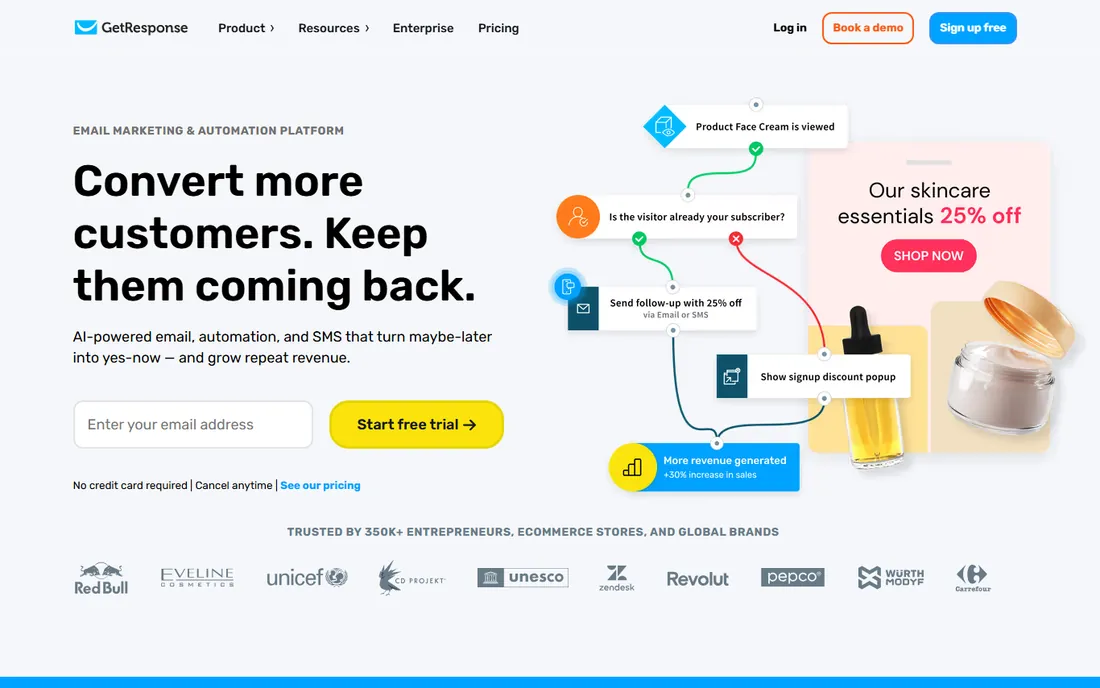
GetResponse bundles things competitors sell separately: email marketing, webinars and conversion funnels in one subscription. For small teams running launches or courses, that combination removes two extra tools from the stack.
The automation builder is capable for the price, handling welcome series, cart abandonment and tagging without fuss. The interface stays approachable throughout.
Deliverability and integration depth trail ActiveCampaign and Klaviyo, so high-volume senders should test carefully. But as an affordable all-rounder for small teams, especially those using webinars, GetResponse is a practical pick.
What we like- Email, webinars and funnels in one platform
- Good automation for the price
- Easy to learn
Watch out for- Deliverability reputation trails the leaders
- Fewer advanced integrations
Starting priceSee website
Free planNo
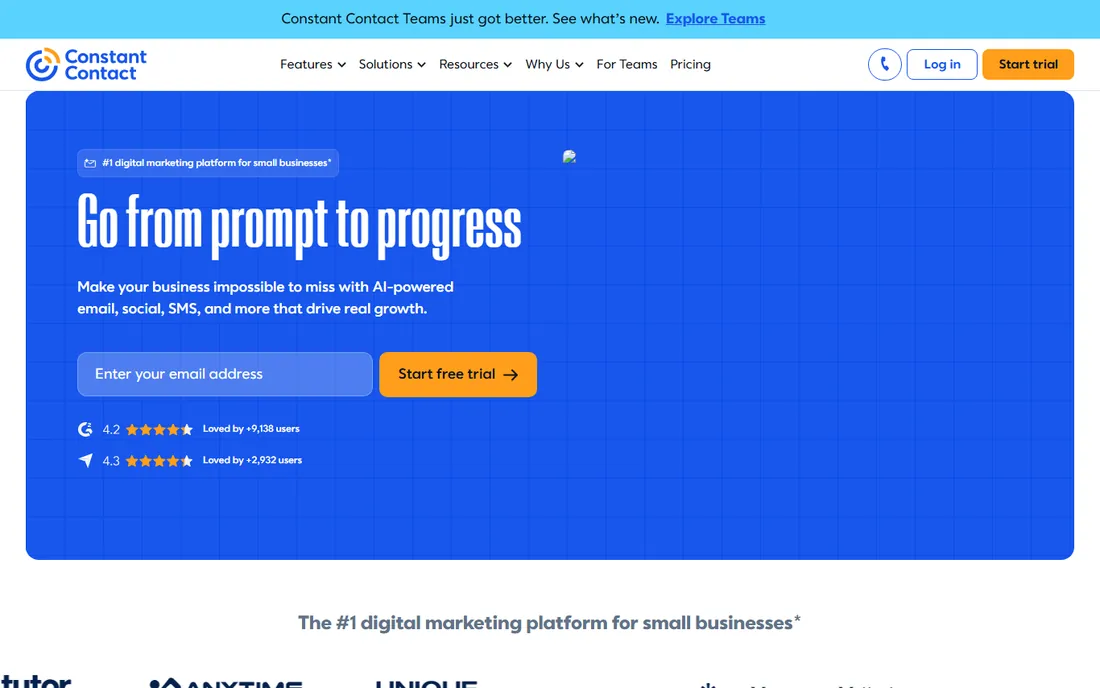
Constant Contact is built for the non-marketer: the local shop owner, the nonprofit director, the event organizer. The editor is simple, support is genuinely helpful, and event management features cover invitations and registrations without extra software.
That focus is the appeal. You can go from signup to a sent campaign in an afternoon, and the learning curve stays flat. For straightforward newsletters and announcements, it is plenty.
Automation depth and template modernity lag behind newer rivals. Growing teams with sophisticated segmentation needs will outgrow it. But for its audience, simplicity done well, Constant Contact delivers.
What we like- Very easy to use
- Event marketing features included
- Good customer support
Watch out for- Automation is basic
- Design options feel dated
#10
Drip
Best for: Ecommerce stores that want behavior-based automation
Visit drip.com
Starting priceSee website
Free planNo
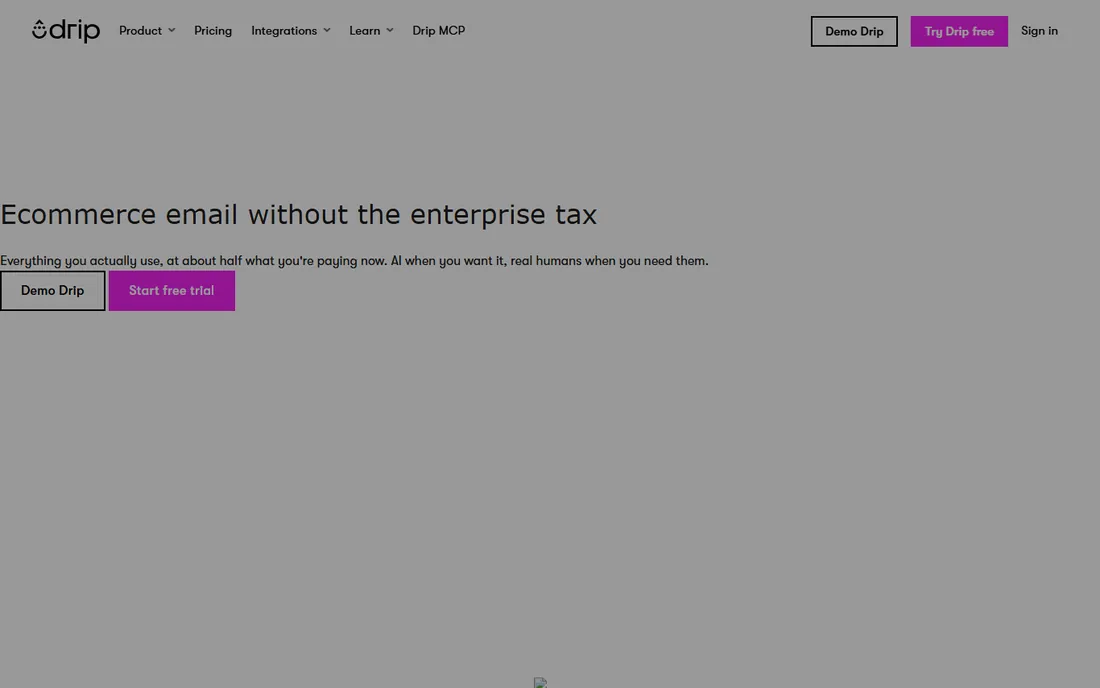
Drip is email automation built specifically for ecommerce. Workflows trigger on store behavior: browsed products, cart value, purchase history and predicted intent. The visual builder makes complex branching manageable for small teams.
Segmentation goes beyond demographics into revenue behavior, so winback and VIP campaigns target the right customers automatically. Shopify and WooCommerce integrations are solid.
It is email-first, so teams wanting deep SMS or ads orchestration should look at Klaviyo. The template library is also smaller than Mailchimp's. But for behavior-driven ecommerce email, Drip is a focused, capable choice.
What we like- Strong ecommerce workflows
- Visual automation builder
- Good segmentation
Watch out for- Email-centric with less multi-channel depth
- Smaller template library
What to look for before you buy marketing automation
Start with your contact math. Most platforms price by contacts or sends, and the bill at 50,000 contacts looks nothing like the bill at 5,000. Model your list growth for two years before choosing, because migrating later is painful.
Next, match features to your actual funnel. Ecommerce brands need browse and cart triggers; B2B teams need lead scoring and Salesforce sync. Paying for an enterprise journey builder you will never open is wasted budget.
Finally, test deliverability and support. Send trial campaigns to seed accounts, check spam placement, and ask support a hard question before you buy. The answers tell you what ownership really feels like.
How we chose
Each tool was assessed from its vendor pricing page, product docs, and public user feedback on G2, Capterra, and Reddit. We compared how well each serves the category's main use cases, how transparent the pricing is, and which team size each fits best. We did not accept vendor payments for inclusion or ranking.
Getting started without the overwhelm
Begin with one workflow that matters: a welcome series for new subscribers. Get it sending, measure it, then expand. Teams that try to automate everything at once usually automate nothing well.
Clean your list before you scale. Remove bounced and unengaged contacts early; deliverability and pricing both reward smaller, engaged lists.
Document every automation you build. Six months later, nobody remembers why a workflow branches the way it does. A simple naming convention and a shared doc save real debugging time.
Frequently asked questions
How much does marketing automation cost?
Email-focused tools start free or under $50 a month for small lists. Mid-market platforms like ActiveCampaign run a few hundred monthly. Enterprise tools like Marketo and Salesforce Marketing Cloud cost thousands per month plus implementation.
Is HubSpot worth the price?
HubSpot is worth it when you use the CRM as your system of record across marketing, sales, and service. If you only need email automation, cheaper specialists do more for less. Model your contact growth carefully, because costs rise with your database.
Can small businesses use enterprise tools like Marketo?
Technically yes, practically it is a stretch. Marketo needs a dedicated admin and a real implementation project. Small teams get better results from ActiveCampaign or Klaviyo, which deliver most of the automation without the overhead.
What is the difference between email marketing and marketing automation?
Email marketing sends campaigns to lists. Marketing automation triggers personalized sequences based on behavior, scores leads, and coordinates across channels. Automation includes email marketing, but adds logic, timing, and multi-step journeys.
How long does implementation take?
Simple tools go live in days. Mid-market platforms take two to six weeks including migration and workflow building. Enterprise deployments run three to six months. The tool matters less than having someone own the project.
Sources we checked (10)
- https://www.hubspot.com/
- https://activecampaign.com/
- https://klaviyo.com/
- https://mailchimp.com/
- https://brevo.com/
- https://marketo.com/
- https://www.salesforce.com/
- https://www.getresponse.com/
- https://constantcontact.com/
- https://drip.com/
Is your product missing or out of date?
We review this list regularly. Vendors can request a listing, send updated pricing or ask about featured placement.

Shihab Mia · Founder, Rankite
Shihab has spent more than a decade helping SaaS and e-commerce brands grow through search. He writes Rankite's software buying guides from pricing pages, documentation and public user reviews. More about Shihab.