How we make this list: we compare pricing pages, product documentation and public user reviews. Rankite is independent; if a vendor ever pays for a featured spot, that listing is clearly labeled Partner.
Key takeaways
- Inventory is the feature that separates real accounting software from invoicing apps: only some tools track stock levels, cost of goods sold, and purchase orders properly.
- QuickBooks Online and Sage 50 offer the deepest inventory for product businesses; Xero and Zoho Books cover the essentials at friendlier prices.
- Odoo is the dark horse: open-source ERP with genuinely integrated inventory, warehousing, and manufacturing at a single per-user price.
- Match the tool to inventory complexity: simple stock tracking works in Xero or Zoho Books, while multi-warehouse or manufacturing needs QuickBooks Advanced, Sage 50, or Odoo.
Quick comparison
| Tool | Best for | Starting price | Free plan |
|---|
 QuickBooks Online QuickBooks Online | product businesses needing deep inventory | See website | Free trial |
 Xero Xero | simple inventory with clean accounting | See website | Free trial |
 Zoho Books Zoho Books | affordable inventory for small sellers | See website | Yes |
 Sage 50 Sage 50 | desktop-grade inventory control | See website | Free trial |
 Odoo Odoo | integrated ERP inventory and warehousing | See website | Yes |
 Patriot Software Patriot Software | basic inventory on a budget | See website | Free trial |
 FreshBooks FreshBooks | service businesses with light product sales | See website | Free trial |
Is your product missing or out of date?
We review this list regularly. Vendors can request a listing, send updated pricing or ask about featured placement.
The best accounting software for small business with inventory
Starting priceSee website
Free planFree trial
QuickBooks Online is the default answer for product-based small businesses because its inventory actually works. Track quantities on hand, set reorder points, manage purchase orders, and get cost of goods sold flowing correctly into the books. For retailers, wholesalers, and ecommerce sellers, that completeness matters more than any other feature.
The ecosystem extends it further. Integrations cover barcode scanning, multi-warehouse management, Shopify and Amazon sync, and manufacturing, so QuickBooks can grow from a stockroom spreadsheet replacement into a real operations hub. Payroll, payments, and time tracking sit in the same Intuit family.
The honest catch is tiering. Meaningful inventory lives on Plus and Advanced plans, not the entry tier, and the per-user pricing adds up. Intuit also raises prices regularly. For businesses where inventory accuracy drives the numbers, it is worth it; for light stock needs, cheaper tools suffice.
What we like- The deepest inventory in mainstream small business accounting
- Tracks stock, COGS, purchase orders, and vendors
- Huge app ecosystem for warehousing and ecommerce
Watch out for- Inventory features live on higher-tier plans
- Costs climb as users and features add up
#2
Xero
Best for: simple inventory with clean accounting
Visit xero.com
Starting priceSee website
Free planFree trial
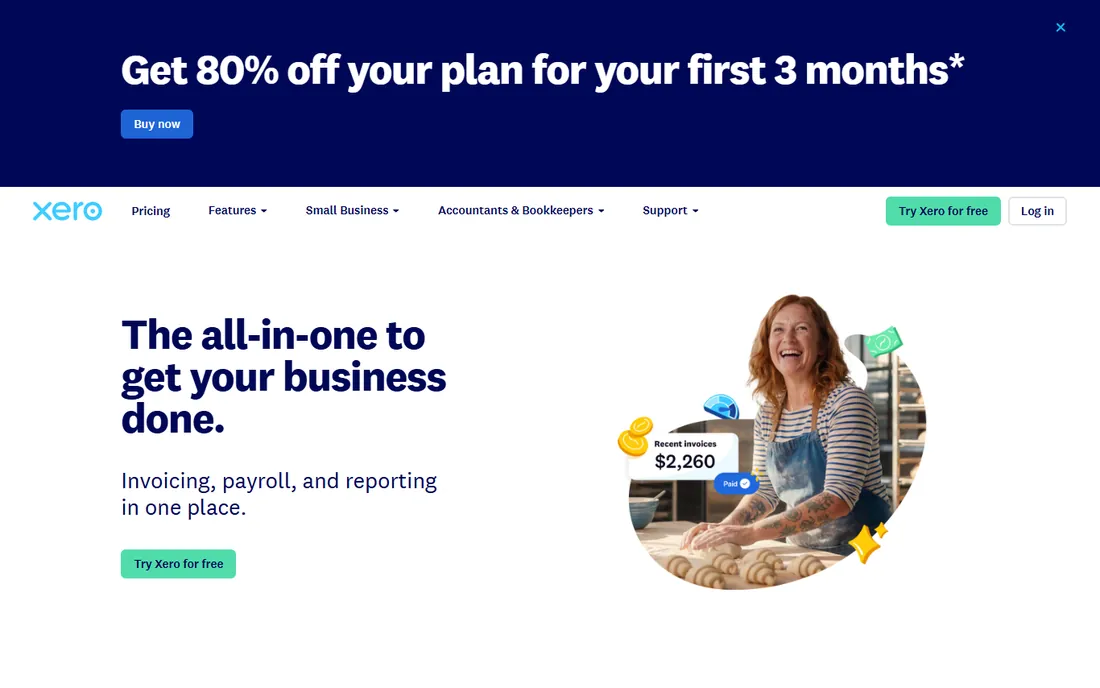
Xero wins the usability contest in small business accounting, and its inventory covers the essentials: track stock items, set quantities, and manage purchases and sales with inventory flowing into the accounts. For businesses with straightforward stock, it does the job without the complexity tax.
The platform's strengths are the bank reconciliation, the clean dashboard, and an integration marketplace that fills gaps: connect Dear Inventory or similar apps when stock complexity grows. Multi-currency support is built in, which product businesses selling internationally appreciate.
The trade-off is depth. Xero's native inventory is deliberately simple; businesses with assemblies, multi-location stock, or manufacturing will outgrow it and pay for add-ons. Choose Xero when accounting ease matters most and inventory is simple enough to stay native.
What we like- Clean, intuitive interface accountants love
- Solid basic inventory with stock tracking
- Strong bank feeds and 1,000-plus integrations
Watch out for- Inventory is simpler than QuickBooks
- Advanced inventory needs third-party apps
#3
Zoho Books
Best for: affordable inventory for small sellers
Visit zoho.com
Starting priceSee website
Free planYes
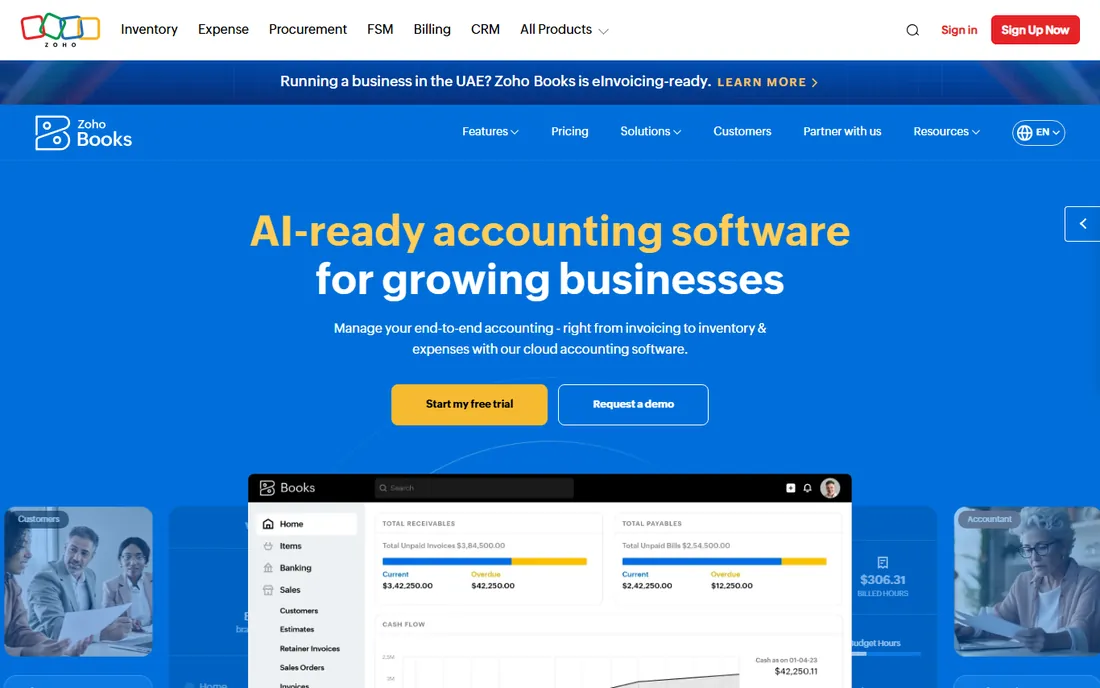
Zoho Books is the value champion for product businesses. The free plan covers businesses under the revenue threshold with real accounting, and paid plans stay affordable while including inventory essentials: track items, manage stock levels, handle price lists, and run purchase and sales orders.
The Zoho ecosystem is the strategic reason to choose it. Inventory can graduate to Zoho Inventory for warehousing depth, CRM connects for customer history, and the whole suite shares one login. For businesses already in Zoho's world, Books is the obvious accounting piece.
The honest catch is ceiling. Native inventory handles straightforward stock but not complex warehousing or manufacturing; that requires the separate Zoho Inventory app. The interface is dense. For small sellers who want capable accounting with inventory at minimal cost, Zoho Books is the best deal here.
What we like- Genuinely free plan for small businesses
- Inventory included with item tracking and price lists
- Part of the deep Zoho ecosystem
Watch out for- Inventory depth lags QuickBooks
- The interface packs a lot in and can confuse
Starting priceSee website
Free planFree trial
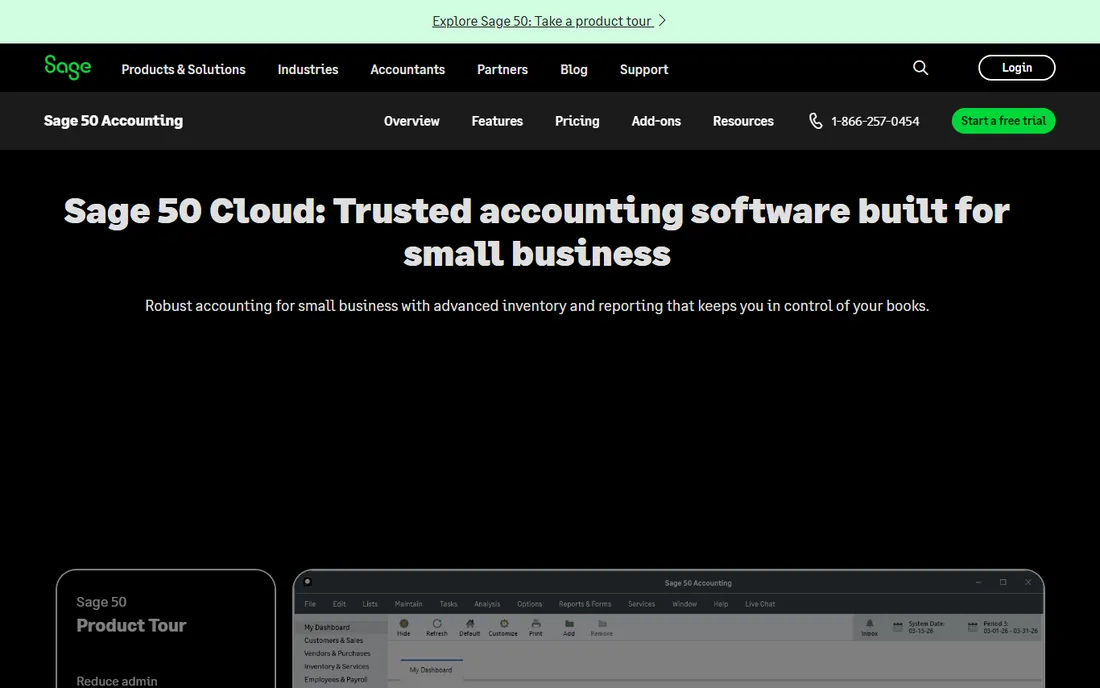
Sage 50, formerly Peachtree, is the desktop workhorse for product businesses that take inventory seriously. Assemblies and kits, serial and lot tracking, multiple warehouses, and detailed inventory reporting come standard. For distributors, light manufacturers, and retailers with complex stock, it remains one of the most capable options.
The desktop architecture is both strength and weakness. Data stays local, performance is snappy, and the reporting depth exceeds most cloud tools. Businesses that have run on Sage for years trust it with their most critical numbers.
The trade-off is modernity. Remote access requires hosting workarounds, the interface feels dated, and younger staff expect browser software. Sage pushes its cloud products hard, which raises questions about Sage 50's long-term future. Choose it when inventory complexity demands desktop-grade control and the team is already comfortable.
What we like- Serious inventory with assemblies, serial numbers, and multi-location
- Desktop reliability with deep reporting
- Trusted by product businesses for decades
Watch out for- Desktop software in a cloud world
- The interface shows its age
#5
Odoo
Best for: integrated ERP inventory and warehousing
Visit odoo.com
Starting priceSee website
Free planYes
Odoo is the only true ERP on this list, and its inventory is in a different league. Multi-warehouse management, barcode operations, automated replenishment, dropshipping, and even manufacturing with bills of materials come integrated with accounting, sales, purchase, and ecommerce. For product businesses outgrowing bookkeeping software, Odoo is the natural next step.
The pricing model is refreshingly fair: a single price per user covers all apps, with no usage-based charges or feature upselling, and the open-source Community edition is completely free. With 28 million users and 40,000-plus community apps, the ecosystem is enormous.
The honest catch is implementation. Odoo is configured, not just signed up for; expect weeks of setup for a real operation. The accounting module is capable but less refined than QuickBooks or Xero. Choose Odoo when the business needs operations software with accounting attached, not the other way around.
What we like- True ERP inventory with warehousing, barcodes, and manufacturing
- Open-source Community edition is free
- Single per-user price with no feature upselling
Watch out for- Implementation takes real effort
- The accounting app alone is less polished than dedicated tools
Starting priceSee website
Free planFree trial
Patriot Software is the budget pick for tiny product businesses. Its accounting software includes basic inventory tracking: monitor stock quantities and keep product records tied to sales. Combined with Patriot's well-regarded payroll, a micro-business can run books, pay staff, and watch stock in one affordable package.
The appeal is simplicity and support. US-based customer service gets consistent praise, the interface is straightforward, and pricing stays low. For a small shop with a single stockroom and simple needs, Patriot covers the essentials without the learning curve.
The trade-off is ceiling. There is no multi-warehouse management, no assemblies, no advanced costing. Businesses that grow into real inventory operations will migrate. Choose Patriot when the business is small, the stock is simple, and the budget is tight.
What we like- Very affordable with US-based support
- Simple inventory tracking for basic stock needs
- Payroll integration is excellent
Watch out for- Inventory is basic compared to QuickBooks or Sage
- Aimed at the smallest businesses
Starting priceSee website
Free planFree trial
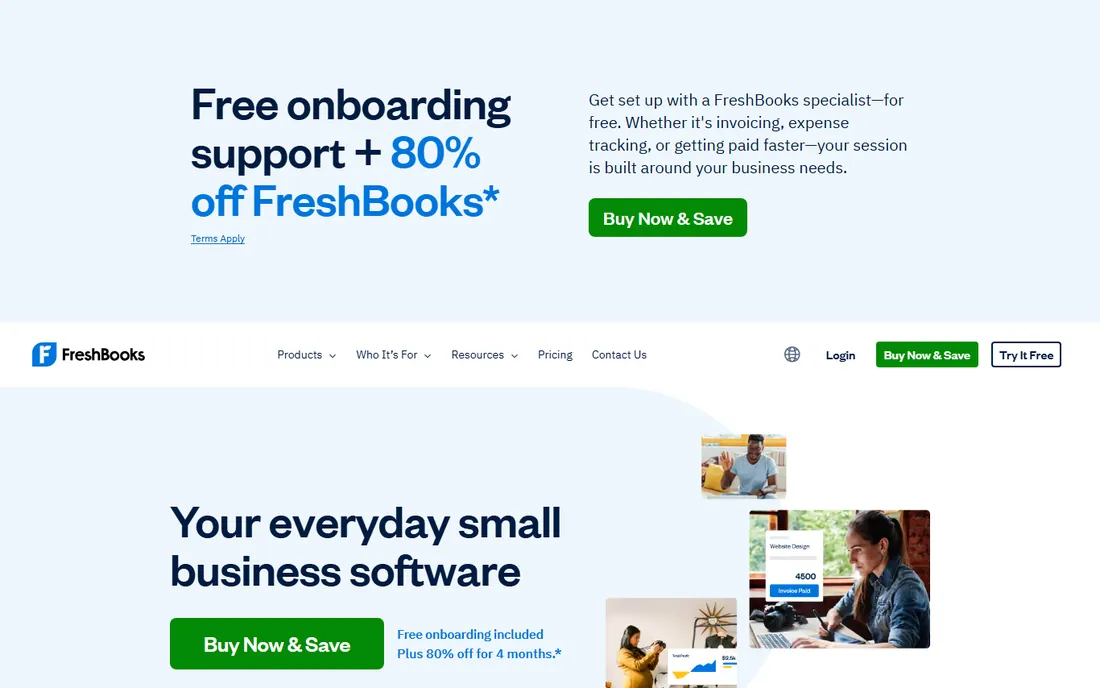
FreshBooks belongs on this list for one specific buyer: the service business that also sells some products. Consultants, agencies, and trades that invoice for time but also sell materials or merchandise get basic inventory tracking alongside the best invoicing workflow in the category.
The platform's strengths are speed and simplicity: professional invoices in seconds, expense tracking, time tracking, and payments, all wrapped in an interface non-accountants love. For service-first businesses, it keeps the books clean without accounting overhead.
The honest catch is that FreshBooks is not inventory software. Stock tracking is rudimentary, with no warehousing, assemblies, or serious costing. Product-centric businesses should choose anything else here. But for service businesses with a sideline in products, it is the most pleasant tool on the list.
What we like- The easiest invoicing experience in accounting software
- Tracks inventory basics for light product sales
- Excellent for service-first businesses
Watch out for- Inventory is minimal
- Not built for product-centric businesses
How we chose
We compared accounting tools with genuine inventory capability for US small businesses in 2026, using current vendor homepages and product information. We weighted inventory depth (stock tracking, COGS, purchase orders, warehousing), accounting quality, pricing accessibility, and fit across simple stock needs to multi-warehouse operations. We excluded pure invoicing apps without inventory. We did not claim hands-on testing; all facts come from vendor-published material.
What to check before you commit
Start by grading your inventory complexity honestly. Count SKUs, warehouses, and whether you assemble, manufacture, or dropship. Simple stock works in Xero, Zoho Books, or Patriot; complexity demands QuickBooks Advanced, Sage 50, or Odoo.
Verify the costing method
Ask each vendor which inventory costing methods it supports: FIFO, average cost, or specific identification. The wrong method creates tax and margin headaches. This single question separates real inventory systems from checkbox features.
Test the purchase-to-sale flow
During any trial, run a complete cycle: create a purchase order, receive stock, sell it, and check that cost of goods sold and quantities update correctly. The tools that handle this cleanly earn their place; the ones that need workarounds will frustrate daily.
Plan for the ecommerce connection
If you sell online, verify the Shopify, Amazon, or WooCommerce integration before committing. Inventory that does not sync with the store creates overselling. QuickBooks and Xero have the deepest ecommerce ecosystems; confirm the specific connector you need exists.
Inventory is a spectrum, not a checkbox
Every tool here claims "inventory," but the word covers everything from Patriot's stock counts to Odoo's multi-warehouse ERP. The 2026 lesson is to buy for the inventory you will have in two years, not the inventory you have today. Migrating accounting systems with live stock is painful; choosing slightly more capability than you need now is cheaper than switching later.
Frequently asked questions
What is the best accounting software for a small business with inventory?
QuickBooks Online suits most product businesses with its deep inventory features, Xero fits those prioritizing ease of use, and Zoho Books offers the best value. Businesses with complex warehousing should consider Sage 50 or Odoo.
Does QuickBooks track inventory?
Yes. QuickBooks Online Plus and Advanced track stock quantities, purchase orders, reorder points, and cost of goods sold. Entry-level plans have limited inventory, so product businesses need the higher tiers.
What is the cheapest accounting software with inventory?
Zoho Books offers a free plan with inventory basics, and Patriot Software is very affordable for simple stock tracking. Odoo's open-source Community edition is free and includes full ERP inventory for those willing to implement it.
Can Xero handle inventory?
Xero handles straightforward inventory: stock items, quantities, and purchase and sales flows. Businesses with assemblies, multi-location stock, or manufacturing typically add a dedicated inventory app from Xero's marketplace.
Do I need separate inventory software?
It depends on complexity. Simple stock lives fine inside accounting software. Multi-warehouse operations, barcode scanning, and manufacturing usually justify dedicated inventory software integrated with the accounting system.
What inventory costing methods should I look for?
At minimum, average cost or FIFO. Businesses with serialized or high-value items may need specific identification or lot tracking, which Sage 50 and Odoo handle natively. Confirm the method matches your accountant's preference before committing.
Sources we checked (7)
- https://quickbooks.intuit.com
- https://www.xero.com
- https://www.zoho.com/books
- https://www.sage.com/en-us/products/sage-50/
- https://odoo.com/
- https://patriotsoftware.com/
- https://www.freshbooks.com/
Is your product missing or out of date?
We review this list regularly. Vendors can request a listing, send updated pricing or ask about featured placement.

Shihab Mia · Founder, Rankite
Shihab has spent more than a decade helping SaaS and e-commerce brands grow through search. He writes Rankite's software buying guides from pricing pages, documentation and public user reviews. More about Shihab.