How we make this list: we compare pricing pages, product documentation and public user reviews. Ratings come from G2, Capterra or Trustpilot, with the date we checked them.
Key takeaways
- Lyft is the closest everyday replacement for Uber in the United States and parts of Canada.
- Curb books licensed taxis, which suits riders who prefer metered fares and street-hail fleets.
- Waymo offers driverless rides in its operating cities, with a different experience from a human-driven car.
- Via, Empower, and Bolt compete mainly on price structure, with shared rides, driver-set fares, or lower commissions.
- Blacklane and HopSkipDrive serve narrower needs: business airport travel and rides for children respectively.
Quick comparison
| Tool | Best for | Starting price | Free plan |
|---|
 Lyft | Everyday US rides | See website | Yes |
 Curb | Licensed taxis | See website | Yes |
 Via | Shared low-cost rides | See website | Yes |
 Bolt | International city rides | See website | Yes |
 Waymo | Driverless rides | See website | Yes |
 Empower | Driver-set fares | See website | Yes |
 Blacklane | Business airport rides | See website | Yes |
 HopSkipDrive | Student and school transport | See website | Yes |
Is your product missing or out of date?
We review this list regularly. Vendors can request a listing, send updated pricing or ask about featured placement.
The best alternatives to Uber
Starting priceSee website
Free planYes
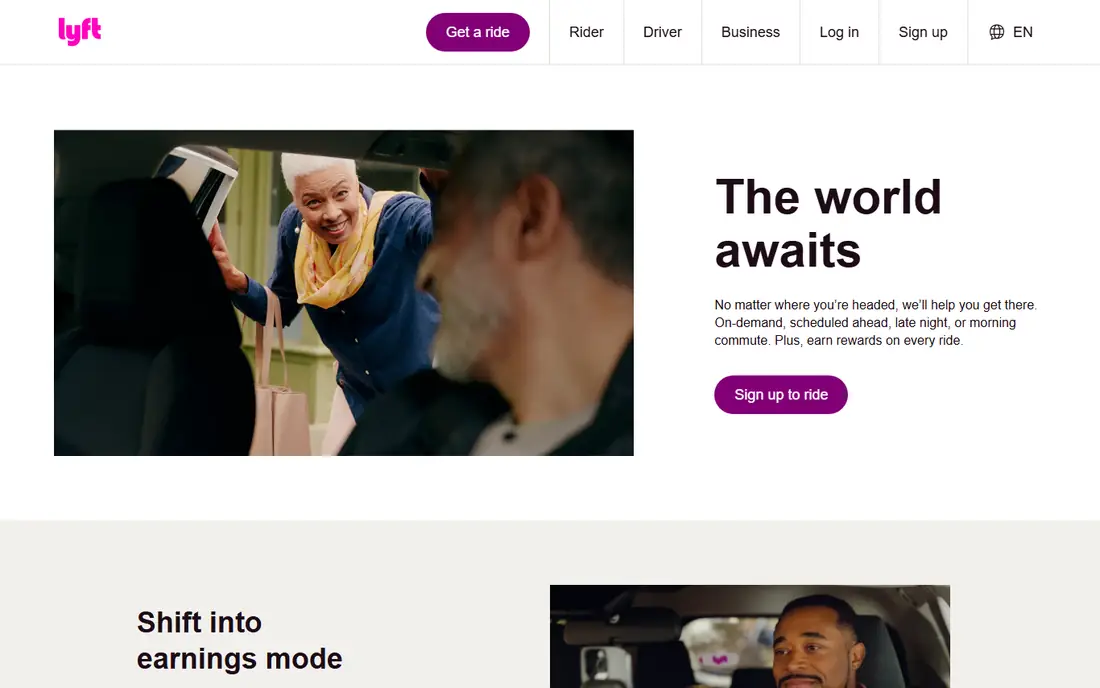
Lyft is the most direct Uber substitute for most US riders. It runs in most major US cities and parts of Canada, with standard cars, larger XL vehicles, black car service, and wait-and-save options in many markets. Keeping both Lyft and Uber installed lets a rider compare upfront prices before booking, which is the simplest way to save on a given trip. Lyft also offers bikes and scooters in some cities, which helps for short trips where a car is unnecessary.
Lyft is not a guaranteed saving. Its prices move with demand and driver supply, just as Uber prices do, and on busy nights the two apps can be close. Coverage also thins outside major metros, so rural riders should check availability before relying on it. For city riders who want one second app that works almost everywhere Uber does, Lyft is the obvious first install.
What we like- Broad US and Canada coverage
- Standard, XL, and black car tiers
- Bikes and scooters in some cities
Watch out for- Prices still vary with demand
- Not always cheaper than Uber for the same trip
Starting priceSee website
Free planYes
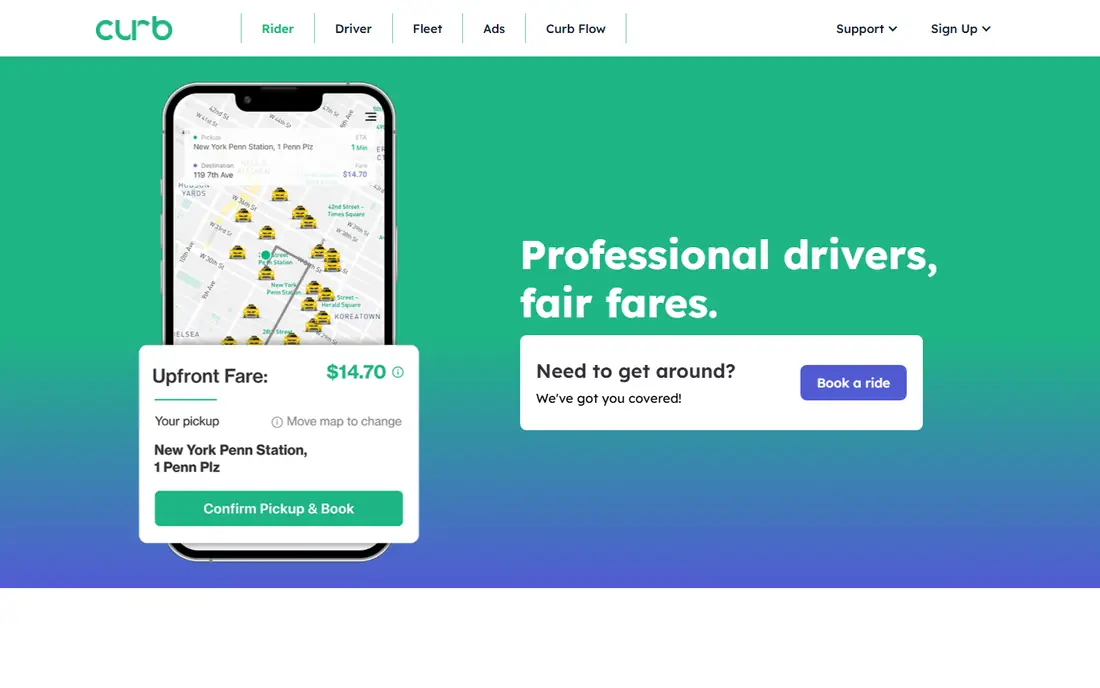
Curb connects riders with licensed taxi drivers through an app, rather than a rideshare fleet. That distinction matters for riders who prefer regulated taxis, metered fares, or the ability to pay for a street-hail ride in the app. Curb supports scheduled rides in many cities, which helps for early airport trips, and it operates across a large number of US taxi fleets. The app experience is close to rideshare booking, with pickup, tracking, and payment in one place.
Vehicle condition and driver experience vary more than with a single rideshare fleet, because Curb works with many independent taxi operators. Availability also depends on local taxi supply, which can be thin late at night in smaller cities. Riders who value regulated taxis and local fleets will find Curb a practical Uber alternative, especially in cities with strong taxi networks.
What we like- Books licensed taxis
- Metered or upfront pricing by city
- Airport and scheduled ride support
Watch out for- Vehicle quality varies by taxi fleet
- Coverage depends on local taxi supply
Starting priceSee website
Free planYes
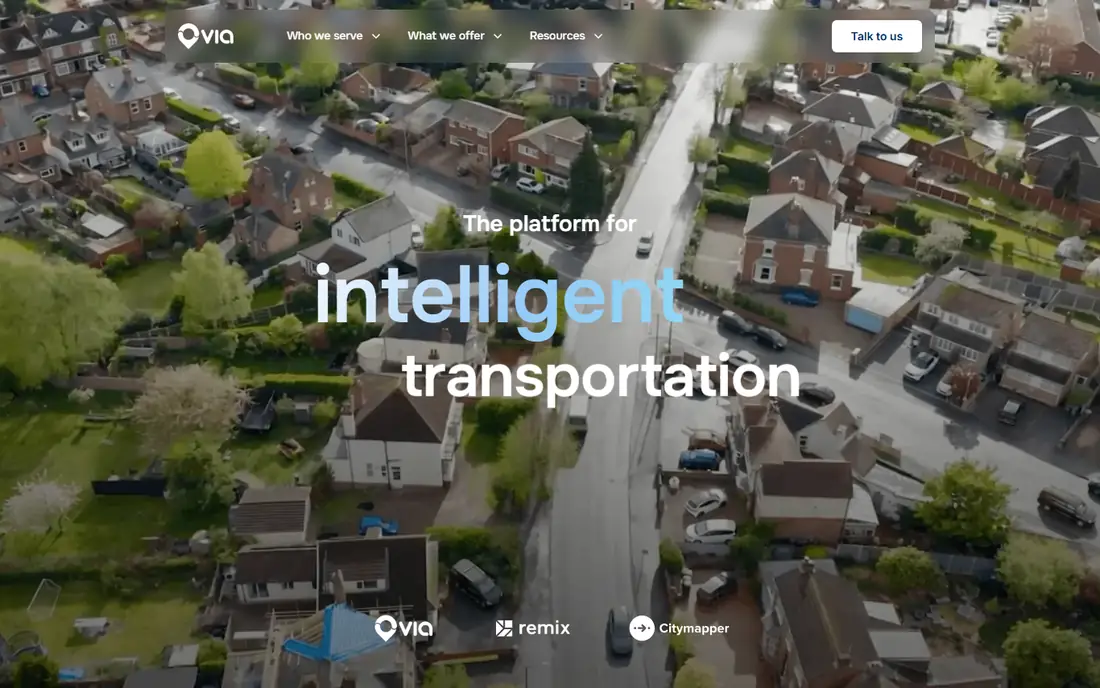
Via focuses on shared rides along set routes, which keeps fares lower than a private car for many city trips. Riders walk to a nearby pickup point in some cases, and the app groups passengers heading in the same direction. That model suits commuters and budget riders who accept a slightly longer trip in exchange for a lower price. Via also partners with transit agencies in some cities, which can make it part of a wider public transport trip.
The trade-off is time and flexibility. Shared rides include extra stops, and pickup points may not be door to door. Via coverage is also narrower than Lyft, so it works best in its operating cities and less well as a national backup. For daily commuting in a Via city, it is one of the cheapest Uber alternatives available.
What we like- Shared rides keep fares low
- Fixed pricing on many routes
- Transit partnerships in some cities
Watch out for- Shared rides add pickup stops and time
- Coverage is limited to operating cities
#4Bolt
Best for: International city rides4.3/5 on
G2 (94 reviews, checked Oct 2026)
Visit bolt.eu
Starting priceSee website
Free planYes
Bolt is a major ride-hailing app outside the United States, with service across many European, African, and other cities. Travellers who already use Uber at home often find Bolt a familiar alternative abroad, with upfront pricing, ride tiers, and app payment. In some markets Bolt also offers scooters, car sharing, and food delivery, which makes it a broader transport app for daily use.
Bolt is not a US replacement for Uber, since its American presence is limited. Quality and wait times also vary by city, as with any marketplace that depends on local driver supply. For international travel and for riders based outside the US, Bolt deserves a place alongside Uber, and in some cities it is the cheaper or faster option.
What we like- Strong coverage across Europe, Africa, and other regions
- Competitive fares
- Scooters and food delivery in some markets
Watch out for- Limited US presence
- Service quality varies by city and driver supply
Starting priceSee website
Free planYes
Waymo operates driverless ride-hailing in selected US cities and zones, using a fleet of equipped vehicles ordered through its app. The experience differs from Uber in clear ways: there is no driver to talk to, no tipping decision, and the car follows a set service area. Some riders prefer that privacy and consistency, especially for routine trips. The vehicles are maintained as a fleet, so condition and cleanliness tend to be uniform.
Coverage is the main limit. Waymo only serves its operating areas, and a trip outside the zone is not possible. A driverless car also cannot help carry luggage, assist a passenger with mobility needs in the same way, or make a judgment call about an unusual pickup point. For riders inside a Waymo city, it is a genuinely different alternative to Uber, and worth trying for at least one trip to judge the experience.
What we like- No driver interaction needed
- Consistent vehicle experience
- Useful for riders who prefer privacy
Watch out for- Limited to operating cities and zones
- Cannot help with luggage or special requests as a driver would
Starting priceSee website
Free planYes
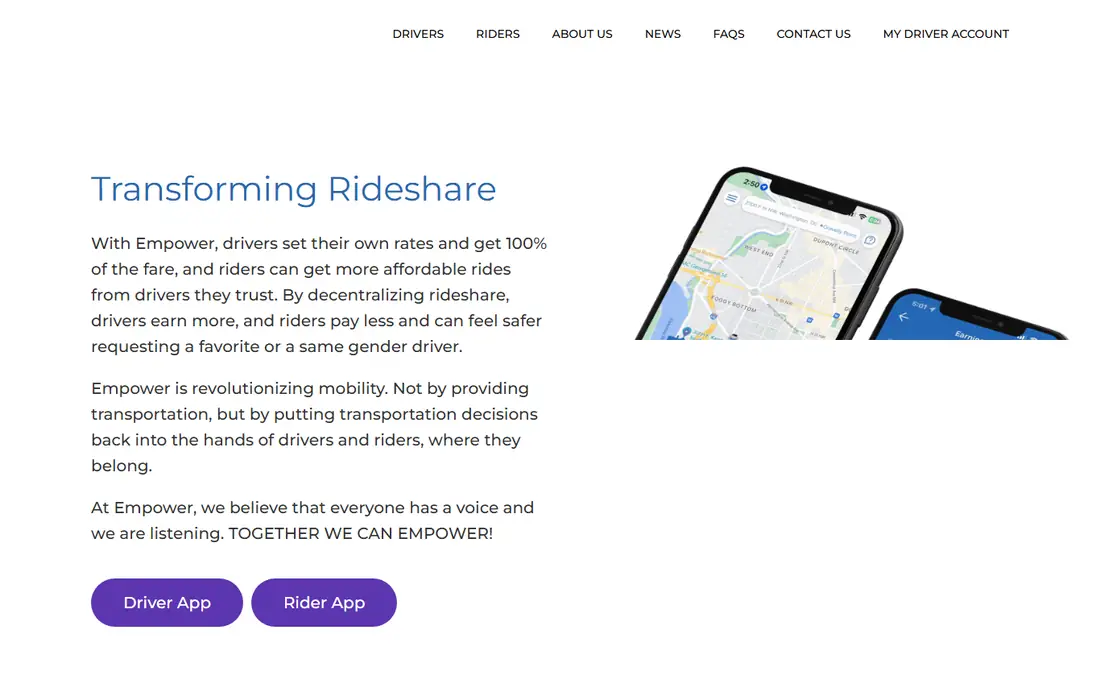
Empower uses a different business model from Uber and Lyft. Drivers pay a subscription and set their own fares, keeping a larger share of each trip, which can lead to lower rider prices in cities where Empower operates. Riders request a car, see the price, and book much as they would elsewhere, but the economics behind the fare are different. That model appeals to riders who care about driver pay as well as price.
Coverage is the constraint. Empower operates in a limited set of US metro areas, and a smaller driver pool can mean longer waits at peak times or in less central neighbourhoods. Riders should keep a backup app for times when no Empower driver is nearby. In its operating cities, though, Empower is often worth checking first, since the fare difference can be material.
What we like- Drivers set fares and keep a larger share
- Fares often lower in operating cities
- Subscription model for drivers
Watch out for- Limited city coverage
- Smaller driver pool can mean longer waits
Starting priceSee website
Free planYes
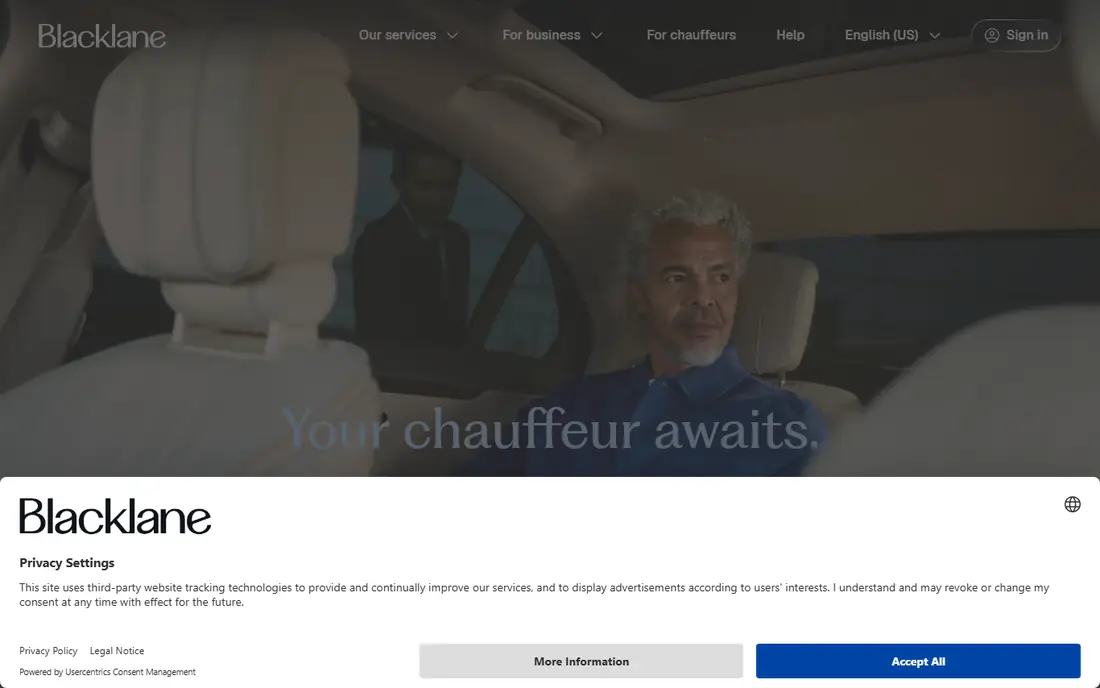
Blacklane is a chauffeur service rather than a rideshare app, and it fits a different trip: airport transfers, business travel, and occasions where reliability matters more than the lowest fare. Riders book in advance, get a fixed price, and receive flight tracking so a driver adjusts for delays. Meet-and-greet service and business invoicing make it practical for corporate travel and for groups that need a smooth arrival.
The price is higher than a standard Uber or Lyft ride, and Blacklane is not designed for spontaneous short trips across town. Booking ahead is the norm, and same-day availability varies by city. For airport runs, client pickups, and business trips where a missed ride has a real cost, Blacklane is a strong alternative to premium Uber tiers.
What we like- Professional chauffeurs and fixed pricing
- Flight tracking and meet-and-greet
- Business invoicing
Watch out for- Higher cost than rideshare
- Not suited to quick short trips
Starting priceSee website
Free planYes

HopSkipDrive provides rides for children and teens, with drivers vetted as caregivers and with ride tracking, notifications, and codes that parents and schools can follow. That structure addresses the main reason standard rideshare apps do not serve unaccompanied minors: safety, accountability, and communication. It now works mainly through partnerships with school districts, which arrange rides for students who cannot use a traditional bus route.
Cost is higher than a standard rideshare trip, and service is limited to operating areas. Eligibility and booking rules also differ from a normal ride app, since the service is built around child safety. For families that need reliable school and activity transport, HopSkipDrive fills a gap that Uber and Lyft do not serve, and its safety features are the reason to choose it despite the price.
What we like- Vetted caregivers as drivers
- Ride tracking and notifications for parents
- School and activity scheduling
Watch out for- Higher cost than standard rideshare
- Limited to operating areas and eligible riders
How we chose
We compared ride apps on coverage, fare structure, vehicle type, and the specific trip each one serves best. We checked each vendor homepage and public service information, noted where coverage is limited to certain cities, and weighed driver models and safety features. We excluded apps that have shut down or merged under another name, and we treated fares as See website, since ride prices vary by city, distance, and demand. No hands-on testing is claimed here.
Choosing a ride app for the trip in front of you
Match the app to the trip, not to habit. A daily commute in a Via city may be cheapest as a shared ride, while an airport trip with luggage and a tight flight may suit Curb, Lyft, or Blacklane depending on timing and budget. A driverless Waymo ride suits a routine city trip inside its zone, while Empower is worth a price check in its operating metros. Keeping two or three apps installed costs nothing and gives a real price comparison before booking.
Check coverage before you travel
Open each app at your destination and check for available cars, not only whether the app lists the city. Coverage maps can hide thin supply at night or outside central areas. For early flights, schedule the ride the night before where the app allows it, and keep a taxi or backup app ready if the first choice shows no cars.
Compare the full fare, not only the headline
Look at the upfront total, including fees, tolls, and any airport surcharge, before choosing. A lower base fare can still lose to a competitor once fees are added. Shared rides look cheaper but add time, while a private car costs more but arrives door to door. Decide which trade-off matters for that trip, rather than always picking the lowest number.
Think about safety and support
Check safety features such as ride sharing with a contact, in-app emergency help, and driver identification before the ride. For children, use a dedicated service such as HopSkipDrive rather than a standard rideshare app. For business travel, keep receipts and invoicing in one place, which is where Blacklane and corporate ride accounts help.
Frequently asked questions
What is the best alternative to Uber in the US?
Lyft is the best general alternative in the US, with broad city coverage and similar ride tiers. Curb suits taxi riders, Via suits shared-ride commuters in its cities, and Empower can be cheaper where it operates. The best choice varies by city and trip.
Is Lyft cheaper than Uber?
Sometimes, but not always. Both apps price by demand, distance, and driver supply, so the cheaper option changes by time and place. Compare the upfront price in both apps before booking, especially at peak times and for airport trips.
Can I use Bolt in the United States?
Bolt has limited US presence, so it is not a reliable Uber replacement for most US riders. It is a strong alternative in many European, African, and other international cities, and travellers should install it before a trip abroad.
Are driverless Waymo rides safe?
Waymo operates under local regulations in its service areas and uses a fleet of equipped vehicles with remote support. Riders should still follow in-app safety guidance, check the pickup zone, and confirm the vehicle before boarding. Service limits and safety records vary by city, so check current local information.
What app should I use for a child ride?
HopSkipDrive is built for rides for children and teens, with vetted caregiver drivers and parent tracking. Standard rideshare apps generally do not allow unaccompanied minors, so a dedicated service is the safer and compliant choice where available.
Do these apps work in small towns?
Coverage varies widely. Lyft and Curb work in many cities, but smaller towns may have thin supply or no service at all. Check each app at your location and time of travel, and keep a local taxi number as a backup where rideshare supply is uncertain.
Sources we checked (8)
- https://www.lyft.com
- https://gocurb.com
- https://ridewithvia.com
- https://bolt.eu
- https://waymo.com
- https://www.driveempower.com
- https://www.blacklane.com
- https://www.hopskipdrive.com
Is your product missing or out of date?
We review this list regularly. Vendors can request a listing, send updated pricing or ask about featured placement.

Shihab Mia · Founder, Rankite
Shihab has 5+ years in B2B and SaaS SEO. He writes Rankite's software buying guides from pricing pages, documentation and public user reviews. More about Shihab.