How we make this list: we compare pricing pages, product documentation and public user reviews. Ratings come from G2, Capterra or Trustpilot, with the date we checked them.
Key takeaways
- The Sigma fp and sd Quattro are the closest Sigma replacements, keeping the Sigma lens and color philosophy in modern bodies.
- The Canon EOS 5D Mark III and Nikon D850 suit photographers who want proven full-frame DSLRs with deep lens ranges.
- The Ricoh GR III is the pick for a pocketable camera with excellent image quality, though it has a fixed lens.
- The Sony A77 II and Pentax K-1 II offer strong value on the used market for APS-C and full-frame shooters.
- The Fujifilm X-T5 brings modern mirrorless speed and film-style color to photographers leaving an older DSLR behind.
Quick comparison
| Tool | Best for | Starting price | Free plan |
|---|
 Sigma fp | photographers staying with Sigma in a modern body | See website | No |
 Sigma sd Quattro | Foveon shooting at a lower used price | See website | No |
 Canon EOS 5D Mark III | photographers who want a proven full-frame workhorse | See website | No |
 Nikon D850 | high-resolution full-frame shooting | See website | No |
 Ricoh GR III | pocketable street and travel photography | See website | No |
 Sony A77 II | value APS-C shooting with fast autofocus | See website | No |
 Fujifilm X-T5 | modern mirrorless color and handling | See website | No |
 Pentax K-1 II | rugged full-frame shooting in harsh conditions | See website | No |
Is your product missing or out of date?
We review this list regularly. Vendors can request a listing, send updated pricing or ask about featured placement.
The best sigma sd1 alternatives
Starting priceSee website
Free planNo
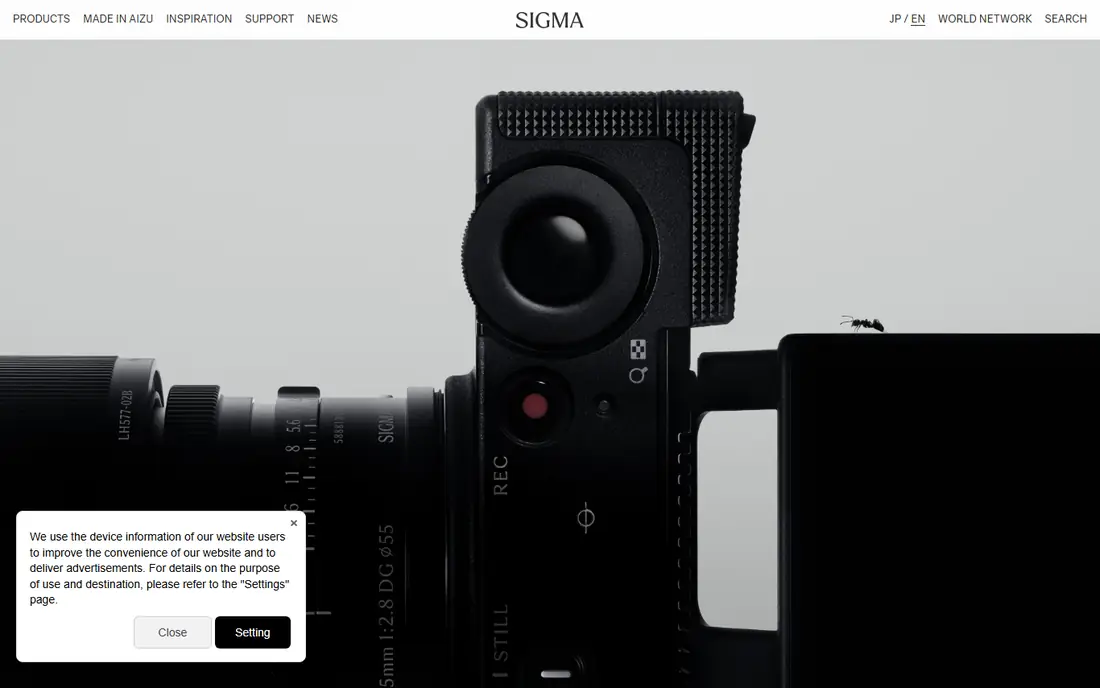
The Sigma fp is the modern Sigma camera most SD1 owners should look at first. It uses a full-frame backside-illuminated CMOS sensor instead of the SD1 Merrill's Foveon X3 sensor, so the color character differs, but the body keeps Sigma's minimal design philosophy. At a fraction of the size of a DSLR, it is easy to carry all day, and the L-mount gives access to lenses from Sigma, Leica, and Panasonic.
The fp records strong stills and video, with clean high-ISO performance far beyond the SD1's ISO 6400 ceiling. The trade-offs are real: there is no built-in viewfinder or stabilization, so serious shooters usually add an external viewfinder and stabilized lenses. If you love Sigma's approach but need modern speed, low-light ability, and video, the fp is the natural step forward.
What we like- Full-frame sensor
- Tiny body
- L-mount lens range
Watch out for- No viewfinder built in
- No stabilization
- Needs add-ons for serious use
Starting priceSee website
Free planNo
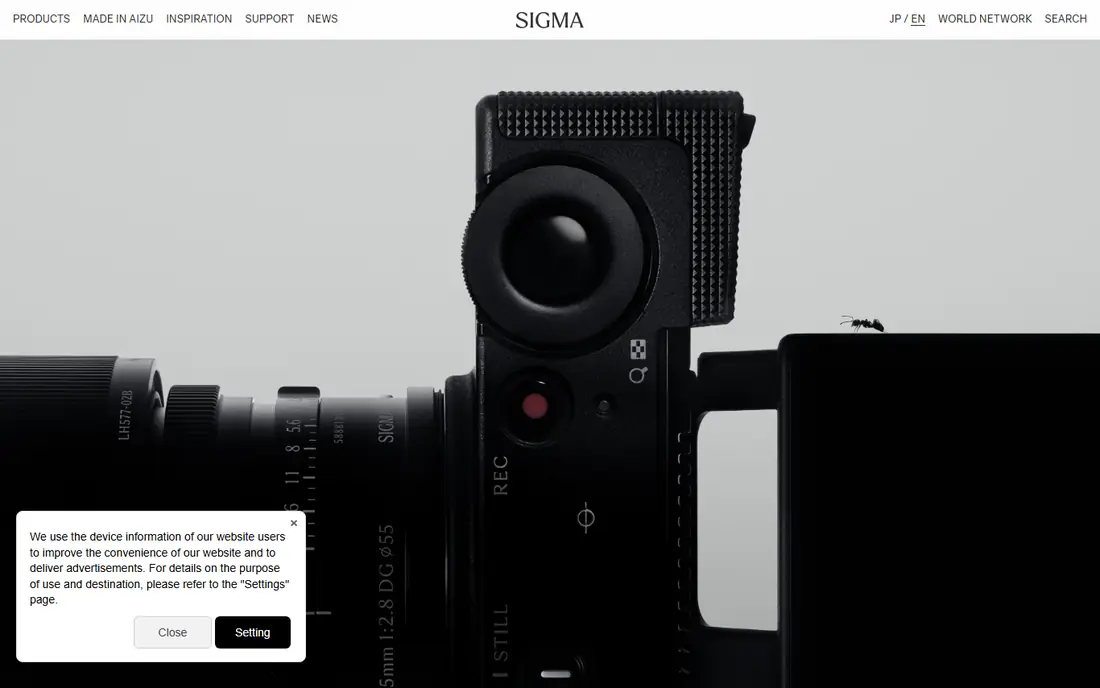
The sd Quattro keeps the Foveon magic that made the SD1 Merrill special. Its Foveon Quattro sensor captures full color at each pixel location, producing the detailed, richly colored files that SD1 owners value most. It also takes SA-mount lenses, so an SD1 owner's lens collection carries over, which saves a large amount of money.
Like the SD1, the sd Quattro is slow. Burst shooting is limited, high-ISO performance lags behind modern cameras, and the body feels dated next to current mirrorless models. For a photographer who shoots scenery, still life, and portraits in good light, those limits matter less than the color. On the used market, the sd Quattro is the cheapest way to keep shooting Foveon.
What we like- Foveon Quattro sensor
- SA-mount lens compatibility
- Distinctive color
Watch out for- Slow operation
- Limited high-ISO ability
- Older body
#3
Canon EOS 5D Mark III
Best for: photographers who want a proven full-frame workhorse
Visit usa.canon.com
Starting priceSee website
Free planNo
The Canon EOS 5D Mark III is a full-frame DSLR with a 22 megapixel CMOS sensor and Canon's DIGIC 5+ processor. Compared with the SD1 Merrill, it offers a larger sensor, a wider dynamic range, and far better high-ISO performance, plus a lens range that covers nearly every need. Autofocus is reliable, and the body is built for professional use.
The 5D Mark III is older now, so it lacks 4K video and the newest autofocus features, and it is heavy by modern standards. On the used market, though, it offers strong value: a proven full-frame system with endless lens options. For an SD1 owner who wants a dependable all-round camera rather than Foveon color specifically, the 5D Mark III is a solid move.
What we like- Full-frame 22 megapixel sensor
- Huge lens range
- Reliable autofocus
Watch out for- Older sensor tech
- Heavy body
- No 4K video
Starting priceSee website
Free planNo
The Nikon D850 pairs a 45 megapixel full-frame sensor with excellent dynamic range and fast operation for a high-resolution DSLR. It suits scenery, studio, and portrait photographers who print large or crop heavily, and its autofocus system handles action better than most high-resolution cameras. The F-mount lens range is deep, covering decades of Nikon glass.
The cost is the main barrier: used D850 bodies still command a premium, and 45 megapixel files demand storage space and a capable computer. For an SD1 owner whose priority is detail above all else, the D850 delivers detail in a different way from Foveon, through sheer resolution rather than layered color capture. It is the resolution king of this list.
What we like- 45 megapixel sensor
- Excellent dynamic range
- Fast for its class
Watch out for- High used price
- Large files need storage and computing power
Starting priceSee website
Free planNo
The Ricoh GR III is a pocketable camera with a 24 megapixel APS-C sensor and a fixed 28mm lens. It delivers excellent image quality in a body that fits a jacket pocket, which makes it ideal for street photography, travel, and everyday shooting. The sensor lacks an anti-aliasing filter, so detail is sharp, and image stabilization helps handheld shooting.
The fixed lens is the main limit: you cannot zoom or swap lenses, so the GR III suits photographers who like the 28mm view. There is no viewfinder, and battery life is modest, so a spare battery is wise. For an SD1 owner who wants a small second camera with serious image quality, or who is ready to trade lenses for portability, the GR III is an excellent pick.
What we like- 24 megapixel APS-C sensor
- Tiny body
- Excellent image quality
Watch out for- Fixed 28mm lens
- No viewfinder
- Battery life is modest
#6
Sony A77 II
Best for: value APS-C shooting with fast autofocus
Visit sony.com
Starting priceSee website
Free planNo
The Sony A77 II is an APS-C DSLR-style camera with a 24 megapixel sensor, fast autofocus, and a fully articulating screen. Compared with the SD1 Merrill, it offers higher resolution, a wider ISO range up to 25600, and better noise handling, which makes it stronger for action and low-light work. The translucent mirror design gives continuous autofocus during shooting.
The A-mount lens range is shrinking as Sony focuses on E-mount, but used A-mount lenses are plentiful and affordable. The body is older, so it lacks 4K video and modern connectivity. On the used market, the A77 II offers strong value for a photographer who wants a capable APS-C camera without spending much.
What we like- 24 megapixel APS-C sensor
- Fast autofocus
- Articulating screen
Watch out for- Older body
- A-mount lens range is shrinking
- No 4K video
Starting priceSee website
Free planNo
The Fujifilm X-T5 is a modern mirrorless camera with a 40 megapixel APS-C sensor and Fujifilm's well-known film simulations, which produce pleasing color straight from the camera. It suits photographers who loved the SD1's color but want modern speed, autofocus, and video in a compact body. The dial-based controls appeal to photographers who like direct handling.
The APS-C sensor is smaller than full-frame, so low-light performance and depth of field differ from the cameras above, but the resolution and color make up much of that gap. X-mount lenses are excellent but add cost if you are switching systems. For an SD1 owner ready to move to mirrorless without losing color character, the X-T5 is the most enjoyable camera on this list.
What we like- 40 megapixel APS-C sensor
- Film simulations
- Compact body
Watch out for- Smaller sensor than full-frame
- X-mount lenses add cost
Starting priceSee website
Free planNo
The Pentax K-1 II is a full-frame DSLR with a 36 megapixel sensor, in-body stabilization, and deep weather sealing. It suits scenery and outdoor photographers who shoot in rain, dust, and cold, and its pixel-shift mode can produce extremely detailed files for static subjects, which echoes the SD1's detail-first appeal. The body is solid and comfortable to hold.
Autofocus is slower than Canon or Nikon rivals, so action photographers should look elsewhere. The K-mount lens range is smaller than the big two, though it covers the common focal lengths well. For an SD1 owner who values ruggedness, stabilization, and detail in scenery work, the K-1 II is a distinctive and capable choice.
What we like- Full-frame 36 megapixel sensor
- Weather sealing
- Stabilization built in
Watch out for- Slower autofocus than rivals
- Smaller lens range than Canon or Nikon
How we chose
We compared these cameras on sensor quality, color character, lens range, handling, and value on the current market. We checked manufacturer pages and public comparison guides, and where prices were not published we wrote See website instead of guessing, since most of these models now sell mainly on the used market. We kept the list to cameras a real buyer can find today, and we left out models that are rare or that do not match the SD1's stills-first character.
How to choose an SD1 replacement without regret
Start with what you loved about the SD1. If it was Foveon color, stay with Sigma: the sd Quattro keeps that sensor, while the fp trades it for modern performance. If it was detail, the Nikon D850 or Pentax K-1 II will satisfy you through resolution and pixel-shift. If it was the DSLR experience, the Canon 5D Mark III or Pentax K-1 II keeps that feel.
Next, check your lenses. An SD1 owner with SA-mount glass saves the most by staying with Sigma, since switching systems means buying lenses again. If you own few lenses, switching is cheaper and opens the Canon, Nikon, Fujifilm, and Sony ranges. Also check the used market carefully: shutter count, sensor condition, and battery health matter more than cosmetic wear for these older bodies.
Finally, test before buying when you can. Rent or borrow the top two candidates for a weekend and shoot your usual subjects: scenery, portraits, or street scenes. Color character is personal, and no spec sheet tells you whether you will love a camera's files. A weekend of real shooting answers that question better than any review.
Frequently asked questions
Is the Sigma SD1 Merrill still worth buying?
Only for a specific buyer. The SD1 Merrill produces distinctive Foveon color at base ISO, but it is slow, limited at high ISO, and old. Buy it only if you want Foveon files and accept those limits. Most photographers will be happier with a modern camera from this list.
What makes Foveon sensors different?
Foveon sensors capture full color at every pixel location through three stacked layers, instead of filtering color with a Bayer mosaic and interpolating. That gives rich color and fine detail at base ISO, but lower high-ISO performance and slower readout than modern CMOS sensors.
Can I use my Sigma SA lenses on the Sigma fp?
Not directly. The fp uses the L-mount, while the SD1 uses the SA-mount. Adapters exist for some lenses, but autofocus and performance may vary. Check adapter support for your specific lenses before switching bodies.
Which alternative is best for scenery photography?
The Nikon D850 and Pentax K-1 II lead for scenery work, thanks to high resolution, dynamic range, and weather sealing. The sd Quattro is also strong for scenery in good light, thanks to Foveon color and detail.
Are used prices stable for these cameras?
Used prices vary by condition, shutter count, and included accessories, so check several sellers before buying. High-demand models like the D850 hold value better, while older bodies like the A77 II are cheaper and offer strong value.
Should I switch to mirrorless or stay with a DSLR?
Mirrorless offers better autofocus, video, and size, while DSLRs offer an optical viewfinder and long battery life. If you shoot mostly stills and like the DSLR feel, a used DSLR is fine. If you want modern features and a smaller kit, mirrorless is the better long-term path.
Sources we checked (6)
- https://www.sigma-global.com
- https://www.usa.canon.com
- https://www.nikonusa.com
- https://www.ricoh-imaging.co.jp
- https://www.sony.com
- https://www.fujifilm.com
Is your product missing or out of date?
We review this list regularly. Vendors can request a listing, send updated pricing or ask about featured placement.

Shihab Mia · Founder, Rankite
Shihab has 5+ years in B2B and SaaS SEO. He writes Rankite's software buying guides from pricing pages, documentation and public user reviews. More about Shihab.