How we make this list: we compare pricing pages, product documentation and public user reviews. Ratings come from G2, Capterra or Trustpilot, with the date we checked them.
Key takeaways
- The Leica CL is discontinued, so buyers choose between secondhand CL bodies and modern alternatives with similar rangefinder character.
- Fujifilm X100VI is the closest modern match, with a hybrid viewfinder, 40-megapixel APS-C sensor, and fixed 23mm lens.
- Fujifilm X-Pro3 is the closest handling match, with a rangefinder-style body and hidden fold-down LCD, though it is only available secondhand.
- Ricoh GR III is the pocket option, with a 24-megapixel APS-C sensor and fixed 28mm lens in a body smaller than the CL.
- Pixii is the only non-Leica true digital rangefinder, with a native M mount and APS-C sensor, though it depends on a smartphone.
Quick comparison
| Tool | Best for | Starting price | Free plan |
|---|
 Fujifilm X100VI | Closest modern match | See website | No |
 Fujifilm X-Pro3 | Closest handling match | See website | No |
 Ricoh GR III | Pocket street camera | See website | No |
 Leica TL2 | Leica L-mount sibling | See website | No |
 Leica Q2 | Full-frame fixed-lens Leica | See website | No |
 Sony A7C | Full-frame interchangeable body | See website | No |
 Pixii | True digital rangefinder | See website | No |
 Nikon Z fc | Retro-styled APS-C mirrorless | See website | No |
Is your product missing or out of date?
We review this list regularly. Vendors can request a listing, send updated pricing or ask about featured placement.
The best Leica CL digital alternatives
Starting priceSee website
Free planNo
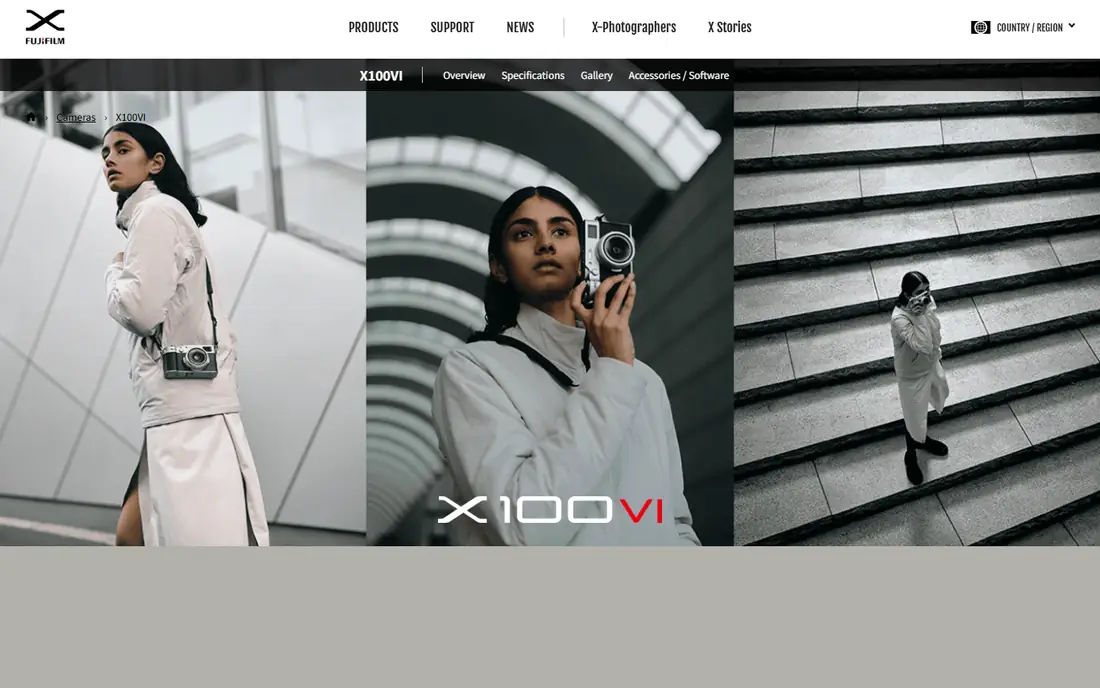
The Fujifilm X100VI is the camera most Leica CL shoppers end up buying. Its 40.2-megapixel X-Trans 5 HR sensor delivers files that hold up to serious cropping, which matters in street work where you cannot always move closer. The hybrid viewfinder flips between an optical rangefinder window and a high-resolution electronic viewfinder with a single lever, and that mechanical feel is what Leica fans actually pay the premium for.
The 6-stop image stabilization lets you shoot at slow shutter speeds handheld in dim alleys where a Leica M would force you to push film or raise ISO. Film simulations cut editing time, and the compact 480-gram body disappears into a jacket pocket. The fixed 23mm f/2 lens is the main limit: it is a 35mm-equivalent field of view that suits street and travel, but it cannot swap for a portrait or telephoto lens. For a buyer who wants the CL experience in a current, supported camera, the X100VI is the first choice.
What we like- 40-megapixel APS-C sensor
- Hybrid optical and electronic viewfinder
- 6-stop image stabilization
- Fixed 23mm f/2 lens
- Film simulations
Watch out for- Fixed lens limits flexibility
- Autofocus can hunt in low contrast
- High demand makes retail availability uneven
Starting priceSee website
Free planNo
The Fujifilm X-Pro3 handles like a very traditional camera and is designed to be used like a classic rangefinder. Its hybrid viewfinder combines an optical window with a 3.69-million-dot electronic viewfinder, and its hidden fold-down LCD discourages checking photos, keeping the photographer in the moment. The 26.1-megapixel APS-C sensor and interchangeable X-mount lenses give it more flexibility than any fixed-lens camera here.
The catch is availability: the X-Pro3 is discontinued and only available secondhand, where prices have risen with popularity. The hidden LCD also divides opinion, since photographers who review images often will find it awkward. For a buyer who values handling above all and does not mind the used market, the X-Pro3 comes closest to the Leica experience of any non-Leica camera.
What we like- Rangefinder-style body with optical and electronic viewfinder
- Hidden fold-down LCD keeps you in the moment
- 26-megapixel APS-C sensor
- Interchangeable X-mount lenses
Watch out for- Only available secondhand
- Steep learning curve
- Hidden LCD frustrates photographers who check images often
Starting priceSee website
Free planNo
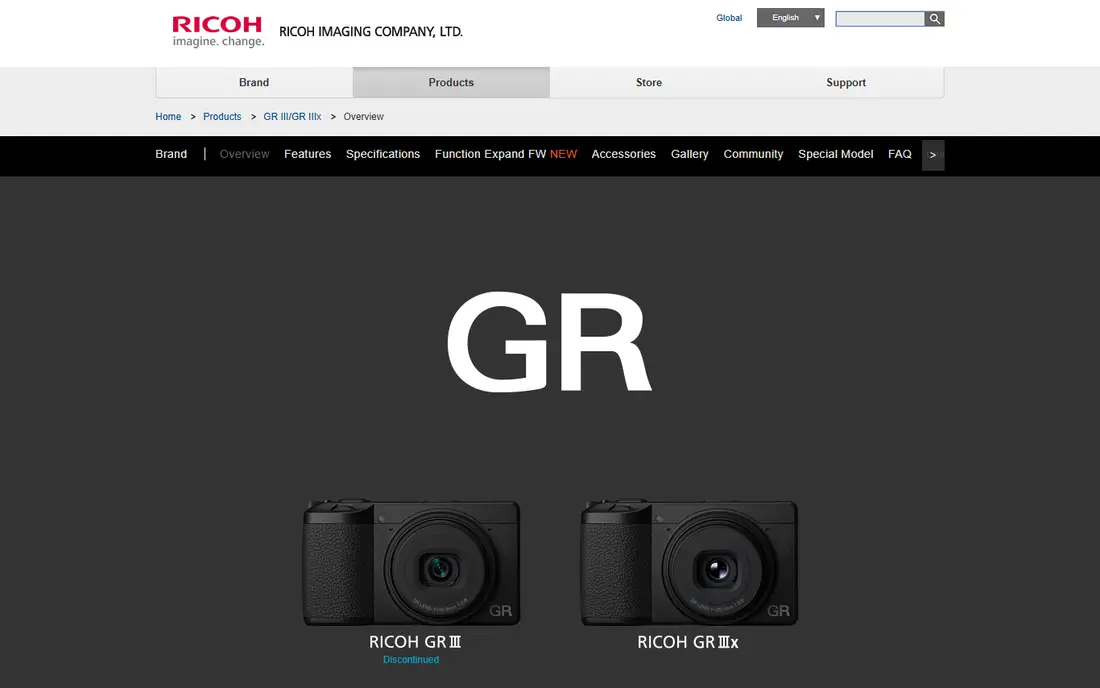
The Ricoh GR III is the pocket option. It packs a 24-megapixel APS-C sensor and a fixed 28mm f/2.8 lens into a body smaller than the CL, and its snap focus feature presets a focus distance for instant street shooting. That combination makes it the camera you actually carry every day, which matters more than any spec sheet.
There is no viewfinder, so composition happens on the rear screen, and battery life is modest, so a spare battery is wise. Autofocus is slower than Fujifilm's, though snap focus compensates for street work. For a buyer who wants CL image quality in a genuinely pocketable camera, the GR III is the practical pick, and its size is similar to the rangefinder-style Esquisse concept camera planned for late 2026.
What we like- 24-megapixel APS-C sensor
- Fixed 28mm f/2.8 lens
- Truly pocketable body
- Snap focus for street shooting
Watch out for- No viewfinder
- Fixed lens
- Battery life is modest
- Autofocus is slower than Fujifilm rivals
Starting priceSee website
Free planNo
The Leica TL2 is the CL's own sibling. It shares the 24-megapixel APS-C sensor class and the L-mount, so a CL owner's lenses transfer directly, and it carries the same Leica build quality and color science. For a CL owner whose body has failed, the TL2 is the most direct replacement inside the Leica family.
It is discontinued and only available secondhand, and it has no viewfinder, relying on the rear screen. Modern features such as stabilization and advanced autofocus lag behind Fujifilm rivals. For a buyer committed to Leica L-mount lenses who wants to stay in the family, the TL2 is the logical used-market choice.
What we like- 24-megapixel APS-C sensor
- Same L-mount as the CL, so lenses transfer
- Leica build and color science
Watch out for- Discontinued and only available secondhand
- No viewfinder
- Fewer modern features than Fujifilm rivals
Starting priceSee website
Free planNo
The Leica Q2 moves up a class while keeping the fixed-lens rangefinder spirit. Its 47-megapixel full-frame sensor and fixed 28mm f/1.7 Summilux lens deliver image quality well beyond the CL, with weather sealing for travel and street work in poor conditions. Handling is classic Leica, with a clean control layout and a superb viewfinder.
The price is the barrier: the Q2 sits far above the CL's class, and the fixed lens means no lens swaps. It is also larger and heavier than the CL. For a buyer who can stretch the budget and wants to stay with Leica while gaining full-frame quality, the Q2 is the upgrade path.
What we like- 47-megapixel full-frame sensor
- Fixed 28mm f/1.7 Summilux lens
- Weather sealing
- Classic Leica handling
Watch out for- Full-frame price is far above the CL's class
- Fixed lens
- Larger and heavier than the CL
Starting priceSee website
Free planNo
The Sony A7C is the rangefinder-style mirrorless option from Sony. Its 24.2-megapixel full-frame sensor and interchangeable E-mount lenses give it more flexibility than any fixed-lens camera here, and its compact body echoes rangefinder proportions. Autofocus is among the best in this group, with reliable eye tracking for people and animals.
It is not a true rangefinder: the viewfinder is electronic only, and it is smaller than Fujifilm's hybrid finder. Sony's menu system also divides opinion, though custom buttons help. For a buyer who wants full-frame quality and lens choice in a compact body without Leica prices, the A7C is the most flexible option.
What we like- 24.2-megapixel full-frame sensor
- Interchangeable E-mount lenses
- Rangefinder-style body
- Strong autofocus
Watch out for- Not a true rangefinder
- Viewfinder is smaller than Fujifilm's hybrid
- Menu system divides opinion
Starting priceSee website
Free planNo
Pixii is the only non-Leica digital rangefinder available today. It is a real rangefinder with a rangefinder mechanism and framelines for 28mm, 35mm, 40mm, and 50mm lenses, and it takes M-mount lenses natively without an adapter. The APS-C sensor and simple interface give it a close-to-film Leica shooting experience at roughly half a Leica M body price.
The trade-offs are stark: there is no screen for review, settings live on a small OLED screen and a smartphone app, and storage is internal only, with early models holding about 4 GB. Pixii is a small manufacturer with one product, so support longevity is a real question. For a buyer who wants a true rangefinder mechanism without Leica M prices, Pixii is the only option.
What we like- The only non-Leica true digital rangefinder
- Native M mount with no adapter needed
- APS-C sensor
- Framelines for 28, 35, 40, and 50mm
Watch out for- No screen for review
- Smartphone dependent for settings and transfer
- Internal storage only
- Small manufacturer with one product
Starting priceSee website
Free planNo
The Nikon Z fc is the retro-styled mirrorless option. Its dedicated shutter, ISO, and exposure compensation dials give it a film-camera feel, and its 20.9-megapixel APS-C sensor with interchangeable Z-mount lenses covers travel, street, and family photography. Value is strong, with the body priced well below Leica and Fujifilm rivals.
It is not a rangefinder: the viewfinder is electronic only, and the retro dials slow down photographers who prefer command dials. For a buyer who loves the CL's looks and tactile controls but wants a current, affordable, interchangeable-lens camera, the Z fc is the sensible mainstream pick.
What we like- Retro styling with dedicated dials
- 20.9-megapixel APS-C sensor
- Interchangeable Z-mount lenses
- Good value
Watch out for- Not a rangefinder
- Viewfinder is electronic only
- Retro dials slow down some shooters
How we chose
We compared each camera against what the Leica CL actually offered: a compact 24-megapixel APS-C body with interchangeable lenses, a viewfinder, and rangefinder character. Pricing for camera bodies varies by retailer and by new versus used status, so we write "See website" and advise checking current retail and used prices before buying. We favored cameras that are available new or through active used markets, and we flagged where a camera is discontinued, fixed-lens, or smartphone dependent, since those facts decide whether it fits a given buyer.
What to check before you pick
Start with lens philosophy. If you want to swap lenses, shortlist the X-Pro3, TL2, A7C, Pixii, and Z fc. If a fixed lens suits your shooting, shortlist the X100VI, GR III, and Q2. Then check four things before buying: whether the camera is available new or only secondhand, and what warranty that implies; whether you need a viewfinder or are happy with a rear screen; battery life and spare battery cost; and lens prices for the system you choose, since a cheap body with expensive lenses is no bargain. Handle the camera in a shop if possible, since rangefinder-style bodies divide opinion on grip and control layout, and a camera you enjoy holding is the one you will actually use.
Frequently asked questions
Is the Leica CL discontinued?
Yes. The Leica CL is discontinued, so new bodies are no longer produced. Buyers choose between secondhand CL bodies and modern alternatives such as the Fujifilm X100VI.
What is the closest Leica CL alternative?
The Fujifilm X100VI is the closest modern match, with a hybrid viewfinder and 40-megapixel APS-C sensor. The Fujifilm X-Pro3 is the closest handling match, though it is only available secondhand.
Is Pixii a real rangefinder?
Yes. Pixii is the only non-Leica true digital rangefinder available today, with a rangefinder mechanism, framelines, and native M mount. It has no review screen and depends on a smartphone for settings and transfer.
Can I use Leica lenses on a non-Leica camera?
M-mount lenses fit Pixii natively and can adapt to Fujifilm, Sony, and Nikon bodies with adapters, though autofocus and metadata support vary. L-mount lenses from the CL fit the Leica TL2 directly.
Is a fixed-lens camera enough for street photography?
For most street work, yes. A 28mm or 35mm-equivalent fixed lens covers the classic street field of view, and fixed-lens cameras are smaller and simpler. Interchangeable lenses matter more for portraits, wildlife, and travel versatility.
Should I buy a used Leica CL or a new alternative?
A used CL keeps your L-mount lenses and Leica handling, but it carries no warranty and an aging battery. A new X100VI or GR III gives warranty, modern autofocus, and stabilization, at the cost of switching systems.
Sources we checked (7)
- https://fujifilm-x.com/products/cameras/x100vi/
- https://fujifilm-x.com/products/cameras/x-pro3/
- https://www.ricoh-imaging.co.jp/english/products/gr-3/
- https://leica-camera.com/
- https://www.sony.com/electronics/cameras
- https://pixii.com/
- https://www.nikon.com/
Is your product missing or out of date?
We review this list regularly. Vendors can request a listing, send updated pricing or ask about featured placement.

Shihab Mia · Founder, Rankite
Shihab has 5+ years in B2B and SaaS SEO. He writes Rankite's software buying guides from pricing pages, documentation and public user reviews. More about Shihab.