How we make this list: we compare pricing pages, product documentation and public user reviews. Ratings come from G2, Capterra or Trustpilot, with the date we checked them.
Key takeaways
- This is a companies list, stated plainly: eight drinks groups judged on the strength of their beverage portfolios, the brands they own, the categories those brands cover, and how deliberately the portfolio is built. It is not investment advice, and the price fields read See website because there is nothing to subscribe to.
- Coca-Cola fields the broadest non alcoholic portfolio on earth, more than 200 brands across soda, juice, water, tea, coffee and sports drinks, on about 48 billion dollars of beverage revenue.
- AB InBev owns beer at world scale, roughly 59 billion dollars of revenue and hundreds of brands, while Diageo runs the premium spirits cabinet, about 200 brands deep with a deliberate tilt to the expensive end.
- PepsiCo is the hedge made visible: beverages of about 36 billion dollars inside a 94 billion dollar group where snacks carry half the business, a portfolio strategy that reaches beyond drinks entirely.
Quick comparison
Is your product missing or out of date?
We review this list regularly. Vendors can request a listing, send updated pricing or ask about featured placement.
The best beverage portfolios
Starting priceSee website
Free planNo
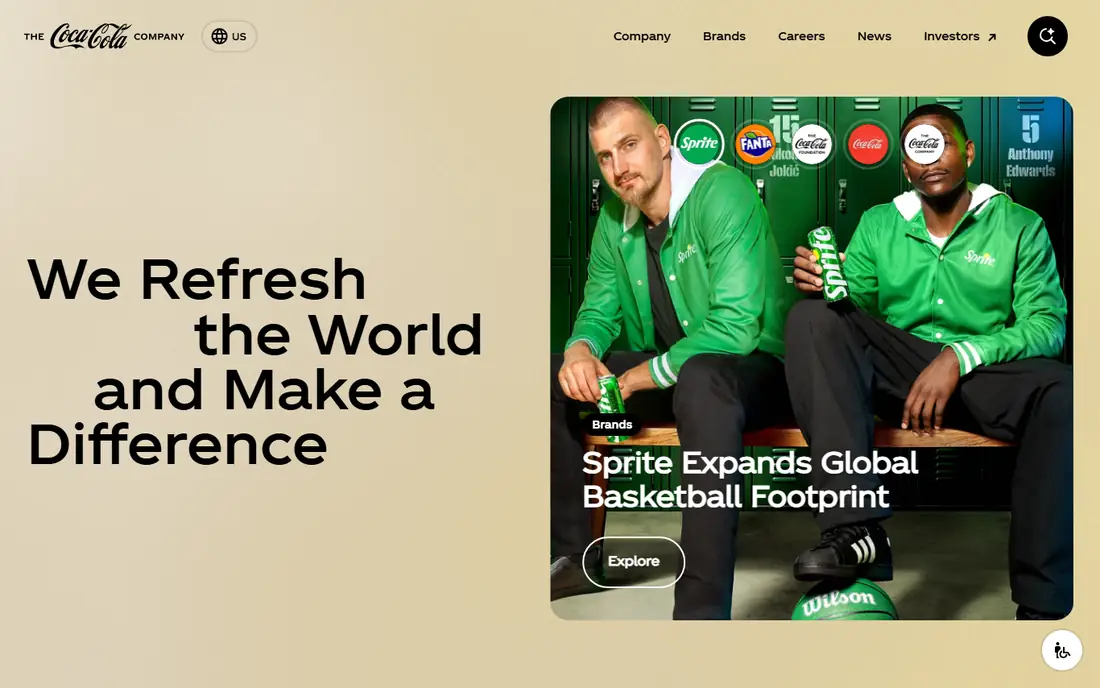
Coca-Cola is the completeness winner for non alcoholic drinks: any occasion a soft drink can serve, it probably owns the number one or two brand in it, in almost every country.
Watch its zero sugar and functional moves as the tell for the whole industry. When the largest portfolio in drinks shifts weight, shelf space everywhere shifts with it.
What we like- Coca-Cola owns the template: flagship Coke and its zero sugar line, Sprite and Fanta in soda, Minute Maid in juice, Dasani and Smartwater in water, Costa in coffee, Powerade in sports, Fuze and bottled teas, fairlife in value added dairy and Topo Chico in sparkling and hard seltzer, over 200 brands managed as a portfolio, with weaker lines pruned regularly. Beverage revenue of about 47.9 billion dollars in fiscal 2025 flows through the concentrate model, selling syrup and brands while bottlers handle the heavy work, which keeps margins the industry's envy.
Watch out for- It has no alcohol anchor beyond experiments and partnerships, leaving the highest margin cabinet to Diageo and AB InBev. Soda's long decline in rich markets is its home category's headwind, managed rather than escaped. Its portfolio pruning has killed loved regional brands, to vocal local grief. Water and dairy expose it to commodity and plastic politics its concentrate core avoids.
Starting priceSee website
Free planNo
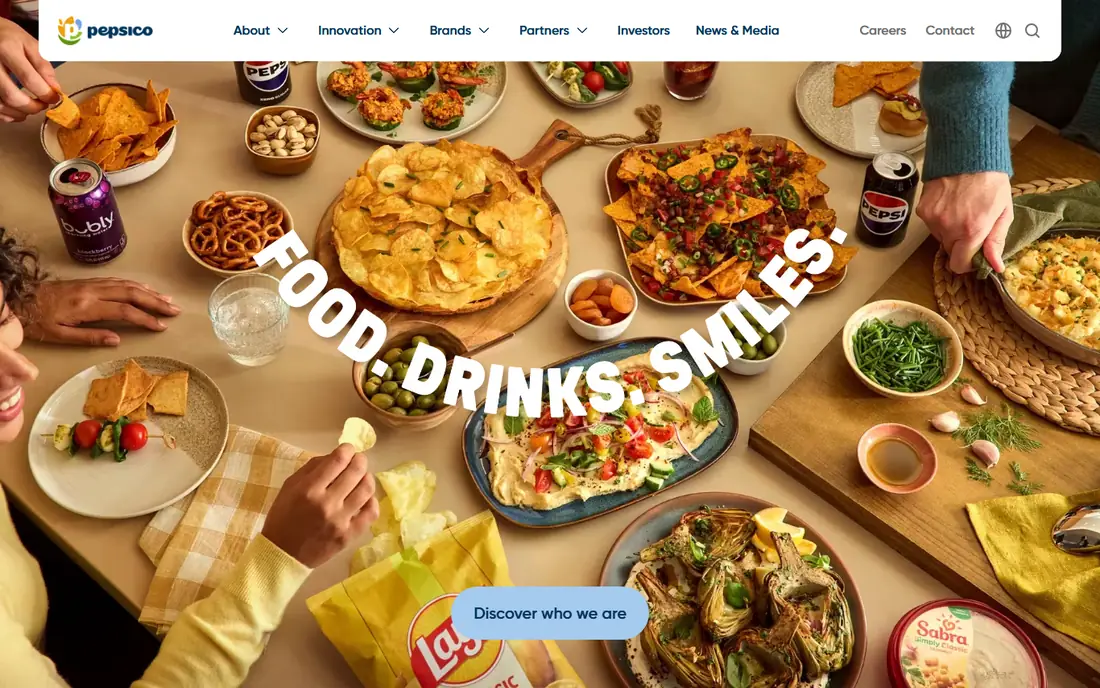
PepsiCo is the diversification answer: the beverage portfolio is top tier rather than first, and the company around it is the most shock absorbent in global refreshment.
Its recent energy and functional buying shows the portfolio method clearly: where it cannot win organically, it buys the challenger early and plugs it into the best distribution system in American convenience retail.
What we like- PepsiCo's portfolio argument is two portfolios: drinks, Pepsi, Mountain Dew, Gatorade in sports, Tropicana heritage in juice, Aquafina and LIFEWTR in water, Bubly in sparkling, Starry in lemon lime, Rockstar in energy, plus a partnership web that includes Starbucks ready to drink coffee distribution, sitting inside a snacks empire, Lay's, Doritos, Cheetos, Quaker, that takes group revenue to about 94 billion dollars. For resilience, no drinks pure play can match having the world's salty snacks business pay the bills in a bad soda year.
Watch out for- Judged purely as a beverage portfolio, it trails Coca-Cola in international soda share and in the concentrate model's margins, since PepsiCo bottles much of its own product with the costs that brings. Beverage growth has lagged snacks for years, and investors periodically question the pairing. Its juice business was partly sold to private equity, trimming one classic category. Energy has been a chase rather than a lead.
Starting priceSee website
Free planNo
AB InBev is the single category dominance case: within beer, no portfolio is close, and its extension lines are built from the strongest distribution machine alcohol has.
The 0.0 build out is its most interesting current chapter: the company that sells the most beer is racing to sell credible beer with nothing in it, and it is winning shelf space doing so.
What we like- AB InBev is the world's largest brewer by a distance: roughly 59 billion dollars of fiscal 2025 revenue, hundreds of beer brands including global flagships Budweiser, Corona outside the US and Stella Artois, premium and craft layers in most markets, and a growing Beyond Beer shelf, ready to drink cocktails and hard seltzers in partnership shapes. Its no and low alcohol range, built around Budweiser Zero and local 0.0 lines, is the biggest in brewing. Portfolio discipline, mega brands first, is practically its corporate religion.
Watch out for- Beer is one category, however completely owned, and global beer volumes have been flat to falling as drinkers moderate and diversify into spirits and ready to drink. The Corona US rights belong to Constellation, a famous seam in the map. Its scale carries a heavy debt history from the acquisition era. Craft's local credibility sits awkwardly inside a giant, and several craft brands bought at the peak have been sold on.
Starting priceSee website
Free planNo
Diageo is the margin and occasion portfolio: it does not sell the most drinks, it sells the most valuable ones, and its brand ladder is the industry's textbook.
Its alcohol free investments matter beyond their size: Guinness 0.0 proved a flagship can carry a zero line without brand damage, a lesson every portfolio here is now copying.
What we like- Diageo owns the premium spirits cabinet: Johnnie Walker in Scotch, Don Julio and Casamigos in tequila, Tanqueray in gin, Smirnoff in vodka, Captain Morgan in rum, Guinness in stout, Baileys, Crown Royal, Bulleit, plus ready to drink lines and a serious 0.0 shelf with Guinness 0.0 and Seedlip, roughly 200 brands managed explicitly by price tier, with premium and above the stated strategy. Its portfolio is a ladder: whatever a drinker's income and occasion, a Diageo label waits at that rung.
Watch out for- Spirits are cyclical and fashion led, and Diageo has had recent years of slowing sales and leadership change that show in its market value, which fell sharply in the data checked for this guide. It has little in soft drinks or beer beyond Guinness. Tequila's boom has carried a large share of its growth story, concentrating risk in one agave cycle. Premiumisation cuts both ways when consumers trade down.
Starting priceSee website
Free planNo
Nestlé is the coffee portfolio winner: from a jar of instant in a village shop to a boutique machine in a capital city kitchen, one company covers the ladder.
Its Starbucks licence is the shrewdest portfolio deal in modern drinks: renting the world's strongest coffee brand for the grocery aisle while owning the machines and the instant shelf beneath it.
What we like- Nestlé's beverage strength is coffee at every altitude: Nescafé instant, Nespresso systems, Nescafé Dolce Gusto, the Starbucks products licence that puts its coffee in supermarkets worldwide, and Blue Bottle at the specialty end, plus premium waters Perrier and S.Pellegrino and a large nutrition and tea shelf, a beverage segment around 28.7 billion Swiss francs. In the world's most habitual drink category, nobody's portfolio is wider. Its ready to drink and at home systems turn brands into appliances, the stickiest model in drinks.
Watch out for- Beverages are one division of a food giant, so portfolio moves answer to group logic, and its North American bottled water business was sold in 2021, narrowing the water story to premium imports. Instant coffee's image trails specialty culture. Nespresso's capsule model draws sustainability pressure its recycling programmes chase. Judged as a pure drinks company it is a division, not the whole firm.
Starting priceSee website
Free planNo
Heineken is the internationalist's portfolio: the drink you can order by one name on five continents, with the alcohol free version beside it in the same fridge.
Its 0.0 leadership is the strategic headline: it took the moderation trend earlier and more seriously than any brewer, and the flagship's zero line now anchors the whole brand's modern image.
What we like- Heineken, at about 36 billion euros of revenue, runs the most international beer portfolio in the premium sense: the Heineken flagship in more countries than any rival lager, Tiger across Asia, Amstel, Birra Moretti, Desperados, a deep cider business through Strongbow, and the category defining Heineken 0.0, the world's most distributed alcohol free lager. More than 300 brands fill the local layers under the global premium roof. Its portfolio reads like a deliberate pyramid, local loyalty at the base, world brands at the top.
Watch out for- It is a brewer: spirits, soft drinks and ready to drink are partnerships and edges, not owned depth. Europe's mature beer markets dominate its map. Premium lager, its heartland, is the segment moderation and craft both squeeze. Currency and emerging market exposure swing its reported numbers more than US anchored rivals.
Starting priceSee website
Free planNo
KDP is the regional completeness winner: for the United States specifically, few cabinets cover soda, juice, mixers and morning coffee as thoroughly under one roof.
Dr Pepper's rise is a portfolio lesson on its own: an old regional brand, marketed patiently into flavours and zero sugar lines, outgrew giants' flagships in their home market.
What we like- Keurig Dr Pepper is the North American combination play: Dr Pepper, now jostling at the very top of US soda rankings, Canada Dry, Schweppes in the US, 7UP, A&W, Snapple, Mott's and Bai across refreshment, plus the Keurig system and its licensed pod ecosystem in coffee, over 125 brands on about 16.6 billion dollars of revenue. Its recent buying, energy brands including GHOST, shows active portfolio construction into the growth categories. The merger logic, cold soda distribution plus hot coffee systems, keeps proving itself.
Watch out for- It is a North American company
- The portfolios above it are planetary. Coffee pods fight private label and sustainability pressure continuously. It has no alcohol position. Its soda strength concentrates in the US market's tastes, which travel unevenly. The energy push is bought at boom prices in a category littered with expensive corpses.
Starting priceSee website
Free planNo
Constellation completes the list as the argument against breadth: the smallest portfolio here and, brand for brand, arguably the most profitable shelf in American drinks.
Its next chapter is the test of the model: whether focus can find a second engine, in premium spirits or ready to drink, before the first one's politics and demographics slow it.
What we like- Constellation is the focus case: in the US it owns the import beer crown, Modelo Especial, America's top selling beer, Corona Extra and Pacifico, under licence rights that proved the most valuable in modern drinks, plus a deliberately pruned premium wine and spirits shelf, The Prisoner, Kim Crawford, Svedka and craft spirits stakes, on roughly 9 to 10 billion dollars of revenue. Its portfolio is short and every line earns: beer provides the engine, premium labels provide the margin story.
Watch out for- Focus is exposure: US beer, and Mexican import beer specifically, carries its growth, and trade and tariff politics around imports became a live risk in recent years. Its wine business was largely divested after an expensive buying era that stands as the industry's portfolio cautionary tale. It has no soft drinks, no coffee, no water. A portfolio this concentrated has nowhere to hide in a bad year for its one category.
How we chose
We selected the drinks groups with the strongest claim to a best portfolio in 2026 and scored them on category breadth, premium strength, growth category presence and active portfolio management. Revenue figures are fiscal 2025 reported numbers as compiled by Nawon and CompaniesMarketCap comparisons in October 2026, and brand counts are company published figures, counted differently by each group. Suntory, Danone, Monster and Red Bull were the closest omissions, each narrower in a different direction, and their absence is a judgement about breadth, not quality. Nothing here is financial advice and no company was contacted for this guide.
How to read a beverage portfolio
Count occasions, not brands. A strong portfolio covers the morning coffee, the desk drink, the gym, the meal, the celebration and the night in, at two price points each. The winners above can be mapped onto a whole day of drinking; weaker portfolios are one occasion deep.
Follow the pruning. Healthy portfolios sell and kill brands regularly, Coca-Cola's culls and Constellation's wine exit after its buying spree show both halves of the lesson. A portfolio that only grows is a museum with a warehouse problem.
Watch the zero and functional shelves. The industry's growth lives in zero sugar, energy, ready to drink and alcohol free. A portfolio's seriousness about the next decade is visible in how much of its innovation budget those lines receive, which annual reports describe plainly for anyone who reads them.
Frequently asked questions
Which company has the biggest beverage portfolio overall?
By breadth, the Coca-Cola Company: over 200 brands across nearly every non alcoholic category in almost every country, on about 48 billion dollars of beverage revenue. By total drinks revenue, AB InBev's beer empire is larger at roughly 59 billion dollars, and PepsiCo is the largest refreshment group overall once its snacks are counted. Biggest depends on the ruler; broadest is Coca-Cola's.
Why is Nestlé on a beverage list when it is a food company?
Because its beverage segment, around 28.7 billion Swiss francs, would rank among the world's largest drinks companies standing alone, and its coffee portfolio, Nescafé, Nespresso, Dolce Gusto, Blue Bottle and the licensed Starbucks grocery business, is arguably the strongest single category portfolio in this guide. Excluding it would make the list tidier and wronger.
What happened to Constellation's wine business?
A buying era assembled a large wine portfolio at premium prices; consumer trends moved toward the cheaper and the more premium ends at once, the middle sagged, and Constellation sold most of its mainstream wine brands, keeping labels like The Prisoner and Kim Crawford. It is now the industry's standard example that portfolio breadth bought at the wrong price destroys the value breadth was meant to create.
Are energy drink companies like Red Bull and Monster portfolio players?
They are powerful single category companies. Red Bull sells essentially one product in many sizes, about 14 billion cans a year, and Monster runs a family of energy brands. Both were considered for this list and left off on breadth: their portfolios are deep in one aisle and absent from the rest of the cabinet. In a ranking of energy portfolios specifically, they would take the top two places between them.
Is this investment advice?
No. This guide compares brand portfolios as products and business strategies, using published revenue and brand information. It makes no recommendation about any company's shares, and portfolio strength is only one input into an investment decision, alongside valuation, debt, management and market conditions. Anyone investing should do their own research or take regulated financial advice.
Sources we checked (0)
Is your product missing or out of date?
We review this list regularly. Vendors can request a listing, send updated pricing or ask about featured placement.

Shihab Mia · Founder, Rankite
Shihab has 5+ years in B2B and SaaS SEO. He writes Rankite's software buying guides from pricing pages, documentation and public user reviews. More about Shihab.
 The Coca-Cola Company
 PepsiCo
 Anheuser-Busch InBev
 Diageo
 Nestlé
 Heineken
 Keurig Dr Pepper
 Constellation Brands