How we make this list: we compare pricing pages, product documentation and public user reviews. Ratings come from G2, Capterra or Trustpilot, with the date we checked them.
Key takeaways
- Zscaler Private Access is the most mature cloud-native ZTNA platform for large enterprises.
- Cloudflare Zero Trust is the easiest and most affordable path to replace legacy VPNs.
- Palo Alto Prisma Access suits organizations already invested in Palo Alto security.
- Cisco's zero trust portfolio fits enterprises standardized on Cisco infrastructure.
- Okta brings identity-led zero trust through its access management strengths.
Quick comparison
| Tool | Best for | Starting price | Free plan |
|---|
 Zscaler Zscaler | enterprise cloud-native ZTNA | See website | See website |
 Cloudflare Cloudflare | easy affordable VPN replacement | See website | See website |
 Palo Alto Networks Palo Alto Networks | integrated SASE platform | See website | See website |
 Cisco Cisco | Cisco-centric enterprises | See website | See website |
 Akamai Akamai | edge-delivered zero trust | See website | See website |
 Okta Okta | identity-led access control | See website | See website |
 CrowdStrike CrowdStrike | endpoint-anchored zero trust | See website | See website |
 Netskope Netskope | data-centric SASE security | See website | See website |
Is your product missing or out of date?
We review this list regularly. Vendors can request a listing, send updated pricing or ask about featured placement.
The best zero trust network access solutions
Starting priceSee website
Free planSee website
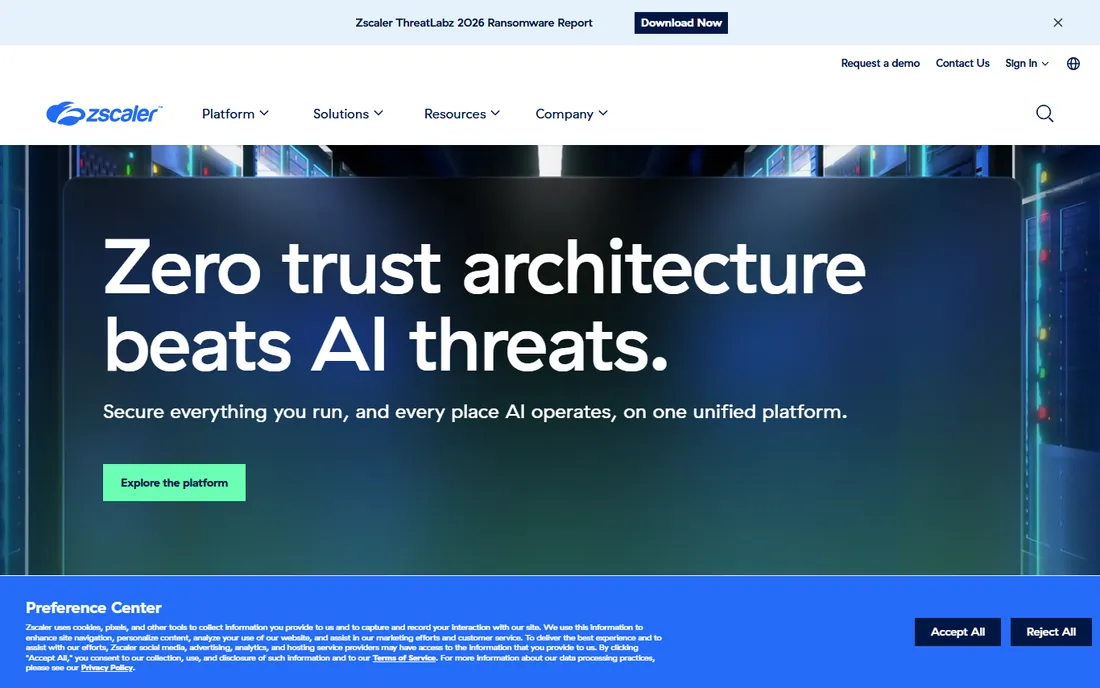
Zscaler Private Access (ZPA) is the reference implementation of cloud-native ZTNA: users connect directly to applications without ever joining the network, with identity and device context driving policy. The Zero Trust Exchange platform adds internet security, data protection, and digital experience monitoring. Large global enterprises run on it at massive scale.
Pricing and complexity reflect the enterprise focus. Smaller organizations may find it heavy. But for organizations replacing VPNs at scale with a proven cloud-native architecture, Zscaler's track record is unmatched. Its customer base includes many of the world's largest enterprises, which means edge cases have been encountered and solved.
What we like- Market-leading ZTNA maturity
- Huge global cloud
- Strong policy engine
Watch out for- Enterprise pricing
- Complexity for small teams
Starting priceSee website
Free planSee website
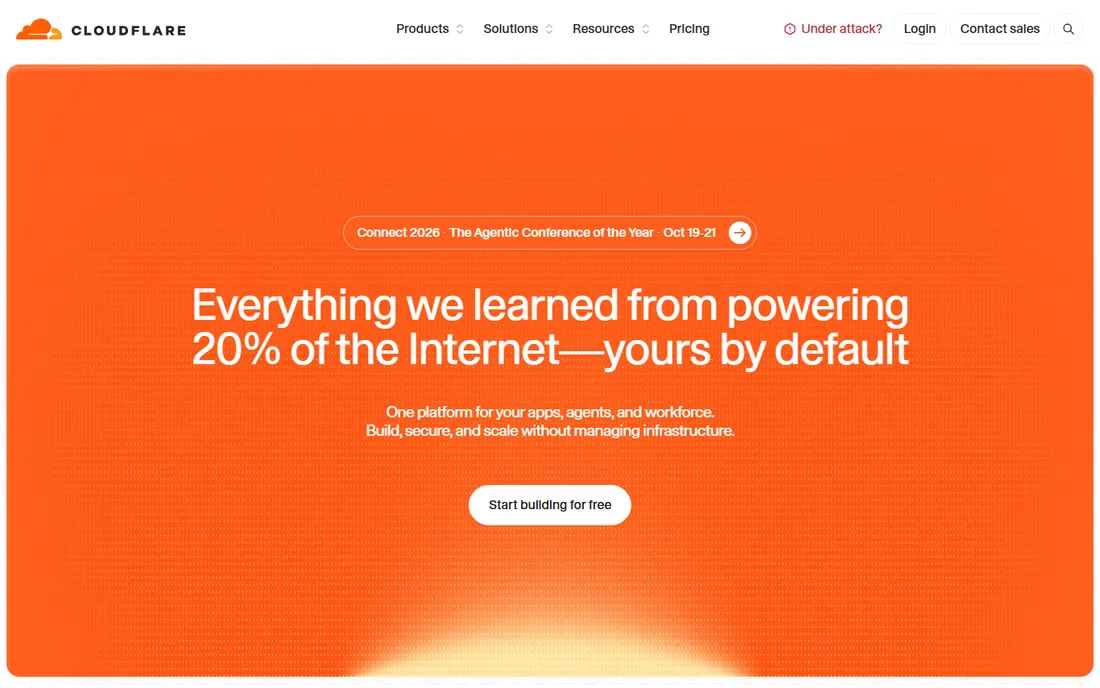
Cloudflare Zero Trust (Cloudflare One) makes ZTNA accessible: a generous free tier covers small teams, deployment takes hours, and the global network delivers low-latency access. Cloudflare Access replaces VPNs for applications, Gateway filters traffic, and the platform grows into full SASE. Startups and mid-market companies get enterprise-grade concepts without enterprise process.
Deep customization and granular controls trail Zscaler and Palo Alto. Complex legacy environments need more configuration. But for cloud-first organizations that want VPN replacement this week, Cloudflare is the fastest path. The free tier is generous enough that many small companies never pay anything.
What we like- Generous free tier
- Fast global network
- Simple to deploy
Watch out for- Advanced features need higher tiers
- Less granular than enterprise rivals
Starting priceSee website
Free planSee website
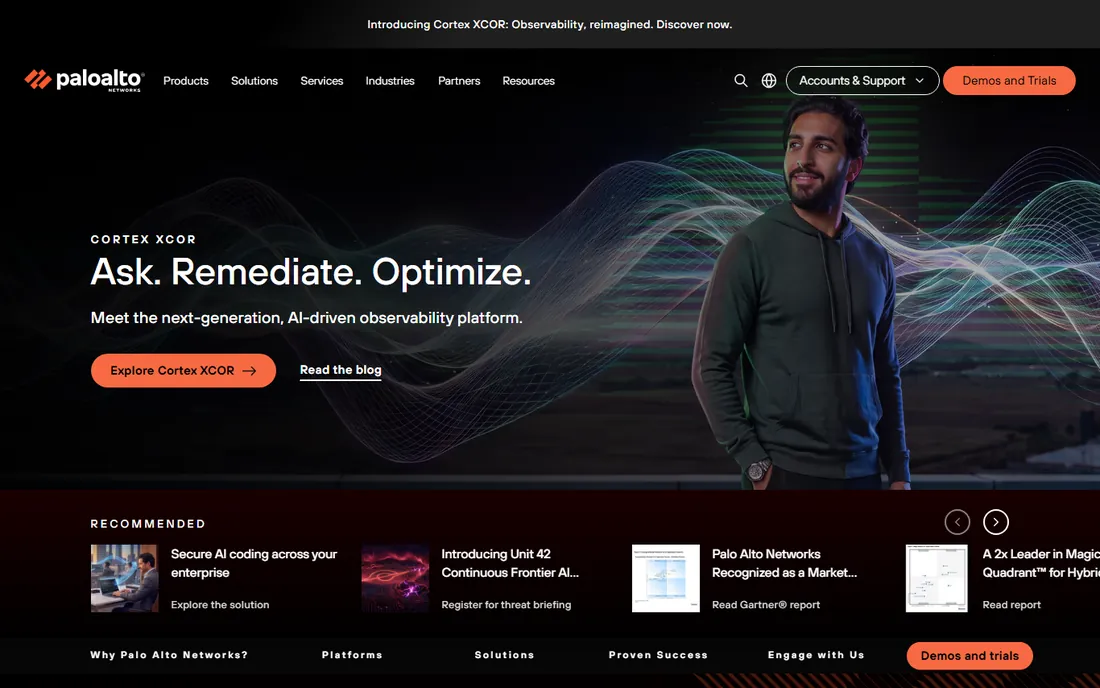
Prisma Access delivers ZTNA as part of Palo Alto's SASE platform, combining secure access with the company's renowned threat prevention. Organizations already running Palo Alto firewalls and Cortex get a unified policy story. The ZTNA 2.0 messaging emphasizes continuous verification and least privilege.
It is premium-priced and shines brightest within the Palo Alto ecosystem. But for enterprises standardized on Palo Alto seeking integrated zero trust, Prisma Access extends their investment coherently. The Autonomous Digital Experience Management helps IT teams troubleshoot remote user issues proactively.
What we like- Deep integration across security portfolio
- Strong threat prevention
- ZTNA 2.0 approach
Watch out for- Premium pricing
- Best with Palo Alto ecosystem
Starting priceSee website
Free planSee website
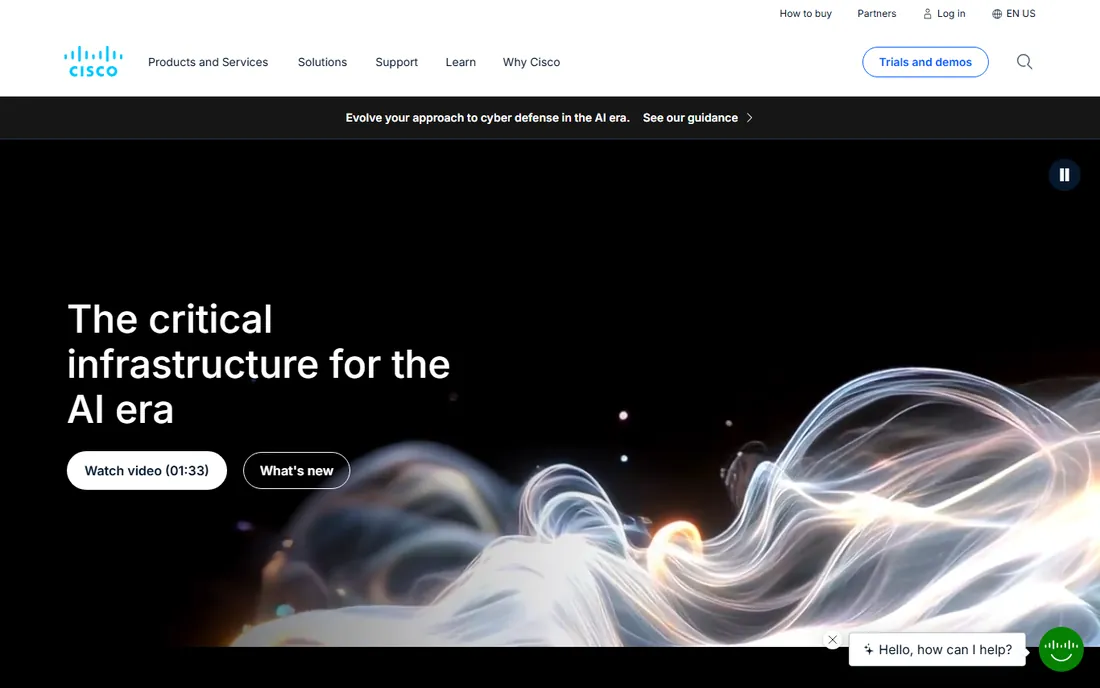
Cisco's zero trust story spans Duo (identity and MFA), Secure Access (ZTNA/SSE), and its networking and security portfolio. Enterprises already running Cisco networking, collaboration, and security get natural integration points. Duo's authentication strength underpins the identity layer.
The breadth of the portfolio can confuse; licensing across products needs attention. But for the enormous base of Cisco shops, building zero trust on Cisco components avoids rip-and-replace disruption. Duo's push-based MFA is widely regarded as one of the best user experiences in authentication.
What we like- Integrates with vast Cisco install base
- Duo for strong MFA
- Comprehensive portfolio
Watch out for- Portfolio complexity
- Licensing intricacies
Starting priceSee website
Free planSee website
Akamai delivers zero trust from its vast edge network: Enterprise Application Access provides ZTNA with low-latency performance worldwide, complemented by microsegmentation (Guardicore) and web security. Organizations with globally distributed users benefit from edge proximity.
The enterprise sales motion suits large buyers. SMB visibility is lower than Cloudflare's. But for performance-sensitive global access with edge delivery, Akamai's infrastructure advantage is real. Companies already using Akamai for CDN and web security get natural bundle economics.
What we like- Massive edge network for low latency
- Enterprise Application Access
- Proven at scale
Watch out for- Enterprise sales motion
- Less visible in SMB
Starting priceSee website
Free planSee website
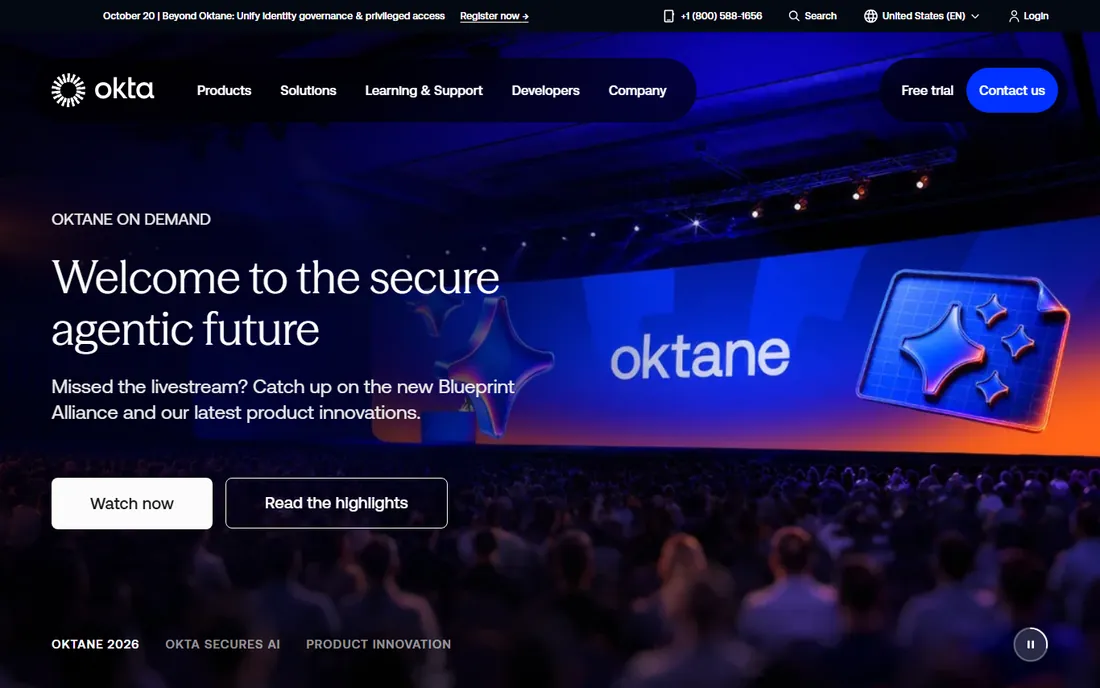
Okta approaches zero trust from identity: verify the user continuously, then grant least-privilege access to applications. With thousands of integrations, adaptive MFA, and lifecycle management, it is the identity backbone of many zero trust architectures. Its ZTNA capabilities (from the ScaleFT acquisition) extend identity to infrastructure access.
Pure network security functions rely on partners. But since identity is the foundation of zero trust, Okta's position is central: most ZTNA deployments integrate with Okta regardless of vendor. Its device trust integrations and risk-based policies keep the identity layer adaptive.
What we like- Identity management leader
- Huge integration catalog
- Strong MFA and SSO
Watch out for- ZTNA via acquisition (ScaleFT heritage)
- Network security needs partners
Starting priceSee website
Free planSee website
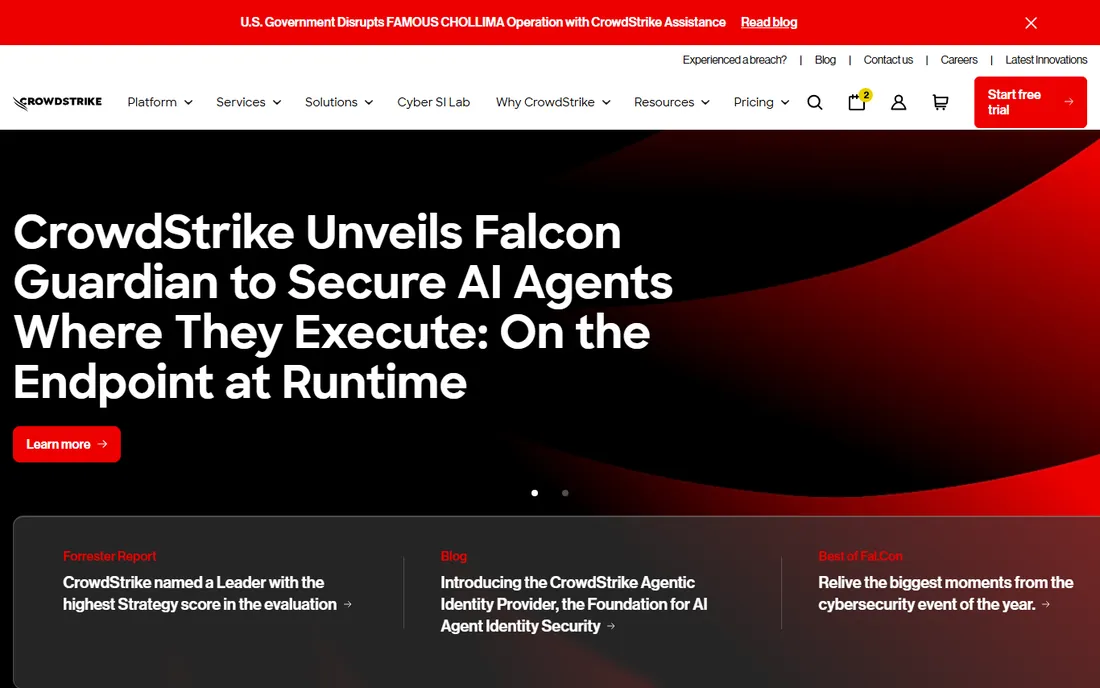
CrowdStrike brings zero trust anchored in the endpoint: Falcon's device visibility, threat prevention, and Zero Trust Assessment feed access decisions with rich device context. Combined with partnerships and its own access capabilities, it delivers identity-plus-device verification. Organizations standardized on Falcon extend naturally.
ZTNA capabilities are one piece of the Falcon platform story. But for endpoint-driven zero trust where device trust matters as much as identity, CrowdStrike's telemetry is a differentiator. The single-agent architecture means zero trust signals come from infrastructure you already run.
What we like- Best-in-class endpoint security
- Falcon platform breadth
- Strong threat intel
Watch out for- ZTNA is part of a broader platform
- Full value needs Falcon adoption
Starting priceSee website
Free planSee website
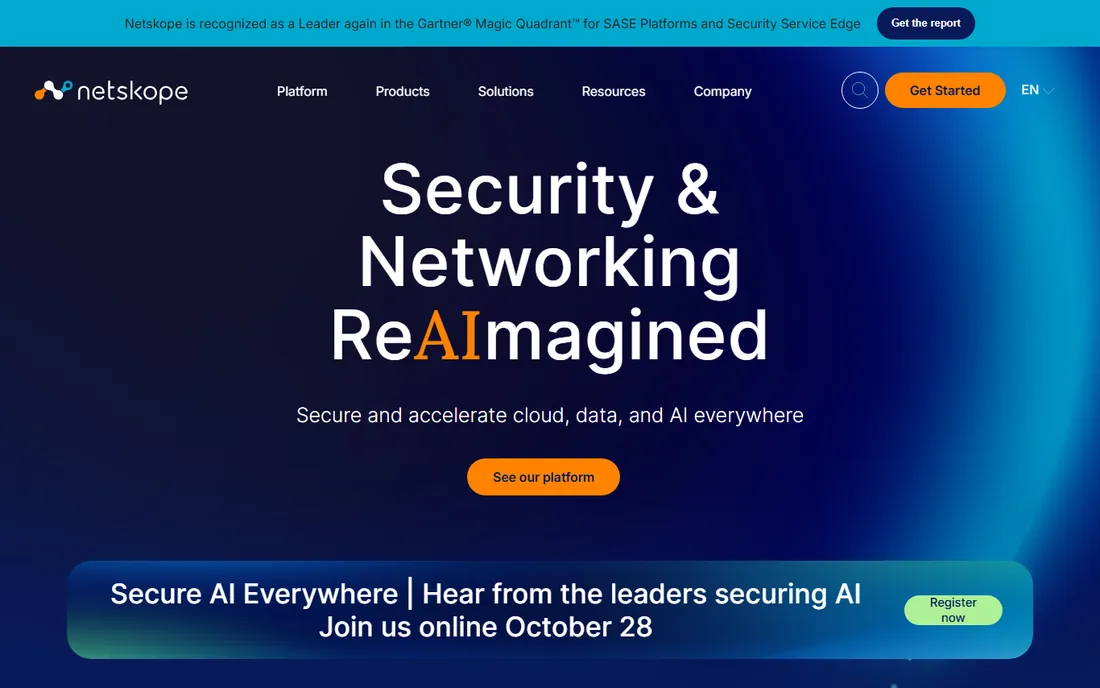
Netskope One delivers SASE with zero trust principles, distinguished by data-centric security: CASB visibility, inline DLP, and granular cloud app controls. Regulated industries and data-sensitive enterprises get policy enforcement that follows the data. Private Access covers the ZTNA use case within a unified platform.
Complexity and pricing reflect the enterprise target. But for organizations where protecting data in motion defines the security program, Netskope's data-first approach fits. Its cloud confidence index helps teams understand the risk profile of the SaaS apps employees actually use.
What we like- Strong CASB and DLP heritage
- Data-focused policies
- Good for regulated industries
Watch out for- Complexity
- Premium pricing
What to check before you buy
Start with your identity provider. Zero trust runs on identity; confirm the ZTNA solution integrates deeply with your IdP (Okta, Entra ID, Google). Then assess your application mix: pure cloud apps are easy for every vendor, while legacy thick-client and on-premises apps separate the mature platforms from the simple ones. Inventory your applications before vendor demos so you can ask about your hardest cases, not their happiest ones.
Then evaluate operational fit. Who will run this? Cloudflare suits lean IT teams; Zscaler and Palo Alto expect security engineering capacity. Pilot with a real user group before committing: ZTNA affects daily workflows, and user experience differences only surface in production-like testing. Include remote workers, office workers, and contractors in the pilot; each group stresses the system differently.
Finally, think beyond access. Modern platforms bundle SWG, CASB, DLP, and digital experience monitoring. Buying ZTNA alone from a vendor whose SASE suite you will adopt later is fine; buying point products that do not integrate creates the fragmentation zero trust was meant to solve. Ask every vendor for their three-year platform roadmap, not just today's feature list.
ZTNA vs VPN: why switch
VPNs grant network access: once connected, users can reach anything the network allows, creating lateral movement risk. ZTNA grants application access: users reach only specific apps, verified continuously by identity and device context. The security difference is fundamental. Operationally, ZTNA eliminates VPN concentrators, improves remote performance through cloud delivery, and simplifies onboarding. The migration takes planning but the direction is settled.
There is also a user experience argument that surprises VPN defenders: modern ZTNA is usually faster for remote workers than backhauled VPN traffic. Connecting directly to the nearest cloud point of presence beats routing through a corporate data center. When users prefer the secure option because it is faster, adoption stops being a battle.
Frequently asked questions
What is zero trust network access?
ZTNA is a security model that grants users access to specific applications rather than the corporate network, verifying identity and device context continuously. It replaces the implicit trust of legacy VPNs with explicit, per-session verification. The core principle: never trust, always verify, every time.
How is ZTNA different from a VPN?
A VPN puts remote users on the corporate network, exposing everything reachable from it. ZTNA connects users directly to authorized applications without network access, shrinking the attack surface and preventing lateral movement. ZTNA also typically performs better for remote users through cloud-delivered architecture.
Do I still need a VPN with ZTNA?
Most organizations can retire VPNs after full ZTNA deployment is complete. Some keep VPNs temporarily for legacy applications that do not work well with ZTNA, or during phased migrations. The goal is full replacement; plan the migration application by application.
How long does ZTNA deployment take?
Cloud-delivered ZTNA can pilot in days and roll out in weeks for standard applications. Complex environments with legacy apps, multiple identity providers, or strict compliance requirements take longer. Start with cloud apps for quick wins, then tackle harder use cases methodically.
What does ZTNA cost?
Pricing is typically per user per month, with enterprise platforms in the tens of dollars and Cloudflare offering a free tier for small teams. Total cost includes the platform subscription, identity provider, and implementation effort. Compare against VPN infrastructure and operational costs, not just license fees alone.
Can small businesses use zero trust?
Yes. Cloudflare's free tier makes ZTNA accessible to tiny teams. The principles scale down: strong identity, MFA everywhere, least-privilege access. Small businesses face the same threats as enterprises; ZTNA is no longer enterprise-only technology.
How we chose
We selected zero trust network access vendors that appear consistently in ZTNA comparisons, analyst discussions, and practitioner shortlists. Each vendor's site was checked to confirm the product is current in 2026. Pricing details come from vendor pages where published; enterprise pricing is typically quote-based. No hands-on security testing was conducted for this guide; evaluations reflect documented capabilities and current published vendor positioning.
Sources we checked (12)
- https://www.zscaler.com
- https://www.cloudflare.com
- https://www.paloaltonetworks.com
- https://www.cisco.com
- https://www.akamai.com
- https://www.okta.com
- https://www.crowdstrike.com
- https://www.netskope.com
- https://cybersecuritynews.com/best-ztna-solutions/
- https://gbhackers.com/best-zero-trust-network-access/
- https://cyberpress.org/zero-trust-security-companies/
- https://www.crowdstrike.com/en-us/press-releases/okta-crowdstrike-netskope-proofpoint-join-together-secure-remote-work/
Is your product missing or out of date?
We review this list regularly. Vendors can request a listing, send updated pricing or ask about featured placement.

Shihab Mia · Founder, Rankite
Shihab has 5+ years in B2B and SaaS SEO. He writes Rankite's software buying guides from pricing pages, documentation and public user reviews. More about Shihab.