How we make this list: we compare pricing pages, product documentation and public user reviews. Ratings come from G2, Capterra or Trustpilot, with the date we checked them.
Key takeaways
- Bright Data and Oxylabs run the largest Japanese networks, with city level targeting and every proxy type, at premium per GB prices.
- Decodo and IPRoyal cover most legitimate work at mid range prices, and DataImpulse undercuts everyone at $1 per GB for residential traffic.
- Webshare is the budget datacenter option, from $2.99 per month, with a small free plan for testing.
- Legitimate uses come first in this guide: checking your own search rankings in Japan, verifying ads, testing your app as Japanese users see it, and reading content you are entitled to access.
- A proxy does not make a banned activity legal. Breaking a site's terms or the law through a Japanese IP is your responsibility, not the provider's.
Quick comparison
| Tool | Best for | Starting price | Free plan |
|---|
 Bright Data | Enterprise work and city targeting | $8 per GB | No |
 Oxylabs | Largest Japan pool | $6 per GB | No |
 Decodo | Mid price residential with mobile options | $4 per GB | No |
 IPRoyal | Pay as you go with non expiring traffic | $7.35 per GB | No |
 SOAX | Carrier level targeting | See website | No |
 Webshare | Cheap datacenter proxies | $2.99 per month | Yes |
 DataImpulse | Lowest residential price per GB | $1 per GB | No |
 NetNut | ISP network speed | See website | No |
Is your product missing or out of date?
We review this list regularly. Vendors can request a listing, send updated pricing or ask about featured placement.
The best Japanese proxy services
#1Bright Data
Best for: Enterprise work and city targeting4.6/5 on
G2 (272 reviews, checked Oct 2026)
Visit brightdata.com
Starting price$8 per GB
Free planNo
Bright Data is the enterprise standard in proxies, and Japan is one of its deepest markets, with sources reporting hundreds of thousands to millions of Japanese IPs depending on how the pool is counted. Targeting runs to city and carrier level, and managed tools such as its SERP API and web scraping APIs sit on top for teams that do not want to build parsers. Residential pay as you go is listed at $8 per GB, with promotional and volume rates well below that.
The trade off is power against price and process. Bright Data verifies customers and use cases, which slows signup and is the correct behaviour for a network this size. Bright Data fits companies running continuous Japan market monitoring or large scale data collection with a compliance review behind it.
What we like- Huge Japan pool across residential, mobile, ISP, and datacenter types
- City, ZIP, and ASN targeting
- Scraping APIs on top of raw proxies
- Strong compliance process
Watch out for- Premium pricing
- Account setup includes identity checks
- Dashboard depth overwhelms small jobs
#2Oxylabs
Best for: Largest Japan pool4.5/5 on
G2 (420 reviews, checked Oct 2026)
Visit oxylabs.io
Starting price$6 per GB
Free planNo
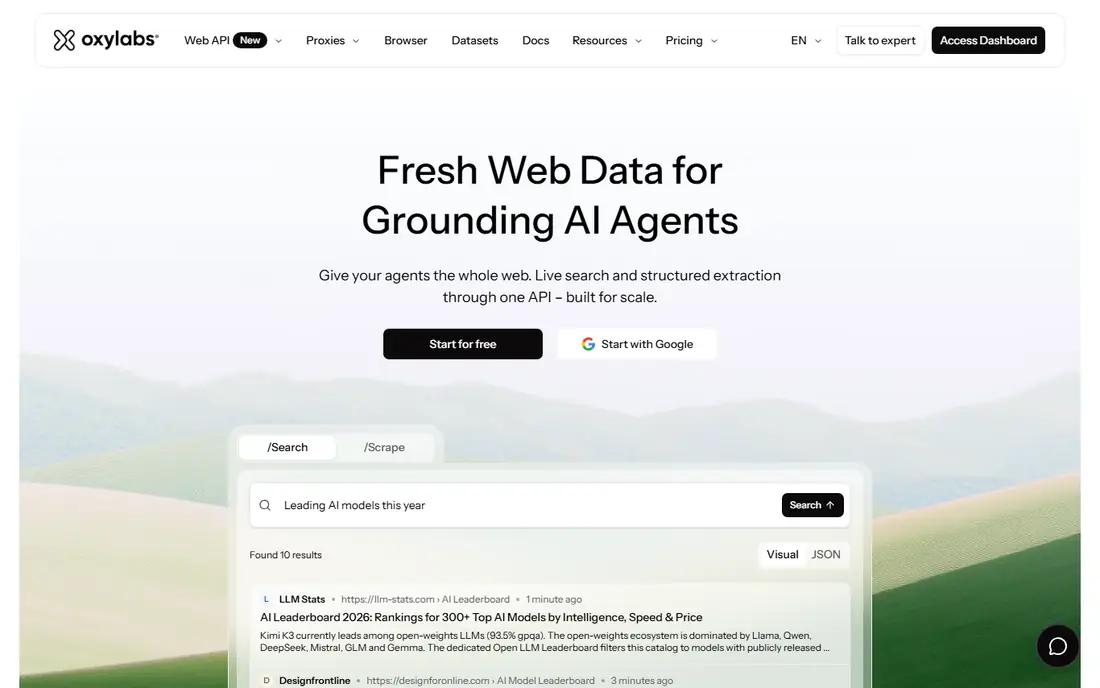
Oxylabs competes with Bright Data at the top of the market and claims the largest Japanese residential pool, reported at more than 1.5 million IPs. Its mobile network covers Japanese carriers, which matters for app testing and for targets that treat mobile traffic differently. Residential pricing is reported from $6 per GB at list, falling with volume.
The trade off is scale against cost and access. Trials run through the sales team rather than a self serve button, and small users pay enterprise rates for capacity they will not touch. Oxylabs fits larger data teams that need Japanese mobile and residential depth under one contract.
What we like- Japan residential pool reported above 1.5 million IPs
- Mobile proxies with carrier targeting
- Dedicated account support on bigger plans
- High reported success rates
Watch out for- Premium pricing
- Free trial only through sales
- No static residential option in Japan per current listings
#3Decodo
Best for: Mid price residential with mobile options4.6/5 on
G2 (763 reviews, checked Oct 2026)
Visit decodo.com
Starting price$4 per GB
Free planNo
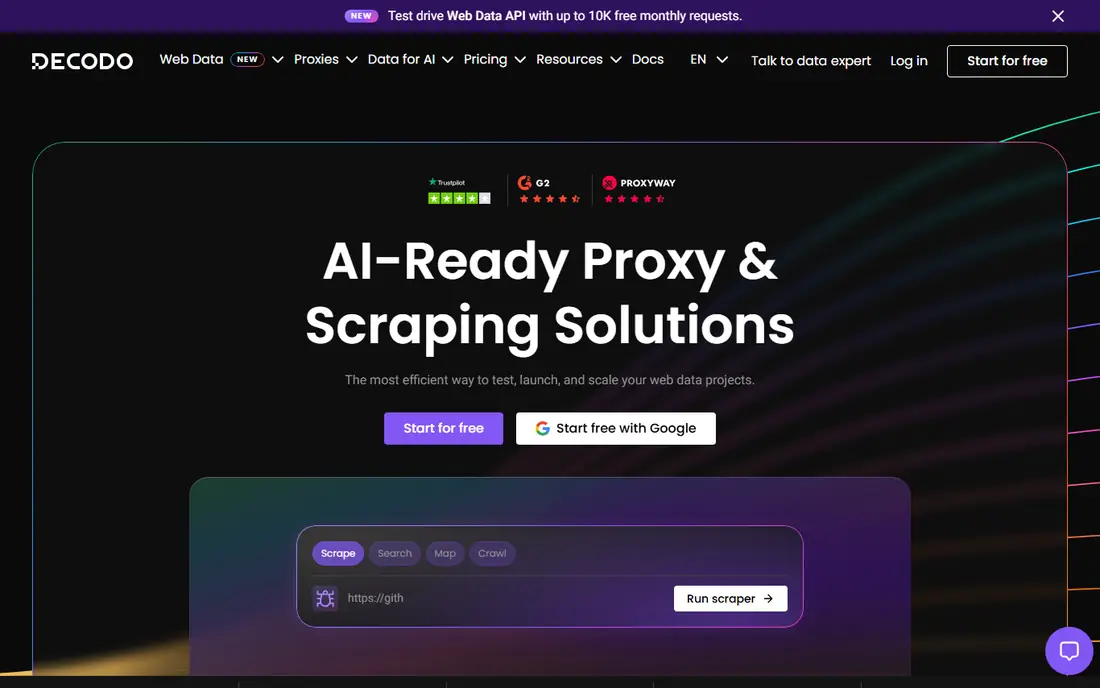
Decodo, formerly Smartproxy, is the mid market workhorse: a clean dashboard, all four proxy types, and Japanese residential traffic reported at $4 per GB pay as you go, dropping toward $2 per GB at volume. Its mobile plans name Japanese carriers, which helps app and ad testing that depends on a specific network.
The trade off is depth against price. The Japan pool is a fraction of Oxylabs', so very large sweeps may rotate through repeats sooner. Decodo fits small and mid size teams that want one provider for Japanese SERP checks, price monitoring, and testing without an enterprise contract.
What we like- Residential, mobile, ISP, and datacenter under one dashboard
- Named carrier mobile IPs in Japan
- Free trial available
- Clear per GB pricing
Watch out for- Japan pool is smaller than the top two
- Best rates need volume commitments
- Support is chat first
#4IPRoyal
Best for: Pay as you go with non expiring traffic4.7/5 on
G2 (1,071 reviews, checked Oct 2026)
Visit iproyal.com
Starting price$7.35 per GB
Free planNo
IPRoyal's signature term is that residential bandwidth never expires: buy 10 GB, use it across a year of small Japanese checks, and the balance waits. That suits irregular work, such as quarterly price audits of Japanese retailers, better than a monthly plan that resets. List price is $7.35 per GB, with volume tiers reported down toward $1.75 per GB.
The trade off is headline price against waste. Occasional users save money overall despite the higher rate, while continuous users should buy volume elsewhere. IPRoyal fits freelancers and small teams with spiky, unpredictable Japanese proxy needs.
What we like- Traffic does not expire, rare in this market
- City targeting across many Japanese locations
- All proxy types available
- No minimum monthly spend
Watch out for- List price per GB is high before volume discounts
- Smaller company than the top tier
- Documentation is thinner
#5SOAX
Best for: Carrier level targeting4.8/5 on
G2 (66 reviews, checked Oct 2026)
Visit soax.com
Starting priceSee website
Free planNo
SOAX built its reputation on targeting precision, and in Japan that means filtering by prefecture, city, and carrier rather than just country. Its plans bundle residential and mobile traffic, and sources disagree on the effective entry price, with per GB figures from about $3.60 at volume and plan prices from $99 a month both reported, so we list the price as check the site.
The trade off is precision against price clarity. You will need the vendor's own quote to budget. SOAX fits testers and researchers whose Japanese work depends on appearing from a specific carrier or city, such as verifying carrier specific app behaviour.
What we like- Targeting by region, city, and mobile carrier
- Residential and mobile networks
- Flexible rotation and sticky sessions
Watch out for- Pricing is bundled into plans that sources report differently
- Japan pool is mid sized
- Fewer third party tests than rivals
#6Webshare
Best for: Cheap datacenter proxies4.0/5 on
G2 (5 reviews, checked Oct 2026)
Visit webshare.io
Starting price$2.99 per month
Free planYes
Webshare is the budget door into Japanese proxies. Its datacenter plans start at $2.99 per month with a free tier of 10 proxies for testing, and bandwidth is unmetered, which suits open reference data and your own site checks. A rotating residential add on covers harder targets at per GB rates.
The trade off is price against acceptance. Japanese retail and media sites with strong bot defences will refuse many datacenter ranges. Webshare fits developers and small teams doing light Japanese checks on open targets, who can step up to residential only when a target demands it.
What we like- Datacenter plans from $2.99 per month
- 10 free proxies to test with
- Unlimited bandwidth on plans
- Fast setup
Watch out for- Datacenter IPs are blocked by strict Japanese sites more often
- Japan pool is smaller than global rivals
- Residential costs extra
#7DataImpulse
Best for: Lowest residential price per GB4.7/5 on
G2 (28 reviews, checked Oct 2026)
Visit dataimpulse.com
Starting price$1 per GB
Free planNo
DataImpulse prices residential traffic at $1 per GB with no expiry, which resets the maths for high volume Japanese monitoring: a continuous price watch on a Japanese marketplace costs a tenth of the enterprise rate. It covers the main proxy types and offers city targeting in Japan.
The trade off is price against maturity. There are fewer scraping APIs, fewer integrations, and a thinner public record than at Bright Data or Oxylabs. DataImpulse fits cost driven teams running steady, legitimate collection on public Japanese data who can build their own tooling.
What we like- $1 per GB residential pricing is the market floor
- Traffic does not expire
- Simple pay as you go model
- City targeting available
Watch out for- Smaller brand with a shorter track record
- Fewer managed tools and APIs
- Support is leaner
#8NetNut
Best for: ISP network speed4.9/5 on
G2 (385 reviews, checked Oct 2026)
Visit netnut.io
Starting priceSee website
Free planNo
NetNut's network is built on ISP partnerships, which gives its traffic a stability and speed profile that household device networks cannot always match, useful for uptime monitoring and latency sensitive checks from inside Japan. Pricing is sold in monthly plans through the sales team; third parties cite effective rates from about $3.53 per GB, but the figure depends on the plan, so we list it as check the site.
The trade off is performance against transparency. You cannot self serve a quick test at a published price. NetNut fits established data operations that value connection stability and will negotiate a plan.
What we like- Routes through ISP infrastructure for speed and stability
- Large global pool with Japanese coverage
- Static and rotating options
Watch out for- Pricing is plan based and sales led
- Aimed at businesses, not casual users
- Per GB value depends heavily on the plan
How we chose
We compared Japan focused proxy roundups from October 2026 and provider plan pages, weighing the size and targeting depth of the Japanese pool, the per GB price at entry and at volume, and whether traffic expires. We kept providers with a real Japanese presence across at least two proxy types where possible, and recorded prices as reported, writing See website where sources conflicted. We also weighted basic legitimacy signals: providers that verify customers and publish acceptable use rules ranked above anonymous sellers.
How to choose a Japanese proxy service
Match the proxy type to the target. Your own sites, open reference data, and most search result checks run fine on datacenter or ISP proxies at a fraction of the cost. Strict retail, media, and app targets usually need residential or mobile IPs. Next, check targeting: country level is enough for national price checks, but Japanese local search and carrier specific behaviour need city or carrier filters. Do the per GB maths on your real traffic, because a product page sweep of a large Japanese retailer can burn gigabytes in a day, and non expiring traffic suits irregular work better than a monthly plan. Stay inside the law and site terms: use proxies to see your own content, ads, and rankings as Japanese users do, to test your own apps, and to read public data at a polite rate. Using them to break into accounts, evade a ban, or take content you have no right to is on you, and reputable providers will close accounts that do it.
Frequently asked questions
What is a Japanese proxy used for?
Businesses use Japanese IPs to check Japanese search rankings, verify that ads and prices show correctly in Japan, test apps on Japanese networks, and collect public data from Japanese sites. Individuals use them for privacy and to reach services they are entitled to use while travelling.
Are proxies legal in Japan?
Proxies themselves are legal tools in Japan and most other countries. What you do through them decides legality: fraud, unauthorised access, and copyright abuse stay illegal through any connection. Site terms can also ban proxy traffic contractually even where no law is broken.
What is the difference between residential and datacenter proxies?
Residential IPs belong to real household connections, so sites trust them more and providers charge per GB. Datacenter IPs sit in server farms, cost far less, run faster, and are easier for strict sites to spot and block.
How much do Japanese proxies cost?
Datacenter plans start at $2.99 per month. Residential traffic runs from $1 per GB at DataImpulse to $8 per GB at enterprise list prices, with volume discounts cutting rates steeply. Mobile proxies sit at the top of the range.
Can I target a specific Japanese city?
Yes, at most providers here. Bright Data, Oxylabs, SOAX, and others filter by city, prefecture, or carrier, which matters for local search results and regional pricing. Webshare's Japan targeting is mainly country level on cheaper plans.
Will a proxy make me anonymous?
No. A proxy changes the IP a site sees, but your provider account, payment details, and browser fingerprint still identify you, and the provider keeps logs under its own policy. Treat a proxy as a location tool, not invisibility.
Sources we checked (0)
Is your product missing or out of date?
We review this list regularly. Vendors can request a listing, send updated pricing or ask about featured placement.

Shihab Mia · Founder, Rankite
Shihab has 5+ years in B2B and SaaS SEO. He writes Rankite's software buying guides from pricing pages, documentation and public user reviews. More about Shihab.