How we make this list: we compare pricing pages, product documentation and public user reviews. Ratings come from G2, Capterra or Trustpilot, with the date we checked them.
Key takeaways
- Room 8 Studio and Magic Media suit larger projects that need a full art pipeline, from concept and style guides through production and engine integration.
- RocketBrush Studio, ZVKY, and Liquid Development suit teams that need strong 2D and 3D asset work with clear art direction and fast iteration.
- Starloop Studios suits mobile and full-cycle projects where art sits alongside design, development, and live operations.
- N-iX suits larger publishers and studios that need game art inside a wider engineering and product partnership.
- Art outsourcing prices are almost always quoted per project, so a short test task and a clear art bible matter more than a headline rate.
Quick comparison
| Tool | Best for | Starting price | Free plan |
|---|
 Room 8 Studio | Full art production at scale | See website | No |
 Magic Media | Large co-development art teams | See website | No |
 Starloop Studios | Mobile game art and full-cycle work | See website | No |
 RocketBrush Studio | 2D and 3D game assets | See website | No |
 ZVKY | Stylized and realistic game art | See website | No |
 Liquid Development | 3D production and world building | See website | No |
 N-iX | Game art inside engineering partnerships | See website | No |
Is your product missing or out of date?
We review this list regularly. Vendors can request a listing, send updated pricing or ask about featured placement.
The best game art outsourcing companies
Starting priceSee website
Free planNo
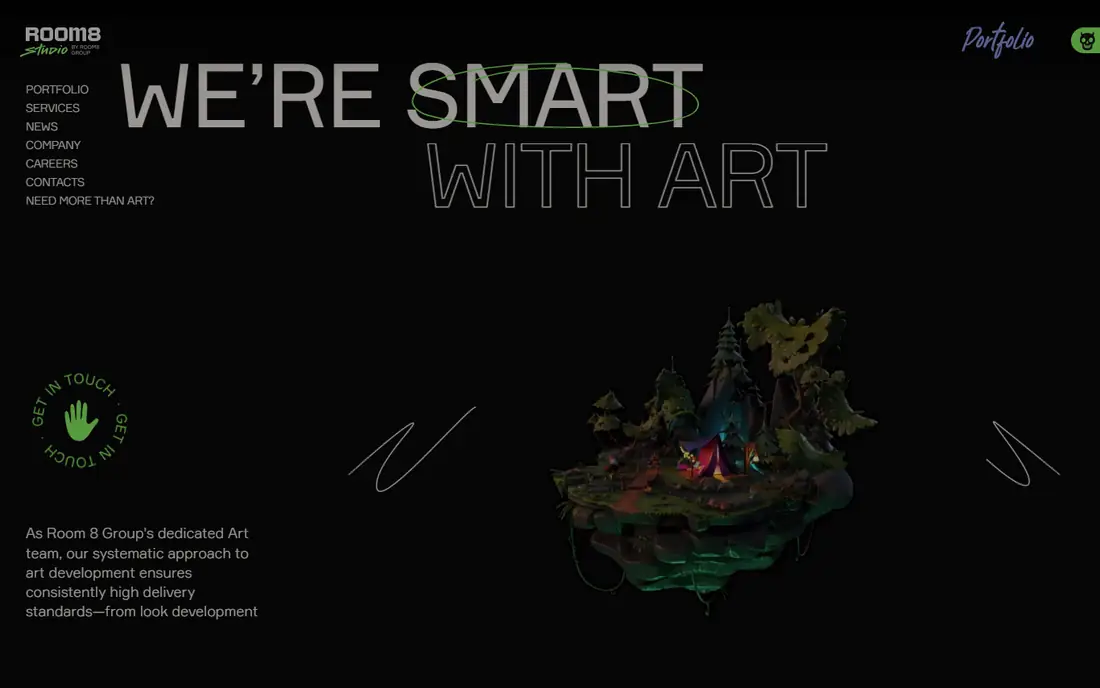
Room 8 Studio fits a studio that needs art production to run as a system, not as a series of one-off hires. The team covers look development, character and environment design, art bible creation, style guides, production guidelines, and engine integration, which helps a project keep a consistent look across many artists and months of work. Its public work includes titles and partners across console, PC, and mobile, and its site shows a structured path from pre-production through production and live operations content.
The honest catch is fit for small teams. A studio with a single character or a short asset list may find the process heavier than needed, and may get faster value from a smaller studio that can start with a test task. Larger teams, by contrast, benefit from the documentation, naming conventions, and technical guidelines that prevent art debt later. Ask for a relevant portfolio sample, a named art lead, and a clear review cadence before signing a large production block.
What we like- Dedicated art team inside Room 8 Group
- Pre-production, production, and live operations support
- Work with major publishers and console, PC, and mobile projects
Watch out for- Scale and process suit larger briefs better than a single small asset
- Pricing is project-based and needs a detailed brief
Starting priceSee website
Free planNo
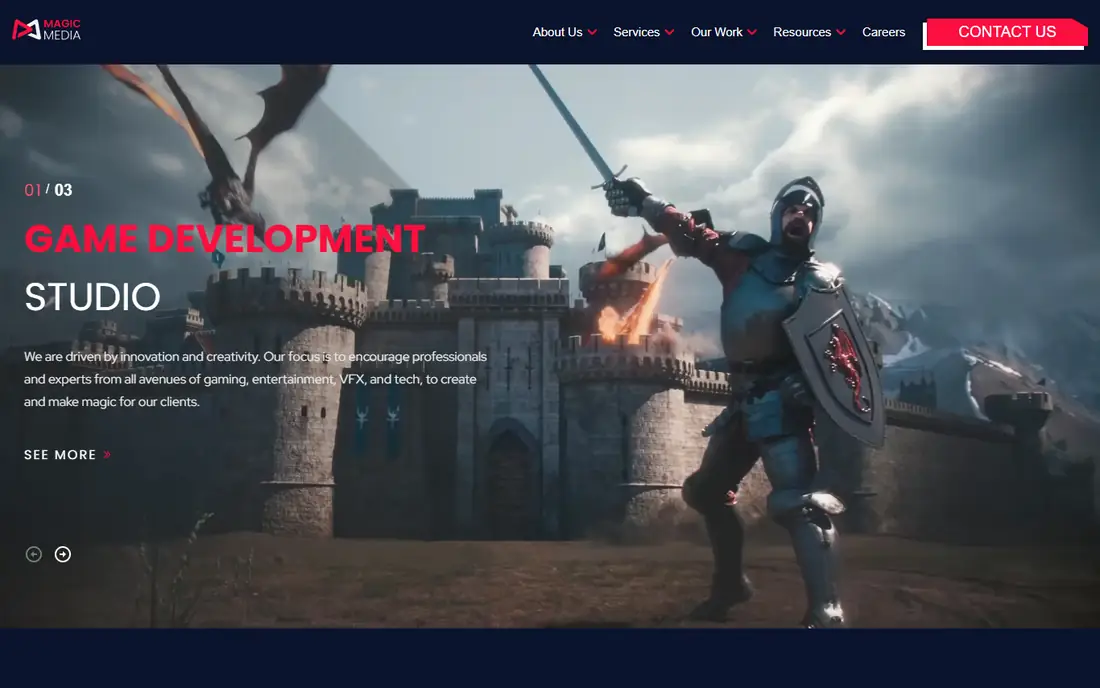
Magic Media suits publishers and studios that want art inside a wider co-development relationship. The group lists art production, 2D concept art, 3D game art, PC and console art, mobile art, skins, animation, and UI and UX design, alongside development, VFX, and video production. That breadth helps when a project needs concept art first, then 3D assets, then marketing art and trailers, without changing vendors for each phase.
Buyers should still treat art as a separate workstream with its own lead, style guide, and acceptance criteria. A broad vendor can be strong, but a vague brief will produce generic work, no matter how large the team. Share reference art, technical limits for the target engine, and examples of what the game should not look like. That clarity helps Magic Media assign the right artists and keeps feedback rounds short.
What we like- International group with art, development, VFX, and animation
- 2D concept art, 3D art, skins, and UI work
- Experience on PC, console, and mobile titles
Watch out for- Broad service range means a buyer must define the art scope clearly
- Large group structure may feel less personal than a boutique studio
Starting priceSee website
Free planNo
Starloop Studios fits a mobile team that wants art, design, and development to move together. The studio describes itself as part of Magic Media, with work since 2011 across mobile, PC, console, and VR and AR projects, and a portfolio of more than 300 games. For a mobile publisher, that history helps with performance limits, asset sizes, and art that reads well on small screens, which are different problems from PC art.
The limit to check is scope. If a buyer only needs art, the proposal should separate art deliverables, revisions, and file formats from development tasks, so costs and timelines stay clear. If a buyer needs a full game, the combined team can reduce handoffs between art and code. In both cases, a playable prototype or a clear vertical slice helps the art team test style, readability, and performance early, before full production.
What we like- Mobile-focused studio inside Magic Media
- Full-cycle development from prototype to launch
- Art, animation, and game design in one team
Watch out for- Mobile strength may not suit a buyer who needs only high-end PC or console art
- Art-only briefs need clear separation from development work
Starting priceSee website
Free planNo
RocketBrush Studio suits a team that needs high-quality game art with direct communication and a clear plan. The studio lists concept art, 2D and 3D assets, animation, and related marketing art, and its public testimonials describe fast response times, clear scheduling options, and honest guidance about what is realistic. That style helps indie and mid-size teams, where a missed deadline or an overpromised asset list can hurt a launch.
The honest catch is capacity on very large briefs. A buyer who needs hundreds of assets in parallel should ask how many artists can be assigned, how reviews are handled, and what happens if scope grows. For a focused brief, such as a character set, an environment pack, or key art, RocketBrush offers a strong balance of craft and communication. Start with a paid test asset in the final style, and judge it in the game engine, not only as a flat image.
What we like- Concept art, 2D and 3D assets, animation, and marketing art
- Client feedback on site points to fast response and clear scheduling
- Work for mobile, PC, and console partners
Watch out for- Smaller than the largest groups, so very large parallel productions need capacity planning
- Pricing depends on asset complexity and style
Starting priceSee website
Free planNo
ZVKY fits a buyer who needs art in more than one style, from stylized casual art to more realistic scenes and props. The studio presents itself as a game art, design, and development studio, with work in 2D environments, characters, and related assets, and public testimonials from partners in casual and larger game segments. That range helps a publisher with several titles, or a team that wants one vendor for a whole art package.
As with any studio that offers both art and development, the buyer should confirm who leads the art, who reviews it, and how feedback is tracked. Ask for samples in the exact style needed, not only a general reel, because a studio that is strong in one style may be weaker in another. A short art test, with a deadline and a revision round, gives a better signal than a long sales call.
What we like- Game art, design, and development studio with 2D environment and character work
- Portfolio across hidden object, casual, and larger titles
- Long client relationships in public testimonials
Watch out for- Studio site mixes art and development services, so art-only buyers should confirm the art team and lead
- Project pricing needs a detailed asset list
Starting priceSee website
Free planNo
Liquid Development suits a studio that needs production-grade 3D assets and environments for a larger game. The studio describes 3D production from blockout through high and low poly work, pre-rendered cinematics, and VR and AR experiences, plus world building that considers player flow, narrative focus, visual interest, and engine performance. Its public credits include work linked to major franchises, which signals experience with strict quality bars and technical pipelines.
For a smaller team, the question is minimum engagement and turnaround. A large production studio may still take a focused brief, but the buyer should ask about team size, lead time, and file delivery standards at the start. For a larger team, Liquid Development offers depth in 3D and environments that is hard to build in-house quickly. Judge early work inside the target engine, with lighting and scale, because an asset that looks strong alone can fail in a playable scene.
What we like- More than twenty years in game art production
- 3D production, world building, and 2D design
- Credits on major franchises across console and PC
Watch out for- Experience skews toward larger franchise work, so small indie briefs should check minimum scope
- Pricing is quoted per project
#7
N-iX
Best for: Game art inside engineering partnerships
Visit n-ix.com
Starting priceSee website
Free planNo
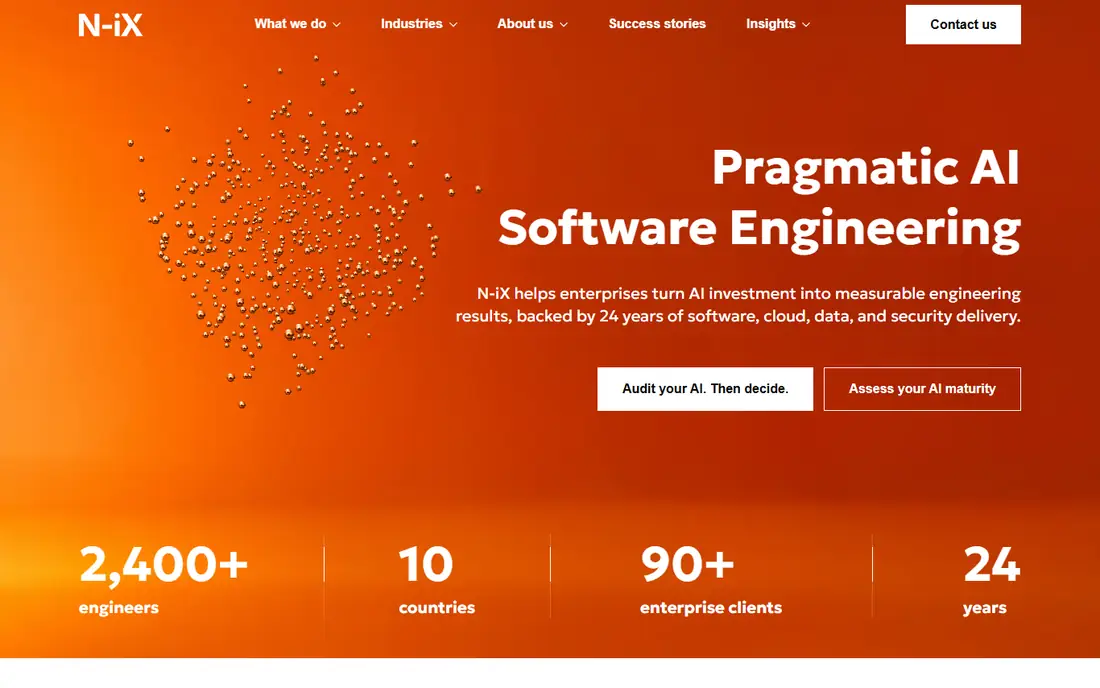
N-iX fits a larger publisher or studio that wants game art as part of a wider product and engineering partnership, rather than a standalone art order. The company works across software engineering, cloud, data, and AI projects, with teams in the US, UK, Europe, and other regions, and it presents a phased partnership model that starts with assessment and pilot work. That structure can help a buyer who needs art, tools, backend, or live operations support together.
The limit is specialization. A buyer who needs only concept art or only 3D characters should ask for game art samples, a named art lead, and a separate art scope, so the work is not treated as a general engineering task. A buyer who needs a long-term team, with art plus engineering, may find the partnership model useful, because it keeps knowledge inside one vendor across releases. In both cases, a clear art bible and a test task remain the best check.
What we like- Large engineering company with offices in several countries
- Software, cloud, data, and AI work alongside product teams
- Long-term partnership model
Watch out for- Game art is part of a wider engineering offer, not a boutique art-only studio
- Buyers should confirm game art leads and portfolio samples
How we chose
We reviewed vendor homepages, service pages, portfolios, and public reviews on G2, Capterra, and Reddit, and we kept only studios with a live homepage that matched the named company. We looked for real game art services, such as concept art, 2D and 3D asset production, animation, and world building, plus evidence of shipped or published work and a clear way to brief a project. We excluded studios whose homepage failed to load, redirected to an unrelated product, or belonged to a different company, and we wrote pricing as See website where a studio quotes per project and does not publish a standard rate. That rule matters in this category, because most art studios price by asset count, style, and technical needs, not by a monthly plan.
How to brief and compare art studios
A good brief saves more money than a low quote. Start with the game, the platform, and the art style in one page: genre, target engine, visual references, and a list of assets with counts. Add technical limits, such as polygon budgets, texture sizes, and file formats, and add examples of art the team likes and art it wants to avoid. A studio that asks sharp questions about that brief is usually a better partner than a studio that accepts every request without discussion.
Test tasks, art bibles, and reviews
Run a paid test task before a large production block. Pick one asset that represents the hardest part of the job, such as a hero character or a key environment, and judge it in the engine with final lighting and scale. Build an art bible early, with style rules, color palettes, material rules, and naming conventions, and share it with every artist on the project. Set a review cadence, a named art lead on each side, and a clear revision limit per asset, so feedback stays focused and timelines stay honest.
Contracts, rights, and delivery
Confirm who owns the final art, what source files are delivered, and how revisions, delays, and scope changes are handled. Ask for layered source files where needed, not only flat exports, because a team will need to adjust art after launch. Confirm time zones, communication tools, and meeting times, especially for studios in other regions, and agree on a weekly delivery list rather than a single large drop at the end. A studio that delivers in small batches lets a buyer catch style drift early, when it is cheap to fix.
When a boutique studio beats a large group
Choose a large group when a project needs many artists in parallel, strict documentation, and work across art, animation, and marketing. Choose a boutique studio when a project needs a distinctive style, direct access to senior artists, and fast iteration on a focused asset list. Neither choice is better in general. The right choice depends on asset volume, style risk, timeline, and how much internal art direction the buyer can provide.
Frequently asked questions
How much does game art outsourcing cost?
Most studios quote per project, based on asset count, style, complexity, and technical needs. A simple 2D asset costs far less than a detailed 3D hero character with animation. Ask for a breakdown by asset type, revision rounds, and file delivery, and compare test task prices before committing to full production.
Should I outsource all art or keep an art director in-house?
Keep an art director or a clear art owner in-house, even when production is outsourced. That person owns the style guide, reviews work, and makes final calls, which keeps external artists aligned. Without that owner, different vendors can drift into different styles over time.
What files should a studio deliver?
Ask for final game-ready files in the target engine format, plus source files where the contract allows, such as layered art files or 3D source scenes. Confirm texture sizes, polygon counts, rigs for animated assets, and naming conventions before production starts, so files drop into the pipeline without rework.
How do I protect my game idea when sharing a brief?
Share only what the studio needs to price and test the work, use a non-disclosure agreement for sensitive designs, and watermark early concept work if needed. Most established studios work under NDAs as a normal step, and a studio that refuses a basic NDA for a paid test should raise a concern.
How long does a typical art test take?
A single test asset often takes a few days to two weeks, depending on complexity and revision rounds. A full production block takes longer and should be planned in batches, with weekly deliveries and reviews, rather than one final delivery at the end of the schedule.
Is outsourcing game art suitable for indie teams?
Yes, when the brief is focused and the budget covers a test task plus a first batch. Indie teams often outsource characters, environments, or key art they cannot make in-house, while keeping core design and direction internal. Start small, judge work in the engine, and scale only after the first batch meets the style bar.
Sources we checked (7)
- https://room8studio.com
- https://magicmedia.studio
- https://starloopstudios.com
- https://rocketbrush.com
- https://www.zvky.com
- https://www.liquiddevelopment.com
- https://www.n-ix.com
Is your product missing or out of date?
We review this list regularly. Vendors can request a listing, send updated pricing or ask about featured placement.

Shihab Mia · Founder, Rankite
Shihab has 5+ years in B2B and SaaS SEO. He writes Rankite's software buying guides from pricing pages, documentation and public user reviews. More about Shihab.