How we make this list: we compare pricing pages, product documentation and public user reviews. Ratings come from G2, Capterra or Trustpilot, with the date we checked them.
Key takeaways
- The best large employers in 2026 pair strong pay with real benefits, such as health coverage, retirement matching, and paid parental leave.
- Culture matters as much as salary, so this list weighs employee survey results, manager quality, and internal promotion rates.
- Tech firms still lead on pay and flexibility, but hotels, banks, and consulting firms score higher on stability and frontline benefits.
- Remote and hybrid work rules vary widely even inside one company, so check the policy for your specific team before you accept an offer.
- A high ranking does not guarantee a good experience on every team, since managers and local offices shape daily work life more than headquarters policy.
Quick comparison
| Tool | Best for | Starting price | Free plan |
|---|
 Google | Pay and perks | See website | No |
 Microsoft | Career growth and stability | See website | No |
 NVIDIA | Top engineering pay | See website | No |
 Cisco | Flexibility and benefits | See website | No |
 Salesforce | Culture and giving back | See website | No |
 Adobe | Creativity and balance | See website | No |
 Hilton | Frontline hospitality benefits | See website | No |
 American Express | Financial services careers | See website | No |
Is your product missing or out of date?
We review this list regularly. Vendors can request a listing, send updated pricing or ask about featured placement.
The best big companies to work for
Starting priceSee website
Free planNo
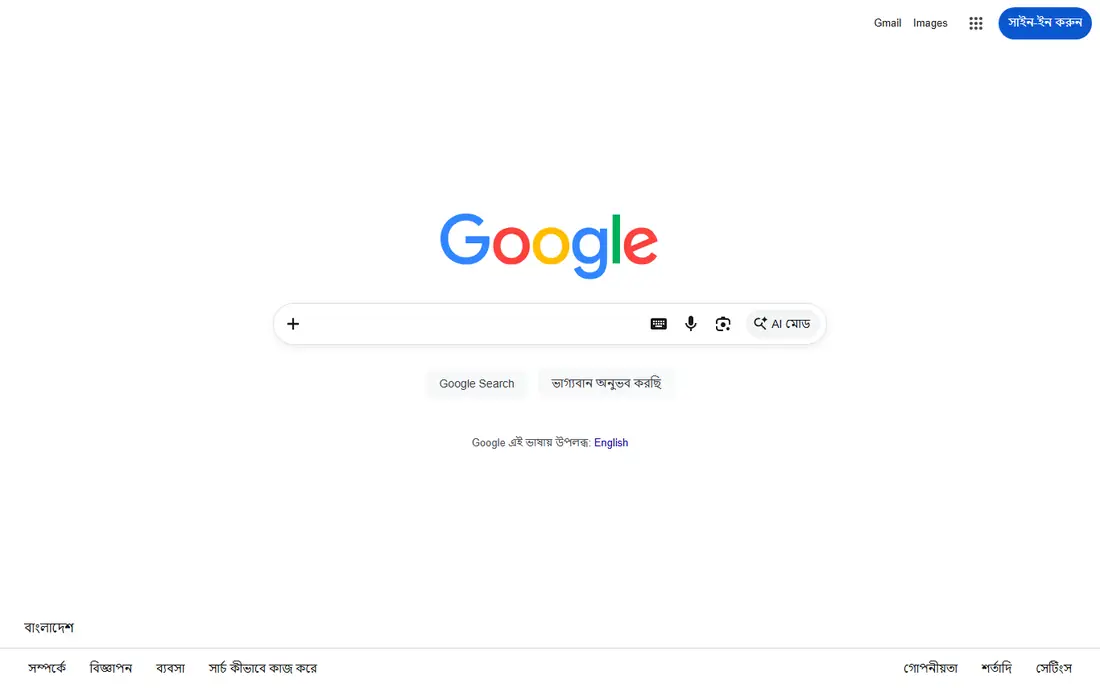
Google, part of Alphabet, remains one of the most sought-after large employers because it pairs high base pay and stock grants with benefits that cover health, meals, fitness, and extended parental leave. Engineers, product managers, and researchers also get unusual freedom to move between teams, which helps careers grow without leaving the company. Its learning budget and internal training programs are another draw for people early in their careers.
The trade-offs are size and pace. With tens of thousands of employees, decisions can move slowly, and promotion to senior levels is competitive. Office attendance rules differ by team, so the flexibility you get depends on your manager and role. Even with those limits, Google's pay, benefits, and brand strength keep it at the top of most large-employer rankings.
What we like- Top-tier pay and equity
- Generous health and parental leave benefits
- Strong internal mobility
Watch out for- Large teams can feel bureaucratic
- Promotion pace slows at senior levels
- Return-to-office rules vary by team
#2Microsoft
Best for: Career growth and stability4.6/5 on
G2 (11 reviews, checked Oct 2026)
Visit microsoft.com
Starting priceSee website
Free planNo
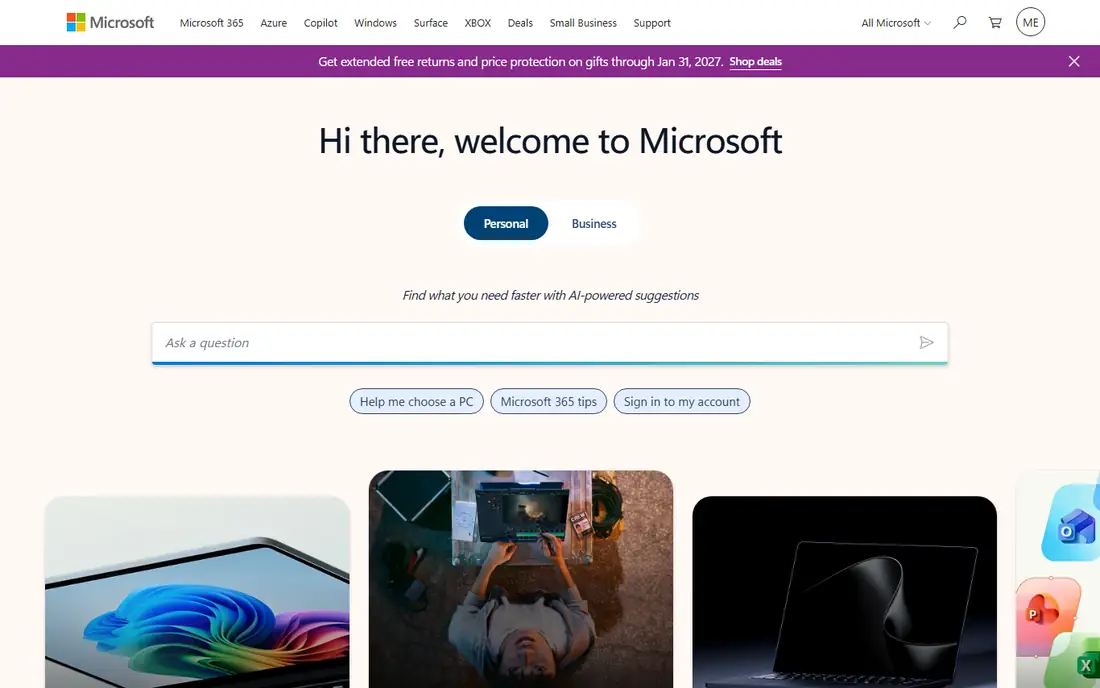
Microsoft offers a steadier version of big tech employment than its faster-moving rivals, with solid pay, stock awards, health coverage, and parental leave, plus a culture that puts more weight on work-life balance than on constant urgency. Its size is an advantage for careers: employees can move between Azure, Office, gaming, research, and sales without changing employers, and internal hiring is common.
The limits are pace and process. Some teams work on mature products where change is slow, and promotion timelines can stretch at senior levels. Hybrid work rules also vary by team, so flexibility is not uniform. Even so, Microsoft suits people who want strong pay with a sustainable pace and a long career path inside one company.
What we like- Strong pay and stock awards
- Good work-life balance for a tech giant
- Many internal roles to move into
Watch out for- Some teams run on legacy products
- Promotion can be slow
- Large-company process in places
Starting priceSee website
Free planNo
NVIDIA pays engineers at levels that rival any large company, and its stock growth has turned long-tenured employees into significant shareholders. The work itself is a draw: chip design, AI systems, and software that sit at the center of the AI boom. Employees often cite the chance to work on hardware that the whole industry depends on as a reason to stay.
The trade-offs are intensity and concentration. Chip cycles bring crunch periods, and total pay leans heavily on stock, so it rises and falls with the share price. NVIDIA is also smaller than Google or Microsoft, which means fewer teams and locations to choose from. For engineers who want top pay and advanced hardware work, it is hard to beat.
What we like- Very high engineer compensation
- Stock growth has rewarded long-tenured staff
- Technically ambitious work
Watch out for- Demanding pace during chip cycles
- Pay is heavily stock-based
- Smaller workforce means fewer roles
Starting priceSee website
Free planNo
Cisco has built its employer reputation on flexibility, with hybrid work, generous time off, and benefits that include strong health coverage and family support. Employee surveys regularly praise its managers and its focus on employee well-being, and its learning programs help network engineers and sales staff move into cloud and security roles. Cisco also scores well on giving employees time for volunteering and community work.
The limits are growth and pay. Cisco grows more slowly than the big cloud and AI firms, and its compensation, while solid, does not match NVIDIA or Google for top engineers. Reorganizations are a recurring feature of life there. Even so, Cisco suits people who value flexibility, benefits, and balance over maximum pay.
What we like- Long-running flexible work culture
- Strong benefits and time off
- Internal learning programs
Watch out for- Growth is slower than cloud rivals
- Reorganizations happen often
- Pay trails top AI firms
#5Salesforce
Best for: Culture and giving back4.4/5 on
G2 (27,566 reviews, checked Oct 2026)
Visit salesforce.com
Starting priceSee website
Free planNo
Salesforce built its employer brand on culture, with paid volunteer days, philanthropy programs, and a public focus on equality and employee well-being. Pay is competitive in sales, engineering, and product roles, and stock awards add a meaningful share of total compensation. Its Trailhead learning platform also helps employees build skills and earn certifications on company time.
The trade-offs are pace and change. Salesforce acquires companies often, which reshuffles teams and priorities, and sales roles carry real quota pressure. Process can be heavy in a company of its size. Even with those limits, Salesforce appeals to people who want a values-led culture with strong pay in cloud software.
What we like- Strong values-driven culture
- Paid volunteer time
- Good pay and stock in sales and engineering
Watch out for- Frequent acquisitions change teams
- Sales roles carry quota pressure
- Large-company process
Starting priceSee website
Free planNo
Adobe employs designers, engineers, and marketers behind Photoshop, Acrobat, and its Experience Cloud, and employees often cite pride in the products as a reason to stay. Benefits include generous time off, health coverage, and parental leave, and the company supports learning through courses and conference attendance. Its culture leans toward craft and design quality rather than pure growth speed.
The limits are pay and geography. Adobe pays well but not at the level of the top AI chip and cloud firms, and many roles cluster in San Jose, Seattle, and a few other hubs. Subscription pricing criticism also follows the brand in public debate. Even so, Adobe suits creative and technical people who want balance, good benefits, and products with a long history.
What we like- Creative products employees are proud of
- Good balance and time off
- Strong learning support
Watch out for- Subscription criticism follows the brand
- Pay trails top AI firms
- Some roles are concentrated in a few cities
Starting priceSee website
Free planNo
Hilton stands out among large employers because its benefits reach frontline staff, not only office workers. Employees get deep hotel discounts for themselves and family, plus health coverage, paid time off, and training programs that move hourly workers into supervisory and management roles. Employee surveys regularly rank Hilton near the top for hospitality, and its size means staff can transfer between properties and brands.
The limits are the nature of hotel work itself. Shifts include nights, weekends, and holidays, pay varies by property and local labor markets, and the work is physical. Office roles differ from property roles in schedule and flexibility. Even with those realities, Hilton is one of the strongest large employers for people building a career in hospitality from the ground up.
What we like- Travel discounts for staff and family
- Strong frontline benefits
- Many paths from hourly roles into management
Watch out for- Hotel work includes nights and weekends
- Pay varies by property and role
- Physical work is demanding
Starting priceSee website
Free planNo
American Express pairs the stability of a large financial firm with pay and benefits that compete with tech in engineering, data, and product roles. Employees cite health coverage, retirement matching, parental leave, and a strong internal mobility program, plus a brand that carries weight across finance. Its offices in New York, Phoenix, and other hubs host large technology and customer service teams.
The limits are regulation and process. Financial services rules add compliance steps that slow decisions, and some roles require regular office attendance. Promotion pace varies by division, and customer service roles differ sharply from corporate roles in pay and schedule. Even so, American Express suits people who want a stable, well-paid career in finance with a respected name behind them.
What we like- Strong pay in finance and tech roles
- Good benefits and parental leave
- Respected brand on a resume
Watch out for- Regulated industry means heavy process
- Some roles are office-based
- Promotion pace varies by division
How we chose
We ranked employers using employee survey results, published benefits, pay reporting, and workplace rankings, favoring large companies with at least ten thousand employees. We weighed pay, health and family benefits, flexibility, manager quality, and internal promotion, and we favored firms whose benefits reach frontline workers rather than only office staff. Companies were excluded when their rankings rested on a single survey or when recent layoffs and restructuring sharply changed the employee picture.
Buying guide
Treat this ranking as a starting point, not a verdict on your own experience. If you are job hunting, check the specific team, manager, and location, since those shape daily life more than any company-wide ranking. Ask about pay bands, bonus and stock terms, office attendance rules, and promotion timelines during interviews, and get the answers in writing where possible.
Also weigh your own priorities before chasing the highest-ranked name. Top pay may come with intensity, while a lower-ranked firm may offer the schedule, location, or career path you actually want. Compare total compensation, not base salary alone, and check benefits that matter to you, such as parental leave, health coverage, and retirement matching, since those can be worth thousands of dollars a year.
Frequently asked questions
What is the best big company to work for in 2026?
Surveys and pay data point to Google, Microsoft, and NVIDIA at the top for tech roles, with Cisco, Salesforce, and Hilton leading on culture and frontline benefits. The best choice depends on your role, location, and priorities.
Does a high ranking mean every team is good?
No. Managers, team culture, and local offices matter more than headquarters policy. Always research the specific team and interview your future manager before accepting an offer.
How much do benefits matter compared with salary?
A lot. Health coverage, retirement matching, parental leave, and stock awards can add thousands of dollars a year in value, so compare total compensation rather than base pay alone.
Are remote jobs still common at large companies?
They vary widely. Some teams are fully remote, others require several office days a week, and policies change often. Confirm the rule for your exact team in writing before you sign.
Should I pick a famous company over a smaller one?
Not automatically. Large firms offer stability, brand value, and internal mobility, while smaller firms can offer faster growth, broader roles, and more influence. Choose based on your career stage and goals.
Sources we checked (0)
Is your product missing or out of date?
We review this list regularly. Vendors can request a listing, send updated pricing or ask about featured placement.

Shihab Mia · Founder, Rankite
Shihab has 5+ years in B2B and SaaS SEO. He writes Rankite's software buying guides from pricing pages, documentation and public user reviews. More about Shihab.